 Предпросмотр
 Поделиться
 Поделиться
 Детали произведения

 Скачать
 Похожие работы
 Рентгенография
 Слайд-шоу
 Статистика
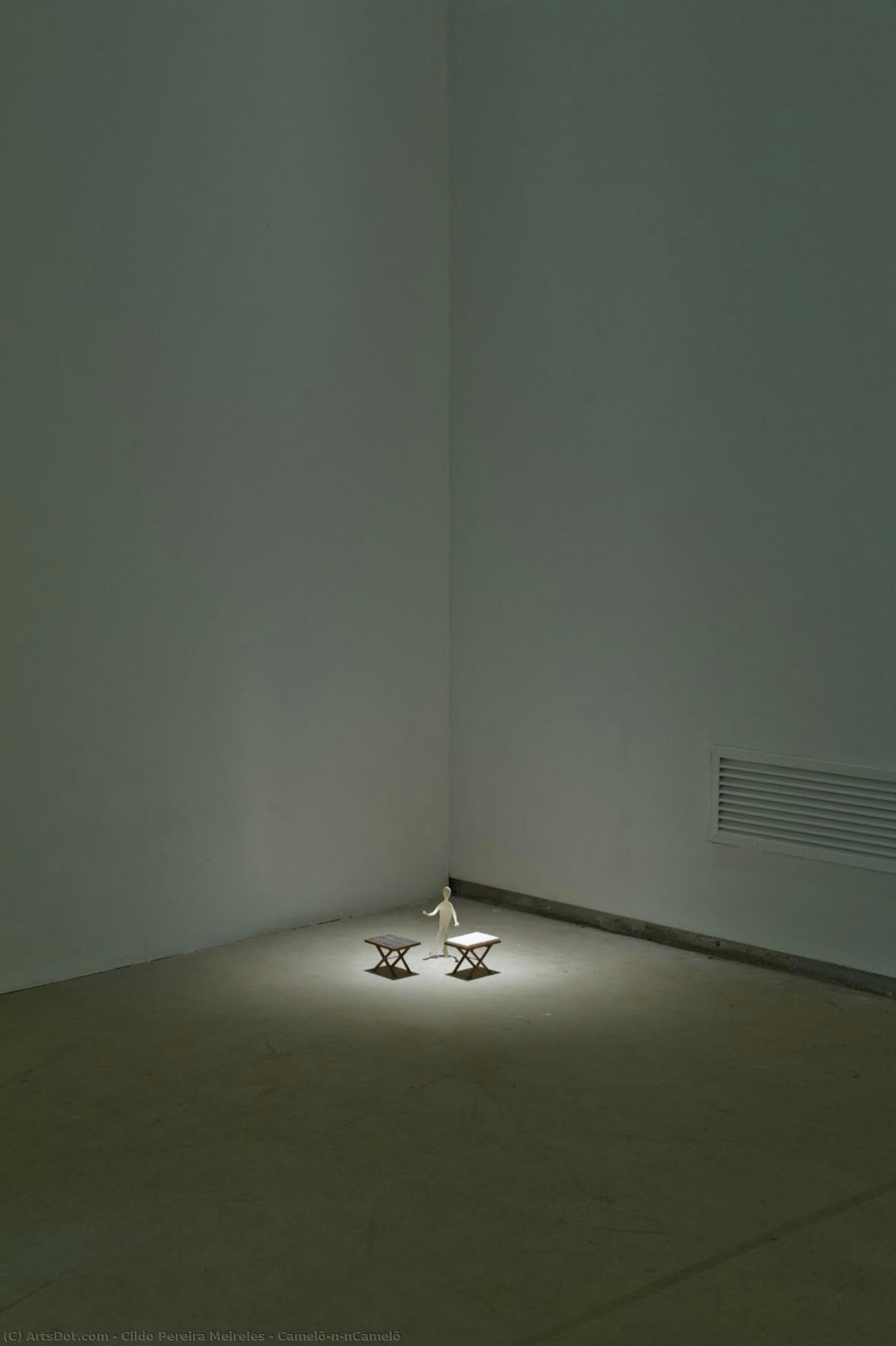
Camelô Камело́
 Акрил на холсте
- Настенный декор
- Contemporary Realism
 1998
1998 39.0 x 30.0 cm
 Институт Инотхим
 Читать далее
Масляная репродукция ручной работы
Картина маслом на холсте в выбранном вами размере и раме, написанная на заказ нашими художниками. ( Перейти к печати Перейти к цифровым изображениям)




P118B $10

P118H $10

P118W $10

P438Z $10

P508JH $12

P508YH $12

P805H $10

P805Z $10

P919BZ $10

P919G $10

P919XJ $10

P959ZH $10

P968JZ $12

W106C $8

W218G $10

W218JH $8

W218Y $10

W307PJ $10

W316G $10

W316PJ $8

W316Y $10

W398PJ $8

W4111J $10

W500HY $15

W500JH $15

W692G $12

W849H $8

W940BG $15

W953PJ $8




Выберите один из наших стандартных размеров, соответствующих оригинальным пропорциям произведения искусства.

Вы можете указать собственные размеры, чтобы картина идеально вписалась в выбранную раму или пространство. Если выбранный вами размер не соответствует пропорциям оригинала, мы либо обрежем полотно, либо расширим его за счет дополнительных элементов, написанных вручную. Цифровой макет будет отправлен вам на утверждение перед началом производства.
Обратите внимание, что предварительный просмотр на экране не отражает фактическую обрезку или расширение. Только макет точно покажет окончательную композицию.
Хотя доступны индивидуальные размеры, мы рекомендуем выбирать вариант из предопределенного списка, чтобы сохранить исходные пропорции.
После оформления заказа команда ArtsDot.com свяжется с клиентом по электронной почте для уточнения деталей и предоставит предварительный макет
Доставка по всему миру () за 3–4 недели вместо стандартных 5 недель. (13 Сентябрь). Без компромиссов в качестве.

Бесплатная экспресс-доставка по всему миру

Высококачественный льняной холст

Полное страхование доставки

Гарантия возмещения таможенных пошлин

Гарантия точного соответствия цветов

100-дневная политика возврата (только при обнаружении дефектов)

Гарантия возврата 100% средств

Предложение оптовых скидок
 Вариант со стеклом доступен только для размеров менее 110 см

Camelô Камело́
Техника репродукции
Размер репродукции
-


Итоговая стоимость
$ 263
Camelô: A Childhood Memory Embodied in Minimalism
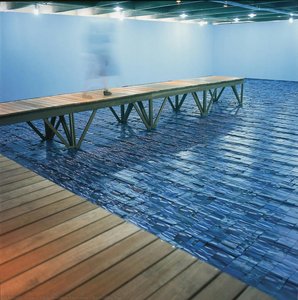
Cildo Pereira Meireles’s “Camelô Camelô” isn't merely a painting; it’s an invitation to revisit the formative landscapes of artistic thought. Created in 1998, this deceptively simple artwork—measuring 39 x 30 cm—captures a profound observation: the quiet magic residing within everyday objects and experiences.
The artist recounts his recollections from childhood in Goiânia, where he witnessed countless street vendors diligently pursuing their livelihoods. Specifically, Meireles was mesmerized by three particular figures stationed along Araújo Porto Alegre Street – one selling collar stiffeners, another bundles of pins tied together, and lastly, a vendor presenting a miniature puppet on a string operated by a simple mechanism attached to the Museu Nacional de Belas Artes building.
"These objects," Meireles explains, "were identified as being the most basic of manufactured items. One was a length of metal that you hit on the tip to turn it into a safety pin, the other was a strip of plastic. The third street vendor that awed me sold a kind of cardboard and elastic puppet on a string that he tied to a recess on a building, which in this case was the Museu Nacional de Belas Artes. By tugging on the string in his pocket, he made the puppet dance on the pavement.” This seemingly insignificant spectacle became an emblem of fascination for Meireles—a contemplation on how someone could derive meaning and purpose from crafting something as unassuming as a pin or a piece of twine.
The painting itself utilizes string as its medium – a deliberate choice that underscores the artwork’s conceptual core. The monochrome palette, dominated by shades of gray and beige (Titan Buff), contributes to an atmosphere of stillness and contemplation. Its minimalist composition—featuring two figures seated on a wooden bench—further emphasizes this sense of quiet observation.
“Camelô Camelô” speaks volumes about the artist’s preoccupation with exploring resistance through sculpture and conceptual installations, reflecting his unwavering commitment to confronting societal issues while simultaneously delving into the psychological dimensions of perception. It's an artwork that encourages viewers to consider not just what they see but also how memory shapes our understanding of the world around us.
Technique and Material Considerations
Meireles’s masterful execution demonstrates a meticulous attention to detail—a hallmark of his artistic style. The string, carefully positioned on the canvas, isn't merely decorative; it represents a tangible connection to the artist’s childhood experience. Its subtle texture adds depth to the visual surface and invites viewers to engage in tactile contemplation.
The painting was executed on canvas using oil paint—a medium known for its luminosity and ability to capture nuanced tonal variations. This technique allows Meireles to convey a sense of understated elegance, mirroring the contemplative mood evoked by the artwork’s subject matter.
Historical Context and Conceptual Significance
"Camelô Camelô" aligns with Meireles's broader artistic trajectory—one characterized by challenging conventions and prompting critical reflection. Influenced by Pop Art’s exploration of mass production and repetition, he nevertheless steers clear of stylistic mimicry, prioritizing conceptual integrity.
The artwork’s title itself – “Camelô” – references the street vendors Meireles observed as a child—individuals who embody resilience and adaptability in navigating daily life. It serves as a reminder that beauty can be found even in the most commonplace elements of our environment, urging us to appreciate the richness of human experience.
Emotional Resonance
Ultimately, “Camelô Camelô” transcends mere visual representation; it aspires to evoke an emotional response within the viewer. The painting’s serene stillness and muted color palette foster a feeling of tranquility—a counterpoint to the anxieties of contemporary culture.
It's a piece that invites introspection, prompting us to contemplate our own memories and perceptions. Like Meireles himself described, “Camelô Camelô” captures "pure magic for a child"—a testament to the enduring power of formative experiences to shape artistic vision.
Похожие произведения





Биография художника
Cildo Pereira Meireles: Exploring Resistance Through Sculpture and Conceptual Installations
Cildo Pereira Meireles (born Rio de Janeiro, Brazil, 1948) stands as a pivotal figure in Brazilian conceptual art, recognized for his uncompromising engagement with political themes and his masterful manipulation of materials to provoke profound phenomenological experiences within the viewer.
Early Life and Artistic Beginnings
Born into a family steeped in artistic tradition—his father was a sculptor—Meireles’s formative years instilled an early appreciation for visual art. He pursued formal studies at Universidade Estadual Paulista, São Paulo, honing his skills in sculpture and experimenting with diverse mediums before embarking on his groundbreaking conceptual explorations.
- He initially engaged with Pop Art influences, particularly Warhol's silkscreen prints, absorbing the aesthetic principles of repetition and mass production.
- However, Meireles swiftly moved beyond stylistic imitation, prioritizing intellectual rigor and challenging conventional artistic conventions.
Conceptual Installations: Challenging Perception
Meireles’s artistic reputation rests primarily on his monumental installations—large-scale projects designed to disrupt viewers' expectations and stimulate critical reflection. These works frequently utilize unconventional materials like steel mesh, spheres of varying sizes, and even banknotes, transforming them into immersive environments that invite sensory engagement.
- A seminal piece is ‘Glove Trotter’ (1991), which employs a complex geometric structure to symbolize global interconnectedness and the dissemination of ideas. The meticulously crafted mesh creates an illusion of movement, mirroring the flow of information across borders.
- ‘Inserções em circuitos ideológicos,’ created in 1976, is equally significant. This project confronts viewers with Brazilian banknotes—a symbol of national identity—arranged in a deliberate pattern that disrupts established visual hierarchies and prompts contemplation on ideological forces shaping society.
Influences and Artistic Philosophy
Meireles’s artistic vision draws inspiration from thinkers such as Georges Bataille, Walter Benjamin, and Theodor Adorno, reflecting a preoccupation with concepts of alienation, critique of rationality, and the role of art in confronting social injustices. He champions a phenomenological approach—emphasizing subjective experience—believing that art should transcend mere representation to elicit visceral responses from its audience.
Major Achievements and Recognition
Meireles’s installations have garnered international acclaim, notably showcased at the Instituto Inhotim Art Museum in Minas Gerais, Brazil. His work has been exhibited extensively throughout Europe and North America, cementing his position as one of Brazil's most influential contemporary artists.
- His contributions to conceptual art are recognized for their boldness, intellectual depth, and enduring relevance—a testament to his unwavering commitment to artistic experimentation and social commentary.
Historical Significance
Cildo Pereira Meireles’s oeuvre embodies the spirit of Brazilian neo-conceptualism—a movement that emerged in the wake of Augusto Cesar Cruz Silva's death in 1973, marking a decisive break from traditional artistic practices. His art serves as a powerful reminder of the importance of questioning established norms and harnessing creative expression to advocate for social transformation.

cildo pereira meireles
1948 - , Brazil
Основные сведения
- Artistic Movement Or Style: Conceptual Art
- Date Of Birth: 1948
- Full Name: Cildo Pereira Meireles
- Nationality: Brazilian
- Notable Artworks:
- Glove Trotter
- Inserções em circuitos ideológicos
- Place Of Birth: Rio de Janeiro, Brazil
Похожие статьи
Непреходящее наследие бронзовой скульптуры: история, техники и современные интерпретации
Узнайте историю бронзовой скульптуры, техники литья и советы по коллекционированию от экспертов. Откройте для себя вечное искусство бронзы!

10 легендарных бронзовых скульптур, изменивших искусство навсегда | ArtsDot
Погрузитесь в мир великих бронзовых скульптур! От Давида Микеланджело до работ Родена – история искусства, техники и вдохновения. Купите репродукции шедевров для вашего интерьера на ArtsDot.com

The Enduring Form: Sculpture Across History, Technique & Emotional Resonance
Explore the rich history of sculpture with ArtsDot. Discover key techniques, influential artists & investment potential for discerning collectors. Expert insights into valuing and collecting timeless masterpieces.

The Enduring Form: Exploring Themes & Techniques in Sculpture Across Historical Periods
Explore the rich history of sculpture from ancient masterpieces to contemporary innovations. Discover key techniques, influential artists & investment potential for discerning art collectors.

10 легендарных бронзовых шедевров, изменивших искусство | ArtsDot
Погрузитесь в мир великих бронзовых шедевров! От Давида Донателло до Мыслителя Родена – узнайте историю создания, технику и значение легендарных скульптур. Вдохновение для интерьера и музейное качество репродукций на ArtsDot.com.