

 Предпросмотр
 Поделиться
 Поделиться
 Детали произведения

 Скачать
 Похожие работы
 Рентгенография
 Слайд-шоу
 Статистика
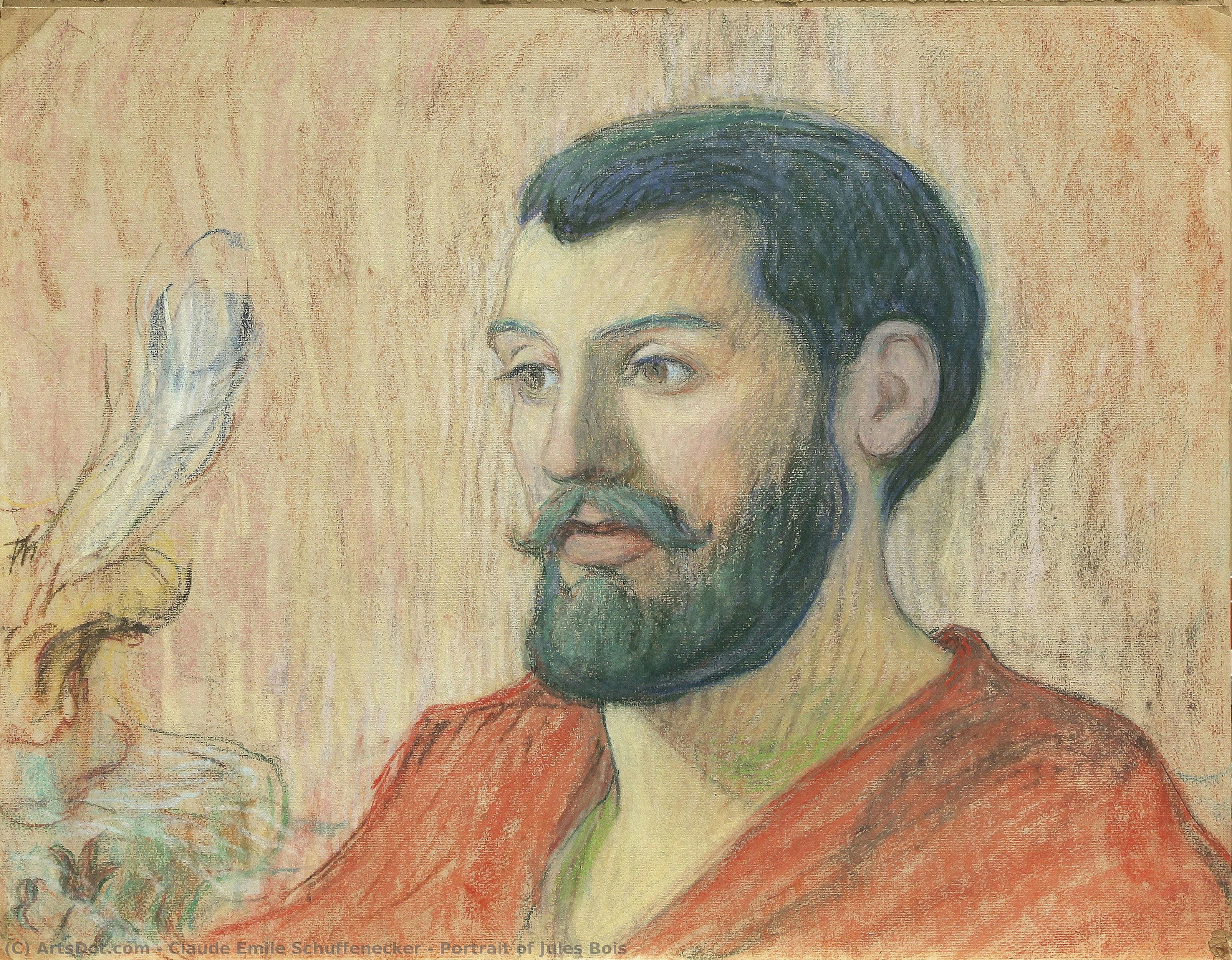
Portrait of Jules Bois
 Acrylic On Canvas
- WallArt
- Post-Impressionism
 1895
1895- 19th Century
 44.0 x 56.0 cm
 Musée de Pont-Aven
 Читать далее
Жикле / Арт-принт
Печать (жикле) или холст музейного качества с быстрыми сроками изготовления и широким выбором вариантов отделки. ( Купить картину ручной работы Перейти к цифровым изображениям)




P118B $10

P118H $10

P118W $10

P438Z $10

P508JH $12

P508YH $12

P805H $10

P805Z $10

P919BZ $10

P919G $10

P919XJ $10

P959ZH $10

P968JZ $12

W106C $8

W218G $10

W218JH $8

W218Y $10

W307PJ $10

W316G $10

W316PJ $8

W316Y $10

W398PJ $8

W4111J $10

W500HY $15

W500JH $15

W692G $12

W849H $8

W940BG $15

W953PJ $8




Выберите один из наших стандартных размеров, соответствующих оригинальным пропорциям произведения искусства.

Вы можете указать свои собственные размеры, чтобы репродукция идеально подошла под конкретную раму или пространство. Если выбранный вами размер не будет соответствовать пропорциям оригинала, мы либо обрежем произведение, либо дополним изображение зеркальным отражением краев или однотонной заливкой. Перед началом производства вам будет отправлен цифровой макет для утверждения.
Пожалуйста, обратите внимание, что предварительный просмотр на экране не отображает фактическую обрезку или расширение изображения. Только макет точно покажет финальную композицию.
Несмотря на возможность заказа индивидуальных размеров, мы рекомендуем выбирать размер из предопределенного списка, чтобы сохранить оригинальные пропорции.
Доставка по всему миру () за 2 недели вместо стандартных 4/5 недель. (13 Сентябрь)

Бесплатная экспресс-доставка по всему миру

Высококачественный льняной холст

Полное страхование доставки

Гарантия возмещения таможенных пошлин

Гарантия точного соответствия цветов

100-дневная политика возврата (только при обнаружении дефектов)

Гарантия возврата 100% средств

Предложение оптовых скидок
 Вариант со стеклом доступен только для размеров менее 110 см

Portrait of Jules Bois
Жикле / Арт-принт
Размер репродукции
-


Итоговая стоимость
$ 62
Portrait of Jules Bois – A Window into Symbolist Paris
Claude Emile Schuffenecker’s “Portrait of Jules Bois,” painted in 1895, is more than just a likeness; it's a meticulously crafted glimpse into the intellectual and spiritual currents swirling through late nineteenth-century Paris. This pastel portrait, measuring 44 x 56 cm, captures Jules Bois, a fascinating figure – a journalist, poet, Symbolist playwright, and member of the enigmatic Paris Rosicrucians. The work’s significance extends far beyond a simple representation; it serves as a visual record of a pivotal moment in Schuffenecker's own artistic and philosophical development, inextricably linked to the burgeoning influence of theosophy.
- The Subject: Jules Bois, depicted with thoughtful intensity, embodies the Symbolist movement’s fascination with inner experience and esoteric knowledge. His gaze, directed towards an unseen object in his hand – perhaps a bird or a fragment of text – invites us to contemplate the mysteries he sought within his pursuits.
- Schuffenecker's Context: The portrait was created during a period of intense correspondence between Schuffenecker and Bois, a relationship profoundly shaped by their shared intellectual interests. It’s revealed that Bois witnessed Schuffenecker’s ethical and spiritual struggles, ultimately leading the artist to embrace theosophical ideas.
- A Parallel Project: Remarkably, while working on Bois' portrait, Schuffenecker was simultaneously engaged in an ambitious essay dedicated to Paul Gauguin – a testament to his keen observation of artistic trends and his willingness to engage with the most significant figures of the era.
Technique and Style – Impressionistic Depth
Schuffenecker’s masterful use of pastel is immediately apparent, creating a remarkably luminous and textured surface. The artist employs broken color techniques characteristic of Impressionism, layering delicate strokes to build up form and capture the subtle nuances of light and shadow. Notice how he renders Bois' clothing – the vibrant red shirt – not as a flat plane but as a collection of shimmering hues, reflecting the ambient light with remarkable fidelity. This technique, combined with his careful attention to detail in capturing Bois’ facial features, particularly the thoughtful expression and the delicate lines of his beard, demonstrates Schuffenecker’s technical skill.
- Pastel Medium: The pastel medium itself contributes significantly to the work's evocative quality. Its soft, velvety texture allows for a remarkable degree of subtlety and nuance in color rendering.
- Broken Color: Schuffenecker’s signature technique of applying broken color – layering small strokes of pure pigment – creates a vibrant, shimmering effect that is characteristic of Impressionism.
- Psychological Portraiture: Beyond mere representation, the portrait aims to capture Bois' inner state, reflecting his intellectual intensity and perhaps even a hint of melancholy.
Symbolic Elements and Historical Resonance
The inclusion of symbolic elements elevates “Portrait of Jules Bois” beyond a simple likeness. The quill and inkwell in the lower left corner are potent reminders of Bois’ profession as a writer, representing creativity and intellectual pursuit. The two birds – one on the left and another towards the top right – add an element of mystery and perhaps allude to spiritual or mythological themes favored by the Symbolist movement. Painted during a time of significant philosophical and artistic upheaval, this portrait reflects the anxieties and aspirations of a generation grappling with questions of faith, morality, and the nature of reality.
- The Quill & Inkwell: A direct reference to Bois’ role as a writer and intellectual.
- Symbolic Birds: The presence of birds is open to interpretation, potentially representing freedom, spirituality, or mythological figures.
- Rosicrucian Influence: The portrait reflects Schuffenecker's involvement with the Paris Rosicrucians, a group dedicated to esoteric knowledge and spiritual exploration.
Emotional Impact and Artistic Legacy
"Portrait of Jules Bois" offers a poignant glimpse into a pivotal moment in the life of Claude Emile Schuffenecker and the intellectual landscape of late 19th-century Paris. It’s a testament to Schuffenecker's ability to capture not just physical likeness but also the psychological depth and spiritual intensity of his subject. This work stands as an important, though often overlooked, contribution to Impressionism and a valuable window into the Symbolist movement’s exploration of inner experience and esoteric themes. A hand-painted reproduction allows you to bring this captivating portrait into your own space, inviting contemplation and sparking conversation.
Похожие произведения
Биография художника
Claude Emile Schuffenecker (1851–1934): An Unsung Pioneer of Impressionism
Claude Emile Schuffenecker, born December 8th, 1851, in Haute-Saône, France, remains a figure largely overshadowed by the luminaries of his era – Paul Gauguin and Odilon Redon. Yet, this quiet French Post-Impressionist artist possessed an undeniable contribution to the artistic landscape of late nineteenth century Paris, marked by a fervent dedication to capturing fleeting moments of beauty and a pioneering role in fostering the burgeoning field of art collecting. His life’s journey unfolded amidst considerable personal hardship, yet his artistic vision persisted, shaping landscapes imbued with atmospheric subtlety and portraits reflecting profound psychological depth.Early Life & Artistic Formation
Schuffenecker's upbringing was shaped by familial circumstances that instilled a strong work ethic. Following the untimely death of his father, Nicolas Schuffenecker—a tailor from Guewenheim (Alsace)—in 1854, he and his brother Amédée faced significant economic challenges as their mother relocated to Meudon, near Paris, where her family resided. Supported by his maternal aunt Anne Fauconnet Monnet, Schuffenecker received a robust education at the frères des écoles chrétiennes, preparing him for a career in commerce—specifically, assisting his uncle Pierre Cornu’s chocolate and coffee roasting business. This practical grounding would prove invaluable later in life, providing stability amidst artistic pursuits. Crucially, he found kindred spirits in Gauguin and Redon, engaging in spirited discussions about the masters at the Louvre and honing his skills at the Académie Colarossi.Friendship with Gauguin & The Volpini Exhibition
A formative relationship blossomed between Schuffenecker and Paul Gauguin—a connection that transcended mere artistic camaraderie and deepened into genuine friendship. Both men shared a passion for studying Old Masters, meticulously analyzing compositions and techniques at the Louvre, seeking to distill their essence into visual representations. This intellectual exchange fueled their creative endeavors and cemented their commitment to exploring innovative approaches to painting. Notably, Schuffenecker played an instrumental role in organizing the Volpini Exhibition of 1889—a landmark event showcasing Impressionist art and attracting considerable public attention. His involvement underscored his belief in disseminating artistic ideas and fostering dialogue within the Parisian avant-garde. Gauguin’s influence on Schuffenecker was palpable, particularly evident in their shared fascination with Symbolism alongside Impressionistic principles.Schuffenecker’s Artistic Style & Influences
Schuffenecker's distinctive style is characterized by a masterful manipulation of light and color—traits undeniably influenced by Impressionism, yet tempered with a sensitivity to Symbolist aesthetics. He prioritized capturing mood and emotion over precise topographical accuracy, mirroring the spirit of his time. His landscapes frequently depict serene scenes bathed in hazy atmospheric conditions, employing delicate brushstrokes and muted hues to convey a profound sense of tranquility. Consider “Near Meudon,” where Schuffenecker captures the ethereal quality of twilight—a testament to his artistic prowess. Similarly, "Paysage Landscape" exemplifies his ability to distill complex visual information into evocative representations of nature—a reflection of Gauguin’s own stylistic choices. He was particularly captivated by Vincent van Gogh’s expressive use of color and texture, recognizing the transformative potential of conveying inner feelings through visual media.A Controversial Legacy & Rediscovery
Despite Schuffenecker's considerable contribution to Impressionism and art collecting—including his early involvement in establishing a collection of Van Gogh paintings—his artistic reputation suffered a significant setback following the 1920s, fueled by accusations of stylistic imitation and speculation regarding the authenticity of certain artworks attributed to him. Scholarly research has begun to illuminate Schuffenecker’s life and oeuvre with greater nuance, acknowledging his dedication to capturing atmospheric subtleties and psychological depth—and prompting renewed interest in his work. Recent investigations have bolstered a more measured assessment of his artistic achievements—challenging earlier interpretations—and highlighting the importance of revisiting overlooked artists within the broader context of modern art history. Today, Musée des Cultures Taurines in Nîmes proudly showcases Schuffenecker’s legacy through its impressive collection of paintings and artifacts.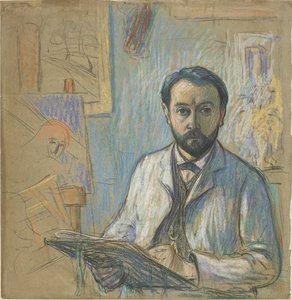
Шуффенекер, Клод Эмиль
1851 - 1934 , Франция
Основные сведения
- Artistic Movement Or Style: Постимпрессионизм
- Artists Or Movements Influenced By This Artist: ['Павел Гюгенхейн']
- Artists Who Influenced This Artist:
- Одилон Редон
- Винсент Ван Гог
- Date Of Birth: 8 декабря 1851 г.
- Date Of Death: 31 июля 1934 г.
- Full Name: Claude Emile Schuffenecker
- Nationality: Француз
- Notable Artworks:
- Парк Люксембург
- Ландшафт
- Place Of Birth: Френе-Сент-Мамэ (Высокая Саона)
Похожие статьи
The Subdued Radiance of Pastel Palettes: Exploring Emotional Resonance in Art History
Explore the emotional power of pastel palettes in art history! Discover Impressionism, Post-Impressionism & color psychology insights. Find museum-quality reproductions at ArtsDot.
The Subtleties of Pastel: A Comprehensive Exploration of Technique, History & Emotional Resonance
Explore the captivating world of pastel art! Discover its rich history, Impressionistic masters like Degas, emotional power & unique techniques. Find museum-quality reproductions at ArtsDot.
The Subdued Radiance of Pastel Palettes: Exploring Emotional Resonance in Art History
Explore the emotional power of pastel palettes in art history! Discover Impressionism, Post-Impressionism & color psychology insights. Find museum-quality reproductions at ArtsDot.

Топ-10 шедевров импрессионизма: искусство мгновения для вашего интерьера
Погрузитесь в мир импрессионизма! Откройте для себя 10 шедевров Моне, Ренуара и других великих мастеров. Узнайте историю создания культовых картин и вдохновитесь для декора интерьера. Репродукции музейного качества на ArtsDot.com.
Топ-25 шедевров Клода Моне: Искусство света и импрессионизма для вашего интерьера
Погрузитесь в мир Клода Моне! 25 шедевров импрессионизма, от "Водных лилий" до знаменитых пейзажей. Узнайте историю создания картин и вдохновитесь для декора интерьера. Репродукции музейного качества на ArtsDot.com.