


 Предпросмотр
 Поделиться
 Поделиться
 Детали произведения

 Скачать
 Похожие работы
 Рентгенография
 Слайд-шоу
 Статистика
A Teacher and his Pupil
 Oil On Canvas
- WallArt
- Baroque
 1670
1670- Early Modern
 135.0 x 111.0 cm
 Лувр
Лувр
 Читать далее
Приобретите цифровое изображение высокого разрешения в улучшенном качестве, которое значительно превосходит онлайн-превью.
Каждый файл тщательно подготавливается нашими специалистами с использованием передовых инструментов и экспертной ручной ретуши. Мы гарантируем исключительную четкость, точную цветопередачу и детальную проработку каждого изображения.
Финальный файл доставляется по электронной почте в течение 72 часов и оптимизирован для немедленного использования в профессиональной среде, при верстке и печати. Это тот же уровень качества, которому доверяют ведущие дизайнерские студии, издательства и галереи.
Цифровое изображение
Скачайте файл высокого разрешения для личного использования, печати и творческих проектов. ( Перейти к печати Купить картину ручной работы)
Включено в каждый заказ цифровых изображений
Гарантия экспертной цифровой доставки
Выбирая ArtsDot.com, вы получаете не просто изображение — вы приобретаете профессионально обработанное цифровое произведение искусства, созданное с безупречной точностью и под защитой гарантии качества. Вот всё, что автоматически входит в ваш заказ:

Мгновенная доставка по e-mail
Ваш цифровой файл в высоком разрешении будет отправлен вам по электронной почте в течение 72 часов после оформления заказа — и сразу станет доступен для использования.

Цифровой файл с ИИ-улучшением
Ваше произведение искусства проходит профессиональную оптимизацию с использованием передовых инструментов ИИ и ручной обработки, что гарантирует максимальную детализацию, четкость и точность цветопередачи.

Бессрочная бесплатная повторная доставка
Случайно удалили или потеряли файл? Не беспокойтесь — мы отправим его вам повторно в любое время и совершенно бесплатно.

Без импортных пошлин — навсегда
Наслаждайтесь вашим произведением искусства мгновенно без таможенных пошлин, сборов или затрат на доставку — цифровые загрузки всегда не облагаются налогом.

Гарантия точности цветопередачи
Мы гарантируем, что ваше цифровое изображение максимально точно передает оригинальные цвета благодаря использованию профессиональных инструментов и систем управления цветом.

Гарантия удовлетворенности 100 дней
Если вы не будете удовлетворены своим цифровым изображением, мы внесем правки или вернем 100% стоимости в течение 100 дней — без лишних вопросов.

100% Гарантия возврата средств
Не удовлетворены покупкой? Получите полный возврат средств в течение 100 дней после получения цифрового файла — без лишних вопросов.

Скидки на оптовые заказы
Купите 3 изображения, сэкономьте 10% — Купите 5, сэкономьте 15% — Купите 10+, сэкономьте 20%. Отличное решение для творческих проектов, галерей и агентств.
A Moment Frozen in Time: The Intimacy of Claude Lefebvre
In the quiet depths of the seventeenth century, amidst the grand flourishes of the Baroque era, there existed moments of profound, silent connection that transcended the mere recording of faces. Claude Lefebvre’s 1670 masterpiece, "A Teacher and his Pupil," captures such a moment with unparalleled emotional resonance. This is not merely a portrait of two individuals; it is an evocative window into the very essence of mentorship and the sacred transmission of knowledge. As the viewer gazters upon the illuminated faces of the distinguished gentleman and the attentive young boy, one feels transported to a private study where time itself seems to pause, held in suspense by the weight of intellectual discovery.
The painting serves as a breathtaking example of chiaroscuro, the dramatic interplay of light and shadow that defined the Baroque period. Lefebvre masterfully directs the light to fall upon the subjects' features, pulling them from an atmospheric, near-indistinct darkness into sharp, luminous relief. This technique does more than create depth; it focuses the viewer’s soul on the psychological exchange occurring between the figures. The teacher’s steady, guiding presence and the pupil’s eager, focused gaze form a triangular composition that provides a sense of structural harmony and stability, grounding the fleeting emotional intensity of the scene within a classical, balanced framework.
Mastery of Texture and the Baroque Spirit
Beyond its emotional depth, "A Teacher and his Pupil" is a triumph of technical virtuosity. Lefebvre’s use of oil on canvas allows for a rich, layered saturation of color that breathes life into every fold of fabric. One can almost feel the heavy weight of the teacher’s robes and the crispness of the boy’s waistcoat through the artist's meticulous brushwork. The subtle interplay of deep blacks, earthy browns, and muted grays creates a somber yet sophisticated palette, punctuated only by the brilliant whites of collars and cuffs that catch the light like sudden sparks of insight.
The artist employs atmospheric perspective with great skill, allowing the background to dissolve into a soft, mysterious obscurity. This lack of detail in the periphery ensures that nothing distracts from the central narrative of learning. For the discerning collector or interior designer, this painting offers a profound sense of gravitas. It possesses a quiet authority that can anchor a room, providing a focal point that invites contemplation rather than mere observation. The textures—from the smooth, porcelain-like skin tones to the tactile complexity of the drapery—demonstrate a level of realism that makes the scene feel tangibly present.
A Legacy of Knowledge and Light
Historically, this work reflects the humanist ideals flourishing in seventeenth-century Europe, where the pursuit of reason and the cultivation of the mind were held in high esteem. Commissioned by an aristocratic family, the painting speaks to the era's emphasis on lineage, education, and the importance of passing wisdom from one generation to the next. There is a subtle symbolism in the darkness surrounding the figures; it may represent the vast unknown or the challenges inherent in the pursuit of truth, which the light of education seeks to illuminate.
To possess a reproduction of this work is to bring more than just decoration into a space; it is to invite an atmosphere of intellectual curiosity and timeless elegance. Whether placed in a private library, a formal study, or a contemporary living space, "A Teacher and his Pupil" acts as a silent interlocutor, reminding all who behold it of the enduring beauty found in the pursuit of wisdom and the profound bonds formed through shared learning.
Похожие произведения



Биография художника
Johannes Vermeer: A Life Illuminated by Light
Johannes Vermeer, a name synonymous with quiet intimacy and luminous beauty, remains one of the most enigmatic and revered figures in the history of art. Born in Delft, Netherlands, on October 31st, 1632, into a family deeply rooted in the silk trade, his life was remarkably short – he died on December 15th, 1675 – yet his artistic legacy continues to captivate audiences centuries later. While only thirty-six paintings are definitively attributed to him, each one possesses an extraordinary power, transporting viewers to fleeting moments of domestic tranquility and revealing a profound understanding of light, color, and human emotion.
Vermeer’s early life was shaped by the bustling commercial activity of Delft, a city renowned for its intricate textiles. His father, Reynier Jansz Vermeer, operated an inn and art dealership, providing young Johannes with exposure to both the practicalities of business and the world of artistic creation. This environment likely fostered his keen observational skills and appreciation for visual detail – qualities that would later become hallmarks of his distinctive style. He received a basic education, but it’s believed he was largely self-taught, absorbing techniques from various contemporary artists and diligently studying the works of masters like Anthony van Dyck and Hendrick ter Brugghen.
The Painter's Palette: Style and Technique
Vermeer’s artistic style is instantly recognizable for its remarkable subtlety and atmospheric depth. He eschewed grand, dramatic compositions in favor of intimate scenes depicting everyday life – women at their spinning wheels, children playing, merchants engaged in trade, and domestic interiors bathed in soft light. His paintings are not merely representations of reality; they are carefully constructed illusions, imbued with a sense of stillness and serenity. A key element of his technique lies in his masterful manipulation of light. Vermeer was obsessed with capturing the way light interacts with surfaces – reflecting off polished wood, shimmering on water, and casting subtle shadows across faces. He achieved this through an innovative use of *stiacciato*, a technique involving layering thin glazes of paint to create variations in tone and texture, giving his works a remarkable sense of volume and depth.
He employed a unique approach to color, often using muted tones and subtle gradations to create a harmonious and understated effect. Vermeer’s meticulous attention to detail is evident in every brushstroke, from the delicate folds of fabric to the intricate patterns of Delftware pottery. His use of ultramarine blue, painstakingly ground from lapis lazuli – one of the most expensive pigments available at the time – is particularly striking, adding a vibrant intensity to his compositions.
A Life of Quiet Industry and Limited Recognition
Despite his artistic talent, Vermeer’s life was marked by relative obscurity during his lifetime. He was not a wealthy man, earning a modest living primarily as an art dealer and selling his paintings to a small circle of patrons in Delft and The Hague. He married Catharina Bolnes in 1653, and they had eleven children, adding to the challenges of their existence. Vermeer’s working methods were slow and deliberate; he often spent months, even years, perfecting a single painting. This painstaking process contributed to the small number of works he produced.
Remarkably, Vermeer was largely forgotten after his death. His name barely appeared in Arnold Houbraken's *Grand Theatre of Dutch Painters*, a comprehensive survey of 17th-century artists, and as a result, his work remained obscure for nearly two centuries. It wasn’t until the late 19th century that Vermeer was rediscovered by art critics Gustav Friedrich Waagen and Théophile Thoré-Bürger, who championed his genius and brought attention to his remarkable talent.
Rediscovery and Enduring Legacy
The rediscovery of Vermeer coincided with a broader reassessment of Dutch Golden Age painting. Scholars began to recognize the unique qualities of his work – its luminous beauty, psychological depth, and innovative use of light – and his paintings quickly gained popularity in museums around the world. Today, Vermeer’s works are among the most prized possessions of major art institutions, including the Mauritshuis in The Hague, the Louvre in Paris, and the National Gallery in London.
Vermeer's influence on subsequent generations of artists is undeniable. His exploration of light, color, and domestic interiors paved the way for Impressionist painters like Claude Monet and Pierre-Auguste Renoir. His paintings continue to resonate with viewers today, offering a glimpse into a bygone era and reminding us of the enduring power of art to capture the beauty and complexity of human experience. The enigmatic smile in *Girl with a Pearl Earring*, perhaps his most famous work, remains an invitation to contemplate the mysteries of the human heart.
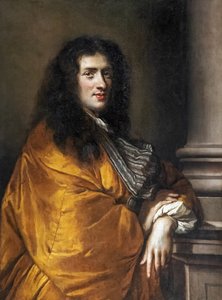
claude lefebvre
1632 - 1675 , France
Основные сведения
- Artistic Movement Or Style: Genre painting, Dutch Golden Age
- Artists Or Movements Influenced By This Artist:
- Gustav Friedrich Waagen
- Théophile Thoré-Bürger
- Artists Who Influenced This Artist:
- Frans Hals
- Rembrandt
- Date Of Birth: October 1632
- Date Of Death: December 1675
- Full Name: Johannes Vermeer
- Nationality: Dutch
- Notable Artworks:
- Girl with a Pearl Earring
- The Milkmaid
- View of Delft
- Woman Holding a Balance
- Place Of Birth: Delft, Netherlands