

 Предпросмотр
 Поделиться
 Поделиться
 Детали произведения

 Скачать
 Похожие работы
 Рентгенография
 Слайд-шоу
 Статистика
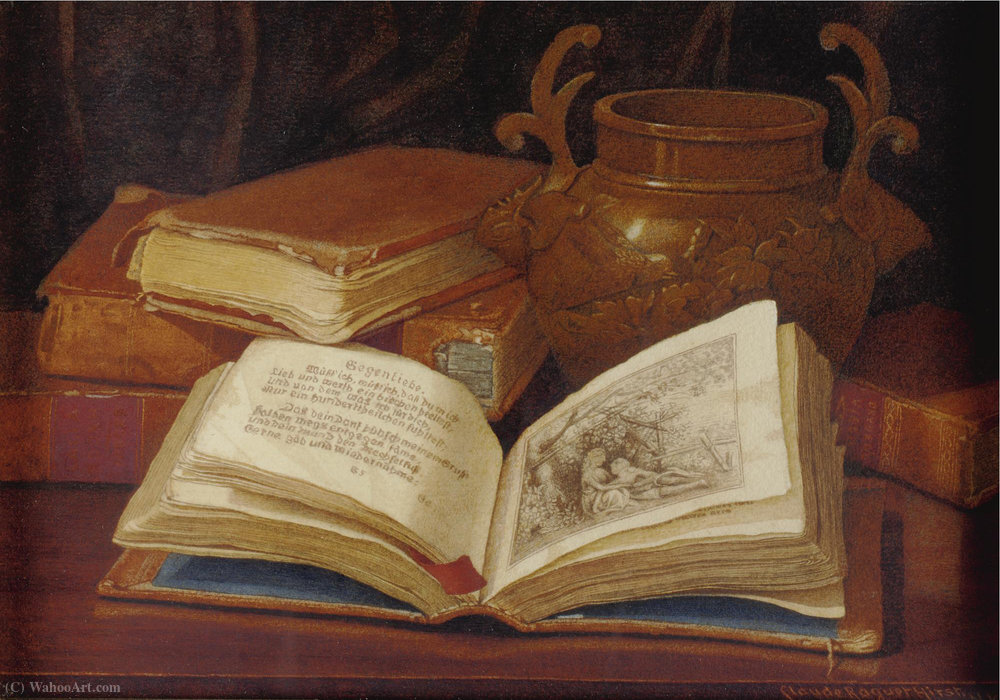
Still life with books and vase

 Читать далее
Приобретите цифровое изображение высокого разрешения в улучшенном качестве, которое значительно превосходит онлайн-превью.
Каждый файл тщательно подготавливается нашими специалистами с использованием передовых инструментов и экспертной ручной ретуши. Мы гарантируем исключительную четкость, точную цветопередачу и детальную проработку каждого изображения.
Финальный файл доставляется по электронной почте в течение 72 часов и оптимизирован для немедленного использования в профессиональной среде, при верстке и печати. Это тот же уровень качества, которому доверяют ведущие дизайнерские студии, издательства и галереи.
Цифровое изображение
Скачайте файл высокого разрешения для личного использования, печати и творческих проектов. ( Перейти к печати Купить картину ручной работы)
Включено в каждый заказ цифровых изображений
Гарантия экспертной цифровой доставки
Выбирая ArtsDot.com, вы получаете не просто изображение — вы приобретаете профессионально обработанное цифровое произведение искусства, созданное с безупречной точностью и под защитой гарантии качества. Вот всё, что автоматически входит в ваш заказ:

Мгновенная доставка по e-mail
Ваш цифровой файл в высоком разрешении будет отправлен вам по электронной почте в течение 72 часов после оформления заказа — и сразу станет доступен для использования.

Цифровой файл с ИИ-улучшением
Ваше произведение искусства проходит профессиональную оптимизацию с использованием передовых инструментов ИИ и ручной обработки, что гарантирует максимальную детализацию, четкость и точность цветопередачи.

Бессрочная бесплатная повторная доставка
Случайно удалили или потеряли файл? Не беспокойтесь — мы отправим его вам повторно в любое время и совершенно бесплатно.

Без импортных пошлин — навсегда
Наслаждайтесь вашим произведением искусства мгновенно без таможенных пошлин, сборов или затрат на доставку — цифровые загрузки всегда не облагаются налогом.

Гарантия точности цветопередачи
Мы гарантируем, что ваше цифровое изображение максимально точно передает оригинальные цвета благодаря использованию профессиональных инструментов и систем управления цветом.

Гарантия удовлетворенности 100 дней
Если вы не будете удовлетворены своим цифровым изображением, мы внесем правки или вернем 100% стоимости в течение 100 дней — без лишних вопросов.

100% Гарантия возврата средств
Не удовлетворены покупкой? Получите полный возврат средств в течение 100 дней после получения цифрового файла — без лишних вопросов.

Скидки на оптовые заказы
Купите 3 изображения, сэкономьте 10% — Купите 5, сэкономьте 15% — Купите 10+, сэкономьте 20%. Отличное решение для творческих проектов, галерей и агентств.
Похожие произведения
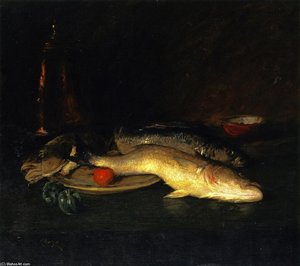
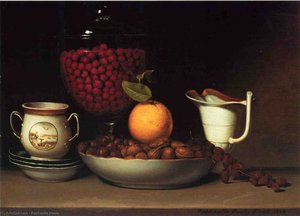
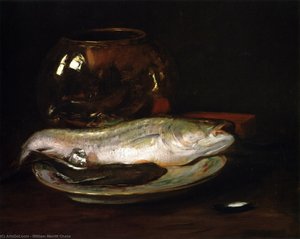
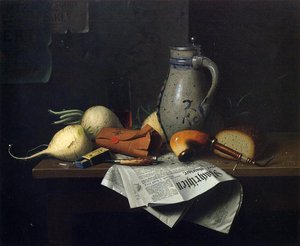
Биография художника
Gustave Courbet: A Revolutionary Vision of Reality
Born in Ornans, France, in 1819, Gustave Courbet’s life and art were inextricably linked to a profound desire to dismantle the established conventions of academic painting. His early years, marked by a rebellious spirit fostered within a household steeped in anti-monarchical sentiment – his grandfather having fought in the French Revolution – instilled in him a determination to forge his own path, one that prioritized direct observation and honest representation over idealized beauty or historical grandeur. Courbet’s journey wasn't simply about painting; it was a declaration of independence, a refusal to accept the limitations imposed by the Salon system and its rigid hierarchy.
Initially drawn to lithography, a medium offering immediate visual impact and freedom from the constraints of oil paint, Courbet soon gravitated towards canvas. His early works, such as “The Stone Breakers” (1849), immediately challenged the prevailing artistic norms. This monumental painting, depicting two peasant laborers engaged in their arduous task, was a radical departure from the romanticized depictions of rural life favored by the Academy. Instead of presenting an idealized vision, Courbet presented a stark and unflinching portrayal of poverty and labor, forcing viewers to confront the realities of working-class existence. The scale itself – nearly 12 feet tall and over 19 feet wide – served as a deliberate statement, asserting the importance of his subject matter.
Courbet’s artistic development was profoundly shaped by the rejection of “The Painter’s Studio” from the official Salon exhibition in 1855. This pivotal moment fueled his determination to establish his own independent show, dubbed the “Pavilion of Realism.” Within this space, he presented a diverse collection of works, including "L'Atelier du Peintre" (The Painter’s Studio), a complex and layered allegory that explored the artist’s creative process. The painting itself is a microcosm of artistic life: a nude woman modeling for the painter, a child observing intently, and a still-life arrangement of paintbrushes and palettes. Each figure carries symbolic weight, representing aspects of the artistic world – the model embodying inspiration, the child signifying future generations, and the artist himself grappling with his craft.
The Realist Movement and Courbet’s Influence
Courbet is widely considered a founder of the Realist movement in French painting. Rejecting the romanticism and idealism that dominated much of 19th-century art, he sought to depict subjects and scenes from everyday life with uncompromising honesty and directness. His paintings weren't intended to evoke emotion or tell grand narratives; instead, they aimed to capture the essence of his chosen subject matter – whether it was a landscape, a peasant’s dwelling, or a group of laborers – as accurately as possible. This commitment to observation influenced not only his own work but also generations of artists who followed.
His influence extended beyond technique; Courbet challenged the very definition of what constituted “art.” By elevating subjects previously considered unworthy of artistic attention—the working class, rural life, and ordinary objects—he broadened the scope of artistic expression. He famously declared that he would paint only what he could see, a philosophy that resonated with artists seeking to break free from academic constraints and explore new avenues of creative inquiry. The impact of this manifesto can be seen in the works of Impressionists like Monet and Renoir, who sought to capture fleeting moments of light and color in their paintings.
Key Works and Artistic Techniques
Courbet’s oeuvre is remarkably diverse, encompassing landscapes, seascapes, portraits, still lifes, and historical scenes. His technique evolved throughout his career, moving from a more polished, academic style to a looser, more expressive approach characterized by bold brushstrokes and a vibrant use of color. “The Stone Breakers,” as mentioned earlier, remains one of his most iconic works, demonstrating his early commitment to depicting the realities of working-class life.
Other notable paintings include "A Burial at Ornans" (1849-50), a monumental depiction of a village funeral that deliberately subverted traditional conventions by presenting a realistic and unheroic scene. “The Artist’s Studio” is another key example, showcasing his ability to create complex allegorical narratives through carefully arranged figures and symbolic objects. His landscapes, such as "Pluie de Violettes" (1867), are characterized by their intense color palettes and dynamic compositions, capturing the beauty of the French countryside with a palpable sense of immediacy.
Legacy and Historical Significance
Despite facing criticism and rejection during his lifetime, Gustave Courbet’s legacy as one of France's most important artists is now firmly established. He was posthumously awarded the Legion of Honor in 1879, a recognition of his artistic achievements and his role in shaping modern art. Courbet’s unwavering commitment to realism, his rejection of academic conventions, and his willingness to challenge societal norms continue to inspire artists today. His work serves as a powerful reminder of the transformative potential of art – its ability to expose uncomfortable truths, celebrate ordinary lives, and provoke critical reflection.
His influence extends beyond painting; Courbet’s ideas about artistic autonomy and social engagement have resonated with artists across various disciplines, solidifying his place as a pivotal figure in the history of modern art.
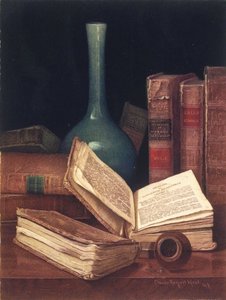
claude raguet hirst
1855 - 1942 , United States of America
Основные сведения
- Artistic Movement Or Style: Realism
- Artists Or Movements Influenced By This Artist:
- Impressionism
- Cubism
- Artists Who Influenced This Artist: ['Jean-François Millet']
- Date Of Birth: 1855
- Date Of Death: 1942
- Full Name: Jean Désiré Gustave Courbet
- Nationality: French
- Notable Artworks:
- The Painter’s Studio
- Bonjour Monsieur Courbet
- The Death of Moses
- Place Of Birth: Ornans, France