

 Предпросмотр
 Поделиться
 Поделиться
 Детали произведения

 Скачать
 Похожие работы
 Рентгенография
 Слайд-шоу
 Статистика
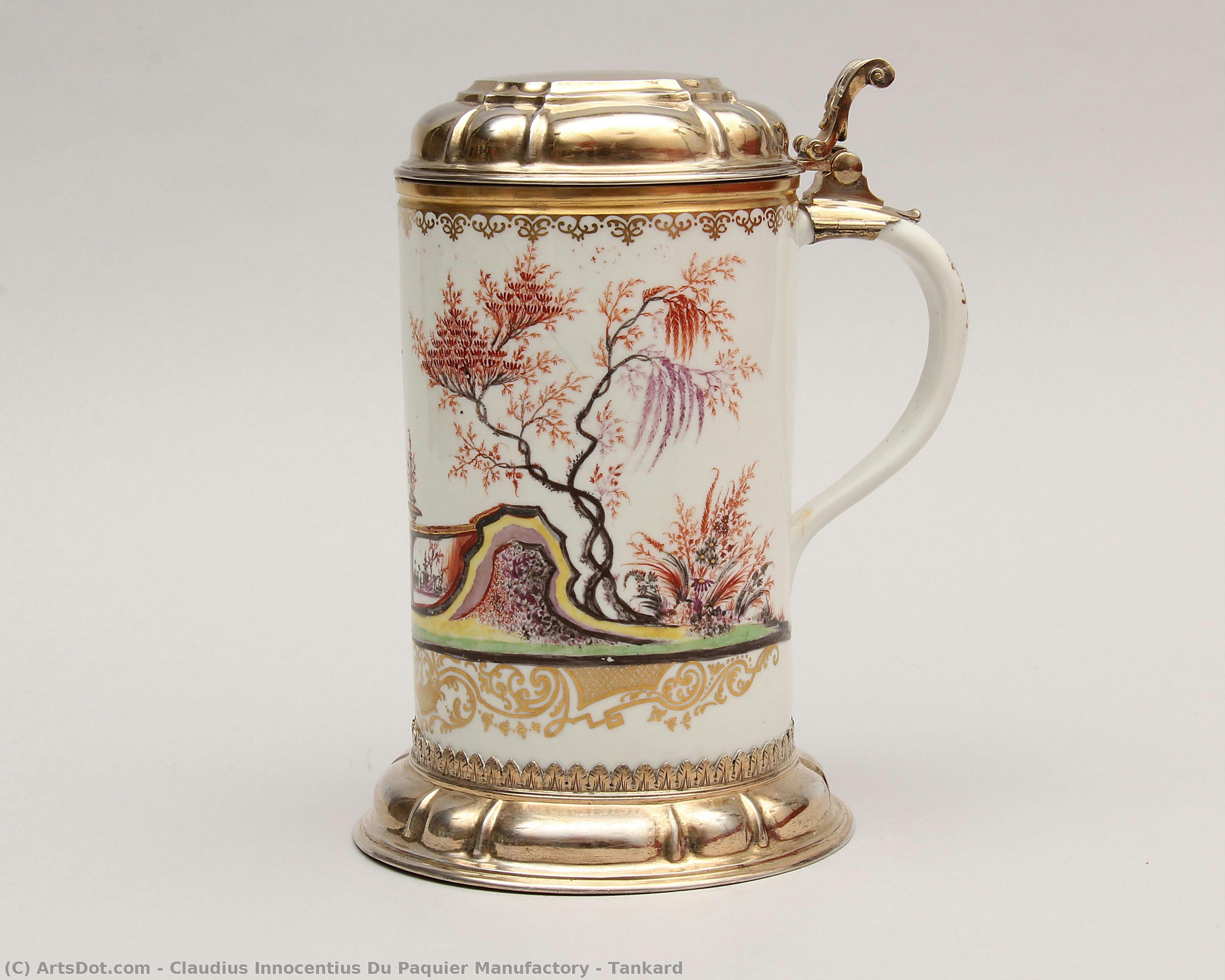
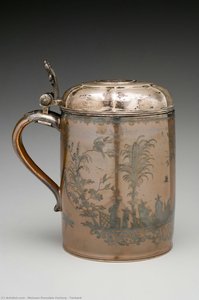
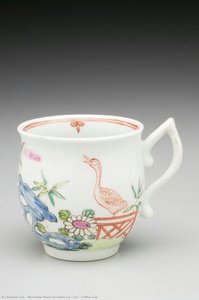
Tankard
 Rococo
 1730
1730 21.0 x 17.0 cm
 Gardiner Museum of Ceramic Art
 Читать далее
Приобретите цифровое изображение высокого разрешения в улучшенном качестве, которое значительно превосходит онлайн-превью.
Каждый файл тщательно подготавливается нашими специалистами с использованием передовых инструментов и экспертной ручной ретуши. Мы гарантируем исключительную четкость, точную цветопередачу и детальную проработку каждого изображения.
Финальный файл доставляется по электронной почте в течение 72 часов и оптимизирован для немедленного использования в профессиональной среде, при верстке и печати. Это тот же уровень качества, которому доверяют ведущие дизайнерские студии, издательства и галереи.
Цифровое изображение
Скачайте файл высокого разрешения для личного использования, печати и творческих проектов. ( Перейти к печати Купить картину ручной работы)
Включено в каждый заказ цифровых изображений
Гарантия экспертной цифровой доставки
Выбирая ArtsDot.com, вы получаете не просто изображение — вы приобретаете профессионально обработанное цифровое произведение искусства, созданное с безупречной точностью и под защитой гарантии качества. Вот всё, что автоматически входит в ваш заказ:

Мгновенная доставка по e-mail
Ваш цифровой файл в высоком разрешении будет отправлен вам по электронной почте в течение 72 часов после оформления заказа — и сразу станет доступен для использования.

Цифровой файл с ИИ-улучшением
Ваше произведение искусства проходит профессиональную оптимизацию с использованием передовых инструментов ИИ и ручной обработки, что гарантирует максимальную детализацию, четкость и точность цветопередачи.

Бессрочная бесплатная повторная доставка
Случайно удалили или потеряли файл? Не беспокойтесь — мы отправим его вам повторно в любое время и совершенно бесплатно.

Без импортных пошлин — навсегда
Наслаждайтесь вашим произведением искусства мгновенно без таможенных пошлин, сборов или затрат на доставку — цифровые загрузки всегда не облагаются налогом.

Гарантия точности цветопередачи
Мы гарантируем, что ваше цифровое изображение максимально точно передает оригинальные цвета благодаря использованию профессиональных инструментов и систем управления цветом.

Гарантия удовлетворенности 100 дней
Если вы не будете удовлетворены своим цифровым изображением, мы внесем правки или вернем 100% стоимости в течение 100 дней — без лишних вопросов.

100% Гарантия возврата средств
Не удовлетворены покупкой? Получите полный возврат средств в течение 100 дней после получения цифрового файла — без лишних вопросов.

Скидки на оптовые заказы
Купите 3 изображения, сэкономьте 10% — Купите 5, сэкономьте 15% — Купите 10+, сэкономьте 20%. Отличное решение для творческих проектов, галерей и агентств.
Похожие произведения
Биография художника
The Porcelain Pioneer: The Legacy of Claudius Innocentius du Paquier
In the grand tapestry of European decorative arts, few names evoke the opulence and technical brilliance of the eighteenth century quite like Claudius Innocentius du Paquier. A figure of immense entrepreneurial vision, du Paquier was not merely a manufacturer but a conductor of artistic excellence who transformed Vienna into a vital center for porcelain production. Born in Amsterdam around 1689, his journey led him to the heart of the Habsburg Empire in 1718, where he secured a prestigious royal charter. This monopoly granted him twenty-five years of exclusive rights to porcelain production within the imperial territories, providing the fertile ground necessary for his ambitious dream to take root and flourish.
The essence of du Paquier’s work lay in a profound reverence for the exotic allure of the East. At a time when the white wares of the Qing dynasty were the ultimate symbols of prestige, he sought to bridge the gap between Asian mastery and European innovation. By recruiting highly skilled artisans from the legendary Meissen factory in Germany, he infused the Viennese tradition with advanced firing techniques and a sophisticated understanding of glaze chemistry. This infusion of German expertise allowed the Du Paquier Manufactory to move beyond mere imitation, creating a distinctive style that blended Rococo elegance with an Orientalist charm that captivated the European aristocracy.
Artistry in Clay: Technique and Aesthetic Brilliance
The aesthetic language of the Du Paquier manufactory was one of delicate movement and vibrant color. The porcelain pieces produced under his direction are celebrated for their Rococo sensibilities—characterized by graceful curves, floral motifs, and a palette of soft pastels punctuated by bold accents. One can observe this mastery in works such as his famous famille rose globular vessels, where intricate blue and white panels depict serene audience scenes on oriental terraces, all enriched with shimmering gold and delicate enamels. The craftsmanship extended to the very structure of the objects, featuring meticulously moulded foliage terminals and whimsical finials that brought a sense of life to the inanimate clay.
Beyond mere decoration, du Paquier was a pioneer of material science in the ceramic arts. He understood that true brilliance required superior ingredients, leading him to champion the use of imported kaolin clay from Stoke-on-Trent. This strategic decision dramatically improved the translucency and structural integrity of his porcelain, setting a new standard for Austrian ceramics. His works often featured complex motifs such as:
- Indianische Blumen: Stylized floral patterns that evoked the beauty of exotic botanical specimens.
- Laub-und Bandelwerk: Intricate foliage and ribbon-like scrollwork that defined the era's ornamental complexity.
- Chinoiserie Elements: Imaginative depictions of Asian landscapes, figures, and mythical creatures like dragons.
Imperial Grandeur and Historical Significance
The influence of the Du Paquier Manufactory reached the highest echelons of European society, gracing the tables and cabinets of Empress Maria Theresa and Joseph II. As a cornerstone of Austrian imperial grandeur, his porcelain served as a potent symbol of the Habsburgs' cultural and economic prowess. The pieces were not merely functional tableware but ceremonial objects of art that communicated status and refined taste. This era of production, often referred to by collectors as Alt Wien (Old Vienna) porcelain, remains one of the most sought-after periods in ceramic history.
Though the original manufactory eventually ceased operations in 1864, the legacy of Claudius Innocentius du Paquier endured. His insistence on meticulous quality control and his ability to synthesize diverse cultural influences laid the groundwork for future generations of Austrian artisans. Today, his work stands as a testament to a period of unparalleled artistic fusion, where the technical rigor of Europe met the poetic imagination of the East, creating a luminous chapter in the history of fine art.
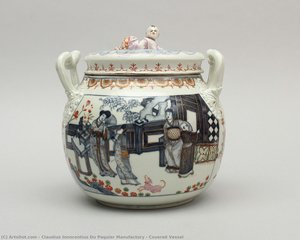
claudius innocentius du paquier manufactory
1718 - , Austria
Основные сведения
- Artistic Movement Or Style: Hard-paste porcelain
- Artists Or Movements Influenced By This Artist: ['European Porcelain Art']
- Artists Who Influenced This Artist: ['Meissen']
- Date Of Death: 1751
- Full Name: Claudius Innocentius du Paquier
- Nationality: Dutch
- Notable Artworks: ['']
- Place Of Birth: Vienna, Austria