

 Предпросмотр
 Поделиться
 Поделиться
 Детали произведения

 Скачать
 Похожие работы
 Рентгенография
 Слайд-шоу
 Статистика
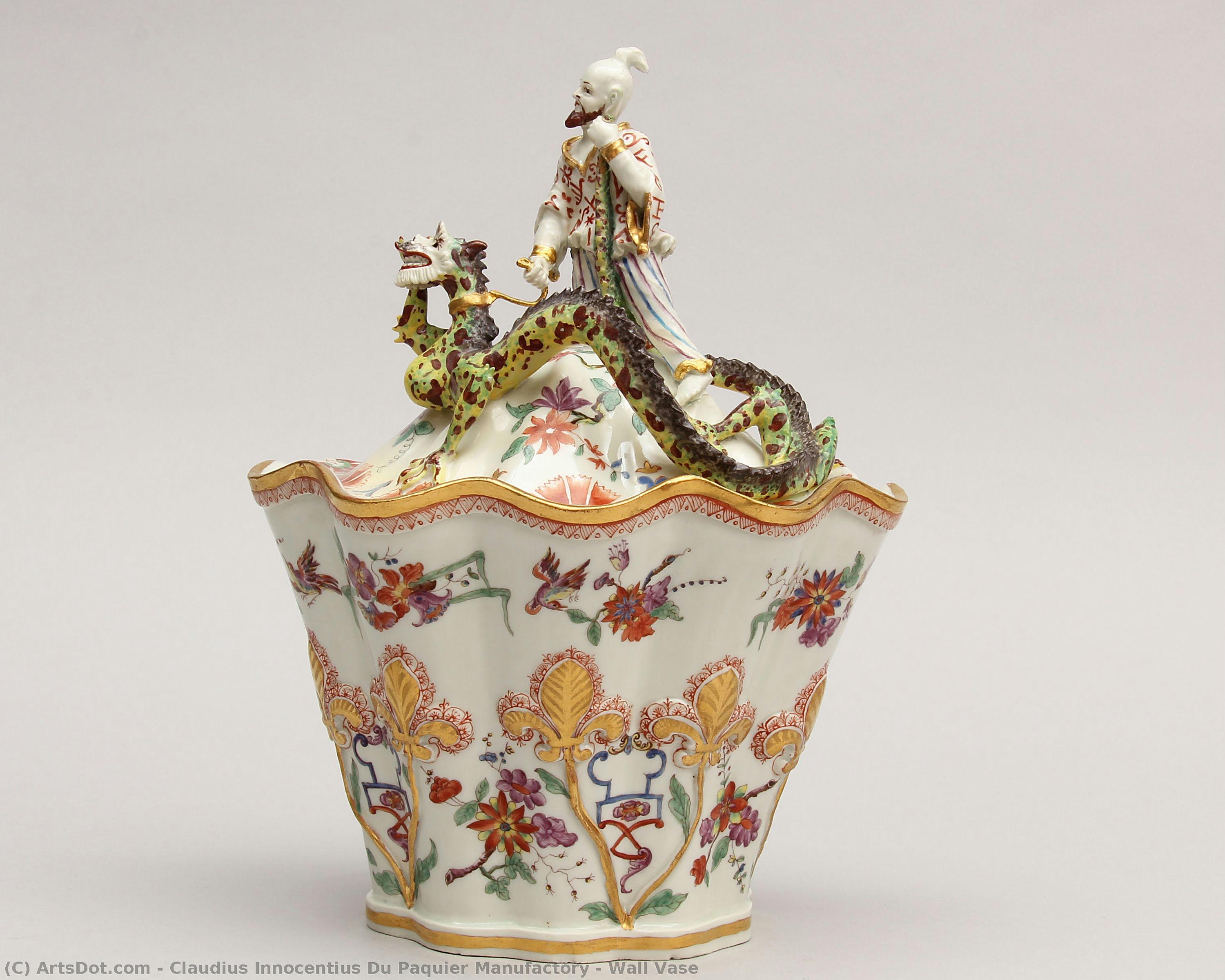
Wall Vase
 1730
1730 14.0 x 18.0 cm
 Gardiner Museum of Ceramic Art
 Читать далее
Масляная репродукция ручной работы
Картина маслом на холсте в выбранном вами размере и раме, написанная на заказ нашими художниками. ( Перейти к печати Перейти к цифровым изображениям)




































Выберите один из наших стандартных размеров, соответствующих оригинальным пропорциям произведения искусства.

Вы можете указать собственные размеры, чтобы картина идеально вписалась в выбранную раму или пространство. Если выбранный вами размер не соответствует пропорциям оригинала, мы либо обрежем полотно, либо расширим его за счет дополнительных элементов, написанных вручную. Цифровой макет будет отправлен вам на утверждение перед началом производства.
Обратите внимание, что предварительный просмотр на экране не отражает фактическую обрезку или расширение. Только макет точно покажет окончательную композицию.
Хотя доступны индивидуальные размеры, мы рекомендуем выбирать вариант из предопределенного списка, чтобы сохранить исходные пропорции.
После оформления заказа команда ArtsDot.com свяжется с клиентом по электронной почте для уточнения деталей и предоставит предварительный макет
Доставка по всему миру () за 3–4 недели вместо стандартных 5 недель. (12 Сентябрь). Без компромиссов в качестве.

Бесплатная экспресс-доставка по всему миру

Высококачественный льняной холст

Полное страхование доставки

Гарантия возмещения таможенных пошлин

Гарантия точного соответствия цветов

100-дневная политика возврата (только при обнаружении дефектов)

Гарантия возврата 100% средств

Предложение оптовых скидок
 Вариант со стеклом доступен только для размеров менее 110 см

Wall Vase
Техника репродукции
Размер репродукции
-


Итоговая стоимость
$ 263
Похожие произведения



Биография художника
The Porcelain Pioneer: The Legacy of Claudius Innocentius du Paquier
In the grand tapestry of European decorative arts, few names evoke the opulence and technical brilliance of the eighteenth century quite like Claudius Innocentius du Paquier. A figure of immense entrepreneurial vision, du Paquier was not merely a manufacturer but a conductor of artistic excellence who transformed Vienna into a vital center for porcelain production. Born in Amsterdam around 1689, his journey led him to the heart of the Habsburg Empire in 1718, where he secured a prestigious royal charter. This monopoly granted him twenty-five years of exclusive rights to porcelain production within the imperial territories, providing the fertile ground necessary for his ambitious dream to take root and flourish.
The essence of du Paquier’s work lay in a profound reverence for the exotic allure of the East. At a time when the white wares of the Qing dynasty were the ultimate symbols of prestige, he sought to bridge the gap between Asian mastery and European innovation. By recruiting highly skilled artisans from the legendary Meissen factory in Germany, he infused the Viennese tradition with advanced firing techniques and a sophisticated understanding of glaze chemistry. This infusion of German expertise allowed the Du Paquier Manufactory to move beyond mere imitation, creating a distinctive style that blended Rococo elegance with an Orientalist charm that captivated the European aristocracy.
Artistry in Clay: Technique and Aesthetic Brilliance
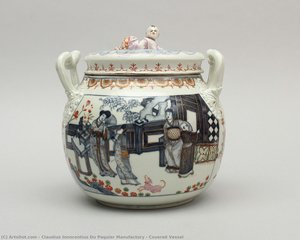
The aesthetic language of the Du Paquier manufactory was one of delicate movement and vibrant color. The porcelain pieces produced under his direction are celebrated for their Rococo sensibilities—characterized by graceful curves, floral motifs, and a palette of soft pastels punctuated by bold accents. One can observe this mastery in works such as his famous famille rose globular vessels, where intricate blue and white panels depict serene audience scenes on oriental terraces, all enriched with shimmering gold and delicate enamels. The craftsmanship extended to the very structure of the objects, featuring meticulously moulded foliage terminals and whimsical finials that brought a sense of life to the inanimate clay.
Beyond mere decoration, du Paquier was a pioneer of material science in the ceramic arts. He understood that true brilliance required superior ingredients, leading him to champion the use of imported kaolin clay from Stoke-on-Trent. This strategic decision dramatically improved the translucency and structural integrity of his porcelain, setting a new standard for Austrian ceramics. His works often featured complex motifs such as:
- Indianische Blumen: Stylized floral patterns that evoked the beauty of exotic botanical specimens.
- Laub-und Bandelwerk: Intricate foliage and ribbon-like scrollwork that defined the era's ornamental complexity.
- Chinoiserie Elements: Imaginative depictions of Asian landscapes, figures, and mythical creatures like dragons.
Imperial Grandeur and Historical Significance
The influence of the Du Paquier Manufactory reached the highest echelons of European society, gracing the tables and cabinets of Empress Maria Theresa and Joseph II. As a cornerstone of Austrian imperial grandeur, his porcelain served as a potent symbol of the Habsburgs' cultural and economic prowess. The pieces were not merely functional tableware but ceremonial objects of art that communicated status and refined taste. This era of production, often referred to by collectors as Alt Wien (Old Vienna) porcelain, remains one of the most sought-after periods in ceramic history.
Though the original manufactory eventually ceased operations in 1864, the legacy of Claudius Innocentius du Paquier endured. His insistence on meticulous quality control and his ability to synthesize diverse cultural influences laid the groundwork for future generations of Austrian artisans. Today, his work stands as a testament to a period of unparalleled artistic fusion, where the technical rigor of Europe met the poetic imagination of the East, creating a luminous chapter in the history of fine art.
claudius innocentius du paquier manufactory
1718 - , Austria
Основные сведения
- Artistic Movement Or Style: Hard-paste porcelain
- Artists Or Movements Influenced By This Artist: ['European Porcelain Art']
- Artists Who Influenced This Artist: ['Meissen']
- Date Of Death: 1751
- Full Name: Claudius Innocentius du Paquier
- Nationality: Dutch
- Notable Artworks: ['']
- Place Of Birth: Vienna, Austria