 Предпросмотр
 Поделиться
 Поделиться
 Детали произведения

 Скачать
 Похожие работы
 Рентгенография
 Слайд-шоу
 Статистика
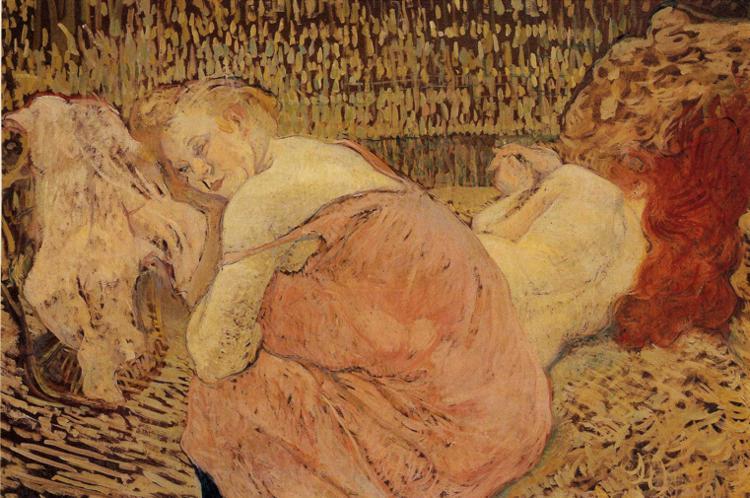
Two Friends


 Читать далее
Жикле / Арт-принт
Печать (жикле) или холст музейного качества с быстрыми сроками изготовления и широким выбором вариантов отделки. ( Купить картину ручной работы Перейти к цифровым изображениям)




P118B $10

P118H $10

P118W $10

P438Z $10

P508JH $12

P508YH $12

P805H $10

P805Z $10

P919BZ $10

P919G $10

P919XJ $10

P959ZH $10

P968JZ $12

W106C $8

W218G $10

W218JH $8

W218Y $10

W307PJ $10

W316G $10

W316PJ $8

W316Y $10

W398PJ $8

W4111J $10

W500HY $15

W500JH $15

W692G $12

W849H $8

W940BG $15

W953PJ $8




Выберите один из наших стандартных размеров, соответствующих оригинальным пропорциям произведения искусства.

Вы можете указать свои собственные размеры, чтобы репродукция идеально подошла под конкретную раму или пространство. Если выбранный вами размер не будет соответствовать пропорциям оригинала, мы либо обрежем произведение, либо дополним изображение зеркальным отражением краев или однотонной заливкой. Перед началом производства вам будет отправлен цифровой макет для утверждения.
Пожалуйста, обратите внимание, что предварительный просмотр на экране не отображает фактическую обрезку или расширение изображения. Только макет точно покажет финальную композицию.
Несмотря на возможность заказа индивидуальных размеров, мы рекомендуем выбирать размер из предопределенного списка, чтобы сохранить оригинальные пропорции.
Доставка по всему миру () за 2 недели вместо стандартных 4/5 недель. (13 Сентябрь)

Бесплатная экспресс-доставка по всему миру

Высококачественный льняной холст

Полное страхование доставки

Гарантия возмещения таможенных пошлин

Гарантия точного соответствия цветов

100-дневная политика возврата (только при обнаружении дефектов)

Гарантия возврата 100% средств

Предложение оптовых скидок
 Вариант со стеклом доступен только для размеров менее 110 см

Two Friends
Жикле / Арт-принт
Размер репродукции
-


Итоговая стоимость
$ 62
Two Friends by Henri de Toulouse-Lautrec: A Study in Parisian Intimacy
Henri de Toulouse-Lautrec’s “Two Friends” (1895) is more than just a depiction of two women reclining in a bed; it's a meticulously crafted snapshot of late 19th-century Parisian life, imbued with the artist’s signature blend of observation and romanticism. Painted during a pivotal moment in his career, this oil on panel work exemplifies Post-Impressionism’s rejection of purely objective representation, opting instead to capture the emotional atmosphere and social currents swirling within Montmartre's vibrant heart. The painting immediately draws the viewer into a scene of quiet intimacy, a world away from the grand narratives favored by many of his contemporaries.
The composition itself is deceptively simple. Two women – one in a flowing pink gown, the other in crisp white – occupy the central space, their bodies intertwined yet retaining a distinct sense of individual presence. The room, rendered with soft lighting and warm hues, feels both luxurious and slightly worn, suggesting a comfortable familiarity rather than ostentatious display. Notice the subtle details: the pillows adorning the bed, the chair positioned near the right side, elements that contribute to the painting’s overall feeling of domestic tranquility. Lautrec's masterful use of line – bold and decisive – guides the eye across the canvas, anchoring the figures within their environment while simultaneously conveying a sense of movement and relaxed repose.
The Artist's Vision: Post-Impressionism and Montmartre
Toulouse-Lautrec’s artistic approach was deeply rooted in his experiences as an observer of Parisian society. He wasn’t interested in painting idealized portraits or grand historical scenes; instead, he sought to capture the raw energy and often melancholic beauty of everyday life – particularly within the bohemian circles of Montmartre. This fascination with the marginalized and unconventional is a hallmark of his work, reflecting a sympathetic understanding of those living outside the constraints of bourgeois society.
As a key figure in Post-Impressionism, Lautrec moved beyond the Impressionists’ focus on fleeting moments of light and color. While he retained an appreciation for vibrant hues, he employed them with greater purpose – to evoke emotion, to define form, and to create a sense of atmosphere. The painting's warm palette—the pinks, whites, and browns—contributes significantly to the feeling of comfort and intimacy, contrasting subtly with the potential social commentary inherent in depicting this private scene.
Symbolism and Emotional Resonance
Beyond its immediate visual appeal, “Two Friends” is rich in symbolic undertones. The act of reclining together suggests a shared connection, perhaps a flirtation or a deeper bond. The women’s attire – elegant yet understated – speaks to their social standing while simultaneously hinting at a certain freedom and independence. Lautrec's ability to capture such nuanced emotions through simple gestures and expressions is what elevates this painting beyond mere representation.
The subtle background details, including the smaller figures, serve not as distractions but as elements that enrich the narrative. They represent the broader social context of Montmartre – a place where artists, performers, and prostitutes mingled freely, creating a vibrant and often chaotic atmosphere. This painting is a testament to Lautrec’s ability to distill complex emotions and social realities into a single, unforgettable image.
A Legacy of Parisian Charm
"Two Friends" stands as a quintessential example of Toulouse-Lautrec's artistic genius and his profound connection to the spirit of Paris. His work continues to resonate with viewers today, offering a glimpse into a bygone era and reminding us of the enduring power of art to capture both beauty and truth. Reproductions of this captivating piece allow you to bring this iconic image into your own space, celebrating the legacy of one of France’s most beloved artists.
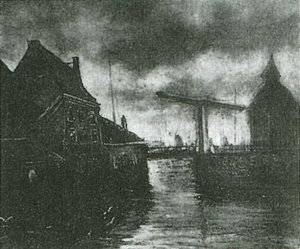
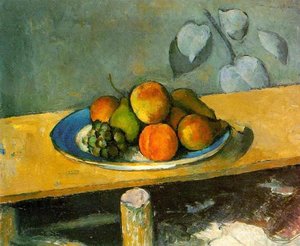
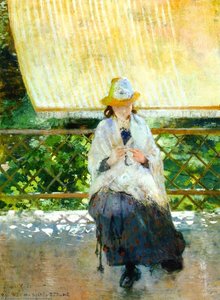
Похожие произведения

Биография художника
Henri de Toulouse-Lautrec: A Life Painted in Parisian Shadows
Henri Marie Raymond de Toulouse-Lautrec-Monfa, universally known as Toulouse-Lautrec, remains one of the most captivating and enigmatic figures of late 19th-century France. Born into a crumbling aristocratic lineage in Albi on November 24, 1864, his life was a poignant blend of privilege and profound physical limitation. A rare genetic condition – suspected to be pycnodysostosis, though the exact diagnosis remains debated – dramatically stunted his leg growth, resulting in a disproportionate physique that profoundly shaped his artistic vision and his perception of the world. Rather than succumbing to despair, Toulouse-Lautrec channeled this unique perspective into an intensely observant and empathetic engagement with the marginalized inhabitants of Parisian society—the dancers, prostitutes, and performers who populated the vibrant, often scandalous, world of Montmartre. His aristocratic background afforded him access to artistic training, yet it was the raw energy and unvarnished realities of Montmartre that truly ignited his creative spirit, propelling him beyond academic constraints and into a realm of unprecedented artistic freedom.From Formal Training to Bohemian Immersion
Toulouse-Lautrec’s formal artistic education began in Paris under the tutelage of Léon Bonnat and later Fernand Cormon. While he diligently mastered the technical skills expected of a Salon painter – precise draftsmanship, tonal harmony, and careful observation – it was his immersion into the bohemian heart of Montmartre that irrevocably altered his trajectory. He deliberately rejected the prevailing academic focus on historical or mythological subjects, choosing instead to capture the everyday dramas unfolding around him with startling immediacy. His gaze turned towards the dancers at the Moulin Rouge, the prostitutes of the rue des Moulins, the circus performers and café singers who constituted the colorful tapestry of Parisian nightlife. This wasn’t merely a detached observation; it was an active engagement—a deep dive into a world often deliberately ignored by polite society. Toulouse-Lautrec didn't simply *paint* these people; he inhabited their spaces, striving to understand their vulnerabilities, their resilience, and their unique beauty. His early works demonstrate a clear foundation in academic technique, but they quickly evolve, embracing a more daring and unconventional style—a stylistic shift heavily influenced by the evocative imagery of Japanese woodblock prints, which were then gaining popularity throughout Europe, characterized by bold compositions, flattened perspectives, and an emphasis on line.The Language of Line and Color: Defining a Distinctive Style
Toulouse-Lautrec’s artistic innovations are immediately apparent in his distinctive style. He was a master of line—not merely to delineate form but to convey movement, emotion, and character with remarkable fluidity. His lines seemed to vibrate with energy, capturing the fleeting moments of Parisian life. His color palette, while often muted and subtly shaded, possessed an extraordinary vibrancy – a carefully orchestrated blend of ochres, blues, and greens that captured the artificial glow of gaslight, the smoky atmosphere of cabaret halls, and the intimate lighting of bedrooms. He was particularly adept at using lithography—a technique he embraced with enthusiasm—recognizing its potential for mass reproduction while simultaneously allowing him to experiment with intricate detail and expressive textures. This medium enabled him to create a vast body of work – over 400 prints and 31 posters – that cemented his reputation as a chronicler of modern life, transforming advertising into a form of fine art. His posters—for the Moulin Rouge, Jane Avril, Yvette Guilbert, and other prominent figures—were not simply promotional materials; they were meticulously crafted works of art, instantly recognizable for their dynamic compositions, striking imagery, and captivating energy. The iconic *La Blanchisseuse*, sold at auction for $22.4 million in 2005, stands as a testament to his early talent, but it is the later depictions of Montmartre—a vibrant microcosm of Parisian society—that truly define his legacy.A Portrait of an Outsider: Life and Legacy
Toulouse-Lautrec’s life was tragically cut short on September 9, 1901, at the age of 36, a consequence of years battling alcoholism and syphilis. Despite this premature demise, his impact on the art world is immeasurable. He stands as a pivotal figure in the transition from Impressionism to modern art—a bridge between the fleeting impressions of the past and the subjective explorations of the future. He was recognized alongside Cézanne, Van Gogh, Gauguin, and Seurat as a key Post-Impressionist painter, each pushing the boundaries of artistic expression. Toulouse-Lautrec’s influence can be seen in everything from early 20th-century illustration to contemporary graphic design—a testament to his enduring appeal. He didn't merely paint what he saw; he revealed a hidden world—a vibrant and often contradictory portrait of Parisian society, challenging conventional notions of beauty and morality. His work continues to resonate today, reminding us of the power of art to illuminate the human condition in all its complexity and contradiction.Exploring Toulouse-Lautrec’s World Further
- Discover a comprehensive collection of his artwork at /en/artists/comte-henri-marie-raymond-de-toulouse-lautrec-monfa.
- Delve into the world of Post-Impressionism and its key artists at /en/art-movements/post-impressionism.
- Learn more about his life and artistic journey through resources like Wikipedia: https://en.wikipedia.org/wiki/Henri_de_Toulouse-Lautrec
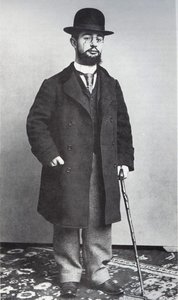
comte henri marie raymond de toulouse-lautrec-monfa
1864 - 1901 , Франция
Основные сведения
- Artistic Movement Or Style: Постимпрессионизм
- Artists Or Movements Influenced By This Artist: ['Пост-импрессионизм']
- Artists Who Influenced This Artist:
- Леон Бонна
- Фернан Кормон
- Date Of Birth: 24 ноября 1864 г.
- Date Of Death: 9 сентября 1901 г.
- Full Name: Henri Marie Raymond de Toulouse-Lautrec-Monfa
- Nationality: Француз
- Notable Artworks:
- La Blanchisseuse
- В тени цирка
- Женщина в постели
- Place Of Birth: Альби, Франция