

 Предпросмотр
 Поделиться
 Поделиться
 Детали произведения

 Скачать
 Похожие работы
 Рентгенография
 Слайд-шоу
 Статистика
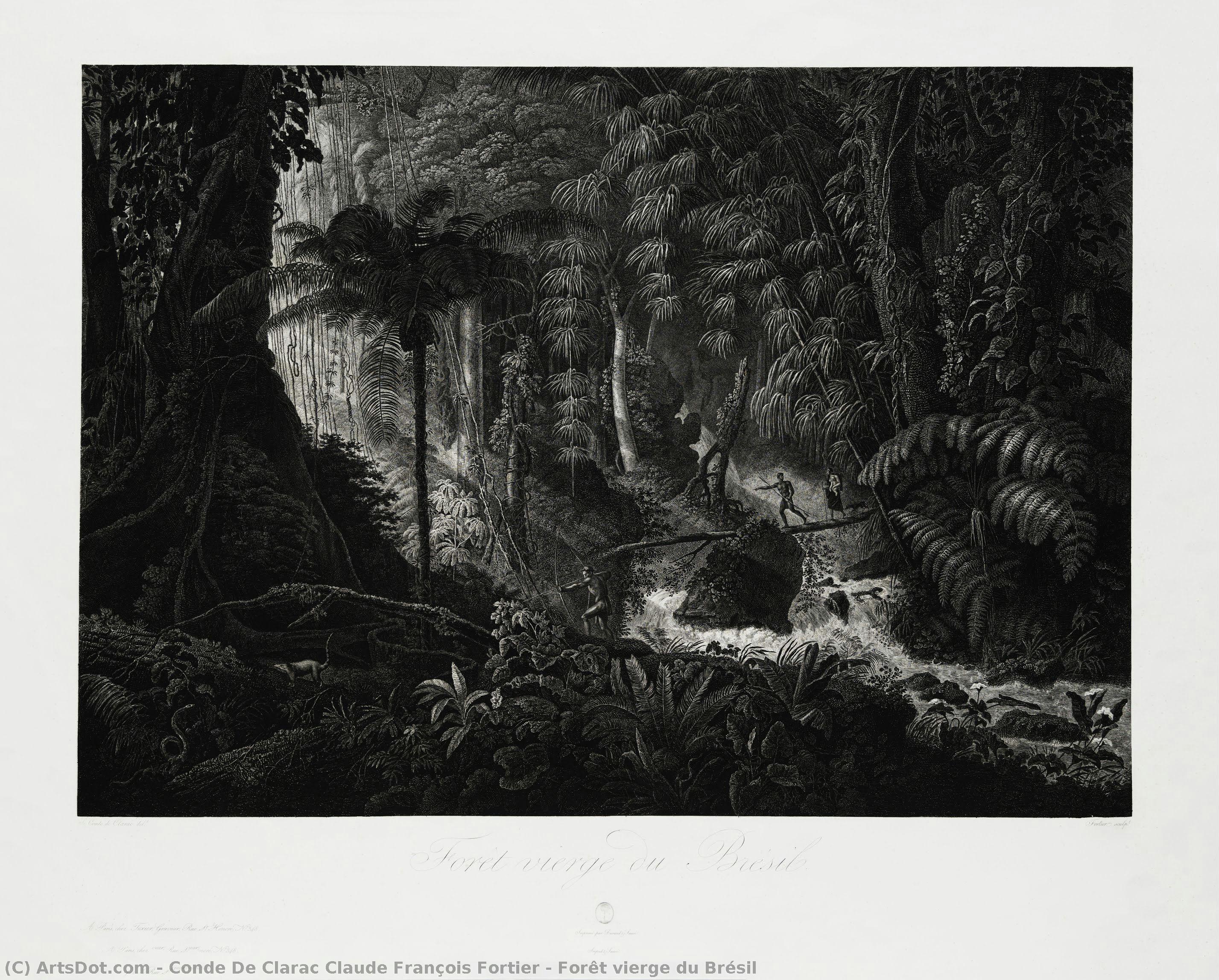
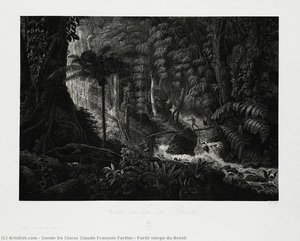
Forêt vierge du Brésil
 Romanticism
 1822
1822 2.0 x 76.0 cm
 Itaú Cultural Institute
 Читать далее
Масляная репродукция ручной работы
Картина маслом на холсте в выбранном вами размере и раме, написанная на заказ нашими художниками. ( Перейти к печати Перейти к цифровым изображениям)
































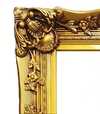
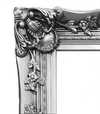
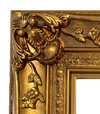
Выберите один из наших стандартных размеров, соответствующих оригинальным пропорциям произведения искусства.

Вы можете указать собственные размеры, чтобы картина идеально вписалась в выбранную раму или пространство. Если выбранный вами размер не соответствует пропорциям оригинала, мы либо обрежем полотно, либо расширим его за счет дополнительных элементов, написанных вручную. Цифровой макет будет отправлен вам на утверждение перед началом производства.
Обратите внимание, что предварительный просмотр на экране не отражает фактическую обрезку или расширение. Только макет точно покажет окончательную композицию.
Хотя доступны индивидуальные размеры, мы рекомендуем выбирать вариант из предопределенного списка, чтобы сохранить исходные пропорции.
После оформления заказа команда ArtsDot.com свяжется с клиентом по электронной почте для уточнения деталей и предоставит предварительный макет
Доставка по всему миру () за 3–4 недели вместо стандартных 5 недель. (13 Сентябрь). Без компромиссов в качестве.

Бесплатная экспресс-доставка по всему миру

Высококачественный льняной холст

Полное страхование доставки

Гарантия возмещения таможенных пошлин

Гарантия точного соответствия цветов

100-дневная политика возврата (только при обнаружении дефектов)

Гарантия возврата 100% средств

Предложение оптовых скидок
 Вариант со стеклом доступен только для размеров менее 110 см

Forêt vierge du Brésil
Техника репродукции
Размер репродукции
-


Итоговая стоимость
$ 288
Похожие произведения

![Vida De Miguel De Cervantes Saavedra (life Of Miguel De Cervantes Saavedra). Book V Of The Edition Of Don Quixote (biblioteca Nacional De España)\n\n[7] — Martín Fernández De Navarrete Y Ximénez De Tejada, Academic Art](/media/artworks/images-thumb/8c/b6/8cb67a4dd450447373a546c8dd039e57.jpg)
Биография художника
Claude-François Fortier: A Pioneer of Brazilian Naturalism
Born in Paris in 1775, Claude-François Fortier was more than just a painter; he was a polymath—a meticulous observer and recorder of the natural world, an archaeologist fascinated by ancient civilizations, and a skilled illustrator who profoundly shaped the visual landscape of his era. His career spanned several decades, marked by expeditions to distant lands, collaborations with leading scientists, and a dedication to capturing the essence of both European culture and the exotic wonders of South America. Fortier’s legacy lies not only in the beauty of his artwork but also in his pioneering role as one of the first Western artists to systematically document and interpret the flora, fauna, and archaeological sites of Brazil.
Fortier's early artistic training was rigorous, encompassing painting, engraving, and lithography. He honed his technical skills under the tutelage of prominent artists, developing a keen eye for detail and an understanding of color theory that would become hallmarks of his work. His draftsman’s skill was particularly noteworthy; he produced intricate drawings showcasing a mastery of line and form—a foundation upon which he built his larger compositions. This early training instilled in him a methodical approach to observation and representation, crucial elements in his later explorations.
The Egyptian Expedition and the Birth of a New Style
Fortier’s career took a dramatic turn with his appointment as a tutor to the children of Joachim Murat, King of Naples, in 1808. Murat's archaeological excavations at Pompeii provided Fortier with an unprecedented opportunity to immerse himself in ancient Roman life and art. This experience profoundly influenced his artistic style, shifting him towards a more naturalistic approach. However, it was his subsequent journey to Brazil, beginning in 1816, that truly defined his artistic trajectory. He joined the expedition led by Auguste de Saint-Hilaire, a renowned botanist, embarking on a remarkable exploration of the Amazon rainforest and its surrounding regions.
During this expedition, Fortier’s role expanded beyond mere illustration. He became an active participant in documenting the newly discovered flora and fauna, meticulously sketching plants, animals, and landscapes. His artistic style evolved dramatically, incorporating vibrant colors and exotic motifs—a direct reflection of his immersion in the Amazonian environment. The influence of Saint-Hilaire's scientific observations is evident in Fortier’s work; he didn’t simply depict what he saw but sought to understand and represent the complex ecological relationships within the rainforest.
Notable Works: A Testament to Observation
Among Fortier’s most celebrated works is “Forêt vierge du Brésil” (Virgin Forest of Brazil), an exquisite engraving created in 1822. This piece, currently housed at the Itaú Cultural Institute in São Paulo, exemplifies his artistic prowess and meticulous attention to detail. The monochrome image captures a dense Brazilian forest scene with remarkable realism—a testament to Fortier’s observational skills and his ability to convey depth and atmosphere through line and shading. The work is not merely a depiction of nature; it's an exploration of light, texture, and the intricate patterns found within the rainforest ecosystem.
Beyond “Forêt vierge du Brésil,” Fortier’s contributions include illustrations for "Voyage dans la basse et haute égypte" (Journey in Lower and Upper Egypt), a significant work documenting the archaeological discoveries made during Napoleon's campaign. His detailed renderings of Egyptian monuments, artifacts, and landscapes provided invaluable visual documentation for scholars and historians. His artistic style was adapted to accurately represent ancient structures and people, showcasing his versatility as an artist.
Legacy and Enduring Influence
Claude-François Fortier’s legacy extends far beyond the individual artworks he produced. He played a crucial role in shaping the development of botanical illustration and archaeological documentation during a period of significant scientific exploration. His meticulous approach to observation, combined with his artistic skill, set a new standard for representing the natural world. His work continues to be admired for its beauty, accuracy, and insightful portrayal of both European culture and the wonders of Brazil.
Fortier’s influence can be seen in the works of subsequent artists who followed in his footsteps, particularly those interested in depicting exotic landscapes and documenting scientific discoveries. His legacy is preserved through his paintings, engravings, and illustrations, which are displayed in museums such as the Musée des Beaux-Arts Strasbourg, France, and other notable institutions worldwide. Claude-François Fortier remains a significant figure in art history—a pioneer who bridged the gap between artistic expression and scientific observation.
conde de clarac claude françois fortier
1775 - 1835 , France
Основные сведения
- Artistic Movement Or Style: Illustrator, archaeologist
- Artists Or Movements Influenced By This Artist:
- Botanical illustration
- Vintage print
- Artists Who Influenced This Artist:
- Auguste de Saint-hilaire
- Joachim Murat
- Date Of Birth: April 10, 1775
- Date Of Death: 1835
- Full Name: Claude-François Fortier
- Nationality: French
- Notable Artworks:
- Forêt vierge du Brésil
- Voyage d'Égypte
- Place Of Birth: Paris, France
Похожие статьи
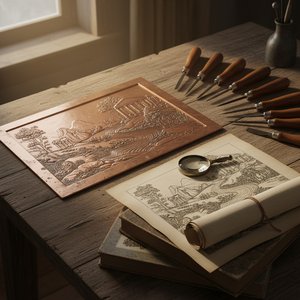
Engraving: A Historical Survey of Technique, Artistic Expression & Enduring Legacy
Explore the rich history of engraving with ArtsDot. Discover techniques, iconic artists like Dürer & Callot, collecting tips, and expert guidance for preserving your art investment. Learn about intaglio printing & more!
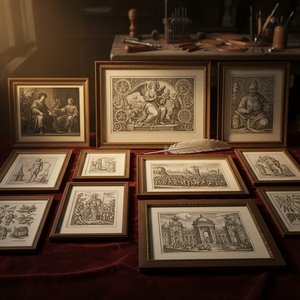
10 шедевров гравюры, изменивших искусство навсегда | ArtsDot
Откройте для себя 10 легендарных шедевров гравюры от Дюрера, Гойи и Рембрандта! Узнайте историю создания этих культовых работ и их влияние на искусство. Репродукции высокого качества для вашего интерьера – ArtsDot.
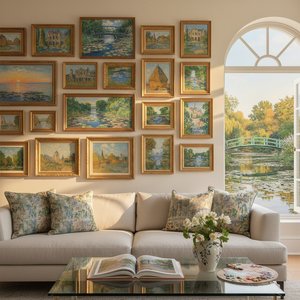
Топ-25 шедевров Клода Моне: Искусство света и импрессионизма для вашего интерьера
Погрузитесь в мир Клода Моне! 25 шедевров импрессионизма, от "Водных лилий" до знаменитых пейзажей. Узнайте историю создания картин и вдохновитесь для декора интерьера. Репродукции музейного качества на ArtsDot.com.

Топ-25 шедевров Гойи: от придворного портрета до мрачных пророчеств | ArtsDot
Погрузитесь в мир гения Франсиско Гойи! 🎨 От придворных портретов до мрачных "Капричос" – исследуйте топ-25 шедевров испанского романтизма. Купите репродукции картин Гойи музейного качества на ArtsDot.com и украсьте свой интерьер искусством.

О нас
Откройте для себя нашу историю! Мы привносим искусство мирового класса в вашу жизнь благодаря экспертному отбору, индивидуальным заказам и бесплатным обзорам. Одобрено частными лицами и компаниями с 2000 года.