

 Предпросмотр
 Поделиться
 Поделиться
 Детали произведения

 Скачать
 Похожие работы
 Рентгенография
 Слайд-шоу
 Статистика
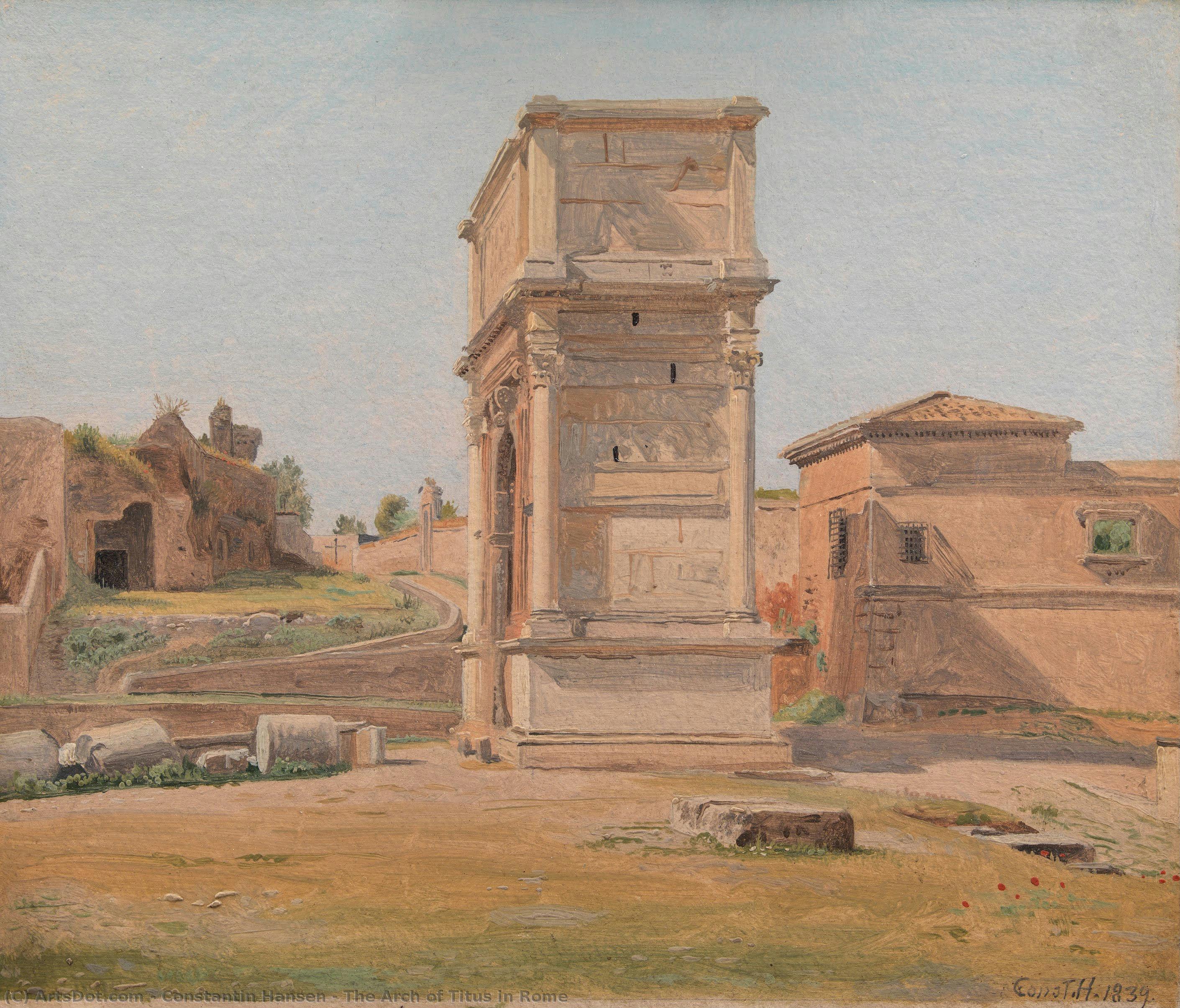
The Arch of Titus in Rome
 Oil On Canvas
- WallArt
 1839
1839 29.0 x 24.0 cm
 Национальная галерея Дании
 Читать далее
Приобретите цифровое изображение высокого разрешения в улучшенном качестве, которое значительно превосходит онлайн-превью.
Каждый файл тщательно подготавливается нашими специалистами с использованием передовых инструментов и экспертной ручной ретуши. Мы гарантируем исключительную четкость, точную цветопередачу и детальную проработку каждого изображения.
Финальный файл доставляется по электронной почте в течение 72 часов и оптимизирован для немедленного использования в профессиональной среде, при верстке и печати. Это тот же уровень качества, которому доверяют ведущие дизайнерские студии, издательства и галереи.
Цифровое изображение
Скачайте файл высокого разрешения для личного использования, печати и творческих проектов. ( Перейти к печати Купить картину ручной работы)
Включено в каждый заказ цифровых изображений
Гарантия экспертной цифровой доставки
Выбирая ArtsDot.com, вы получаете не просто изображение — вы приобретаете профессионально обработанное цифровое произведение искусства, созданное с безупречной точностью и под защитой гарантии качества. Вот всё, что автоматически входит в ваш заказ:

Мгновенная доставка по e-mail
Ваш цифровой файл в высоком разрешении будет отправлен вам по электронной почте в течение 72 часов после оформления заказа — и сразу станет доступен для использования.

Цифровой файл с ИИ-улучшением
Ваше произведение искусства проходит профессиональную оптимизацию с использованием передовых инструментов ИИ и ручной обработки, что гарантирует максимальную детализацию, четкость и точность цветопередачи.

Бессрочная бесплатная повторная доставка
Случайно удалили или потеряли файл? Не беспокойтесь — мы отправим его вам повторно в любое время и совершенно бесплатно.

Без импортных пошлин — навсегда
Наслаждайтесь вашим произведением искусства мгновенно без таможенных пошлин, сборов или затрат на доставку — цифровые загрузки всегда не облагаются налогом.

Гарантия точности цветопередачи
Мы гарантируем, что ваше цифровое изображение максимально точно передает оригинальные цвета благодаря использованию профессиональных инструментов и систем управления цветом.

Гарантия удовлетворенности 100 дней
Если вы не будете удовлетворены своим цифровым изображением, мы внесем правки или вернем 100% стоимости в течение 100 дней — без лишних вопросов.

100% Гарантия возврата средств
Не удовлетворены покупкой? Получите полный возврат средств в течение 100 дней после получения цифрового файла — без лишних вопросов.

Скидки на оптовые заказы
Купите 3 изображения, сэкономьте 10% — Купите 5, сэкономьте 15% — Купите 10+, сэкономьте 20%. Отличное решение для творческих проектов, галерей и агентств.
A Moment Frozen in Roman Light: Constantin Hansen’s Study of the Arch of Titus
- Provenance: 1839, Oil on Canvas, 29 x 24 cm
- Artist: Constantin Hansen (1804-1880) – A Pioneer of Danish Romanticism
- Description: This captivating artwork offers a rare glimpse into the creative process of Constantin Hansen, one of Denmark’s most significant artists. Painted during a period of intense experimentation and artistic exploration, it presents a compelling study of the Arch of Titus in Rome – not as a conventional tourist view, but as a deeply personal investigation of form, light, and color.
Unconventional Perspective: Breaking with Tradition
Constantin Hansen’s approach to this subject is strikingly unconventional. Rather than depicting the Arch of Titus from its formal front elevation, he chooses a side view, dramatically shortening the façade and creating a dynamic sense of space. This deliberate distortion immediately signals a departure from the academic conventions prevalent at the time. The artist's intention was clearly not to create a faithful representation for travel or documentation; instead, it served as a crucial study for his own artistic development. This bold choice reflects Hansen’s desire to challenge established norms and explore new avenues of expression – a characteristic that would become increasingly important in his later work.Eckersberg's Influence and a Radical Shift
The painting reveals the profound influence of C.W. Eckersberg, Hansen’s influential teacher, particularly in its architectural studies. However, Hansen transcends Eckersberg’s meticulous realism, pushing the subject matter into a realm of heightened emotional intensity. He dismantles the traditional association between architecture and its symbolic function, presenting the Arch of Titus as an object of pure visual experience. This radical shift foreshadows the burgeoning Impressionist movement, thirty years later, with its focus on capturing fleeting moments of light and color.A Symphony of Light and Shadow: Technique and Color
The remarkable treatment of color is a defining feature of this artwork. Hansen demonstrates an extraordinary sensitivity to the delicate interplay of sunlight and shadow, meticulously rendering the subtle hues that shift across the stone surfaces. This masterful use of light not only creates a sense of realism but also imbues the scene with a palpable atmosphere – a testament to Hansen’s burgeoning understanding of color theory. The artist's exploration of chromatic effects anticipates the techniques employed by Impressionist painters, solidifying his position as a visionary ahead of his time. The painting’s subdued palette and nuanced shading evoke a sense of quiet contemplation and timeless beauty.Symbolism and Emotional Resonance
Beyond its technical brilliance, the artwork possesses a subtle emotional resonance. The solitary figure observing the Arch of Titus adds an element of human scale to the monumental structure, inviting viewers to contemplate their own relationship with history, architecture, and the passage of time. The scene evokes a sense of awe and wonder at the enduring legacy of Roman civilization, while simultaneously highlighting Hansen’s artistic ambition and his willingness to push boundaries. This piece is more than just a depiction of an ancient monument; it's a meditation on art itself – its purpose, its power, and its ability to transcend time.Похожие произведения



Биография художника
early life and training
artistic career
initially, hansen studied architecture but later shifted his focus to painting under christoffer wilhelm eckersberg in 1828. following the loss of both parents due to typhus, hansen became the sole supporter of his younger sisters and took over several commissions, including those for the portrait collection at frederiksborg palace and decorative paintings for christiansborg palace.travel and inspiration
between 1835 and 1837, hansen received a two-year stipend to travel abroad, which he extended by an additional year. his travels took him through berlin, dresden, prague, nuremberg, and munich before arriving in italy, where he met fellow dane bertel thorvaldsen. this period significantly influenced his work, as seen innotable works and legacy
- hansen's contributions to the university of copenhagen's vestibule on frue plads, which he decorated with mythological figures from 1844 to 1853.
museums and collections
discover more about constantin hansen's work at:- thorvaldsens museum, copenhagen, denmark, which features works by bertel thorvaldsen and other danish artists.
- constantin hansen's profile on ArtsDot.com, showcasing his notable paintings and artistic style.
conclusion
constantin hansen, a prominent figure in the golden age of danish painting, left an indelible mark on the art world with his captivating works. through his travels and inspirations, he contributed to the rich cultural heritage of denmark, which can be explored further through ArtsDot.com.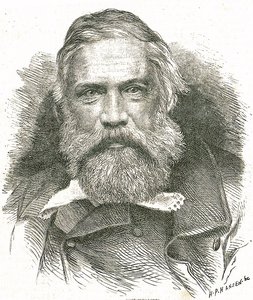
Constantin Hansen
1804 - 1880 , Italy
Основные сведения
- Artistic Movement Or Style: Romanticism art
- Artists Or Movements Influenced By This Artist: ['Bertel Thorvaldsen']
- Artists Who Influenced This Artist: ['Christoffer Wilhelm Eckersberg']
- Date Of Birth: November 3, 1804
- Date Of Death: March 29, 1880
- Full Name: Constantin Hansen
- Nationality: Danish
- Notable Artworks:
- A Group of Danish Artists in Rome
- Portrait of Frederikke Vilhelmine Hage, née Faber
- Place Of Birth: Rome, Italy