

 Предпросмотр
 Поделиться
 Поделиться
 Детали произведения

 Скачать
 Похожие работы
 Рентгенография
 Слайд-шоу
 Статистика
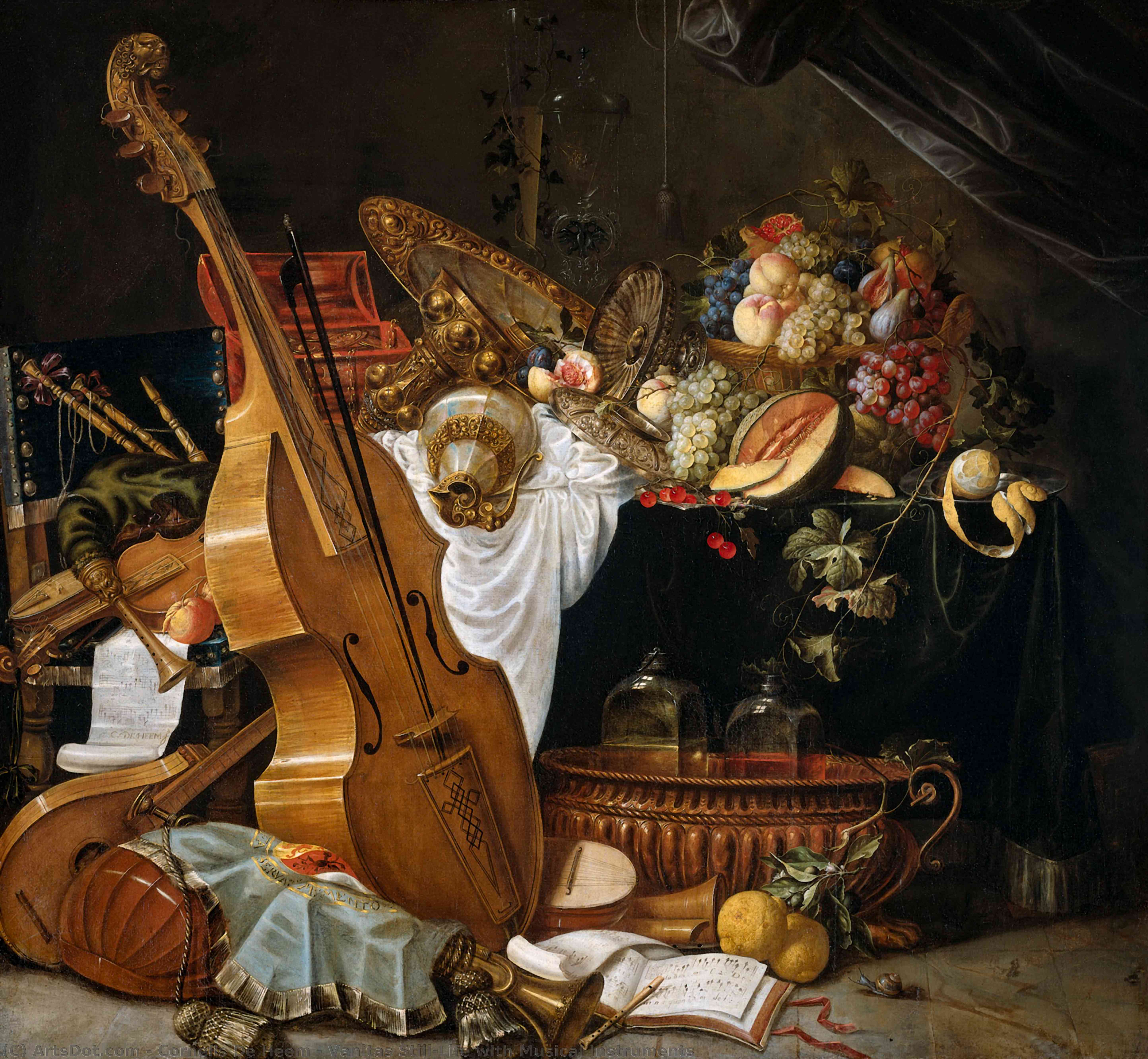
Vanitas Still-Life with Musical Instruments
 Oil On Canvas
- WallArt
- Dutch Golden Age
 153.0 x 166.0 cm
 Рейксмюзеум
 Читать далее
Масляная репродукция ручной работы
Картина маслом на холсте в выбранном вами размере и раме, написанная на заказ нашими художниками. ( Перейти к печати Перейти к цифровым изображениям)




P118B $10

P118H $10

P118W $10

P438Z $10

P508JH $12

P508YH $12

P805H $10

P805Z $10

P919BZ $10

P919G $10

P919XJ $10

P959ZH $10

P968JZ $12

W106C $8

W218G $10

W218JH $8

W218Y $10

W307PJ $10

W316G $10

W316PJ $8

W316Y $10

W398PJ $8

W4111J $10

W500HY $15

W500JH $15

W692G $12

W849H $8

W940BG $15

W953PJ $8




Выберите один из наших стандартных размеров, соответствующих оригинальным пропорциям произведения искусства.

Вы можете указать собственные размеры, чтобы картина идеально вписалась в выбранную раму или пространство. Если выбранный вами размер не соответствует пропорциям оригинала, мы либо обрежем полотно, либо расширим его за счет дополнительных элементов, написанных вручную. Цифровой макет будет отправлен вам на утверждение перед началом производства.
Обратите внимание, что предварительный просмотр на экране не отражает фактическую обрезку или расширение. Только макет точно покажет окончательную композицию.
Хотя доступны индивидуальные размеры, мы рекомендуем выбирать вариант из предопределенного списка, чтобы сохранить исходные пропорции.
После оформления заказа команда ArtsDot.com свяжется с клиентом по электронной почте для уточнения деталей и предоставит предварительный макет
Доставка по всему миру () за 3–4 недели вместо стандартных 5 недель. (10 Сентябрь). Без компромиссов в качестве.

Бесплатная экспресс-доставка по всему миру

Высококачественный льняной холст

Полное страхование доставки

Гарантия возмещения таможенных пошлин

Гарантия точного соответствия цветов

100-дневная политика возврата (только при обнаружении дефектов)

Гарантия возврата 100% средств

Предложение оптовых скидок
 Вариант со стеклом доступен только для размеров менее 110 см

Vanitas Still-Life with Musical Instruments
Техника репродукции
Размер репродукции
-


Итоговая стоимость
$ 263
A Symphony of Decay and Delight: Exploring Cornelis de Heem's "Vanitas"
Cornelis de Heem’s “Vanitas Still-Life with Musical Instruments,” painted likely between 1661 and 1668, is more than just a beautiful arrangement of fruit, instruments, and objects; it’s a profound meditation on the fleeting nature of earthly pleasures and the inevitability of mortality. This opulent scene, housed within the hallowed halls of the Rijksmuseum in Amsterdam, invites viewers to contemplate the transient beauty of life alongside its inherent sadness – a core tenet of the “vanitas” genre that flourished during the Dutch Golden Age. De Heem’s masterful command of light, color, and texture elevates this still-life beyond mere representation, transforming it into a poignant visual poem.
- Compositional Harmony: The painting is anchored by a prominent viola da gamba, its rich wood tones and intricate inlay drawing the eye immediately. Flanking this central figure are an array of instruments – violins, cellos, harps, and lutes – each contributing to the overall sense of abundance and musicality. These aren’t simply decorative elements; they symbolize the ephemeral nature of human achievement and artistic endeavor.
- The Language of Symbolism: Scattered amongst the fruit and instruments are carefully chosen objects laden with symbolic weight. The open book, a reference to classical learning, hints at the pursuit of knowledge, while the spilled wine represents wasted opportunities and the consequences of indulgence. A snail crawling across a leaf embodies decay and mortality, a stark reminder of time’s relentless passage.
Masterful Technique: De Heem's Baroque Brilliance
De Heem was renowned for his meticulous attention to detail and his ability to capture the subtle nuances of light and shadow – hallmarks of the Baroque style. His brushwork is remarkably smooth, creating a sense of depth and realism that’s almost tactile. Notice how he renders the textures of the velvet cushions, the polished surfaces of the instruments, and the delicate skin of the peaches. The use of chiaroscuro—the dramatic contrast between light and dark—further enhances the painting's three-dimensionality and draws attention to key elements within the composition. The artist’s skill is particularly evident in his rendering of reflections on the various objects, adding a shimmering quality that elevates the scene beyond simple representation.
De Heem’s technique is characterized by meticulous attention to detail and a deep understanding of light and shadow. The intricate textures of the instruments and the subtle play of light on their surfaces demonstrate his mastery of oil painting.A Window into the Dutch Golden Age
“Vanitas Still-Life with Musical Instruments” offers a fascinating glimpse into the cultural values of 17th-century Holland. The “vanitas” genre, popularized by artists like Pieter Claesz and Ambrosius Bosschaert, served as a moralistic reminder of mortality – a common theme in Dutch art during this period. The painting reflects the growing influence of Calvinist thought, which emphasized the importance of humility and the rejection of worldly pleasures. However, it’s important to note that “vanitas” paintings weren't solely didactic; they were also intended to be visually stunning and intellectually stimulating, as evidenced by De Heem’s exquisite craftsmanship and his masterful use of symbolism.
Historical Context: The Rijksmuseum, where this painting is housed, is renowned for its extensive collection of Dutch art and history. Cornelis De Heem's work is part of a larger tradition of still-life painting that flourished in the Netherlands during the 17th century.Recreating the Masterpiece: A High-Quality Reproduction
For those seeking to bring the beauty and contemplation of “Vanitas Still-Life with Musical Instruments” into their own homes, ArtsDot.com offers meticulously crafted oil painting reproductions that capture the essence of De Heem’s original masterpiece. Our skilled artists painstakingly recreate every detail – from the subtle nuances of color to the intricate textures – ensuring a faithful and stunning representation. These reproductions are not merely copies; they are works of art in their own right, offering an accessible way to appreciate the genius of Cornelis de Heem.
Похожие произведения
Биография художника
The Master of Luminous Still Life
Cornelis Jansz de Heem stands as one of the most celebrated figures within the Dutch Golden Age artistic landscape, a painter whose brush possessed the rare ability to breathe life into the inanimate. Born in Leiden, Netherlands, in 1631, he emerged from a family deeply rooted in the artistic traditions of his era. His father, Jan Gerritsz de Heem, was a painter himself, providing Cornelis with an early immersion in the nuances of light and form. This foundational upbringing allowed him to develop a profound sensitivity to the natural world, a trait that would eventually define his legacy as a master of the still life genre.
The trajectory of De Heem’s career was shaped by the vibrant intellectual and artistic currents of the 17th century. His formative years were marked by exposure to the monumental techniques of masters like Rembrandt and Rubens. From the Dutch tradition, he absorbed the dramatic mastery of chiaroscuro—the powerful interplay between deep shadow and brilliant light—which lent his compositions a sense of theatrical depth. Simultaneously, the influence of the Flemish master Rubens infused his work with a certain fleshy vitality and an exuberant approach to color. By the mid-1650s, his relocation to Amsterdam placed him at the heart of a thriving artistic community, where he refined his craft alongside luminaries such as Jacob van Ruysdael and Willem van Delft.
Symbolism and the Vanitas Tradition
De Heem’s artistic output is characterized by an obsessive dedication to detail and a breathtaking sensitivity to color. Unlike many of his contemporaries who sought fame through grand historical narratives or aristocratic portraits, De Heem found profound meaning in the quiet arrangement of objects. His canvases often feature meticulously rendered flowers, succulent fruits, delicate shells, and intricate musical instruments. However, these were far more than mere decorative exercises; they were deeply imbued with the symbolic language of his time.
Many of his works serve as meditations on the vanitas theme—a genre designed to remind the viewer of the transience of life and the inevitability of death. Through the subtle depiction of a wilting petal, a bruised piece of fruit, or an empty glass, De Heem explored the concept of "emptiness" and the fleeting nature of earthly beauty. In masterpieces such as his Vanitas Still-Life with Musical Instruments, he weaves together symbols of human achievement and sensory pleasure with poignant reminders of mortality, creating a captivating exploration of the human condition that resonates far beyond the 17th century.
Technique and Lasting Legacy
The technical brilliance of Cornelis de Heem lies in his ability to manipulate oil paint to achieve unparalleled textures and luminosity. His method involved the painstaking layering of thin glazes upon thinly applied paint, a process that allowed light to penetrate the surface and reflect back, creating a glowing, internal radiance. This technique enabled him to capture the specific tactile qualities of his subjects: the wet sheen on a ripe grape, the hard exoskeleton of a lobster, or the velvety softness of a rose petal.
His compositions are marvels of balance and drama, often utilizing a Baroque sensibility to guide the viewer's eye through a complex arrangement of objects. Whether presenting an opulent display in Still Life with Grapes, Peaches and a Bohemian Glass Goblet or focusing on the striking contrast of a single creature in Still Life with Lobster, De Heem maintained a rigorous control over light and shadow. His historical significance remains undiminished; he did not merely document the abundance of the Dutch Golden Age, but elevated the still life to a high art form capable of expressing the most profound philosophical truths through the simple beauty of the natural world.
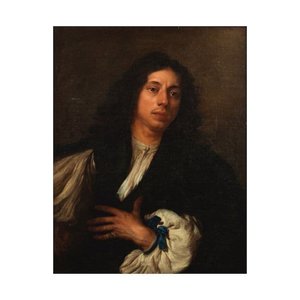
cornelis de heem
1631 - 1695 , Netherlands
Основные сведения
- Artistic Movement Or Style: Flemish Baroque
- Artists Who Influenced This Artist:
- Rembrandt van Rijn
- Lucas van Leyden
- Date Of Birth: April 8, 1631
- Date Of Death: May 17, 1695
- Full Name: Cornelis Jansz de Heem
- Nationality: Dutch
- Notable Artworks:
- Fruit & Flowers
- Nature morte aux fleurs...
- Vanitas Still-Life
- Place Of Birth: Leiden, Netherlands
Похожие статьи
Silent Narratives: Exploring the Enduring Appeal of Still Life Painting Across Centuries
Explore the rich history of still life painting with ArtsDot. Discover Dutch Masters, decode vanitas symbolism & learn about collecting timeless art. Expert insights and museum-quality reproductions.

Golden Age Reflections: Dutch Baroque Painting & Cultural Innovation
Explore the Dutch Golden Age of painting! Discover key artists like Vermeer & ter Borch, their innovative techniques, and the rich cultural context behind these Baroque masterpieces. Learn about collecting & appreciating this iconic art period.

Топ-10 шедевров голландского барокко: искусство для вашего интерьера от ArtsDot.com
Погрузитесь в мир голландского барокко! От Рембрандта до Вермеера – 10 шедевров, изменивших искусство. Узнайте истории создания и технику великих мастеров. Репродукции картин высочайшего качества для вашего интерьера на ArtsDot.com.

Топ-25 шедевров Гойи: от придворного портрета до мрачных пророчеств | ArtsDot
Погрузитесь в мир гения Франсиско Гойи! 🎨 От придворных портретов до мрачных "Капричос" – исследуйте топ-25 шедевров испанского романтизма. Купите репродукции картин Гойи музейного качества на ArtsDot.com и украсьте свой интерьер искусством.
Abraham Hendricksz van Beyeren: Pioneering Dutch Still Life & the Banquet Tradition
Explore the captivating world of Dutch Golden Age still life with Abraham van Beyeren. Discover his innovative techniques, symbolic banquet scenes & lasting influence on art history. Learn about collecting these masterpieces.