 Предпросмотр
 Поделиться
 Поделиться
 Детали произведения

 Скачать
 Похожие работы
 Рентгенография
 Слайд-шоу
 Статистика
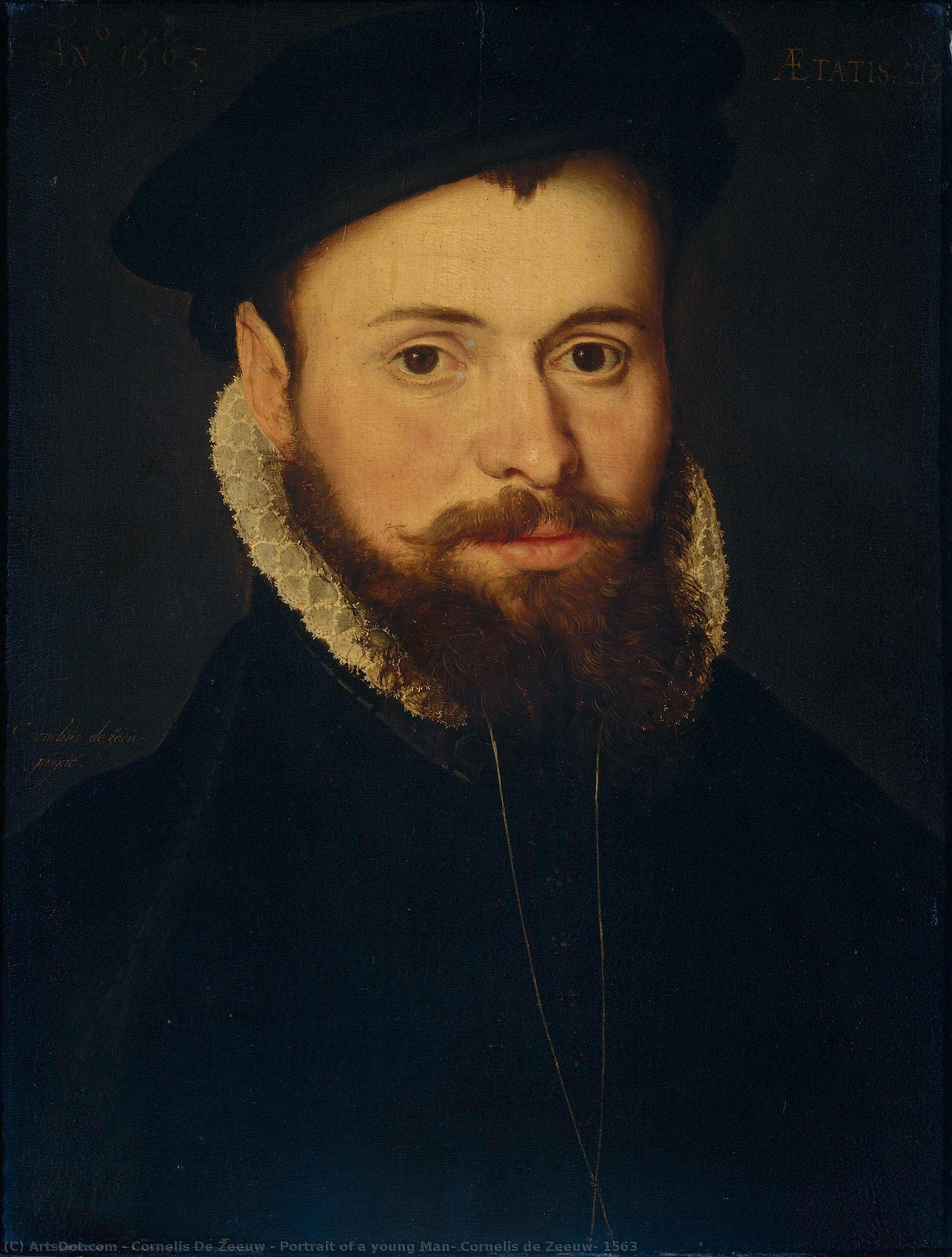
Portrait of a young Man, Cornelis de Zeeuw, 1563
 1563
1563 43.0 x 33.0 cm
 Читать далее
Приобретите цифровое изображение высокого разрешения в улучшенном качестве, которое значительно превосходит онлайн-превью.
Каждый файл тщательно подготавливается нашими специалистами с использованием передовых инструментов и экспертной ручной ретуши. Мы гарантируем исключительную четкость, точную цветопередачу и детальную проработку каждого изображения.
Финальный файл доставляется по электронной почте в течение 72 часов и оптимизирован для немедленного использования в профессиональной среде, при верстке и печати. Это тот же уровень качества, которому доверяют ведущие дизайнерские студии, издательства и галереи.
Цифровое изображение
Скачайте файл высокого разрешения для личного использования, печати и творческих проектов. ( Перейти к печати Купить картину ручной работы)
Включено в каждый заказ цифровых изображений
Гарантия экспертной цифровой доставки
Выбирая ArtsDot.com, вы получаете не просто изображение — вы приобретаете профессионально обработанное цифровое произведение искусства, созданное с безупречной точностью и под защитой гарантии качества. Вот всё, что автоматически входит в ваш заказ:

Мгновенная доставка по e-mail
Ваш цифровой файл в высоком разрешении будет отправлен вам по электронной почте в течение 72 часов после оформления заказа — и сразу станет доступен для использования.

Цифровой файл с ИИ-улучшением
Ваше произведение искусства проходит профессиональную оптимизацию с использованием передовых инструментов ИИ и ручной обработки, что гарантирует максимальную детализацию, четкость и точность цветопередачи.

Бессрочная бесплатная повторная доставка
Случайно удалили или потеряли файл? Не беспокойтесь — мы отправим его вам повторно в любое время и совершенно бесплатно.

Без импортных пошлин — навсегда
Наслаждайтесь вашим произведением искусства мгновенно без таможенных пошлин, сборов или затрат на доставку — цифровые загрузки всегда не облагаются налогом.

Гарантия точности цветопередачи
Мы гарантируем, что ваше цифровое изображение максимально точно передает оригинальные цвета благодаря использованию профессиональных инструментов и систем управления цветом.

Гарантия удовлетворенности 100 дней
Если вы не будете удовлетворены своим цифровым изображением, мы внесем правки или вернем 100% стоимости в течение 100 дней — без лишних вопросов.

100% Гарантия возврата средств
Не удовлетворены покупкой? Получите полный возврат средств в течение 100 дней после получения цифрового файла — без лишних вопросов.

Скидки на оптовые заказы
Купите 3 изображения, сэкономьте 10% — Купите 5, сэкономьте 15% — Купите 10+, сэкономьте 20%. Отличное решение для творческих проектов, галерей и агентств.
Похожие произведения





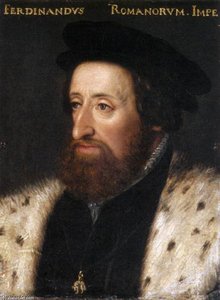
Биография художника
A Quiet Master of the Dutch Golden Age: Cornelis de Zeeuw
Cornelis de Zeeuw, a name perhaps less immediately recognizable than some of his contemporaries, nevertheless occupies a significant and compelling position within the landscape of 16th-century Dutch painting. While biographical details remain somewhat elusive – a common characteristic for artists working prior to widespread documentation – the power and subtlety of his surviving works speak volumes about his skill and artistic sensibility. De Zeeuw flourished during a period of immense cultural and economic transformation in the Netherlands, a time when portraiture was not merely a representation of likeness but a powerful statement of social standing, piety, and individual identity. He appears to have been active primarily within the region of Flanders, absorbing influences from both the established Flemish tradition and the burgeoning artistic developments taking place further north. His paintings offer a fascinating window into the lives and aspirations of the merchant class and gentry who commissioned them, revealing a keen eye for detail and an understated psychological depth that sets his work apart.The Art of Likeness: Portraiture as Social Commentary
De Zeeuw’s oeuvre is dominated by portraiture, specifically half-length depictions of men and women often set against neutral backgrounds or within the intimate confines of their homes. He wasn't a painter of grand historical narratives or dramatic religious scenes; his focus lay in capturing the *essence* of his sitters – their character, their status, and their place within society. This is achieved not through ostentatious displays of wealth or elaborate symbolism (though these elements are sometimes present), but rather through meticulous attention to facial features, clothing textures, and subtle gestures. The fabrics he renders—velvets, silks, and furs—possess a remarkable tactile quality, suggesting both affluence and refinement. More importantly, De Zeeuw’s portraits convey a sense of quiet dignity and self-assurance, hinting at the inner lives of those portrayed. He was particularly adept at capturing the nuances of expression, imbuing his subjects with a palpable humanity that transcends mere physical representation. His skill in rendering skin tones and light is exceptional, creating a luminosity that draws the viewer into an intimate encounter with the sitter.Influences and Artistic Development
Tracing De Zeeuw’s artistic lineage reveals a complex interplay of influences. He clearly demonstrates a strong understanding of the Flemish portraiture tradition, particularly evident in his careful modeling of forms and his use of rich, saturated colors. The work of Jan van der Palm, another Flemish artist active around the same time, is often cited as a key influence, with stylistic similarities apparent in their compositions and techniques. However, De Zeeuw’s paintings also exhibit elements that foreshadow the developments of the Dutch Golden Age, such as a greater emphasis on realism and psychological insight. He wasn't simply copying existing styles; he was synthesizing them into something uniquely his own. His early works tend to be more formal and conventional, adhering closely to established portrait conventions. As his career progressed, however, he began to experiment with looser brushwork and more dynamic compositions, suggesting a growing confidence in his artistic voice.Major Achievements and Lasting Legacy
While De Zeeuw may not have produced the sheer volume of work associated with some of the most celebrated Dutch Masters, the quality and consistency of his paintings are undeniable. His portraits stand as compelling examples of 16th-century portraiture, offering valuable insights into the social and cultural values of the time. His ability to capture both the outward appearance and inner character of his sitters is a testament to his exceptional skill and artistic sensitivity. He was not merely a craftsman; he was an observer of human nature, capable of conveying complex emotions with remarkable subtlety. Although documentation regarding specific commissions remains scarce, it’s clear that De Zeeuw enjoyed patronage from prominent members of the merchant class and gentry in Flanders. His paintings were likely displayed proudly within their homes, serving as symbols of status, piety, and family identity. Today, his works are increasingly recognized for their artistic merit and historical significance, offering a glimpse into a fascinating period of Dutch art history.Rediscovering De Zeeuw: A Painter for the Modern Eye
The relative obscurity surrounding Cornelis de Zeeuw’s life and work has perhaps contributed to an underappreciation of his artistic achievements. However, recent scholarship and renewed interest in 16th-century Dutch painting are bringing his paintings back into the spotlight.- His portraits offer a refreshing alternative to the more flamboyant styles prevalent during this period.
- The quiet dignity and psychological depth of his work resonate with modern viewers seeking authenticity and emotional connection.
- De Zeeuw’s meticulous attention to detail and masterful technique serve as an inspiration for contemporary artists.