

 Предпросмотр
 Поделиться
 Поделиться
 Детали произведения

 Скачать
 Похожие работы
 Рентгенография
 Слайд-шоу
 Статистика
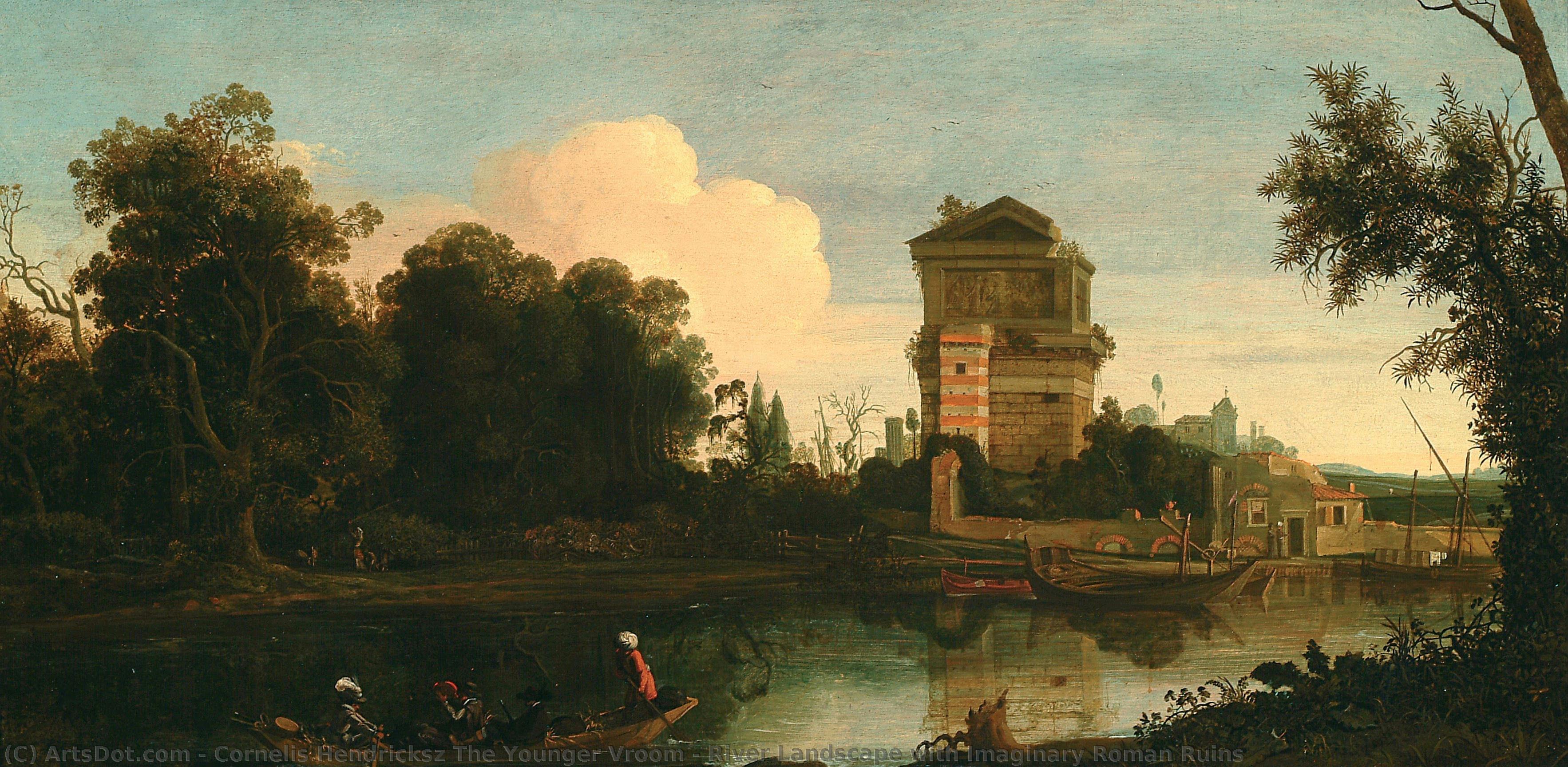
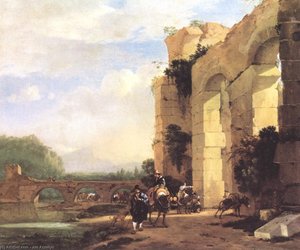
River Landscape with Imaginary Roman Ruins
 Oil
Oil- WallArt
- Dutch Golden Age
 1631
1631- Early Modern
 5.0 x 60.0 cm
 Фрэнс Гальс Музей
 Читать далее
Приобретите цифровое изображение высокого разрешения в улучшенном качестве, которое значительно превосходит онлайн-превью.
Каждый файл тщательно подготавливается нашими специалистами с использованием передовых инструментов и экспертной ручной ретуши. Мы гарантируем исключительную четкость, точную цветопередачу и детальную проработку каждого изображения.
Финальный файл доставляется по электронной почте в течение 72 часов и оптимизирован для немедленного использования в профессиональной среде, при верстке и печати. Это тот же уровень качества, которому доверяют ведущие дизайнерские студии, издательства и галереи.
Цифровое изображение
Скачайте файл высокого разрешения для личного использования, печати и творческих проектов. ( Перейти к печати Купить картину ручной работы)
Включено в каждый заказ цифровых изображений
Гарантия экспертной цифровой доставки
Выбирая ArtsDot.com, вы получаете не просто изображение — вы приобретаете профессионально обработанное цифровое произведение искусства, созданное с безупречной точностью и под защитой гарантии качества. Вот всё, что автоматически входит в ваш заказ:

Мгновенная доставка по e-mail
Ваш цифровой файл в высоком разрешении будет отправлен вам по электронной почте в течение 72 часов после оформления заказа — и сразу станет доступен для использования.

Цифровой файл с ИИ-улучшением
Ваше произведение искусства проходит профессиональную оптимизацию с использованием передовых инструментов ИИ и ручной обработки, что гарантирует максимальную детализацию, четкость и точность цветопередачи.

Бессрочная бесплатная повторная доставка
Случайно удалили или потеряли файл? Не беспокойтесь — мы отправим его вам повторно в любое время и совершенно бесплатно.

Без импортных пошлин — навсегда
Наслаждайтесь вашим произведением искусства мгновенно без таможенных пошлин, сборов или затрат на доставку — цифровые загрузки всегда не облагаются налогом.

Гарантия точности цветопередачи
Мы гарантируем, что ваше цифровое изображение максимально точно передает оригинальные цвета благодаря использованию профессиональных инструментов и систем управления цветом.

Гарантия удовлетворенности 100 дней
Если вы не будете удовлетворены своим цифровым изображением, мы внесем правки или вернем 100% стоимости в течение 100 дней — без лишних вопросов.

100% Гарантия возврата средств
Не удовлетворены покупкой? Получите полный возврат средств в течение 100 дней после получения цифрового файла — без лишних вопросов.

Скидки на оптовые заказы
Купите 3 изображения, сэкономьте 10% — Купите 5, сэкономьте 15% — Купите 10+, сэкономьте 20%. Отличное решение для творческих проектов, галерей и агентств.
A Visionary Journey Through an Imagined Italy
In the delicate expanse of River Landscape with Imaginary Roman Ruins, Cornelis Hendricksz Vroom the Younger invites us into a world where the boundaries between reality and romanticized memory dissolve. Painted in 1631, this exquisite work serves as a window into the Dutch Golden Age's fascination with the classical past. At its heart lies a monumental, crumbling edifice—a Roman tomb that stands as a silent sentinel over a flowing river. The structure, adorned with intricate reliefs of a figure on a throne and a noble horseman, evokes the grandeur of an empire long vanished, yet it is rendered with a sense of quiet, pastoral intimacy rather than overwhelming tragedy.
The beauty of this piece lies in its charming contradictions. While the subject matter suggests the sun-drenched landscapes of Italy, Vroom’s brush reveals a deeply Dutch sensibility. There is a delightful botanical dissonance present; instead of Mediterranean flora, we encounter trees and plants that feel distinctly Northern European. This artistic tension creates a unique, dreamlike atmosphere—a landscape that exists not in a specific geographic location, but in the fertile imagination of an artist inspired by the works of masters like Adam Elsheimer. It is a landscape of longing, where the classical ideal meets the familiar comforts of the Dutch countryside.
The Rhythm of Life and Light
As the eye wanders across the canvas, it encounters a scene teeming with the gentle rhythms of daily life. The river acts as a liquid stage, populated by various vessels that guide our gaze through the composition. From small rowing boats navigating the foreground to larger craft drifting in the distance, there is a profound sense of movement and leisure. Figures dot the landscape, engaged in quiet moments of repose: some stand at the water's edge, while others participate in the timeless ritual of the countryside—such as the evocative motif of a woman knocking acorns from a tree to feed her pigs.
Technically, Vroom demonstrates a masterful command of atmospheric perspective. The way the light interacts with the water and the hazy distance creates a sense of immense depth, drawing the collector into the very heart of the scene. For the interior designer, this painting offers a remarkable versatility; its serene color palette and balanced composition make it an ideal centerpiece for spaces that require a touch of historical elegance and tranquility. Whether placed in a sunlit study or a sophisticated living area, the work brings with it an aura of intellectual curiosity and peaceful contemplation.
A Legacy of Mastery and Detail
To possess a reproduction of this masterpiece is to hold a piece of art history that bridges the gap between seascape and landscape. As the son of the legendary marine artist Hendrick Cornelisz Vroom, Cornelis the Younger brought a unique maritime precision to his terrestrial scenes. This expertise is visible in the way he captures the subtle ripples of the river and the structural integrity of the boats. His work serves as a vital precursor to the celebrated landscapes of Jacob van Ruisdael, marking him as a true trailblazer of the Dutch tradition.
For the discerning art lover, this painting is more than a mere depiction of ruins; it is an exploration of time, memory, and the enduring human connection to the landscape. The emotional impact is one of profound stillness, interrupted only by the soft pulse of life along the riverbank. It is a work that rewards repeated viewing, offering new details—a hidden relief on a stone, a distant figure in a boat—each time the eye returns to its captivating, imaginary world.
Похожие произведения
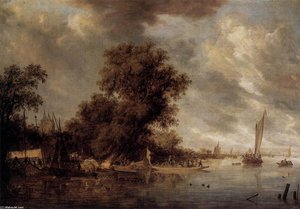
![Landscape With A Calm (un Tem[p]s Calme Et Serein) — Николай Пуссен, Baroque](/media/artworks/images-thumb/40/10/4010b4505e707e3c8c70e15a89451175.jpg)
Биография художника
Cornelis Hendricksz the Younger Vroom: A Pioneer of Dutch Seascape
Cornelis Hendricksz Vroom (1591-1661) stands as a pivotal figure in the history of European painting, particularly recognized for his groundbreaking contributions to the development of Dutch seascape art. Born in Haarlem during the vibrant era of the Dutch Golden Age, Vroom’s life was marked by adventure and artistic evolution, ultimately shaping him into one of the first artists to truly capture the dynamism and power of the sea on canvas. His work wasn't merely depictions of ships at sea; it represented a shift towards realism, atmospheric perspective, and a profound engagement with the natural world – qualities that would profoundly influence generations of Dutch painters.Early Life and Artistic Training
Vroom’s lineage was steeped in artistic tradition. He was the son of Hendrick Cornelisz Vroom, a renowned marine painter himself, and his stepfather was a ceramic painter, establishing a family legacy deeply rooted in visual arts. This familial connection provided him with an early introduction to painting techniques and styles. However, young Cornelis, restless and seeking experience beyond the confines of Haarlem, embarked on a remarkable journey that spanned Europe. Driven by a desire for adventure and artistic exploration, he initially traveled to Spain, then Italy, immersing himself in the artistic currents of Florence and Rome. He studied under Paulus Bril, absorbing the principles of classical composition and technique. This formative period exposed him to diverse artistic influences, including Italian Renaissance masters, which would later inform his own distinctive style. His early travels were not without hardship; tales abound of perilous journeys, freezing temperatures, and near-starvation experiences – stories that underscore the adventurous spirit behind his art.The Development of a Unique Style
Returning to Haarlem in 1590, Vroom established himself as an independent artist. He quickly developed a distinctive style characterized by a remarkable ability to convey the movement and texture of water. Unlike earlier Netherlandish marine paintings that often presented ships as static objects within a stylized background, Vroom’s works depicted the sea as a living force – turbulent, unpredictable, and imbued with atmospheric depth. He pioneered the use of “bird's-eye” viewpoints, looking down on the waves from above, a technique borrowed from earlier Flemish painters but refined to create a sense of immediacy and drama. Crucially, he moved away from this elevated perspective in later works, adopting a lower vantage point that offered a more realistic and immersive experience for the viewer. This shift reflected his growing interest in capturing the raw power and beauty of the natural world. His compositions often featured dramatic lighting effects, highlighting the interplay of light and shadow on the water’s surface, further enhancing the sense of realism and dynamism.Major Works and Themes
Vroom's artistic output encompassed a diverse range of subjects, including naval battles, coastal scenes, and depictions of maritime life. Among his most celebrated works are “Trees behind a Wooden Fence” (circa 1622), a serene pastoral scene that showcases his mastery of landscape composition; "Oak Wood With Stagnant Water" (circa 1630s), which captures the stillness and tranquility of a wooded shoreline; and “River Landscape with Imaginary Roman Ruins” (circa 1635), demonstrating his ability to integrate historical elements into contemporary landscapes. His most famous works, however, are undoubtedly his depictions of naval engagements – particularly those commemorating victories over the Spanish Armada. These paintings were commissioned by the Dutch government and served as powerful symbols of national pride and maritime prowess. The Battle of Lepanto (1615), though unsigned, is widely attributed to Vroom due to its stylistic similarities with other known works. Beyond these grand historical scenes, Vroom also produced numerous smaller-scale works that captured the everyday life of fishermen and sailors, offering a glimpse into the realities of maritime existence.Influence and Legacy
Cornelis Hendricksz Vroom’s impact on the development of Dutch landscape painting is undeniable. He was a key figure in establishing a new tradition of realistic seascape art that would be followed by his son, Cornelis Hendriksz Vroom, and other prominent artists such as Jan van de Velde and Jacob van Ruisdael. His innovative use of perspective, atmospheric effects, and dynamic compositions paved the way for future generations of Dutch painters to explore the complexities and beauty of the natural world. His work continues to be admired today for its technical skill, emotional intensity, and profound engagement with the subject matter. Vroom’s legacy extends beyond his individual paintings; he represents a pivotal moment in the history of art – a time when artists began to truly embrace the power and potential of landscape painting as a means of expressing both observation and emotion. His life story—a blend of artistic ambition, personal hardship, and adventurous spirit—adds another layer of fascination to his already remarkable contribution to the world of art.
cornelis hendricksz the younger vroom
1591 - 1661 , Netherlands
Основные сведения
- Artistic Movement Or Style: Dutch Landscape Art
- Artists Or Movements Influenced By This Artist:
- Jan and Esaias van de Velde
- Adam Elsheimer
- Artists Who Influenced This Artist:
- Hendrik Cornelisz Vroom
- Jacob van Ruisdael
- Date Of Birth: 1591, Haarlem
- Date Of Death: 1661, Haarlem
- Full Name: Cornelis Hendricksz Vroom
- Nationality: Dutch
- Notable Artworks:
- Trees behind a Fence
- Oak Wood With Stagnant Water
- River Landscape with Imaginary Roman Ruins
- Place Of Birth: Haarlem, Netherlands