

 Предпросмотр
 Поделиться
 Поделиться
 Детали произведения

 Скачать
 Похожие работы
 Рентгенография
 Слайд-шоу
 Статистика
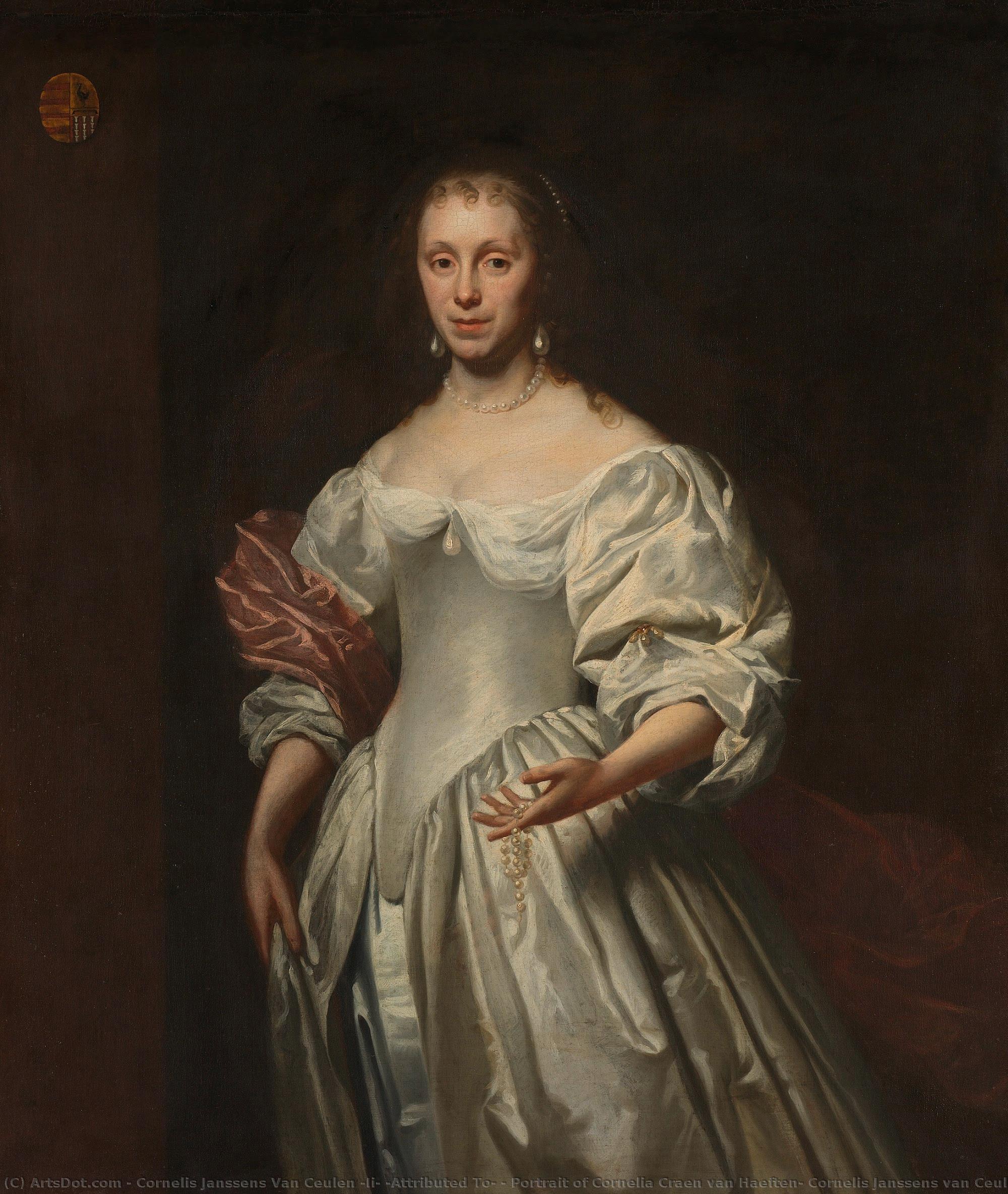
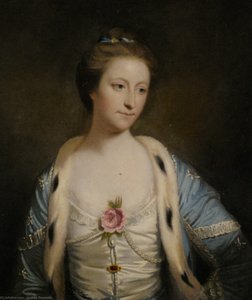
Portrait of Cornelia Craen van Haeften, Cornelis Janssens van Ceulen (II) (attributed to), 1663 - 1678
 1678
1678 122.0 x 103.0 cm
 Читать далее
Масляная репродукция ручной работы
Картина маслом на холсте в выбранном вами размере и раме, написанная на заказ нашими художниками. ( Перейти к печати Перейти к цифровым изображениям)




































Выберите один из наших стандартных размеров, соответствующих оригинальным пропорциям произведения искусства.

Вы можете указать собственные размеры, чтобы картина идеально вписалась в выбранную раму или пространство. Если выбранный вами размер не соответствует пропорциям оригинала, мы либо обрежем полотно, либо расширим его за счет дополнительных элементов, написанных вручную. Цифровой макет будет отправлен вам на утверждение перед началом производства.
Обратите внимание, что предварительный просмотр на экране не отражает фактическую обрезку или расширение. Только макет точно покажет окончательную композицию.
Хотя доступны индивидуальные размеры, мы рекомендуем выбирать вариант из предопределенного списка, чтобы сохранить исходные пропорции.
После оформления заказа команда ArtsDot.com свяжется с клиентом по электронной почте для уточнения деталей и предоставит предварительный макет
Доставка по всему миру () за 3–4 недели вместо стандартных 5 недель. (13 Сентябрь). Без компромиссов в качестве.

Бесплатная экспресс-доставка по всему миру

Высококачественный льняной холст

Полное страхование доставки

Гарантия возмещения таможенных пошлин

Гарантия точного соответствия цветов

100-дневная политика возврата (только при обнаружении дефектов)

Гарантия возврата 100% средств

Предложение оптовых скидок
 Вариант со стеклом доступен только для размеров менее 110 см

Portrait of Cornelia Craen van Haeften, Cornelis Janssens van Ceulen (II) (attributed to), 1663 - 1678
Техника репродукции
Размер репродукции
-


Итоговая стоимость
$ 263
Похожие произведения






Биография художника
A Life Bridging Two Worlds: Cornelis Janssens van Ceulen
Cornelis Janssens van Ceulen, a name appearing in various forms – Cornelius Johnson, Jonson, and others – represents a fascinating intersection of Anglo-Dutch artistic currents in the 17th century. Born in London before October 14, 1593, to parents who had fled religious persecution in Antwerp, Janssens embodied a cultural exchange that profoundly shaped his career and artistic style. His family’s roots traced back further, to Cologne, creating a lineage steeped in Northern European artistry. This heritage instilled within him a meticulous attention to detail and a dedication to portraiture that would become his hallmark. While the precise details of his early training remain somewhat elusive, it is believed he received foundational instruction within the Netherlands before establishing himself as a prominent painter in London around 1618.The Rise of an English Portraitist
Janssens quickly distinguished himself in the burgeoning art scene of Jacobean and Caroline England. He was among the first English-born painters to consistently sign and date his works, a practice that provides valuable insight into the sheer volume of portraits he produced – numbering several hundred throughout his career. This prolific output speaks not only to his skill but also to the growing demand for portraiture amongst the emerging gentry. Janssens catered to this new clientele, capturing their likenesses with an emphasis on clothing and status symbols. His early works often featured oval panel paintings framed within “fictive” ovals, a stylistic choice that added a layer of sophistication and elegance to his compositions. He wasn’t merely recording faces; he was documenting a society in transition, preserving the aspirations and identities of those ascending the social ladder.A Style Forged Through Observation and Adaptation
While Janssens possessed undeniable talent, he lacked the pronounced flair often associated with masters like Anthony van Dyck. However, this did not hinder his success; rather, it allowed him to develop a uniquely adaptable style. He demonstrated an impressive ability to assimilate new influences without sacrificing his own artistic voice. Throughout his career, his technique evolved, reflecting a keen awareness of contemporary trends and a willingness to experiment. His portraits are characterized by their accuracy and meticulous rendering of textures, particularly fabrics – a testament to the importance placed on outward appearance during this period. Janssens’s ability to blend influences from Dutch realism with English sensibilities created a distinctive aesthetic that resonated with his patrons.Navigating Political Turmoil and Artistic Legacy
The turbulent years of the English Civil War prompted Janssens to seek refuge in Middelburg, Netherlands, around 1643. This relocation marked a shift in his artistic focus, though he continued to paint portraits. He later resided in Amsterdam (between 1646 and 1652) before settling in Utrecht, where he passed away on August 5, 1661. Despite the political upheaval that punctuated his life, Janssens maintained a consistent presence in the art world. His works can be found in major collections across the UK and internationally, as well as adorning the stately homes of Britain. He left behind a substantial body of work—a testament to his dedication and skill.Historical Significance and Enduring Appeal
Cornelis Janssens van Ceulen’s significance lies not only in the quantity of portraits he created but also in what those portraits reveal about English society during a period of profound change. He documented the rise of the gentry, capturing their aspirations and social standing with remarkable detail. His consistent signing of his works provides invaluable historical information, allowing art historians to trace his career and understand the evolution of portraiture in 17th-century England. His portraits offer a glimpse into the lives of those who shaped the era, providing a visual record of fashion, status, and individual identity. Janssens’s legacy endures as a bridge between Anglo-Dutch artistic traditions, a testament to his skill, adaptability, and enduring appeal. He remains a captivating figure in the history of portraiture, whose works continue to fascinate and inform our understanding of the past.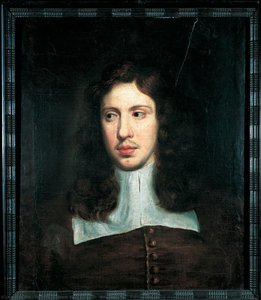
Основные сведения
- Artistic Movement Or Style: Baroque portraiture
- Date Of Death: Living
- Full Name: Cornelis Janssens van Ceulen II
- Nationality: Anglo-Dutch
- Notable Artworks:
- Portrait of Johan Servaes van Limburg
- Portrait of Cornelia Craen van Haeften
- Portrait of a young man
- Place Of Birth: London, England