

 Предпросмотр
 Поделиться
 Поделиться
 Детали произведения

 Скачать
 Похожие работы
 Рентгенография
 Слайд-шоу
 Статистика
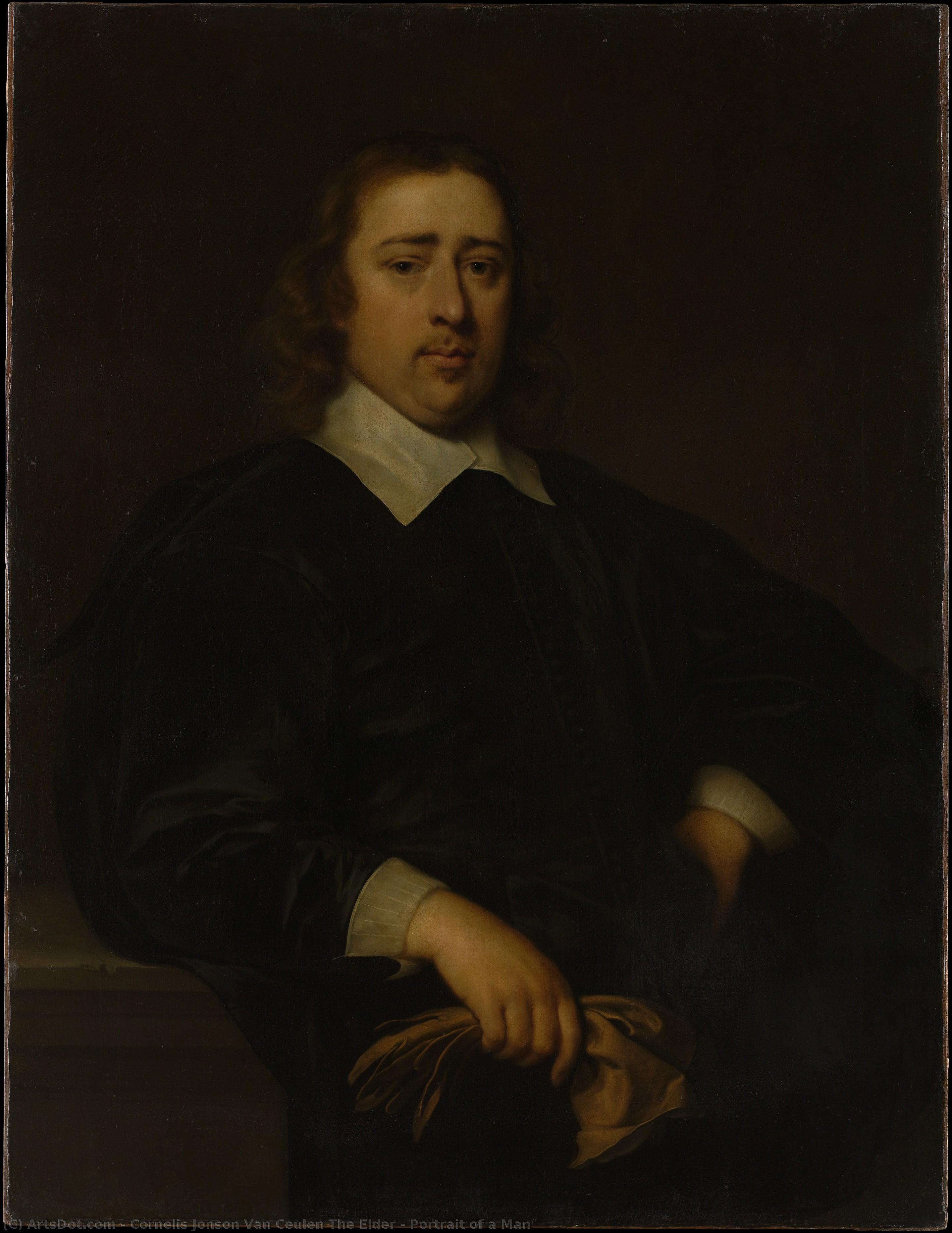
Portrait of a Man


 Читать далее
Жикле / Арт-принт
Печать (жикле) или холст музейного качества с быстрыми сроками изготовления и широким выбором вариантов отделки. ( Купить картину ручной работы Перейти к цифровым изображениям)




































Выберите один из наших стандартных размеров, соответствующих оригинальным пропорциям произведения искусства.

Вы можете указать свои собственные размеры, чтобы репродукция идеально подошла под конкретную раму или пространство. Если выбранный вами размер не будет соответствовать пропорциям оригинала, мы либо обрежем произведение, либо дополним изображение зеркальным отражением краев или однотонной заливкой. Перед началом производства вам будет отправлен цифровой макет для утверждения.
Пожалуйста, обратите внимание, что предварительный просмотр на экране не отображает фактическую обрезку или расширение изображения. Только макет точно покажет финальную композицию.
Несмотря на возможность заказа индивидуальных размеров, мы рекомендуем выбирать размер из предопределенного списка, чтобы сохранить оригинальные пропорции.
Доставка по всему миру () за 2 недели вместо стандартных 4/5 недель. (12 Сентябрь)

Бесплатная экспресс-доставка по всему миру

Высококачественный льняной холст

Полное страхование доставки

Гарантия возмещения таможенных пошлин

Гарантия точного соответствия цветов

100-дневная политика возврата (только при обнаружении дефектов)

Гарантия возврата 100% средств

Предложение оптовых скидок
 Вариант со стеклом доступен только для размеров менее 110 см

Portrait of a Man
Жикле / Арт-принт
Размер репродукции
-


Итоговая стоимость
$ 62
Похожие произведения

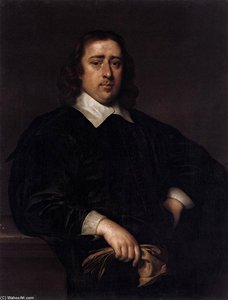

Биография художника
Cornelis Jonson van Ceulen: The Quiet Master of Seventeenth-Century Portraiture
Cornelis Janssens van Ceulen, more commonly known as Cornelis Jonson (1593-1661), stands as a quietly significant figure in the history of English and Dutch portrait painting. Born into a family of Flemish/German immigrants seeking refuge from religious persecution in London, his life’s trajectory mirrored that of many artists of his era – a journey between continents, shaped by patronage, war, and evolving artistic tastes. While overshadowed by the brilliance of Anthony van Dyck, Jonson cultivated a distinctive style characterized by meticulous detail, understated elegance, and a remarkable sensitivity to characterization, making his portraits instantly recognizable even today.Early Life and Training
The exact details of Jonson’s early life remain somewhat elusive, shrouded in the typical gaps of historical records for artists of that period. Born in London around 1593 – though the precise date is uncertain – he was baptized at the Dutch Church at Austin Friars, a vibrant center of the Netherlandish community within the city. His family’s origins lay in Antwerp and Cologne, reflecting the diverse population drawn to England by religious freedom. It's believed that Jonson received his initial artistic training in the northern Netherlands, likely under the tutelage of established masters like Michiel Jansz. van Mierevelt, a connection that undoubtedly influenced his early style. This formative period instilled within him a deep appreciation for the Dutch tradition of portraiture – its emphasis on realism, careful observation, and a subtle understanding of human psychology.London Years: Establishing a Reputation
Around 1618, Jonson established himself as a professional portrait painter in London, quickly gaining recognition within the city’s elite circles. He catered to a diverse clientele – courtiers, landed gentry, and members of the burgeoning merchant class – capturing their likenesses with remarkable accuracy and a keen eye for detail. His early portraits are distinguished by their relatively low placement of the sitter's head within the frame, a stylistic choice that immediately draws attention to the face and creates an intimate connection between viewer and subject. During this period, Jonson’s work began to reflect the influence of Van Dyck, though he skillfully adapted these elements to his own unique vision, retaining a more restrained and understated approach. Notably, he became King Charles I's official “Picture-drawer” in 1632, a position that afforded him considerable prestige and access to some of the most prominent figures of the era.Migration to the Netherlands: A Shift in Style
The outbreak of the English Civil War in 1643 prompted Jonson’s relocation to the Dutch Republic. This move marked a significant turning point in his artistic career, as he transitioned from working primarily within the confines of the English court to serving a broader range of patrons across the Netherlands. Initially settling in Middelburg, he joined the local painters' guild and continued to produce portraits, adapting his style to suit the tastes of his new audience. Later, he moved to Amsterdam, The Hague, and finally Utrecht, where he spent his final years. During this period, Jonson’s work became increasingly influenced by Dutch artistic conventions, particularly in terms of background colors – often muted blues or greens – which provided a subtle yet effective contrast to the sitter's attire.Distinctive Style and Legacy
Jonson’s portraits are characterized by several key elements that distinguish them from those of his contemporaries. His meticulous attention to detail, particularly in rendering fabrics, jewelry, and lace collars, is legendary. He possessed a remarkable ability to capture the nuances of human expression, conveying not only outward appearance but also subtle emotions and inner character. The placement of the sitter’s head within the frame – often positioned low – creates an intimate and engaging portrait experience. Furthermore, Jonson's handling of the eyes—with their enlarged, rounded irises and deep, curved upper lids—is particularly distinctive and memorable. Despite being overshadowed by more flamboyant figures like Van Dyck during his lifetime, Jonson’s quiet elegance and understated realism have ensured that his work continues to be appreciated for its sensitivity, technical skill, and enduring appeal. His portraits offer a valuable glimpse into the lives and aspirations of 17th-century England and the Netherlands, solidifying his place as a significant, if often overlooked, master of portraiture.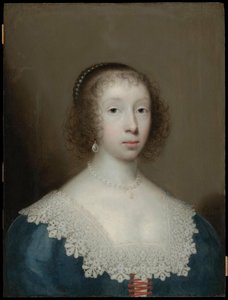
cornelis jonson van ceulen the elder
1593 - 1661 , Germany
Основные сведения
- Artistic Movement Or Style: Portraiture, Baroque
- Artists Or Movements Influenced By This Artist: ['Dutch Golden Age painting']
- Artists Who Influenced This Artist: ['Anthony van Dyck']
- Date Of Birth: 1593 Berlin, Germany
- Date Of Death: 1661 Utrecht, Netherlands
- Full Name: Cornelis Jonson van Ceulen
- Nationality: Dutch, Anglo-Flemish
- Notable Artworks:
- Portrait of a Man
- Various portraits of gentry
- Place Of Birth: Berlin, Germany
Похожие статьи

Golden Age Reflections: Dutch Baroque Painting & Cultural Innovation
Explore the Dutch Golden Age of painting! Discover key artists like Vermeer & ter Borch, their innovative techniques, and the rich cultural context behind these Baroque masterpieces. Learn about collecting & appreciating this iconic art period.

Illuminating Innovation: Exploring the Dutch Golden Age of Painting
Explore the Dutch Golden Age of painting with ArtsDot. Discover Rembrandt, Vermeer & other Masters. Learn about key characteristics, iconic artworks, and lasting influence. Expert insights for collectors & enthusiasts.

Топ-10 шедевров голландского барокко: искусство для вашего интерьера от ArtsDot.com
Погрузитесь в мир голландского барокко! От Рембрандта до Вермеера – 10 шедевров, изменивших искусство. Узнайте истории создания и технику великих мастеров. Репродукции картин высочайшего качества для вашего интерьера на ArtsDot.com.
Illuminating Realism: Exploring the Dutch Golden Age of Painting (1600-1700)
Explore the Dutch Golden Age of painting (1600-1700) with ArtsDot. Discover Rembrandt, Vermeer & other masters. Learn about techniques, history & find museum-quality reproductions.

Золотой век Голландии: 10 шедевров, изменивших искусство | ArtsDot.com
Погрузитесь в эпоху Золотого века Нидерландов! 10 шедевров Рембрандта, Вермеера и других мастеров. Узнайте истории создания культовых картин и вдохновитесь для интерьера. Репродукции музейного качества на ArtsDot.com.