

 Предпросмотр
 Поделиться
 Поделиться
 Детали произведения

 Скачать
 Похожие работы
 Рентгенография
 Слайд-шоу
 Статистика
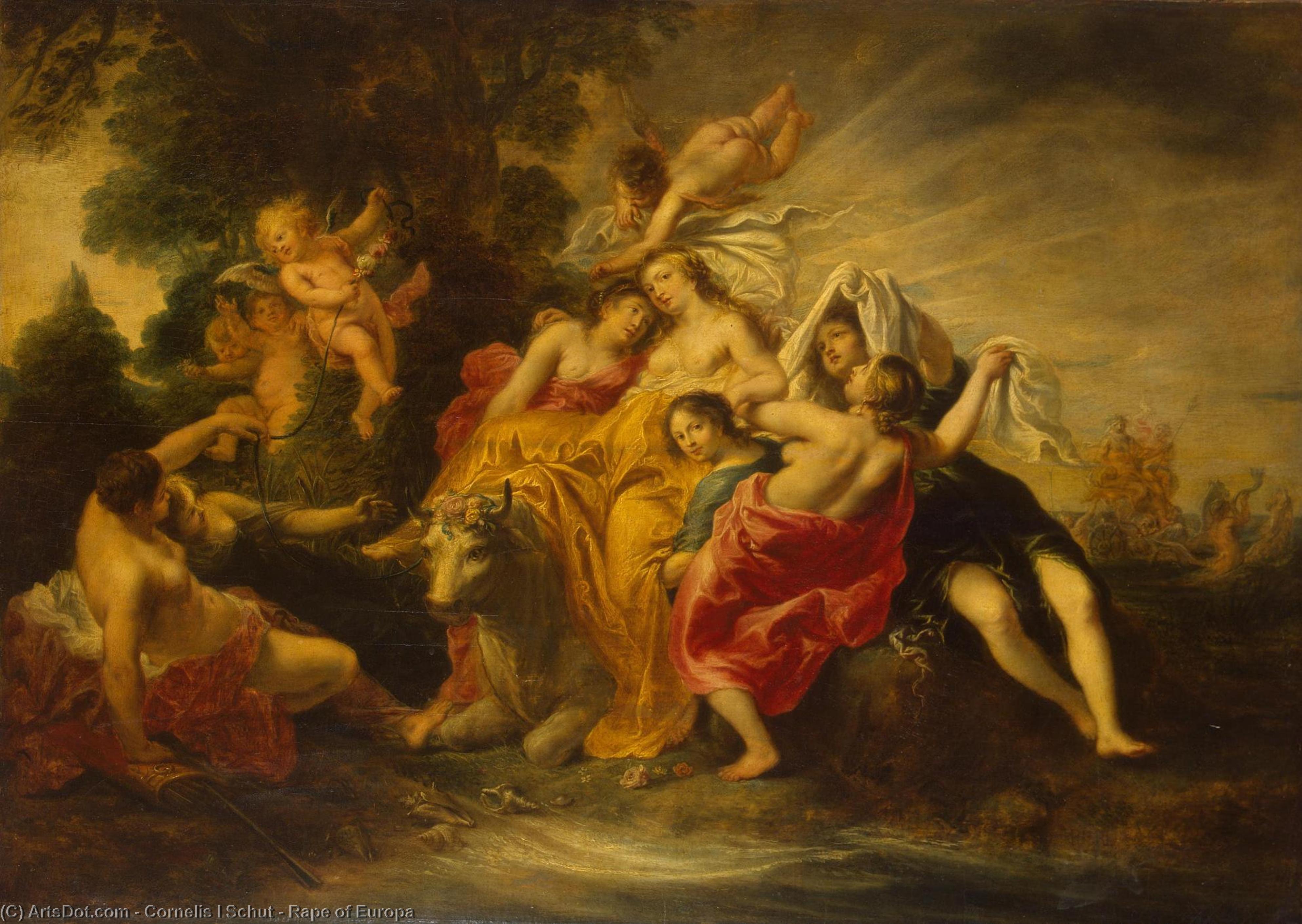
Rape of Europa
 Oil On Canvas
- WallArt
- Baroque Drama
 1640
1640- Early Modern
 61.0 x 84.0 cm
 Эрмитаж
 Читать далее
Приобретите цифровое изображение высокого разрешения в улучшенном качестве, которое значительно превосходит онлайн-превью.
Каждый файл тщательно подготавливается нашими специалистами с использованием передовых инструментов и экспертной ручной ретуши. Мы гарантируем исключительную четкость, точную цветопередачу и детальную проработку каждого изображения.
Финальный файл доставляется по электронной почте в течение 72 часов и оптимизирован для немедленного использования в профессиональной среде, при верстке и печати. Это тот же уровень качества, которому доверяют ведущие дизайнерские студии, издательства и галереи.
Цифровое изображение
Скачайте файл высокого разрешения для личного использования, печати и творческих проектов. ( Перейти к печати Купить картину ручной работы)
Включено в каждый заказ цифровых изображений
Гарантия экспертной цифровой доставки
Выбирая ArtsDot.com, вы получаете не просто изображение — вы приобретаете профессионально обработанное цифровое произведение искусства, созданное с безупречной точностью и под защитой гарантии качества. Вот всё, что автоматически входит в ваш заказ:

Мгновенная доставка по e-mail
Ваш цифровой файл в высоком разрешении будет отправлен вам по электронной почте в течение 72 часов после оформления заказа — и сразу станет доступен для использования.

Цифровой файл с ИИ-улучшением
Ваше произведение искусства проходит профессиональную оптимизацию с использованием передовых инструментов ИИ и ручной обработки, что гарантирует максимальную детализацию, четкость и точность цветопередачи.

Бессрочная бесплатная повторная доставка
Случайно удалили или потеряли файл? Не беспокойтесь — мы отправим его вам повторно в любое время и совершенно бесплатно.

Без импортных пошлин — навсегда
Наслаждайтесь вашим произведением искусства мгновенно без таможенных пошлин, сборов или затрат на доставку — цифровые загрузки всегда не облагаются налогом.

Гарантия точности цветопередачи
Мы гарантируем, что ваше цифровое изображение максимально точно передает оригинальные цвета благодаря использованию профессиональных инструментов и систем управления цветом.

Гарантия удовлетворенности 100 дней
Если вы не будете удовлетворены своим цифровым изображением, мы внесем правки или вернем 100% стоимости в течение 100 дней — без лишних вопросов.

100% Гарантия возврата средств
Не удовлетворены покупкой? Получите полный возврат средств в течение 100 дней после получения цифрового файла — без лишних вопросов.

Скидки на оптовые заказы
Купите 3 изображения, сэкономьте 10% — Купите 5, сэкономьте 15% — Купите 10+, сэкономьте 20%. Отличное решение для творческих проектов, галерей и агентств.
A Masterpiece of Baroque Drama: The Allure of Cornelis Schut
In the grand tapestry of the Flemish Baroque, few threads shimmer with as much raw, kinetic energy as the works of Cornelis Schut. A contemporary and presumed pupil of the legendary Peter Paul Rubens, Schut possessed a singular ability to translate mythological tension into visual poetry. His masterpiece, The Rape of Europa, stands as a breathtaking testament to this talent. Created around 1635/40, the painting does not merely depict a scene from Greek myth; it captures a moment of profound transformation and cosmic upheaval. The canvas vibrates with the pulse of the divine meeting the mortal, inviting the viewer into a world where the boundaries between beast and god, predator and prey, are tantalizingly blurred.
The narrative unfolds with an immediacy that is almost cinematic. We witness the pivotal instant of Zeus’s abduction of Europa, the Cretan princess. Schut masterfully orchestrates a scene of beautiful chaos: the central figure of the bull—Zeus in his cunning disguise—serves as both the anchor and the catalyst for the surrounding drama. As the princess is seized, the composition pulls the eye through a whirlwind of movement, from the vulnerable limbs of Europa to the watchful, startled gazettes of the women surrounding her. It is a scene that demands attention, pulling the observer into the very heart of the mythological storm.
Technique and the Play of Light
To behold The Rape of Europa is to witness Schut’s command over the dramatic chiaroscuro technique. Influenced by his transformative travels through Italy and his exposure to the works of Caravaggio, Schut utilizes a profound interplay between deep, velvety shadows and brilliant, piercing light. This contrast does more than provide depth; it sculpts the figures, giving them a tactile, three-dimensional presence that seems to push outward from the frame. The light catches the curve of a shoulder, the tension in a grasping hand, and the muscular power of the bull, creating a theatrical atmosphere that is quintessential to the High Baroque era.
His brushwork further enhances this sense of motion. Eschewing static lines for bold, expressive strokes, Schut imbues the flesh and fabric with a life of their own. The color palette is equally evocative, utilizing vibrant hues that pulse against more muted, earthy tones to direct the viewer's emotional journey. For the discerning collector or interior designer, this technique offers an unparalleled sense of luxury and movement, making the piece a commanding focal point capable of breathing dynamic life into any sophisticated space.
Symbolism and Emotional Resonance
Beyond its surface-level spectacle, the painting is a dense thicket of symbolic meaning. The bull is not merely an animal but a symbol of brute, irresistible force and the deceptive nature of desire. Europa herself represents the vulnerability of the human condition when confronted by the overwhelming power of fate or the divine. The presence of the birds and the surrounding figures adds layers of atmospheric tension, suggesting that even nature itself bears witness to this monumental event. Every element is meticulously placed to heighten the psychological impact of the theft.
For those seeking to adorn a home or gallery with art that speaks to the soul, The Rape of Europa offers more than just aesthetic beauty. It offers an emotional experience—a sense of awe, a touch of melancholy, and a profound appreciation for the drama of existence. As a high-quality reproduction, this work allows the timeless elegance of Schut’s vision to reside within modern interiors, providing a window into a golden age of artistic mastery where every shadow tells a story and every light reveals a truth.
Похожие произведения




Биография художника
A Master of Baroque Drama: The Life and Art of Cornelis Schut
Cornelis Schut, born in Antwerp in 1597, emerged as a pivotal figure within the vibrant Flemish Baroque tradition. Though often overshadowed by his celebrated contemporary, Peter Paul Rubens, Schut carved out a distinguished career marked by dynamic compositions, masterful use of color, and a profound engagement with both religious and mythological themes. His journey, spanning from the bustling artistic hub of Antwerp to the cultural heart of Italy and back again, reflects the broader currents of 17th-century European art—a period defined by dramatic intensity, spiritual fervor, and an evolving aesthetic landscape. While concrete details regarding his early training remain elusive, historical accounts suggest a formative apprenticeship under Rubens himself, an influence readily apparent in Schut’s energetic brushwork and penchant for monumental scale. However, the seeds of his individual style were also nurtured by exposure to the work of Abraham Janssens, another prominent Antwerp painter, hinting at a complex artistic lineage that shaped his unique vision.From Antwerp to Rome: A Period of Artistic Growth
Schut’s ambition and thirst for artistic exploration led him to Italy shortly after becoming a master within the Antwerp Guild of St Luke in 1618. This sojourn proved transformative, immersing him in the rich classical heritage and burgeoning Baroque style that characterized Roman art during this period. He quickly integrated himself into the vibrant community of Northern European artists working abroad, becoming a founding member of the *Bentvueghels*, a society known for its playful nicknames and spirited artistic camaraderie. Schut adopted the moniker “Broodzak” – meaning ‘bread bag’ – a testament to the often-eccentric personalities within this group. His time in Italy wasn't solely defined by social engagements; it was also marked by significant commissions, including frescoes at the Villa "Casino Pescatore" in Frascati, undertaken in collaboration with fellow Dutch painter Tyman Arentsz. Cracht. This project, secured through the patronage of the wealthy Flemish banker Pietro Pescatore, served as a crucial stepping stone, establishing Schut’s reputation and opening doors to further opportunities. He also garnered recognition from Vincenzo Giustiniani, an aristocratic Roman art collector who commissioned two large-scale religious compositions that now reside in the Abbey of Sainte-Trinité in Caen. These commissions demonstrate not only his growing artistic prowess but also the esteem he commanded within Rome's discerning artistic circles. Even the young Nicolas Poussin acknowledged Schut’s influence, incorporating motifs from his works into his own early paintings.A Brush with Controversy and Return to Antwerp
Schut’s Roman idyll was briefly disrupted by a dark episode in 1627: an imprisonment following the death of a fellow artist named Giusto. Though details remain murky, Schut was accused of homicide, but swiftly released thanks to the intervention of the Accademia di San Luca, highlighting his standing within the artistic community. Following this incident and a period spent in Florence designing tapestries for the Arazzeria Medicea – the renowned Medici tapestry workshop – Schut returned to Antwerp around 1631. He quickly re-established himself as a leading figure in the city’s artistic life, marrying Catharina Gheenssins from a well-to-do family and securing numerous commissions for altarpieces and other religious works. The loss of his first wife and two children was a sorrowful period, but he found companionship again with Anastasia Scelliers, with whom he had further children.Antwerp’s Leading History Painter: Style and Legacy
Upon his return to Antwerp, Schut fully embraced the High-Baroque style that dominated Flemish painting at the time. He excelled in creating monumental compositions characterized by dramatic lighting, dynamic movement, and a palpable sense of emotional intensity. His ability to execute large-scale ceiling decorations with illusionistic effects was particularly admired, exemplified by his *Assumption of Mary* within Antwerp Cathedral – a testament to his mastery of perspective and spatial illusion. Schut’s involvement in the elaborate decorative schemes for the Royal Entry of Cardinal-Infante Ferdinand in both Antwerp and Ghent further solidified his position as one of the city's most sought-after artists. He collaborated with other prominent painters, including Gaspard de Crayer and Theodoor Rombouts, on these grand public spectacles. Beyond these large-scale projects, Schut also demonstrated a keen eye for detail and narrative clarity in his smaller works, often depicting scenes from the lives of saints or mythological narratives. His influence extended beyond painting, as he was commissioned to create over 100 etchings documenting the Ghent Royal Entry, showcasing his versatility as an artist and printmaker. Cornelis Schut died in Antwerp in 1655, leaving behind a legacy of powerful Baroque paintings that continue to captivate viewers with their dramatic energy and technical brilliance. He remains a significant figure in the history of Flemish art, representing the culmination of the Baroque style within his native region.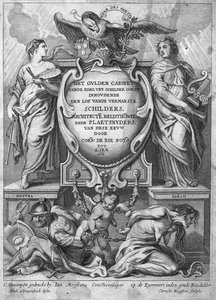
Cornelis Schut
1597 - 1655 , Belgium
Основные сведения
- Artistic Movement Or Style: High Baroque
- Artists Or Movements Influenced By This Artist: ['Nicolas Poussin']
- Artists Who Influenced This Artist:
- Peter Paul Rubens
- Abraham Janssens
- Date Of Birth: 1597
- Date Of Death: 1655
- Full Name: Cornelis Schut
- Nationality: Flemish
- Notable Artworks:
- Jesus as a Sleeping Child
- The Deposition (detail)
- The Seven Liberal Arts
- Place Of Birth: Antwerp, Belgium