

 Предпросмотр
 Поделиться
 Поделиться
 Детали произведения

 Скачать
 Похожие работы
 Рентгенография
 Слайд-шоу
 Статистика
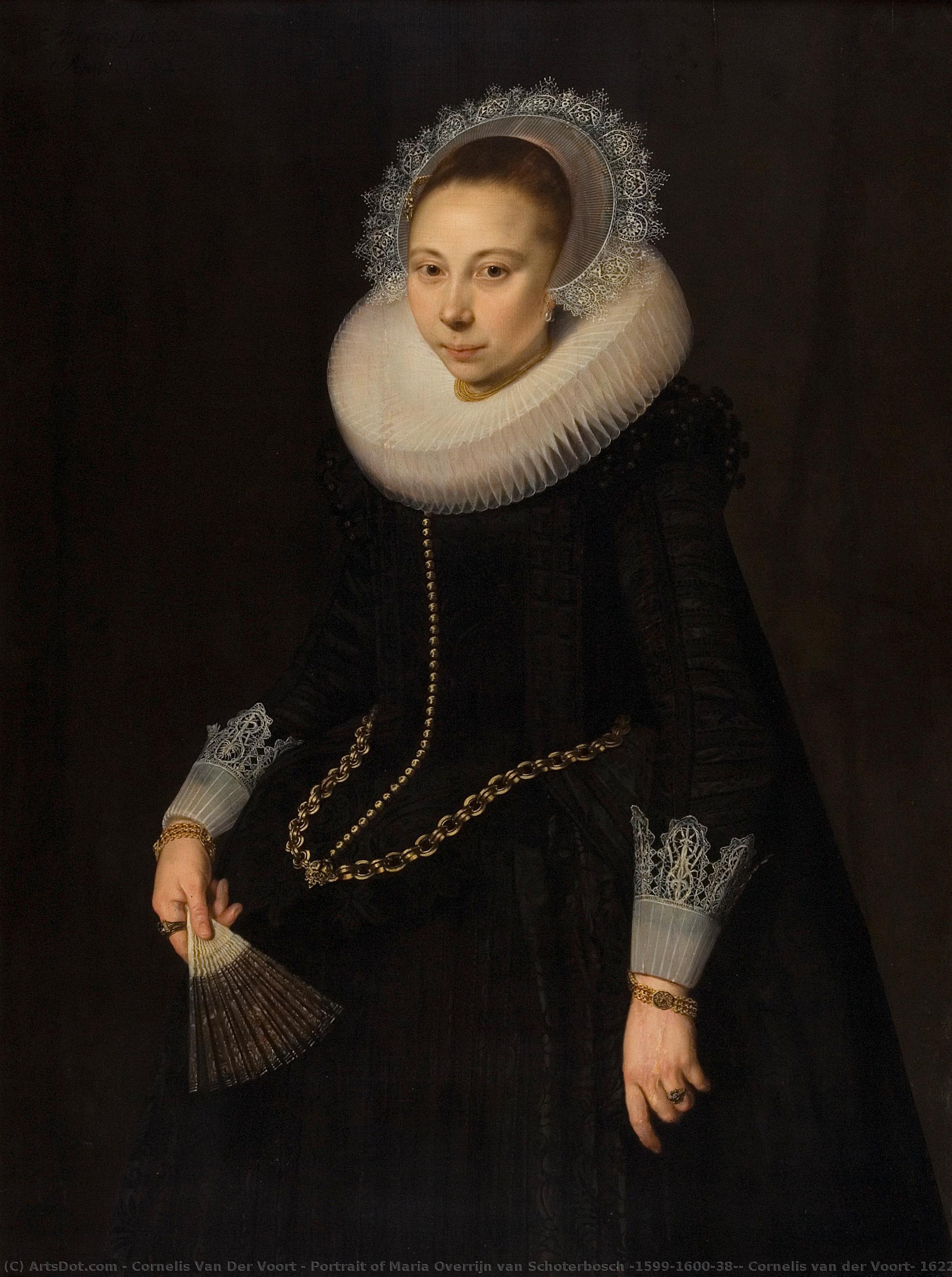
Portrait of Maria Overrijn van Schoterbosch (1599/1600-38), Cornelis van der Voort, 1622
 1622
1622 122.0 x 91.0 cm
 Читать далее
Масляная репродукция ручной работы
Картина маслом на холсте в выбранном вами размере и раме, написанная на заказ нашими художниками. ( Перейти к печати Перейти к цифровым изображениям)




































Выберите один из наших стандартных размеров, соответствующих оригинальным пропорциям произведения искусства.

Вы можете указать собственные размеры, чтобы картина идеально вписалась в выбранную раму или пространство. Если выбранный вами размер не соответствует пропорциям оригинала, мы либо обрежем полотно, либо расширим его за счет дополнительных элементов, написанных вручную. Цифровой макет будет отправлен вам на утверждение перед началом производства.
Обратите внимание, что предварительный просмотр на экране не отражает фактическую обрезку или расширение. Только макет точно покажет окончательную композицию.
Хотя доступны индивидуальные размеры, мы рекомендуем выбирать вариант из предопределенного списка, чтобы сохранить исходные пропорции.
После оформления заказа команда ArtsDot.com свяжется с клиентом по электронной почте для уточнения деталей и предоставит предварительный макет
Доставка по всему миру () за 3–4 недели вместо стандартных 5 недель. (13 Сентябрь). Без компромиссов в качестве.

Бесплатная экспресс-доставка по всему миру

Высококачественный льняной холст

Полное страхование доставки

Гарантия возмещения таможенных пошлин

Гарантия точного соответствия цветов

100-дневная политика возврата (только при обнаружении дефектов)

Гарантия возврата 100% средств

Предложение оптовых скидок
 Вариант со стеклом доступен только для размеров менее 110 см

Portrait of Maria Overrijn van Schoterbosch (1599/1600-38), Cornelis van der Voort, 1622
Техника репродукции
Размер репродукции
-


Итоговая стоимость
$ 263
Похожие произведения








Биография художника
A Life Etched in Canvas: The Early Years and Arrival in Amsterdam
Cornelis van der Voort (c. 1576 – buried on November 2, 1624) remains a captivating figure within the annals of early Dutch art, often overshadowed yet undeniably pivotal in shaping the trajectory of portrait painting during the Golden Age. Born around 1576 in Antwerp, amidst the turbulent backdrop of the Habsburg Netherlands and the burgeoning Protestant Reformation, his life was marked by both artistic promise and familial upheaval. His origins trace back to Pieter van der Voort, a cloth weaver, suggesting an upbringing rooted in practical craftsmanship – a foundation that subtly informed Van der Voort’s meticulous approach to his art.
The family's relocation to the Northern Netherlands around 1585, driven by their Calvinist beliefs and seeking refuge from religious persecution, proved transformative. This move brought them to Amsterdam, a burgeoning center of commerce and artistic innovation. It was here that young Cornelis began his artistic journey, though the specifics of his early training remain shrouded in the mists of history. While direct mentorship is elusive, art historians generally believe he honed his skills under the tutelage of masters like Aert Pietersz and, crucially, Cornelis Ketel – a figure whose own influence on Dutch portraiture was profound.
Ketel’s impact is particularly noteworthy; he introduced a new dynamism to group portraits, moving away from static formality towards a more engaging depiction of social interaction. Van der Voort clearly absorbed this innovative spirit, demonstrating an early aptitude for capturing not just likeness but also the subtle nuances of personality and atmosphere.
The Rise of the Regentenstukken: A Genre Defined
Van der Voort’s career truly blossomed in the early 17th century, coinciding with a significant shift in Dutch society. The rise of the ‘regents,’ wealthy individuals who managed charitable institutions known as ‘stichtingen,’ created a new and lucrative market for portraiture. These regenten, often prominent merchants and civic leaders, commissioned portraits not merely to commemorate their status but also to showcase their piety and commitment to the community. Van der Voort recognized this opportunity and swiftly established himself as the leading artist in this burgeoning genre – the ‘regentenstukken.’
Unlike earlier portrait styles that emphasized formality and grandeur, Van der Voort’s regentenstukken were remarkably intimate and psychologically astute. He skillfully captured the weariness of age, the shrewdness of experience, and the quiet dignity of these influential figures. His compositions were carefully arranged to create a sense of depth and realism, utilizing light and shadow to sculpt form and imbue his subjects with a palpable presence.
- Key Characteristics: Life-size format, full-length poses, intimate interiors, psychological insight, attention to detail.
- Subjects: Regenten (leaders of charitable institutions), schutters (members of civic militias).
A Master of Light and Shadow: Technique and Style
Van der Voort’s artistic style is characterized by a remarkable command of light and shadow, a technique he employed to create a sense of three-dimensionality and depth within his portraits. He meticulously observed the way light interacted with surfaces – the sheen of velvet, the texture of fabrics, the glint in the eyes – translating these observations onto canvas with astonishing accuracy.
His use of color was equally deliberate, favoring rich, earthy tones that reflected the materials and settings within his compositions. He avoided overly bright or artificial hues, opting instead for a palette that conveyed a sense of authenticity and realism. Furthermore, Van der Voort’s meticulous attention to detail extended beyond mere representation; he subtly incorporated symbolic elements into his portraits, reflecting the social and religious values of his time.
Notably, he is considered one of the first Dutch artists to introduce the full-length format to portraiture, a departure from the more compact compositions favored by many of his contemporaries.Legacy and Influence: Shaping the Course of Dutch Portraiture
Cornelis van der Voort’s influence on the development of Dutch portrait painting is undeniable. He not only popularized the regentenstukken genre but also established a new standard for realism, psychological insight, and compositional sophistication. His work served as a model for generations of artists, including Rembrandt van Rijn, who clearly drew inspiration from Van der Voort’s innovative approach.
Despite his untimely death in 1624 at the relatively young age of 48, Van der Voort left behind a significant body of work that continues to captivate viewers today. His portraits offer a rare glimpse into the lives and aspirations of a rapidly changing society – a testament to the enduring power of art to illuminate both individual character and collective history.
Основные сведения
- Artistic Movement Or Style: Early Dutch Portraiture
- Artists Or Movements Influenced By This Artist:
- Rembrandt
- Van der Weyden
- Artists Who Influenced This Artist:
- Aert Pietersz
- Cornelis Ketel
- Date Of Birth: c. 1576, Antwerp
- Date Of Death: 1624, Amsterdam
- Full Name: Cornelis van der Voort
- Nationality: Dutch
- Notable Artworks:
- Portrait of a Man
- Regentenstukken
- Schuttersstukken
- Place Of Birth: Antwerp, Netherlands