

 Предпросмотр
 Поделиться
 Поделиться
 Детали произведения

 Скачать
 Похожие работы
 Рентгенография
 Слайд-шоу
 Статистика
Amaryllis Giving Myrtill the Price
 Oil On Canvas
- WallArt
- Baroque Landscape
 1635
1635 115.0 x 146.0 cm
 Стейтлешские музеи Берлина
 Читать далее
Масляная репродукция ручной работы
Картина маслом на холсте в выбранном вами размере и раме, написанная на заказ нашими художниками. ( Перейти к печати Перейти к цифровым изображениям)




P118B $10

P118H $10

P118W $10

P438Z $10

P508JH $12

P508YH $12

P805H $10

P805Z $10

P919BZ $10

P919G $10

P919XJ $10

P959ZH $10

P968JZ $12

W106C $8

W218G $10

W218JH $8

W218Y $10

W307PJ $10

W316G $10

W316PJ $8

W316Y $10

W398PJ $8

W4111J $10

W500HY $15

W500JH $15

W692G $12

W849H $8

W940BG $15

W953PJ $8




Выберите один из наших стандартных размеров, соответствующих оригинальным пропорциям произведения искусства.

Вы можете указать собственные размеры, чтобы картина идеально вписалась в выбранную раму или пространство. Если выбранный вами размер не соответствует пропорциям оригинала, мы либо обрежем полотно, либо расширим его за счет дополнительных элементов, написанных вручную. Цифровой макет будет отправлен вам на утверждение перед началом производства.
Обратите внимание, что предварительный просмотр на экране не отражает фактическую обрезку или расширение. Только макет точно покажет окончательную композицию.
Хотя доступны индивидуальные размеры, мы рекомендуем выбирать вариант из предопределенного списка, чтобы сохранить исходные пропорции.
После оформления заказа команда ArtsDot.com свяжется с клиентом по электронной почте для уточнения деталей и предоставит предварительный макет
Доставка по всему миру () за 3–4 недели вместо стандартных 5 недель. (12 Сентябрь). Без компромиссов в качестве.

Бесплатная экспресс-доставка по всему миру

Высококачественный льняной холст

Полное страхование доставки

Гарантия возмещения таможенных пошлин

Гарантия точного соответствия цветов

100-дневная политика возврата (только при обнаружении дефектов)

Гарантия возврата 100% средств

Предложение оптовых скидок
 Вариант со стеклом доступен только для размеров менее 110 см

Amaryllis Giving Myrtill the Price
Техника репродукции
Размер репродукции
-


Итоговая стоимость
$ 263
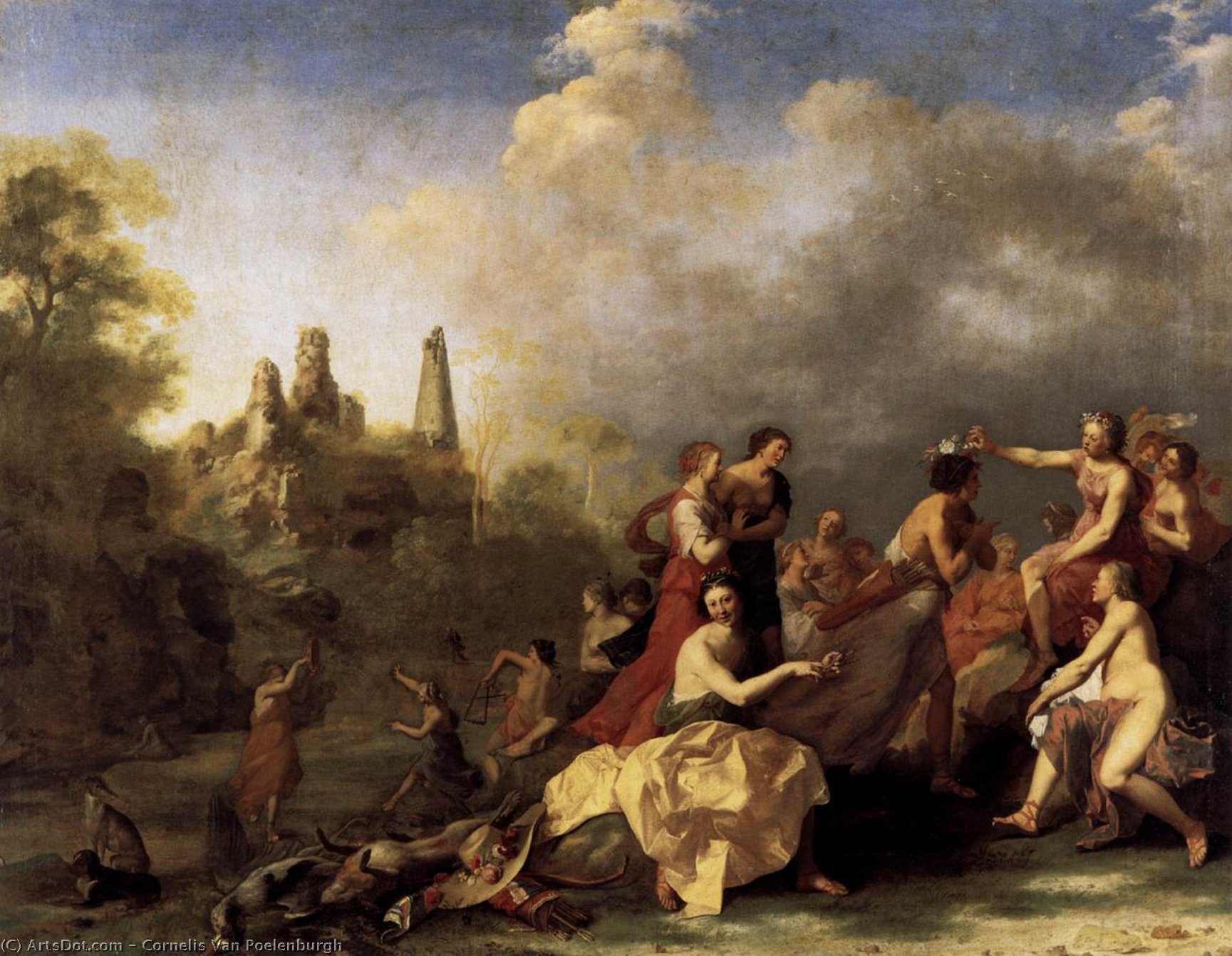
Cornelis van Poelenburgh’s “Amaryllis Giving Myrtill the Price”: A Dialogue Between Arcadia and Virtue
The painting "Amaryllis Giving Myrtill the Price," executed in 1635 by Cornelis van Poelenburch, stands as a testament to the burgeoning Dutch Golden Age landscape tradition—a movement that sought to elevate genre painting beyond mere depiction of pastoral scenes into vehicles for moral contemplation. More than just capturing a picturesque vista, this artwork engages in a sophisticated symbolic conversation between Arcadia – the idealized realm of shepherds and nymphs – and virtue, represented by Myrtill, who willingly offers herself as tribute to Amaryllis, symbolizing chastity and spiritual devotion. Van Poelenburch’s stylistic approach aligns closely with the Roman landscape painters who preceded him, particularly Andrea Pozzo and Giovanni Battista Piranesi. He employs a meticulous technique characterized by layered glazing—a hallmark of Baroque painting—to achieve remarkable tonal depth and luminosity. The canvas is dominated by a hazy hillside bathed in soft sunlight, punctuated by scattered cypress trees and distant mountains. These elements contribute to an atmosphere of serene grandeur, reflecting the prevailing humanist ideals of his time. Unlike earlier Dutch landscape painters who favored more restrained compositions, Van Poelenburch’s scene pulsates with subtle movement, conveyed through delicately rendered foliage and atmospheric perspective. The composition itself is carefully orchestrated. Amaryllis, positioned centrally on the left side of the canvas, embodies nobility and grace—a figure often associated with divine beauty and moral fortitude. Her gaze directs towards Myrtill, who stands humbly before her, offering a garland of flowers as a gesture of submission. This visual narrative underscores the importance of spiritual purity and selfless devotion within humanist philosophy. The inclusion of mythological figures – Apollo and Diana – subtly reinforces this theme, suggesting that earthly beauty finds its fulfillment in aligning with divine order. Historical Context: Painted during the early 17th century, “Amaryllis Giving Myrtill the Price” reflects the intellectual fervor of the period—a time when artists actively engaged with classical ideals and sought to express moral truths through visual art. The painting’s patronage likely stemmed from wealthy families committed to upholding Christian virtues, aligning perfectly with the artistic sensibilities of the era. It exemplifies the Dutch fascination with reviving Roman grandeur while simultaneously grounding its aesthetic aspirations in humanist ethics. Symbolism: Beyond its formal beauty, the artwork is laden with symbolic significance. The cypress trees represent immortality and remembrance—a poignant reminder of mortality’s inevitable passage. The garland offered by Myrtill symbolizes chastity and spiritual devotion, highlighting the virtues considered paramount during this period. Furthermore, the hazy landscape serves as a metaphor for the human soul—obscured yet illuminated by divine grace. Emotional Impact: Viewing “Amaryllis Giving Myrtill the Price” evokes a profound sense of tranquility and contemplation. The artist’s masterful use of light and color creates an immersive experience that transports the viewer to a timeless realm of pastoral splendor. It speaks to the enduring human desire for beauty, harmony, and moral elevation—themes that continue to resonate with audiences today. This painting is more than just a landscape; it's an invitation to consider the profound relationship between earthly existence and spiritual aspiration.Похожие произведения
Биография художника
Ранние годы и обучение
Корнелис ван Поленбург, выдающийся голландский пейзажист, родился в Утрехте, Нидерланды, в 1594 году. Изначально он обучался у Абрахама Блоэмаerta, известного художника того времени. Это фундаментальное обучение заложило основу для будущего успеха ван Поленбурга.Художественная карьера и влияние
Поездки ван Поленбурга в Рим в начале XVII века оказали огромное влияние на его творчество, сделав его ведущим представителем первого поколения голландских пейзажистов, работавших в Италии. Его небольшие полотна, часто изображающие итальянские пейзажи с маленькими фигурами, разыгрывающими библейские или мифологические сцены, демонстрировали его неповторимый стиль. Известные работы:- Сатиры, шпионящие на нимф (после 1627 г.), характерный пример творчества ван Поленбурга, изображающий архаичные пейзажи с купающимися фигурами. (посмотреть в ArtsDot)
- Совет богов (около 1630 г.), картина, демонстрирующая идеализированный холмистый пейзаж ван Поленбурга и богинь в римском стиле, ныне хранящаяся в Маурициусе (Гаага, Нидерланды). (посмотреть в ArtsDot)
Наследие и поздние годы
Творчество ван Поленбурга высоко ценилось его современниками, включая герцога Тосканского и голландского статхольдера. Позднее он вернулся в Утрехт, где скончался в 1667 году, всего через несколько лет после своего старого учителя Абрахама Блоэмаerta. Ключевые моменты:- родился в Утрехте, Нидерланды, в 1594 г.
- обучался у Абрахама Блоэмаerta
- под влиянием пребывания в Риме
- известен своими небольшими итальянскими пейзажами с фигурами
- умер в Утрехте в 1667 г. посмотреть работы Корнелиса ван Поленбурга в ArtsDot узнать больше о Корнелисе ван Поленбурге на Википедии
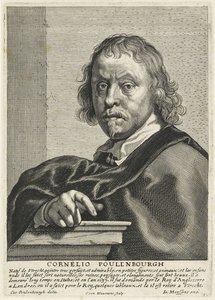
Корнелис Ван Поленбург
1594 - 1667 , Нидерланды
Основные сведения
- Artistic Movement Or Style: Голландский пейзаж, Романизм
- Artists Or Movements Influenced By This Artist: ['Клод Лорен']
- Artists Who Influenced This Artist: ['Абрахам Блоэмаерт']
- Date Of Birth: 1594 год, Утрехт, Нидерланды
- Date Of Death: 1667 год, Утрехт, Нидерланды
- Full Name: Корнелис ван Поленбург
- Nationality: Голландский
- Notable Artworks:
- Сатиры, шпионящие на нимф
- Совет богов
- Place Of Birth: Утрехт, Нидерланды
Похожие статьи
Jacob van Ruisdael: Master of Dutch Landscape & the Evocation of National Identity
Explore the life & work of Jacob van Ruisdael, the preeminent Dutch landscape painter. Discover his technical brilliance, symbolic depth, and lasting influence on art history. Learn about collecting Ruisdael's masterpieces.
Jan van Goyen: Master of Dutch Landscape & Atmospheric Perspective
Discover Jan van Goyen, the master of Dutch landscape painting. Explore his subtle technique, atmospheric realism & lasting influence on art history. Learn about this 17th-century pioneer at ArtsDot.

Рембрандт ван Рейн: Топ-25 шедевров великого голландского мастера | ArtsDot
Погрузитесь в мир великого Рембрандта! 25 шедевров голландского барокко, истории создания картин и уникальные техники художника. Купите репродукции картин Рембрандта высочайшего качества для вашего интерьера на ArtsDot.com
Cornelis van Poelenburch: Bridging Mannerism & the Dutch Baroque Landscape
Discover Cornelis van Poelenburch, a pivotal Dutch Baroque landscape painter bridging Mannerism & Italianate styles. Explore his life, key works, and lasting influence on 17th-century art with ArtsDot.

Топ-10 шедевров голландского барокко: искусство для вашего интерьера от ArtsDot.com
Погрузитесь в мир голландского барокко! От Рембрандта до Вермеера – 10 шедевров, изменивших искусство. Узнайте истории создания и технику великих мастеров. Репродукции картин высочайшего качества для вашего интерьера на ArtsDot.com.