

 Предпросмотр
 Поделиться
 Поделиться
 Детали произведения

 Скачать
 Похожие работы
 Рентгенография
 Слайд-шоу
 Статистика
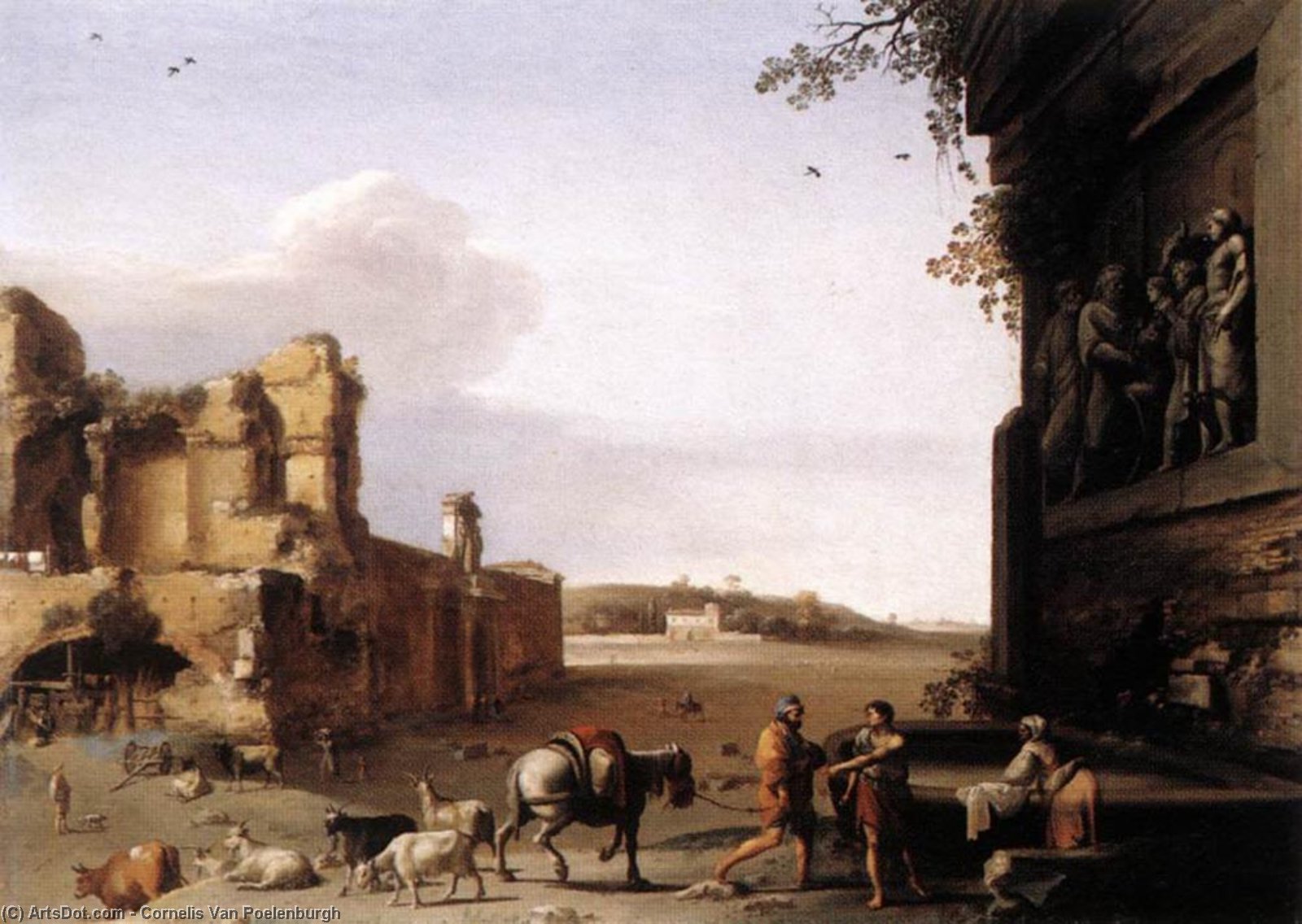
Ruins of Ancient Rome
 Oil On Canvas
- WallArt
- Baroque Landscape
 1620
1620- Early Modern
 44.0 x 57.0 cm
 Лувр
Лувр
 Читать далее
Масляная репродукция ручной работы
Картина маслом на холсте в выбранном вами размере и раме, написанная на заказ нашими художниками. ( Перейти к печати Перейти к цифровым изображениям)




P118B $10

P118H $10

P118W $10

P438Z $10

P508JH $12

P508YH $12

P805H $10

P805Z $10

P919BZ $10

P919G $10

P919XJ $10

P959ZH $10

P968JZ $12

W106C $8

W218G $10

W218JH $8

W218Y $10

W307PJ $10

W316G $10

W316PJ $8

W316Y $10

W398PJ $8

W4111J $10

W500HY $15

W500JH $15

W692G $12

W849H $8

W940BG $15

W953PJ $8




Выберите один из наших стандартных размеров, соответствующих оригинальным пропорциям произведения искусства.

Вы можете указать собственные размеры, чтобы картина идеально вписалась в выбранную раму или пространство. Если выбранный вами размер не соответствует пропорциям оригинала, мы либо обрежем полотно, либо расширим его за счет дополнительных элементов, написанных вручную. Цифровой макет будет отправлен вам на утверждение перед началом производства.
Обратите внимание, что предварительный просмотр на экране не отражает фактическую обрезку или расширение. Только макет точно покажет окончательную композицию.
Хотя доступны индивидуальные размеры, мы рекомендуем выбирать вариант из предопределенного списка, чтобы сохранить исходные пропорции.
После оформления заказа команда ArtsDot.com свяжется с клиентом по электронной почте для уточнения деталей и предоставит предварительный макет
Доставка по всему миру () за 3–4 недели вместо стандартных 5 недель. (10 Сентябрь). Без компромиссов в качестве.

Бесплатная экспресс-доставка по всему миру

Высококачественный льняной холст

Полное страхование доставки

Гарантия возмещения таможенных пошлин

Гарантия точного соответствия цветов

100-дневная политика возврата (только при обнаружении дефектов)

Гарантия возврата 100% средств

Предложение оптовых скидок
 Вариант со стеклом доступен только для размеров менее 110 см

Ruins of Ancient Rome
Техника репродукции
Размер репродукции
-


Итоговая стоимость
$ 263
Ruins of Ancient Rome by Cornelis van Poelenburgh
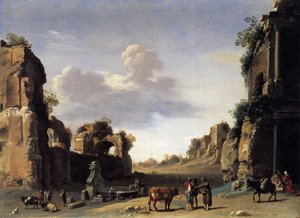
Cornelis van Poelenburgh (1594 – 1667), a pivotal Dutch landscape painter and draughtsman, stands as one of the foremost figures of the Utrecht Caravaggisti—a movement that irrevocably transformed Dutch art in the early 17th century. Influenced profoundly by the dramatic style pioneered by Michelangelo Merisi da Caravaggio, van Poelenburgh’s oeuvre embodies a masterful fusion of Mannerist elegance and Baroque dynamism, establishing him as a cornerstone of artistic innovation during his era. His legacy continues to resonate with collectors and artists alike, securing his place amongst the titans of Dutch Golden Age painting.- Subject Matter: Van Poelenburgh’s canvases frequently depict evocative landscapes imbued with mythological or biblical narratives—a deliberate choice reflecting the intellectual currents of the time. Notably, “Ruins of Ancient Rome,” completed around 1620, captures a scene steeped in grandeur and melancholy, presenting the crumbling vestiges of Roman civilization against a backdrop of serene Italian skies.
- Style & Technique: The artist’s distinctive approach—characterized by meticulous detail and masterful chiaroscuro—is unmistakably Caravaggesque. He skillfully employs dramatic contrasts between light and shadow to heighten emotional impact and imbue his compositions with palpable atmosphere. This technique, honed through extensive study of Caravaggio's work in Rome, elevates the painting beyond mere representation, transforming it into a conduit for conveying profound psychological states.
- Historical Context: Van Poelenburgh’s artistic journey coincided with an era marked by intellectual ferment and religious upheaval—the Dutch Golden Age. The Bentvueghels circle of artists, to which he belonged, actively engaged in disseminating humanist ideals and exploring the relationship between art and philosophy. His Roman travels fueled his fascination with classical antiquity and informed his stylistic choices, aligning him squarely within the broader artistic landscape of his time.
- Symbolism: The ruins themselves serve as potent symbols—representing decay, mortality, and the inexorable passage of time. Yet, amidst this solemn depiction, van Poelenburgh introduces elements of beauty and tranquility—the distant hills bathed in sunlight, the soaring birds—suggesting resilience and an enduring connection to nature’s rhythms. These juxtapositions underscore a deeper contemplation on humanity's place within the grand scheme of existence.
- Emotional Impact: “Ruins of Ancient Rome” transcends mere visual spectacle; it evokes a palpable sense of contemplative sorrow. The artist’s masterful rendering captures not only the physical appearance of the ruins but also their emotional resonance—a poignant reminder of vanished glory and an invitation to ponder the ephemeral nature of human achievement.
Related Works
Explore similar paintings by Cornelis van Poelenburgh and contemporaries, delving into the stylistic innovations that defined the Utrecht Caravaggisti movement. Discover artworks reflecting comparable themes of mythology, religion, and landscape grandeur.Resources
For deeper insights into Cornelis van Poelenburgh’s life and artistic legacy, consult scholarly publications examining his biography, oeuvre, and influence on subsequent generations of painters. Access online databases documenting his paintings—including detailed images and provenance information—to enrich your understanding of this celebrated Dutch master.Where to Find Reproductions
Admire “Ruins of Ancient Rome” in high-resolution reproductions available at reputable art galleries and online retailers. Enhance your interior décor with a stunning print or canvas rendition of van Poelenburgh’s masterpiece—bringing the evocative beauty of Dutch Baroque landscape painting into your home.Похожие произведения
Биография художника
Ранние годы и обучение
Корнелис ван Поленбург, выдающийся голландский пейзажист, родился в Утрехте, Нидерланды, в 1594 году. Изначально он обучался у Абрахама Блоэмаerta, известного художника того времени. Это фундаментальное обучение заложило основу для будущего успеха ван Поленбурга.Художественная карьера и влияние
Поездки ван Поленбурга в Рим в начале XVII века оказали огромное влияние на его творчество, сделав его ведущим представителем первого поколения голландских пейзажистов, работавших в Италии. Его небольшие полотна, часто изображающие итальянские пейзажи с маленькими фигурами, разыгрывающими библейские или мифологические сцены, демонстрировали его неповторимый стиль. Известные работы:- Сатиры, шпионящие на нимф (после 1627 г.), характерный пример творчества ван Поленбурга, изображающий архаичные пейзажи с купающимися фигурами. (посмотреть в ArtsDot)
- Совет богов (около 1630 г.), картина, демонстрирующая идеализированный холмистый пейзаж ван Поленбурга и богинь в римском стиле, ныне хранящаяся в Маурициусе (Гаага, Нидерланды). (посмотреть в ArtsDot)
Наследие и поздние годы
Творчество ван Поленбурга высоко ценилось его современниками, включая герцога Тосканского и голландского статхольдера. Позднее он вернулся в Утрехт, где скончался в 1667 году, всего через несколько лет после своего старого учителя Абрахама Блоэмаerta. Ключевые моменты:- родился в Утрехте, Нидерланды, в 1594 г.
- обучался у Абрахама Блоэмаerta
- под влиянием пребывания в Риме
- известен своими небольшими итальянскими пейзажами с фигурами
- умер в Утрехте в 1667 г. посмотреть работы Корнелиса ван Поленбурга в ArtsDot узнать больше о Корнелисе ван Поленбурге на Википедии
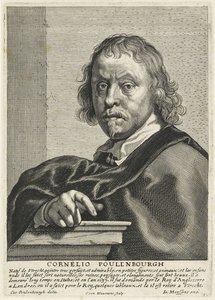
Корнелис Ван Поленбург
1594 - 1667 , Нидерланды
Основные сведения
- Artistic Movement Or Style: Голландский пейзаж, Романизм
- Artists Or Movements Influenced By This Artist: ['Клод Лорен']
- Artists Who Influenced This Artist: ['Абрахам Блоэмаерт']
- Date Of Birth: 1594 год, Утрехт, Нидерланды
- Date Of Death: 1667 год, Утрехт, Нидерланды
- Full Name: Корнелис ван Поленбург
- Nationality: Голландский
- Notable Artworks:
- Сатиры, шпионящие на нимф
- Совет богов
- Place Of Birth: Утрехт, Нидерланды
Похожие статьи
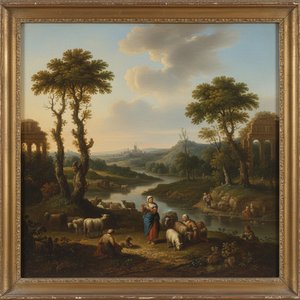
Nicolaes Berchem: Dutch Golden Age Pastoralism & the Evolution of Landscape Painting
Explore the captivating world of Nicolaes Berchem, a leading Dutch Golden Age painter. Discover his idyllic landscapes, masterful technique & lasting influence on art history. Learn more at ArtsDot.

Golden Age Reflections: Dutch Baroque Painting & Cultural Innovation
Explore the Dutch Golden Age of painting! Discover key artists like Vermeer & ter Borch, their innovative techniques, and the rich cultural context behind these Baroque masterpieces. Learn about collecting & appreciating this iconic art period.

Золотой век Голландии: 10 шедевров, изменивших искусство | ArtsDot.com
Погрузитесь в эпоху Золотого века Нидерландов! 10 шедевров Рембрандта, Вермеера и других мастеров. Узнайте истории создания культовых картин и вдохновитесь для интерьера. Репродукции музейного качества на ArtsDot.com.
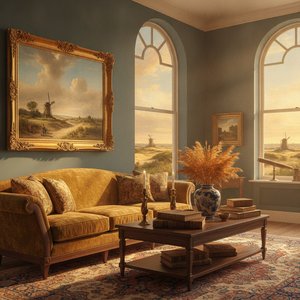
Golden Light & Dutch Skies: Bringing the Magic of Dutch Golden Age Landscapes into Your Home
Transform your home with the breathtaking light of Dutch Golden Age landscapes. Discover how hand-painted oil reproductions of masterworks like Ruisdael and Vermeer bring timeless elegance, atmosphere, and soulful texture to modern interiors. Elevate your space with museum-quality art.
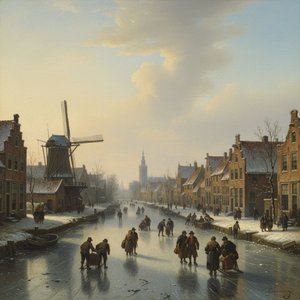
Charles Leickert: Capturing the Dutch Golden Age Light – A Comprehensive Study of Technique, Context, and Legacy
Explore the captivating winter landscapes of Charles Leickert, a master of Dutch Golden Age light & atmosphere. Discover his techniques, symbolism, and lasting legacy – a comprehensive study for art enthusiasts and collectors.