

 Предпросмотр
 Поделиться
 Поделиться
 Детали произведения

 Скачать
 Похожие работы
 Рентгенография
 Слайд-шоу
 Статистика
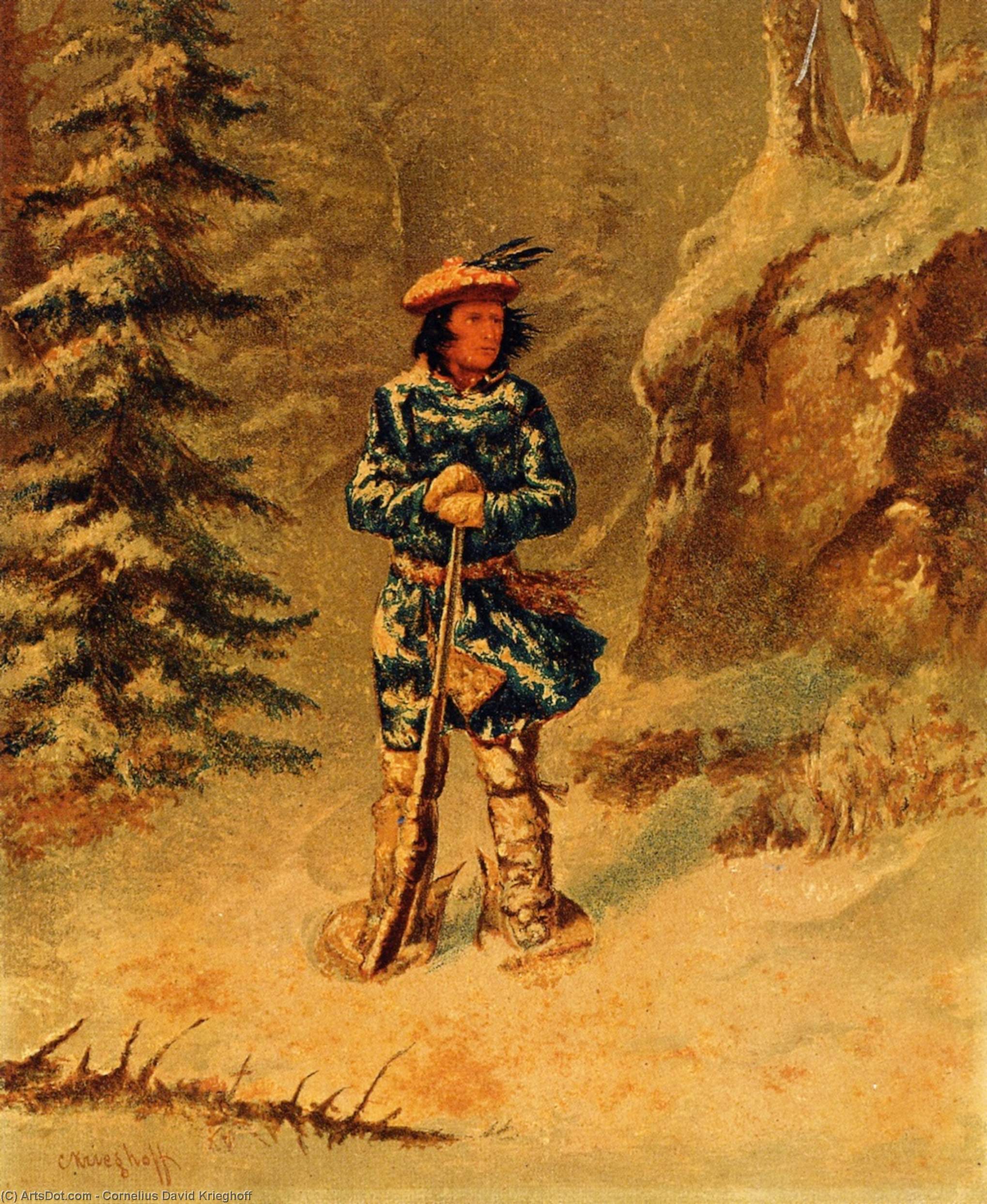
In Doubt of Track, Iroquois'' Indian''


 Читать далее
Масляная репродукция ручной работы
Картина маслом на холсте в выбранном вами размере и раме, написанная на заказ нашими художниками. ( Перейти к печати Перейти к цифровым изображениям)




P118B $10

P118H $10

P118W $10

P438Z $10

P508JH $12

P508YH $12

P805H $10

P805Z $10

P919BZ $10

P919G $10

P919XJ $10

P959ZH $10

P968JZ $12

W106C $8

W218G $10

W218JH $8

W218Y $10

W307PJ $10

W316G $10

W316PJ $8

W316Y $10

W398PJ $8

W4111J $10

W500HY $15

W500JH $15

W692G $12

W849H $8

W940BG $15

W953PJ $8




Выберите один из наших стандартных размеров, соответствующих оригинальным пропорциям произведения искусства.

Вы можете указать собственные размеры, чтобы картина идеально вписалась в выбранную раму или пространство. Если выбранный вами размер не соответствует пропорциям оригинала, мы либо обрежем полотно, либо расширим его за счет дополнительных элементов, написанных вручную. Цифровой макет будет отправлен вам на утверждение перед началом производства.
Обратите внимание, что предварительный просмотр на экране не отражает фактическую обрезку или расширение. Только макет точно покажет окончательную композицию.
Хотя доступны индивидуальные размеры, мы рекомендуем выбирать вариант из предопределенного списка, чтобы сохранить исходные пропорции.
После оформления заказа команда ArtsDot.com свяжется с клиентом по электронной почте для уточнения деталей и предоставит предварительный макет
Доставка по всему миру () за 3–4 недели вместо стандартных 5 недель. (12 Сентябрь). Без компромиссов в качестве.

Бесплатная экспресс-доставка по всему миру

Высококачественный льняной холст

Полное страхование доставки

Гарантия возмещения таможенных пошлин

Гарантия точного соответствия цветов

100-дневная политика возврата (только при обнаружении дефектов)

Гарантия возврата 100% средств

Предложение оптовых скидок
 Вариант со стеклом доступен только для размеров менее 110 см

In Doubt of Track, Iroquois'' Indian''
Техника репродукции
Размер репродукции
-


Итоговая стоимость
$ 263
A Moment Frozen in Time: The Solitude of the Iroquois Hunter
In the quiet, frost-bitten stillness of 1868, Cornelius David Krieghoff captured a moment of profound tension and contemplation in his lithograph, In Doubt of Track, Iroquois' Indian. The scene unfolds upon a landscape draped in a heavy mantle of snow, where the biting chill of the Canadian wilderness is almost palpable to the viewer. At the heart of this composition stands an Iroquois hunter, a figure of quiet dignity and intense focus. Clad in a deep blue coat that contrasts strikingly against the blinding whites and soft greys of the wintry terrain, he holds his rifle with a practiced, steady hand. His gaze is not fixed on the viewer, but rather cast toward something unseen—perhaps a broken twig, a faint disturbance in the snow, or the distant movement of prey. This subtle uncertainty, suggested by the very title of the work, invites us to share in his hunter’s instinct, pulling us into the psychological depth of a man navigating the delicate balance between survival and the mysteries of the natural world.
Krieghoff, an artist whose life bridged the refined academies of Europe and the rugged frontiers of North America, brings a unique mastery to this piece. Through the medium of lithography, he achieves a remarkable level of texture and atmospheric depth that transcends the limitations of printmaking. The precision of his lines allows for the intricate rendering of the snow-covered ground and the skeletal silhouettes of the surrounding trees, while his use of light creates a sense of vast, open space. The composition is masterfully balanced; by placing the subject centrally, Krieghoff ensures that our eyes are immediately drawn to the hunter’s expression, yet the sweeping backdrop of distant mountains provides a sense of epic scale. This interplay between the intimate human emotion and the overwhelming grandeur of the landscape creates a powerful tension that is characteristic of 19th-century romanticism.
Beyond its technical brilliance, the painting serves as a poignant historical window into a vanishing era. Krieghoff’s ability to portray the Iroquois man with profound respect and nuance elevates the work from a mere landscape to a soulful portrait of cultural endurance. The cool palette of blues, whites, and muted earth tones evokes a sense of calm, yet beneath this serenity lies the underlying drama of the hunt and the rugged reality of life in the wilderness. For the discerning collector or interior designer, this piece offers more than just aesthetic beauty; it provides a narrative anchor for a room. Whether placed in a study filled with leather-bound books or as a focal point in a modern, minimalist space, In Doubt of Track brings with it an aura of timelessness, strength, and the enduring spirit of exploration.
Похожие произведения
Биография художника
Cornelius David Krieghoff: A Painter of Canadian Identity
Cornelius David Krieghoff, a name inextricably linked to the vibrant and evolving portrayal of 19th-century Canada, was an artist whose life’s journey mirrored the nation's own transformation. Born in Amsterdam in 1815 into a family with artistic roots – his father, Johann Ernst Krieghoff, fostered both musical talent and a love for painting within him – Krieghoff’s early years were steeped in a tradition of creative expression. This foundation, combined with the unique circumstances of his upbringing near Schloss Mainberg, provided an unexpectedly stable environment during his formative artistic development, a period that would ultimately shape his distinctive style and worldview. However, destiny had other plans; a restless spirit and a yearning for adventure propelled him far beyond the familiar landscapes of his birth.From Soldier to Observer: The Seeds of Artistic Vision
In 1836, Krieghoff embarked on a pivotal chapter when he emigrated to New York City. The following year saw him enlist in the United States Army, participating in the grueling Second Seminole War in Florida. This experience, though not marked by military glory, proved profoundly influential. It wasn’t merely a period of service; it was a crucial apprenticeship in observation – Krieghoff diligently sketched the landscapes, the people, and the daily lives of those he encountered. These early drawings weren't simply battlefield records; they were explorations of a new world, a nascent artistic voice struggling to find its form. Discharged as a corporal in 1840, this period ignited a desire for further exploration and refinement, leading him on a journey through Europe – Paris, Italy, and Germany – where he sought to absorb the techniques and philosophies of established masters. Crucially, his time with Michel Martin Drolling at the Louvre provided invaluable instruction in composition, color theory, and the principles of academic painting, skills that would later inform his distinctive approach. He wasn’t simply copying; he was actively absorbing and adapting, preparing himself for the unique challenges and opportunities presented by the Canadian landscape.Finding a Home: Quebec and the Birth of a Style
Around 1846, Krieghoff established a home in Longueuil, Quebec, marking the beginning of his most prolific and personally significant period. This settlement wasn’t merely a relocation; it was an embrace of a new culture and a deepening connection to the Canadian identity he would come to portray so powerfully. He quickly became a founding member of the Montreal Society of Artists in 1847, demonstrating his commitment to fostering a thriving artistic community within Quebec. Yet, Krieghoff’s approach to art was remarkably unconventional – eschewing the established routes of galleries and wealthy patrons, he famously sold his paintings directly to the public for modest sums—between five and ten dollars. This direct engagement with the people allowed him to capture the essence of everyday Canadian life, fostering a genuine connection between artist and audience. His subjects were diverse: scenes of rural life, portraits of local residents, and, most notably, poignant depictions of Indigenous peoples, particularly through his interactions with the Mohawk community at Kahnawake – images that would become increasingly important in shaping public perceptions of First Nations culture. His move to Quebec City in 1853 solidified this connection, providing a base from which he produced an astonishing volume of work over the next decade.A Painter of the Canadian Landscape
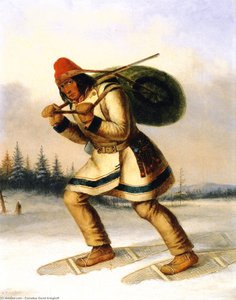
Krieghoff’s artistic style is characterized by a remarkable blend of realism and evocative storytelling. His winter landscapes are particularly renowned – snow-covered fields, frozen rivers, and figures bundled against the cold rendered with a masterful understanding of light and atmosphere. He drew inspiration from German genre painting, notably the work of Wilhelm von Schadow, which focused on everyday scenes and human interactions; however, he also incorporated elements of the Hudson River School landscape tradition, evident in his expansive vistas and dramatic skies. His most iconic works – such as *Indian Trapper on Snowshoes*, *Caughnawaga Indian Encampment at a Portage*, and *A Caughnawage Woman* – capture not only the beauty of the Canadian wilderness but also the dignity and resilience of its inhabitants. The “Toll Gate” series, depicting scenes of rural life along a road, became a recurring motif, reflecting Krieghoff’s fascination with the rhythms of daily existence in 19th-century Canada. His ability to capture both the grandeur of the landscape and the intimate details of human experience cemented his place as one of Canada's most important artists of the era.Legacy and Enduring Significance
Cornelius David Krieghoff died in Chicago in 1872, leaving behind a rich legacy that continues to resonate today. His paintings offer invaluable insights into the social, cultural, and geographical landscape of Canada during a period of profound transformation – before Confederation, as it was then known. He moved beyond purely European influences, forging a visual language that spoke directly to the Canadian people and captured the spirit of a nation in transition. His work is now recognized not only for its technical skill but also for its contribution to shaping a distinctly Canadian artistic identity, reminding us of the power of art to document history, celebrate culture, and evoke a profound sense of place.- Indian Trapper on Snowshoes
- Caughnawaga Indian Encampment at a Portage
- A Caughnawage Woman
- The Toll Gate (various versions)
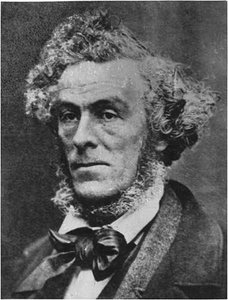
Корнелиус Дэвид Крёйгхофф
1815 - 1872 , Нидерланды
Основные сведения
- Artistic Movement Or Style: Жанровое живопись
- Artists Or Movements Influenced By This Artist: ['Художественная школа Гудсонов']
- Artists Who Influenced This Artist: ['Вильгельм фон Шадов']
- Date Of Birth: 19 июня 1815 г.
- Date Of Death: 5 марта 1872 г.
- Full Name: Cornelius David Krieghoff
- Nationality: Нидерландско-канадский
- Notable Artworks:
- Охотник на снегу
- Поселение кануага
- Женщина кануага
- Казначей
- Place Of Birth: Амстердам, Нидерланды
Похожие статьи

25 Шедевров Поля Сезанна: Открывая Новую Эру в Искусстве | ArtsDot
Откройте для себя 25 величайших шедевров Поля Сезанна! Узнайте истории создания картин импрессионизма и постимпрессионизма, технику художника и вдохновение для вашего интерьера. Репродукции картин Сезанна высокого качества на ArtsDot.com.

Топ-10 знаменитых картин в оттенках серо-голубого: искусство и декор от ArtsDot
Погрузитесь в мир серо-голубых оттенков! От Моне до Ренуара – 10 знаменитых картин, вдохновляющих на создание уникального интерьера. Репродукции высокого качества от ArtsDot.com. Explore the full collection online!
The Allure of Azure: Exploring the Symbolic & Aesthetic Depths of Blue in Art History
Explore the rich history of blue in art! Discover its symbolism, from ancient pigments to modern masterpieces by Kandinsky & Seurat. Uncover the psychological impact and cultural meanings behind this captivating hue.
Azure Visions: Exploring Representations of the Blue Dress in Western Art History
Explore the rich history of the blue dress in Western art! Discover its symbolism, from Renaissance masterpieces to modern interpretations by artists like Martin & Schiele. Uncover cultural meanings and artistic techniques.
Макс Эрнст: 25 шедевров сюрреализма для ценителей искусства и декора интерьера
Погрузитесь в мир сюрреализма с Максом Эрнстом! 25 культовых картин, раскрывающих тайны подсознания и новаторские техники. Репродукции высокого качества для вашего интерьера на ArtsDot.com. Откройте всю коллекцию онлайн!