

 Предпросмотр
 Поделиться
 Поделиться
 Детали произведения

 Скачать
 Похожие работы
 Рентгенография
 Слайд-шоу
 Статистика
The Battle of Aboukir


 Читать далее
Приобретите цифровое изображение высокого разрешения в улучшенном качестве, которое значительно превосходит онлайн-превью.
Каждый файл тщательно подготавливается нашими специалистами с использованием передовых инструментов и экспертной ручной ретуши. Мы гарантируем исключительную четкость, точную цветопередачу и детальную проработку каждого изображения.
Финальный файл доставляется по электронной почте в течение 72 часов и оптимизирован для немедленного использования в профессиональной среде, при верстке и печати. Это тот же уровень качества, которому доверяют ведущие дизайнерские студии, издательства и галереи.
Цифровое изображение
Скачайте файл высокого разрешения для личного использования, печати и творческих проектов. ( Перейти к печати Купить картину ручной работы)
Включено в каждый заказ цифровых изображений
Гарантия экспертной цифровой доставки
Выбирая ArtsDot.com, вы получаете не просто изображение — вы приобретаете профессионально обработанное цифровое произведение искусства, созданное с безупречной точностью и под защитой гарантии качества. Вот всё, что автоматически входит в ваш заказ:

Мгновенная доставка по e-mail
Ваш цифровой файл в высоком разрешении будет отправлен вам по электронной почте в течение 72 часов после оформления заказа — и сразу станет доступен для использования.

Цифровой файл с ИИ-улучшением
Ваше произведение искусства проходит профессиональную оптимизацию с использованием передовых инструментов ИИ и ручной обработки, что гарантирует максимальную детализацию, четкость и точность цветопередачи.

Бессрочная бесплатная повторная доставка
Случайно удалили или потеряли файл? Не беспокойтесь — мы отправим его вам повторно в любое время и совершенно бесплатно.

Без импортных пошлин — навсегда
Наслаждайтесь вашим произведением искусства мгновенно без таможенных пошлин, сборов или затрат на доставку — цифровые загрузки всегда не облагаются налогом.

Гарантия точности цветопередачи
Мы гарантируем, что ваше цифровое изображение максимально точно передает оригинальные цвета благодаря использованию профессиональных инструментов и систем управления цветом.

Гарантия удовлетворенности 100 дней
Если вы не будете удовлетворены своим цифровым изображением, мы внесем правки или вернем 100% стоимости в течение 100 дней — без лишних вопросов.

100% Гарантия возврата средств
Не удовлетворены покупкой? Получите полный возврат средств в течение 100 дней после получения цифрового файла — без лишних вопросов.

Скидки на оптовые заказы
Купите 3 изображения, сэкономьте 10% — Купите 5, сэкономьте 15% — Купите 10+, сэкономьте 20%. Отличное решение для творческих проектов, галерей и агентств.
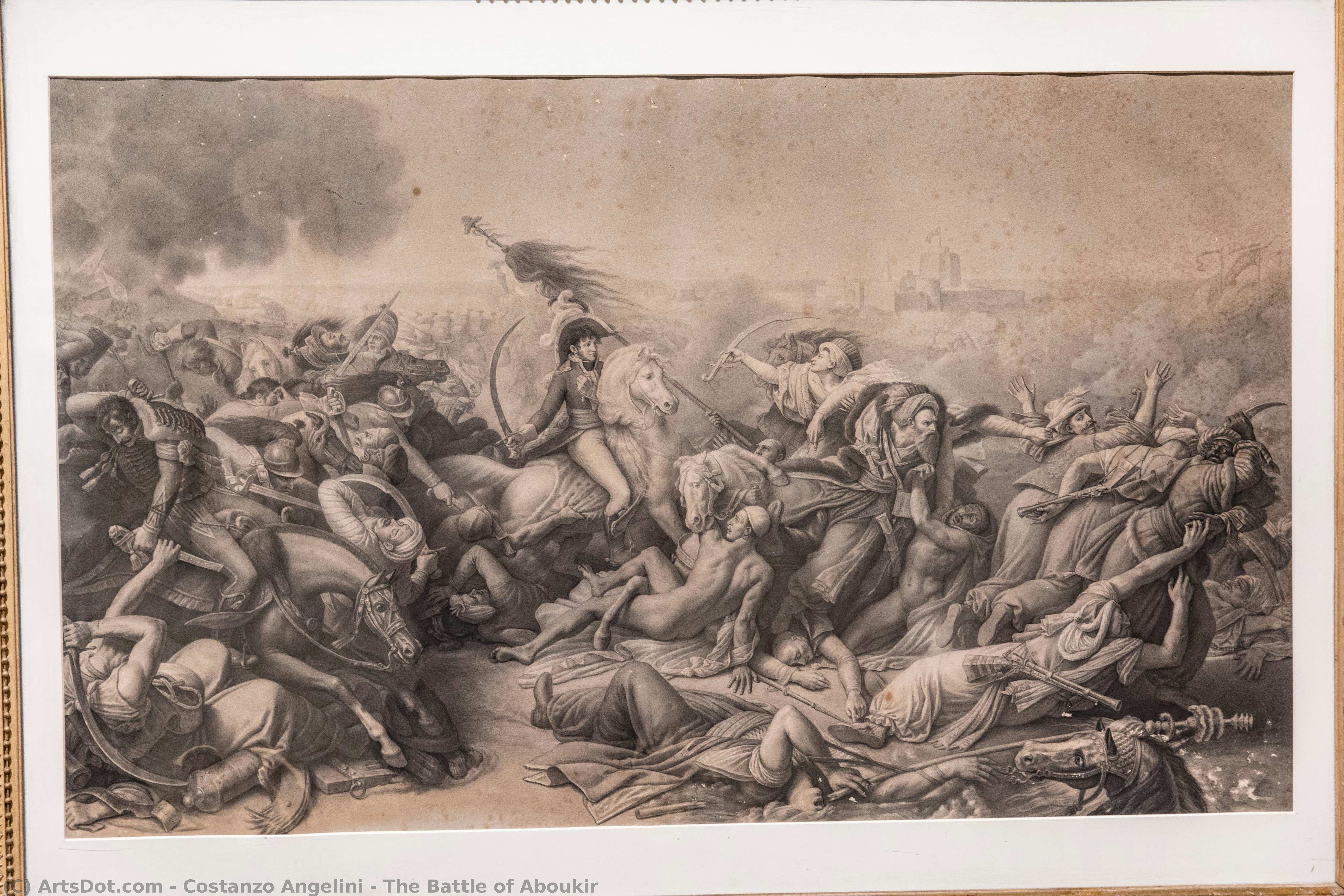
A Symphony of Chaos: The Visceral Intensity of The Battle of Aboukir
In the realm of historical prints, few works capture the raw, unbridled ferocity of Napoleonic warfare as profoundly as Costanzo Angelini’s 1813 engraving, The Battle of Aboukir. This monochrome masterpiece serves as a window into a moment of profound historical upheaval, transporting the viewer directly into the heart of a conflict defined by smoke, steel, and sacrifice. The composition is a masterclass in controlled chaos; rather than offering a detached, panoramic view of the battlefield, Angelini pulls us into a tightly packed, dynamic arena where every inch of the frame vibrates with movement. Through the meticulous application of cross-hatching and stippling, the artist breathes life into a landscape of struggle, creating a sense of depth that feels both claustrophobic and epic in scale.
The technique employed here is characteristic of the high-level engraving traditions of the early 19th century. By utilizing precise, etched lines to define the muscular tension of soldiers and the sharp edges of weaponry, Angelini achieves a sculptural quality within a two-dimensional medium. The play of light and shadow—rendered through varying densities of ink—creates an atmospheric haze that suggests the choking dust and gunpowder smoke of the battlefield. This use of texture does more than just provide visual interest; it builds a tactile reality where one can almost feel the grit of the earth and the cold weight of the blades. For the discerning collector, this piece offers a sophisticated interplay of light and line that commands attention in any curated collection.
Neoclassical Precision Meets Historical Drama
While Angelini was deeply rooted in the Neoclassical tradition—a movement defined by its reverence for classical order, clarity, and grandeur—The Battle of Aboukir demonstrates his ability to bend those formal principles to serve a much more turbulent subject. The geometric precision found in his training at the Accademia di San Luca is evident in the structured way he organizes the mass of figures, yet this order is intentionally disrupted by the frantic energy of combat. This tension between classical discipline and the visceral reality of war creates a unique emotional resonance. It is not merely a documentation of a battle, but an exploration of mortality and the heavy cost of imperial ambition.
Symbolically, the work is rich with the somber themes of loss and heroism. The fallen soldiers, scattered amidst the wreckage of war, serve as poignant reminders of the human toll behind historical triumphs. There is a profound sense of tragedy woven into the very texture of the paper, making the piece an evocative choice for those who appreciate art that provokes deep reflection. For interior designers seeking to add a sense of history, gravity, and intellectual depth to a space, this reproduction offers a powerful focal point. It brings with it a narrative weight that can anchor a room, providing a sophisticated conversation piece that bridges the gap between historical documentation and high-art expression.
Похожие произведения
Биография художника
Early Life and Background
- Born: October 22, 1760, Santa Giustina, Rieti, Italy
- Died: June 22, 1853, Naples, Italy
- Costanzo Angelini was born in a small town in the province of Rieti. Details about his early family life are scarce but he showed artistic promise from a young age.
- He received initial training at the Accademia di San Luca in Rome, studying under Domenico Corvi. This foundational period exposed him to established artistic practices and principles.
Artistic Development and Neoclassical Influences
- Angelini's artistic style was profoundly shaped by the prevailing Neoclassical movement. This movement emphasized a return to classical forms, simplicity, and a sense of grandeur, drawing inspiration from ancient Greek and Roman art.
- He collaborated with Giovanni Volpato and Raffaello Morghen on Principi del disegno tratti dalle più eccellenti statue antiche (Rome, 1786), a significant work in disseminating Neoclassical ideals through artistic education.
- Key influences included Jacques-Louis David and Jean Auguste Dominique Ingres, prominent figures of the Neoclassical movement known for their emphasis on clarity, order, and idealized forms.
Career Highlights and Patronage
- In 1790, Angelini moved to Naples at the invitation of William Hamilton, the British Consul. He gained prominence for his Neoclassic paintings and engraving skills.
- He became renowned for engraving the Greek vases from the Hamilton Collection (1795), showcasing his technical mastery and contributing to the wider appreciation of classical antiquities.
- Angelini enjoyed patronage from the aristocracy and court, becoming a sought-after portrait painter. Notable commissions included a portrait of Joseph Bonaparte in 1809.
- He held various important positions throughout his career: superintendent and restorer for the Museo Borbonico (from 1813), professor of design at the Real Accademia delle Belle Arti di Naples, and secretary of the academy (in 1841).
Notable Works and Artistic Contributions
- The Battle of Aboukir (1813): A dramatic monochrome engraving depicting Napoleonic warfare, demonstrating his skill in capturing dynamic scenes.
- Portraits: Angelini was celebrated for his naturalistic portraiture, characterized by a strong sense of psychological analysis. His self-portrait is particularly noteworthy.
- Engravings of Greek Vases: His work on the Hamilton Collection's vases significantly contributed to the study and appreciation of classical art.
Legacy and Historical Significance
- Costanzo Angelini played a crucial role in promoting Neoclassicism in Naples, influencing generations of artists.
- His dedication to artistic education is evident through his long tenure at the Real Accademia delle Belle Arti di Naples, where he trained numerous students including Filippo Balbi, Michele de Napoli, and Giuseppe Marsigli.
- His son, Tito Angelini, continued the family's artistic legacy as a sculptor in the Neoclassic-Romantic style. His daughter, Teresa Angelini (born 1803), was also a painter.
- Angelini’s work reflects the broader cultural shift towards classical ideals and his contributions helped shape the artistic landscape of 19th-century Italy.
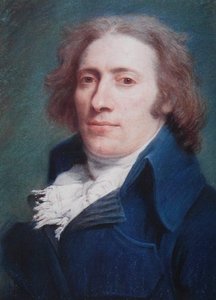
Costanzo Angelini
1760 - 1853 , Italy
Основные сведения
- Artistic Movement Or Style: Neoclassicism
- Artists Or Movements Influenced By This Artist:
- Filippo Balbi
- Michele de Napoli
- Giuseppe Marsigli
- Tito Angelini
- Artists Who Influenced This Artist:
- Giovanni Volpato
- Raffaello Morghen
- Jacques-Louis David
- Jean Auguste Dominique Ingres
- Date Of Birth: October 22, 1760
- Date Of Death: June 22, 1853
- Full Name: Costanzo Angelini
- Nationality: Italian
- Notable Artworks: ['The Battle of Aboukir']
- Place Of Birth: Santa Giusta, Italy