

 Предпросмотр
 Поделиться
 Поделиться
 Детали произведения

 Скачать
 Похожие работы
 Рентгенография
 Слайд-шоу
 Статистика
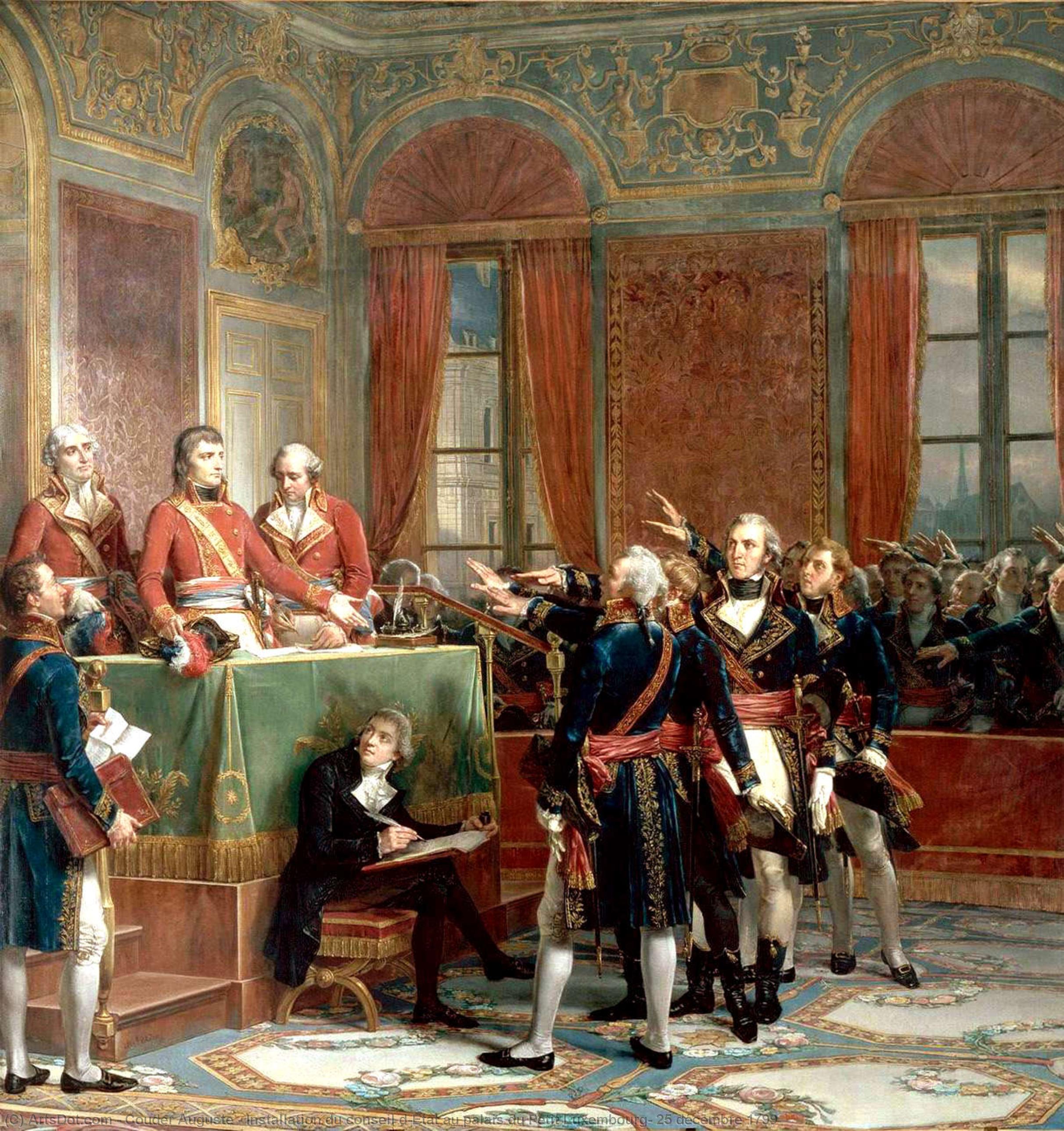
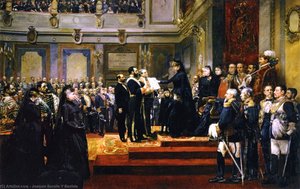
Installation du conseil d'Etat au palais du Petit Luxembourg, 25 décembre 1799


 Читать далее
Приобретите цифровое изображение высокого разрешения в улучшенном качестве, которое значительно превосходит онлайн-превью.
Каждый файл тщательно подготавливается нашими специалистами с использованием передовых инструментов и экспертной ручной ретуши. Мы гарантируем исключительную четкость, точную цветопередачу и детальную проработку каждого изображения.
Финальный файл доставляется по электронной почте в течение 72 часов и оптимизирован для немедленного использования в профессиональной среде, при верстке и печати. Это тот же уровень качества, которому доверяют ведущие дизайнерские студии, издательства и галереи.
Цифровое изображение
Скачайте файл высокого разрешения для личного использования, печати и творческих проектов. ( Перейти к печати Купить картину ручной работы)
Включено в каждый заказ цифровых изображений
Гарантия экспертной цифровой доставки
Выбирая ArtsDot.com, вы получаете не просто изображение — вы приобретаете профессионально обработанное цифровое произведение искусства, созданное с безупречной точностью и под защитой гарантии качества. Вот всё, что автоматически входит в ваш заказ:

Мгновенная доставка по e-mail
Ваш цифровой файл в высоком разрешении будет отправлен вам по электронной почте в течение 72 часов после оформления заказа — и сразу станет доступен для использования.

Цифровой файл с ИИ-улучшением
Ваше произведение искусства проходит профессиональную оптимизацию с использованием передовых инструментов ИИ и ручной обработки, что гарантирует максимальную детализацию, четкость и точность цветопередачи.

Бессрочная бесплатная повторная доставка
Случайно удалили или потеряли файл? Не беспокойтесь — мы отправим его вам повторно в любое время и совершенно бесплатно.

Без импортных пошлин — навсегда
Наслаждайтесь вашим произведением искусства мгновенно без таможенных пошлин, сборов или затрат на доставку — цифровые загрузки всегда не облагаются налогом.

Гарантия точности цветопередачи
Мы гарантируем, что ваше цифровое изображение максимально точно передает оригинальные цвета благодаря использованию профессиональных инструментов и систем управления цветом.

Гарантия удовлетворенности 100 дней
Если вы не будете удовлетворены своим цифровым изображением, мы внесем правки или вернем 100% стоимости в течение 100 дней — без лишних вопросов.

100% Гарантия возврата средств
Не удовлетворены покупкой? Получите полный возврат средств в течение 100 дней после получения цифрового файла — без лишних вопросов.

Скидки на оптовые заказы
Купите 3 изображения, сэкономьте 10% — Купите 5, сэкономьте 15% — Купите 10+, сэкономьте 20%. Отличное решение для творческих проектов, галерей и агентств.
A Moment Frozen in Time: The Dawn of an Era
In the grand tapestry of French history, few moments possess the gravity and transformative weight of the installation of the Conseil d'État at the Palais du Petit Luxembourg. Auguste Couder’s masterful depiction of December 25, 1799, serves as more than a mere historical record; it is a window into the very heartbeat of a nation transitioning from the chaos of revolution to the structured ambition of the Napoleonic era. As the viewer gazes upon this canvas, they are transported to a room thick with the scent of old parchment and the palpable tension of political rebirth. The central figure, Napoleon Bonaparte, sits anchored at his desk, a man poised at the precipel of destiny. Surrounded by the stoic presence of military officers and high-ranking officials, the scene captures the precise instant where authority is being codified and power is being redistributed under a new, resolute leadership.
The composition is a triumph of Neoclassical storytelling, reflecting the rigorous academic training Couder received under the legendary Jacques-Louis David. There is a profound sense of order and balance in the way the figures are arranged, mirroring the very stability the new government sought to establish. The architectural grandeur of the Petit Luxembourg—with its soaring arches, stately columns, and opulent tapestries—provides a majestic stage that elevates the political proceedings to something near-sacred. Light plays a crucial role in this narrative; natural illumination streams through large windows, not merely to brighten the room, but to act as a symbolic spotlight, illuminating the faces of those shaping history and casting a glow upon the documents that would soon dictate the fate of millions.
The Artistry of Detail and Historical Resonance
For the discerning collector or interior designer, this piece offers an unparalleled depth of texture and visual interest. Couder’s technique is characterized by an exquisite precision in draftsmanship, particularly evident in the meticulous rendering of military regalia, the heavy folds of ceremonial fabrics, and the intricate details of the room's classical ornamentation. Every brushstroke serves to reinforce the legitimacy and grandeur of the event. The interplay between the soft, diffused light and the deep, rich shadows creates a chiaroscuro effect that lends a dramatic, almost cinematic quality to the scene, making it an evocative centerpiece for any sophisticated space.
Beyond its aesthetic brilliance, the painting carries a profound emotional resonance. It evokes feelings of solemnity, ambition, and the heavy burden of command. To possess a reproduction of this work is to invite a piece of the Enlightenment’s twilight and the Empire’s dawn into one's home. It is an ideal selection for those who appreciate art that functions as a conversation starter—a piece that speaks of legacy, the cyclical nature of power, and the enduring beauty of historical truth. Whether placed in a formal study, a grand library, or a curated gallery wall, Couder’s work commands attention, offering a timeless connection to one of the most pivotal chapters in human history.
Похожие произведения
Биография художника
A Life Painted in History: The World of Louis-Charles-Auguste Couder
Born amidst the burgeoning artistic energy of London in 1789, Louis-Charles-Auguste Couder would become a significant voice in 19th-century French historical painting. Though perhaps not as celebrated today as some of his contemporaries, Couder’s canvases offer a compelling window into an era defined by revolution, empire, and the enduring power of classical ideals. His journey began with formative training under two titans of the French art world: Jean-Baptiste Regnault and Jacques-Louis David. This dual mentorship profoundly shaped his artistic sensibilities, instilling in him both a rigorous academic approach and a keen understanding of dramatic narrative. David’s influence is particularly evident in Couder's early works – a precision of draftsmanship, balanced compositions, and an unwavering commitment to historical accuracy characterize these initial explorations. Yet, Regnault’s contribution was equally vital, fostering Couder’s ability to imbue his scenes with emotional intensity and compelling storytelling. He wasn’t merely recreating history; he was breathing life into it.Blending Influences: The Development of a Unique Style
Couder skillfully synthesized the contrasting strengths of his mentors, forging a style that resonated with the artistic currents of his time. The Neoclassical foundation laid by David provided the structural backbone for his compositions, while Regnault’s emphasis on dramatic effect infused them with a palpable sense of energy and emotion. This synthesis wasn't simply technical; it was conceptual. Couder didn’t just want to depict historical events; he wanted viewers to *feel* their weight and significance. His canvases became stages for heroism, sacrifice, and the grandeur of past civilizations. He frequently turned to classical mythology and history as sources of inspiration, themes that allowed him to explore universal human experiences through a lens of timeless elegance. This period saw Couder honing his skills in portraiture too, demonstrating an exceptional ability to capture not only physical likeness but also the inner character of his subjects. The result was a body of work marked by both intellectual rigor and emotional depth – paintings that were visually stunning and intellectually stimulating.Moments Frozen in Time: Major Works and Themes
Several works stand as testaments to Couder’s artistic prowess and historical insight. Perhaps his most renowned painting is the Siege of Yorktown (1781), a vivid depiction of a pivotal moment in the American Revolutionary War. This wasn't merely a battle scene; it was a carefully constructed narrative, showcasing the complex interplay of forces that determined the outcome of the conflict. Closely related is Washington, Rochambeau, La Fayette et leur état major à Yorktown, which focuses on the key figures orchestrating the siege, offering an intimate glimpse into the strategic minds behind the victory. Beyond his depictions of American history, Couder demonstrated a remarkable ability to capture significant political events closer to home with works like Installation du conseil d'Etat au palais du Petit Luxembourg (1799). These paintings weren’t simply historical records; they were carefully crafted statements about power, authority, and the unfolding drama of French politics. His painting “PRISE DE LA VILLE DE LERIDA.13 OCTOBRE 1707” is a magnificent example of his dramatic style. The artwork "TANNEGUY DUCHATEL" showcases Couder’s mastery of chiaroscuro lighting, dynamic composition and rich textures.Recognition and Legacy: A Place in the French Art World
Couder's talent didn't go unnoticed by his peers. In 1839, he was inducted into the prestigious Académie des Beaux-Arts, a recognition of his artistic merit and standing within the French art world. This honor solidified his position as a leading historical painter of his time. Further acknowledging his contributions to French society, he was appointed an officer of the Légion d'honneur – a distinction reserved for individuals who had made exceptional achievements in their respective fields. His paintings were regularly exhibited in prominent salons and galleries, earning him critical acclaim and establishing a loyal following among collectors and connoisseurs. Couder’s personal life also reflected his connection to the artistic community; he married Cornélie Stouf, daughter of the celebrated sculptor Jean-Baptiste Stouf. He was laid to rest in the renowned Père Lachaise Cemetery in Paris, a final resting place shared by many other prominent figures in French art and culture. While perhaps not as widely recognized today as some of his contemporaries, Couder’s contributions to historical painting remain significant. His work provides valuable insights into the artistic tastes and historical perspectives of 19th-century France, offering a unique European perspective on pivotal events like the American Revolution. His legacy endures in the carefully rendered details, dramatic compositions, and enduring emotional power of his paintings – testaments to a life dedicated to capturing moments frozen in time.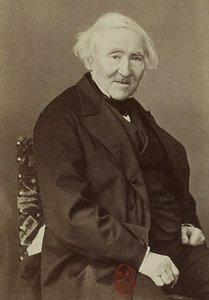
couder auguste
1789 - 1873