

 Предпросмотр
 Поделиться
 Поделиться
 Детали произведения

 Скачать
 Похожие работы
 Рентгенография
 Слайд-шоу
 Статистика
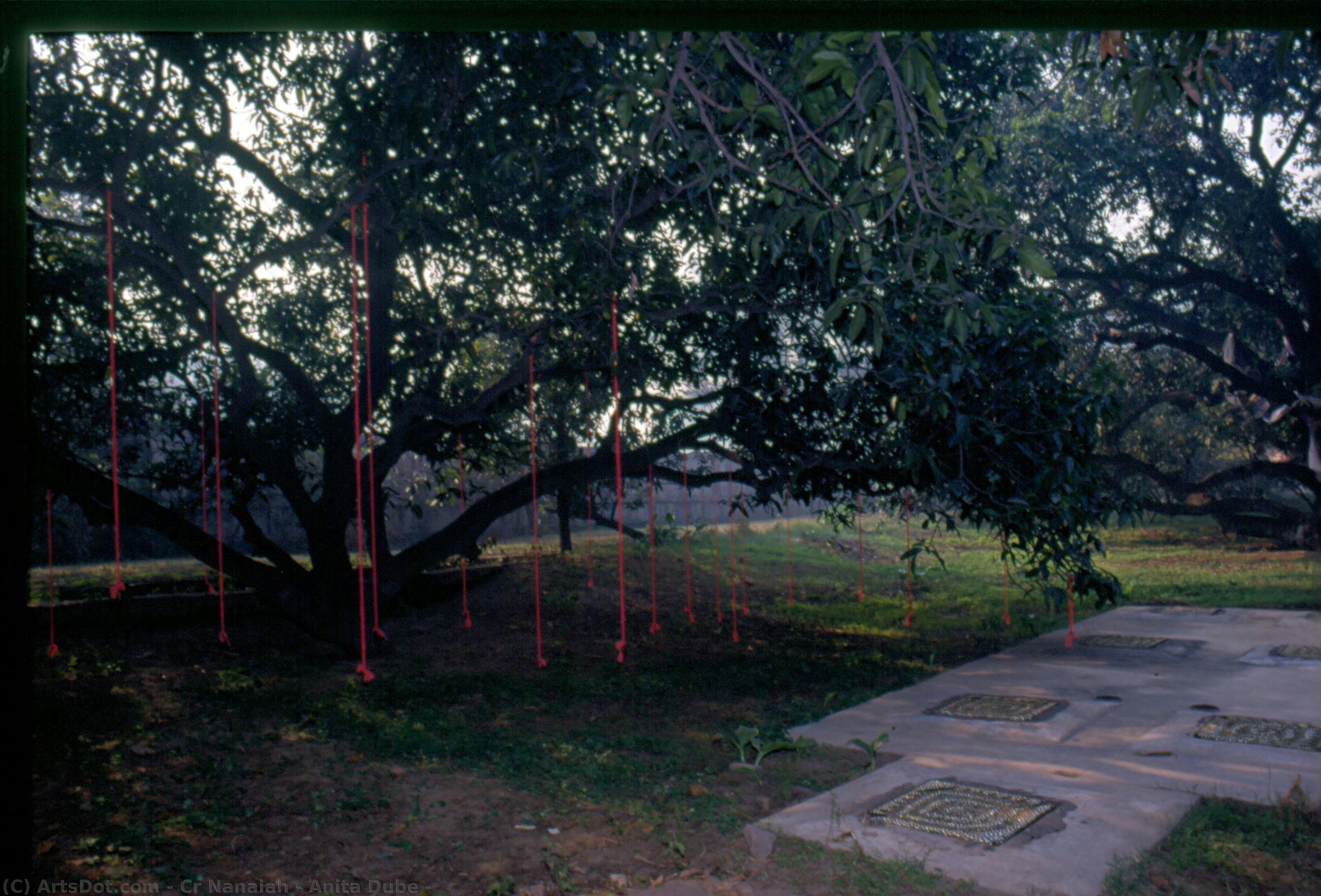
Untitled (DD3AQQ)


 Читать далее
Приобретите цифровое изображение высокого разрешения в улучшенном качестве, которое значительно превосходит онлайн-превью.
Каждый файл тщательно подготавливается нашими специалистами с использованием передовых инструментов и экспертной ручной ретуши. Мы гарантируем исключительную четкость, точную цветопередачу и детальную проработку каждого изображения.
Финальный файл доставляется по электронной почте в течение 72 часов и оптимизирован для немедленного использования в профессиональной среде, при верстке и печати. Это тот же уровень качества, которому доверяют ведущие дизайнерские студии, издательства и галереи.
Цифровое изображение
Скачайте файл высокого разрешения для личного использования, печати и творческих проектов. ( Перейти к печати Купить картину ручной работы)
Включено в каждый заказ цифровых изображений
Гарантия экспертной цифровой доставки
Выбирая ArtsDot.com, вы получаете не просто изображение — вы приобретаете профессионально обработанное цифровое произведение искусства, созданное с безупречной точностью и под защитой гарантии качества. Вот всё, что автоматически входит в ваш заказ:

Мгновенная доставка по e-mail
Ваш цифровой файл в высоком разрешении будет отправлен вам по электронной почте в течение 72 часов после оформления заказа — и сразу станет доступен для использования.

Цифровой файл с ИИ-улучшением
Ваше произведение искусства проходит профессиональную оптимизацию с использованием передовых инструментов ИИ и ручной обработки, что гарантирует максимальную детализацию, четкость и точность цветопередачи.

Бессрочная бесплатная повторная доставка
Случайно удалили или потеряли файл? Не беспокойтесь — мы отправим его вам повторно в любое время и совершенно бесплатно.

Без импортных пошлин — навсегда
Наслаждайтесь вашим произведением искусства мгновенно без таможенных пошлин, сборов или затрат на доставку — цифровые загрузки всегда не облагаются налогом.

Гарантия точности цветопередачи
Мы гарантируем, что ваше цифровое изображение максимально точно передает оригинальные цвета благодаря использованию профессиональных инструментов и систем управления цветом.

Гарантия удовлетворенности 100 дней
Если вы не будете удовлетворены своим цифровым изображением, мы внесем правки или вернем 100% стоимости в течение 100 дней — без лишних вопросов.

100% Гарантия возврата средств
Не удовлетворены покупкой? Получите полный возврат средств в течение 100 дней после получения цифрового файла — без лишних вопросов.

Скидки на оптовые заказы
Купите 3 изображения, сэкономьте 10% — Купите 5, сэкономьте 15% — Купите 10+, сэкономьте 20%. Отличное решение для творческих проектов, галерей и агентств.
Похожие произведения
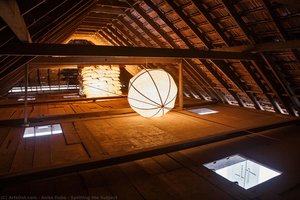
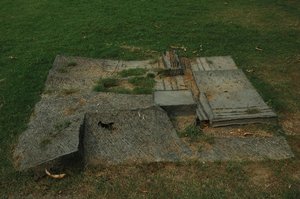
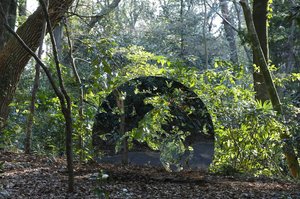
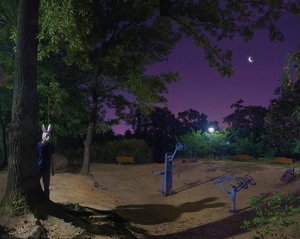
Биография художника
Anita Dube: Sculpting Memory and Challenging Conventions
Born in Lucknow, India, in 1958, Anita Dube’s journey from art historian to critically acclaimed visual artist is a testament to her intellectual rigor and profound engagement with the complexities of Indian society. Her work, often characterized by its evocative blend of personal memory, social commentary, and mythological resonance, has established her as a significant voice in contemporary Indian art. Dube's career trajectory reflects a deliberate evolution—a shift from analyzing artistic traditions to actively shaping them through her own unique practice.
Dube’s early education laid the groundwork for her later artistic explorations. Studying art history at Delhi University and subsequently earning an MFA from Baroda University, she developed a deep understanding of Western art while simultaneously immersing herself in the rich tapestry of Indian artistic heritage. This dual perspective proved crucial, informing her approach to creating works that seamlessly integrate historical references with contemporary concerns. A pivotal moment occurred during her involvement with the Indian Radical Painters and Sculptors Association (IRPSA) in the late 1980s. This collective, a radical departure from the established norms of the art world at the time, challenged conventional notions of artistic representation and sought to infuse art with political and social urgency. Dube’s participation in IRPSA marked a turning point, propelling her into the forefront of India's burgeoning contemporary art scene.
The Language of Fragments
Dube’s artistic language is immediately recognizable for its embrace of fragmented forms and unconventional materials. Rejecting traditional sculptural techniques, she frequently employs industrial components—foam, plastic, wire—alongside craft elements like thread, beads, and velvet. This juxtaposition creates a compelling tension between the familiar and the unexpected, inviting viewers to contemplate the inherent beauty within discarded or repurposed objects. Her use of the human body – dentures, bone fragments – adds another layer of complexity, tapping into themes of mortality, loss, and regeneration. These seemingly disparate elements coalesce to form sculptures that are both visually arresting and deeply symbolic.
A key aspect of Dube’s work is her exploration of memory—both personal and collective. She often incorporates references to mythology and archetypal imagery, drawing upon ancient narratives to illuminate contemporary social issues. Her 1997 installation, “How to Draw a Line Without Dots (left) & Soap/Lick (right),” exemplifies this approach. The piece, depicting a simple line alongside a bar of soap and a lick, is deceptively complex, prompting viewers to consider the act of drawing, the materiality of objects, and the relationship between representation and reality. This work, along with many others, demonstrates Dube’s ability to transform seemingly mundane subjects into potent symbols of cultural and political significance.
Spatial Engagement and Conceptual Depth
Dube's sculptures are rarely static; they are carefully positioned within spaces to encourage a dynamic interaction between the artwork and the viewer. This spatial consideration is integral to her artistic vision, inviting viewers to engage with the work on an experiential level. Her pieces often evoke a sense of quiet contemplation, prompting reflection on themes of loss, memory, and social justice. The deliberate placement of these sculptures within galleries and public spaces transforms them into sites of dialogue and critical inquiry.
Furthermore, Dube’s work is deeply rooted in conceptual thinking. She challenges traditional notions of beauty and artistic value, questioning the commodification of art and advocating for a more authentic engagement with social issues. Her commitment to exploring complex themes—migration, memory, mythology—has solidified her position as a leading figure in contemporary Indian art.
Recognition and Legacy
Anita Dube’s work has been exhibited extensively both nationally and internationally, including at the Kiasma Museum of Contemporary Art in Helsinki, the Yokohama Triennale, and the VII Havana Biennale. Her sculptures have garnered critical acclaim for their conceptual depth, innovative use of materials, and powerful engagement with social issues. She continues to be a vital voice in the Indian art world, pushing boundaries and challenging conventions through her deeply personal and profoundly insightful work.
Dube’s influence extends beyond her own artistic practice. Her involvement with IRPSA helped shape the trajectory of contemporary Indian art, fostering a spirit of experimentation and critical engagement. Her legacy is one of intellectual rigor, creative innovation, and unwavering commitment to social justice—a testament to the power of art as a vehicle for dialogue and transformation.
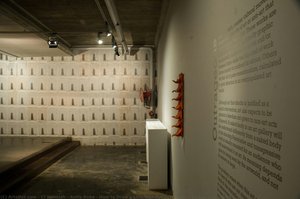
cr nanaiah & anita dube
India
Основные сведения
- Artistic Movement Or Style: Contemporary Art
- Artists Or Movements Influenced By This Artist: ['Radical Indian Art']
- Artists Who Influenced This Artist: ['cr Nanaiah']
- Date Of Birth: November 28, 1958
- Full Name: Anita Dube
- Nationality: Indian
- Notable Artworks:
- Splitting the Subject
- Untitled (DD3AQQ)
- Silence (Blood Wedding)
- Place Of Birth: Lucknow, India