

 Предпросмотр
 Поделиться
 Поделиться
 Детали произведения

 Скачать
 Похожие работы
 Рентгенография
 Слайд-шоу
 Статистика
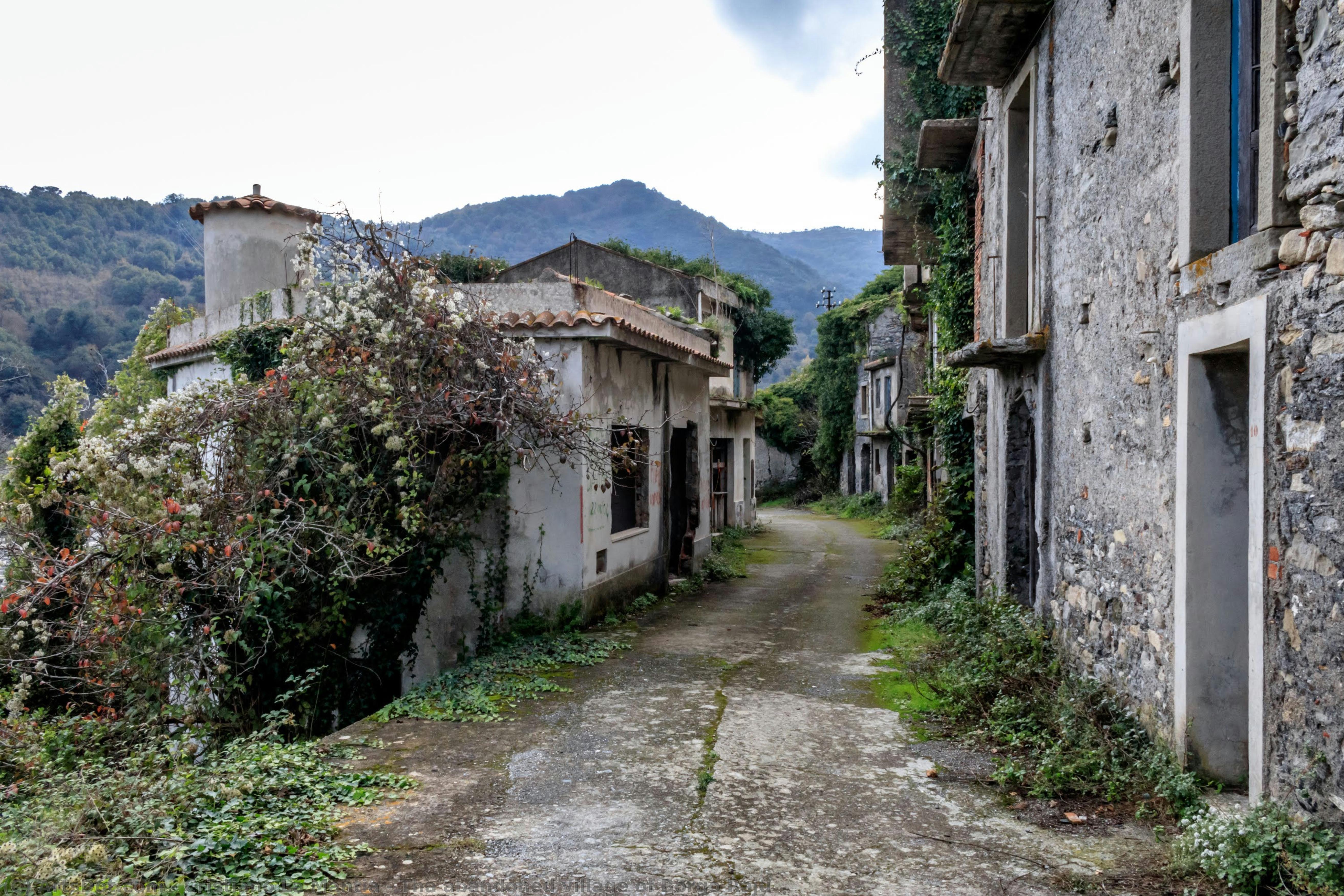
Tha abandoned village of Borgo Raju

 Читать далее
Приобретите цифровое изображение высокого разрешения в улучшенном качестве, которое значительно превосходит онлайн-превью.
Каждый файл тщательно подготавливается нашими специалистами с использованием передовых инструментов и экспертной ручной ретуши. Мы гарантируем исключительную четкость, точную цветопередачу и детальную проработку каждого изображения.
Финальный файл доставляется по электронной почте в течение 72 часов и оптимизирован для немедленного использования в профессиональной среде, при верстке и печати. Это тот же уровень качества, которому доверяют ведущие дизайнерские студии, издательства и галереи.
Цифровое изображение
Скачайте файл высокого разрешения для личного использования, печати и творческих проектов. ( Перейти к печати Купить картину ручной работы)
Включено в каждый заказ цифровых изображений
Гарантия экспертной цифровой доставки
Выбирая ArtsDot.com, вы получаете не просто изображение — вы приобретаете профессионально обработанное цифровое произведение искусства, созданное с безупречной точностью и под защитой гарантии качества. Вот всё, что автоматически входит в ваш заказ:

Мгновенная доставка по e-mail
Ваш цифровой файл в высоком разрешении будет отправлен вам по электронной почте в течение 72 часов после оформления заказа — и сразу станет доступен для использования.

Цифровой файл с ИИ-улучшением
Ваше произведение искусства проходит профессиональную оптимизацию с использованием передовых инструментов ИИ и ручной обработки, что гарантирует максимальную детализацию, четкость и точность цветопередачи.

Бессрочная бесплатная повторная доставка
Случайно удалили или потеряли файл? Не беспокойтесь — мы отправим его вам повторно в любое время и совершенно бесплатно.

Без импортных пошлин — навсегда
Наслаждайтесь вашим произведением искусства мгновенно без таможенных пошлин, сборов или затрат на доставку — цифровые загрузки всегда не облагаются налогом.

Гарантия точности цветопередачи
Мы гарантируем, что ваше цифровое изображение максимально точно передает оригинальные цвета благодаря использованию профессиональных инструментов и систем управления цветом.

Гарантия удовлетворенности 100 дней
Если вы не будете удовлетворены своим цифровым изображением, мы внесем правки или вернем 100% стоимости в течение 100 дней — без лишних вопросов.

100% Гарантия возврата средств
Не удовлетворены покупкой? Получите полный возврат средств в течение 100 дней после получения цифрового файла — без лишних вопросов.

Скидки на оптовые заказы
Купите 3 изображения, сэкономьте 10% — Купите 5, сэкономьте 15% — Купите 10+, сэкономьте 20%. Отличное решение для творческих проектов, галерей и агентств.
Похожие произведения








Биография художника
Cristiano La Mantia: A Chronicle of Decay and Memory
Born in Ferrara, Italy, in 1975, Cristiano La Mantia’s work isn't merely photography; it’s a profound meditation on time, memory, and the poignant beauty of abandonment. His photographic series, particularly his exploration of derelict villages and forgotten spaces, resonate with an almost haunting stillness, inviting viewers to contemplate the echoes of lives lived and lost within these silent landscapes. La Mantia doesn't simply document decay; he elevates it, transforming crumbling walls, rusted machinery, and overgrown vegetation into evocative narratives that speak volumes about resilience, loss, and the inexorable passage of time.
La Mantia’s artistic journey began with a fascination for the overlooked corners of Italy. Initially drawn to the industrial landscapes of the north, he soon discovered a deeper resonance in the stories held within abandoned villages – places like Borgo Raju, a village left to succumb to nature's embrace after its inhabitants migrated in search of opportunity. This pivotal discovery shaped his artistic focus, leading him to meticulously document these sites with an almost reverential approach. His process isn’t about capturing a snapshot; it’s about immersing himself within the space, spending weeks or even months observing and absorbing the atmosphere before committing to a single frame.
The core of La Mantia's aesthetic lies in his masterful use of light and composition. He often shoots during the golden hours – dawn and dusk – when the interplay of shadows and highlights dramatically accentuates the textures and forms of decay. His images are rarely sharply focused, instead favoring a slightly soft, dreamlike quality that enhances the sense of mystery and invites viewers to project their own memories and emotions onto the scene. The absence of human figures further amplifies this effect, allowing the viewer to become an active participant in interpreting the narrative embedded within each photograph.
The Series: ‘Tha Abandoned Village of Borgo Raju’
“Tha abandoned village of Borgo Raju” stands as perhaps La Mantia's most celebrated work. This extensive series, spanning several years, chronicles the slow and deliberate reclamation of a once-thriving community by nature. The photographs depict not just crumbling buildings and overgrown fields, but also the subtle signs of life that persist – a rusted swing set, a faded doorway, a solitary stone bench. La Mantia’s approach here is particularly sensitive; he avoids romanticizing the decay, instead presenting it with an honest and unflinching gaze. The series isn't about pity or nostalgia, but rather about acknowledging the cyclical nature of existence—the rise and fall of communities, and the inevitable return to the earth.
The project’s success lies in its ability to evoke a powerful emotional response. Viewers are drawn into the quiet solitude of Borgo Raju, experiencing a sense of melancholy and wonder as they contemplate the lives that once unfolded within those walls. La Mantia's meticulous documentation transforms this abandoned village into a poignant memorial—a testament to human endeavor and the enduring power of memory.
Technique and Influences
La Mantia’s photographic technique is characterized by a deliberate restraint and an unwavering commitment to detail. He primarily utilizes medium format film, allowing for exceptional resolution and tonal range – crucial elements in capturing the subtle nuances of light and texture within his subjects. His post-processing approach is equally understated, favoring gentle adjustments to contrast and color saturation rather than aggressive manipulation. This allows the inherent qualities of the images to remain authentic and uncompromised.
While La Mantia’s work possesses a distinctly contemporary sensibility, it's also informed by a deep appreciation for historical photography. He cites influences ranging from the documentary works of Eugène Atget and Robert Doisneau to the atmospheric landscapes of Ansel Adams. However, he transcends mere imitation, forging his own unique visual language—one that is both deeply personal and universally resonant.
Legacy and Significance
Cristiano La Mantia’s work has garnered international recognition for its evocative power and profound exploration of themes related to memory, decay, and the passage of time. His photographs are exhibited in galleries and museums worldwide, captivating audiences with their haunting beauty and emotional depth. Beyond his artistic achievements, La Mantia's project serves as a reminder of the importance of preserving our collective history—not through grand monuments or elaborate displays, but through the quiet documentation of everyday lives and forgotten places.
His continued exploration of abandoned landscapes suggests an ongoing dialogue with the themes he has so powerfully articulated. La Mantia’s work invites us to contemplate our own relationship with time, memory, and the enduring legacy of human existence—a legacy often found not in grand achievements, but in the subtle traces left behind within the silent spaces of a world in constant flux.

cristiano la mantia
1975 - , Italy
Основные сведения
- Artistic Movement Or Style: Photography
- Date Of Birth: 1975
- Full Name: Cristiano La Mantia
- Nationality: Italian
- Notable Artworks: ['Tha abandoned village Borgo Raju']
- Place Of Birth: Ferrara, Italy