

 Предпросмотр
 Поделиться
 Поделиться
 Детали произведения

 Скачать
 Похожие работы
 Рентгенография
 Слайд-шоу
 Статистика
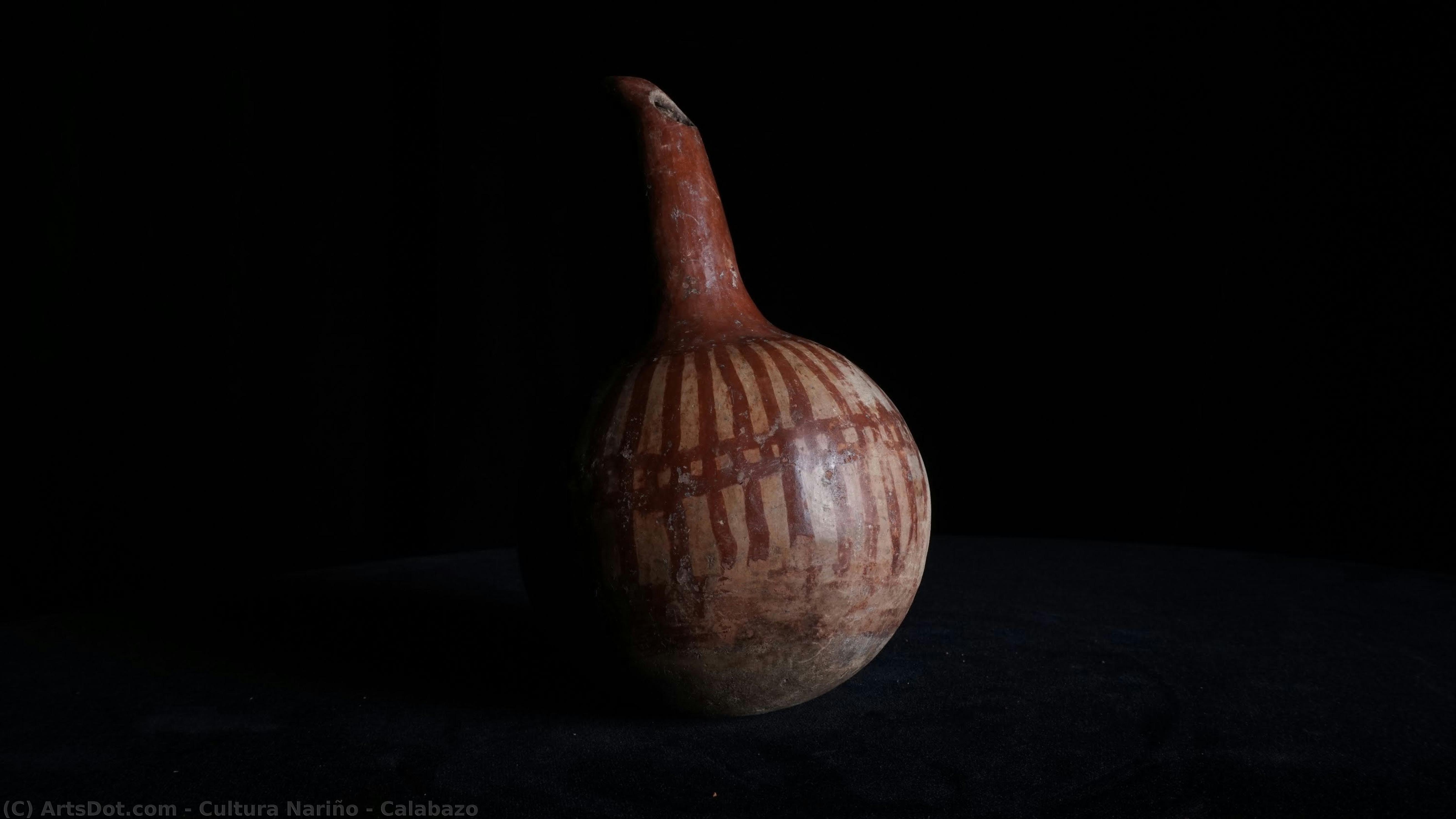
Calabazo


 Читать далее
Приобретите цифровое изображение высокого разрешения в улучшенном качестве, которое значительно превосходит онлайн-превью.
Каждый файл тщательно подготавливается нашими специалистами с использованием передовых инструментов и экспертной ручной ретуши. Мы гарантируем исключительную четкость, точную цветопередачу и детальную проработку каждого изображения.
Финальный файл доставляется по электронной почте в течение 72 часов и оптимизирован для немедленного использования в профессиональной среде, при верстке и печати. Это тот же уровень качества, которому доверяют ведущие дизайнерские студии, издательства и галереи.
Цифровое изображение
Скачайте файл высокого разрешения для личного использования, печати и творческих проектов. ( Перейти к печати Купить картину ручной работы)
Включено в каждый заказ цифровых изображений
Гарантия экспертной цифровой доставки
Выбирая ArtsDot.com, вы получаете не просто изображение — вы приобретаете профессионально обработанное цифровое произведение искусства, созданное с безупречной точностью и под защитой гарантии качества. Вот всё, что автоматически входит в ваш заказ:

Мгновенная доставка по e-mail
Ваш цифровой файл в высоком разрешении будет отправлен вам по электронной почте в течение 72 часов после оформления заказа — и сразу станет доступен для использования.

Цифровой файл с ИИ-улучшением
Ваше произведение искусства проходит профессиональную оптимизацию с использованием передовых инструментов ИИ и ручной обработки, что гарантирует максимальную детализацию, четкость и точность цветопередачи.

Бессрочная бесплатная повторная доставка
Случайно удалили или потеряли файл? Не беспокойтесь — мы отправим его вам повторно в любое время и совершенно бесплатно.

Без импортных пошлин — навсегда
Наслаждайтесь вашим произведением искусства мгновенно без таможенных пошлин, сборов или затрат на доставку — цифровые загрузки всегда не облагаются налогом.

Гарантия точности цветопередачи
Мы гарантируем, что ваше цифровое изображение максимально точно передает оригинальные цвета благодаря использованию профессиональных инструментов и систем управления цветом.

Гарантия удовлетворенности 100 дней
Если вы не будете удовлетворены своим цифровым изображением, мы внесем правки или вернем 100% стоимости в течение 100 дней — без лишних вопросов.

100% Гарантия возврата средств
Не удовлетворены покупкой? Получите полный возврат средств в течение 100 дней после получения цифрового файла — без лишних вопросов.

Скидки на оптовые заказы
Купите 3 изображения, сэкономьте 10% — Купите 5, сэкономьте 15% — Купите 10+, сэкономьте 20%. Отличное решение для творческих проектов, галерей и агентств.
Похожие произведения




Биография художника
The Enigmatic World of Cultura Nariño
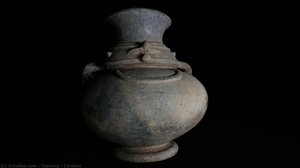
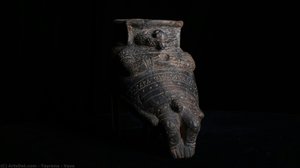
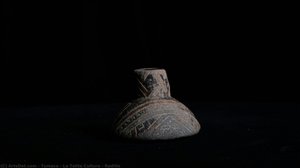
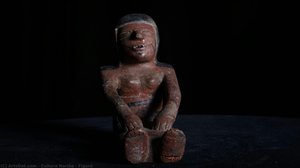
The name “Cultura Nariño” evokes a sense of mystery, conjuring images of ancient hands shaping clay and gold in the Andean highlands. This pre-Columbian South American culture, flourishing between the 7th and 12th centuries on the plains straddling present-day northern Ecuador and southern Colombia, left behind a legacy not of monumental architecture or sprawling cities, but of exquisite artistry—a testament to their sophisticated worldview and extensive trade networks. They were known as the Capulí culture, named after the archaeological site where much of their work was first discovered, and their story is one pieced together from fragments of pottery, gleaming gold artifacts, and a deep understanding of the natural world.
Unlike some of their contemporaries who focused on imposing structures, the Nariño people excelled in portable art forms. Their intensive commerce brought them into contact with diverse cultures across the region, influencing both their artistic style and the materials they employed. This exchange is evident in the intricate designs found on their pottery—complex geometric patterns often interwoven with anthropomorphic figures that hint at a rich spiritual life. The distinctive black-on-dark red palette became their signature, achieved through meticulous firing techniques that remain partially understood today. These vessels weren’t merely utilitarian objects; they were likely integral to rituals and ceremonies, embodying beliefs about the cosmos and ancestral spirits.
Gold as a Reflection of Cosmology
Perhaps even more striking than their pottery is the Nariño culture's mastery of goldwork. They didn’t create large-scale sculptures but instead focused on intricate pendants, masks, and small figurines. These pieces are characterized by precise geometric designs and stylized zoomorphic representations—often depicting birds, snakes, and other animals revered for their symbolic power. The gold wasn’t simply valued for its aesthetic beauty; it was believed to possess a sacred essence, connected to the sun and the forces of nature. The painstaking detail in these artifacts suggests they were not merely ornaments but powerful emblems of status, religious belief, and perhaps even tools used in shamanistic practices.
The agricultural foundations of the Nariño culture also played a role in their artistic expression. They cultivated quinoa, a resilient grain well-suited to the Andean climate, and raised llamas—both for sustenance and trade. This connection to the land is subtly reflected in some of their artwork, with depictions of these animals appearing alongside more abstract geometric motifs. The ability to sustain themselves through agriculture allowed them to dedicate resources to artistic pursuits and maintain a complex social structure that supported skilled artisans.
A Legacy Interrupted, A Culture Remembered
The Nariño culture preceded the Piartal and Tuza cultures in the archaeological record, eventually fading into history—the reasons for their decline remain a subject of ongoing research. However, their artistic legacy endured, influencing subsequent Andean civilizations. Their distinctive pottery style and goldworking techniques were adopted and adapted by later groups, demonstrating the lasting impact of their creative vision.
Today, the art of Cultura Nariño offers a rare glimpse into the beliefs and practices of a pre-Columbian society that valued artistry as an integral part of life. The intricate designs on their pottery and the gleaming beauty of their gold artifacts continue to captivate and inspire, reminding us of the rich cultural diversity that once flourished in the Andean region. The rediscovery of these works has not only enriched our understanding of South American history but also sparked a renewed appreciation for the artistic achievements of indigenous cultures.
Carlos Nariño: A Modern Echo
Interestingly, the name “Nariño” is also associated with a contemporary Colombian painter, Carlos Nariño (born 1957). While not directly connected to the ancient culture, this artist draws inspiration from the landscapes of his homeland—specifically the Sabana de Bogotá—creating evocative paintings that capture the vastness and ethereal beauty of the Andean skies. His work, often described as romantic in style, recalls the works of Turner and Corot, emphasizing light, atmosphere, and a sense of melancholy. This modern Nariño’s artistic journey, spent largely in Paris, demonstrates a continuing fascination with the Colombian landscape—a subtle echo of the ancient culture's deep connection to their environment.
- Artistic Movement: Landscape Painting
- Influences: Turner, Jean-Baptiste Corot
- Notable Work: Paisajes de la Memoria
The story of Cultura Nariño is a reminder that art transcends time—that the creative impulse to express beauty and meaning is a fundamental aspect of the human experience. Whether through ancient pottery or modern paintings, the spirit of artistry continues to thrive in the Andean region, connecting us to the past and inspiring future generations.
cultura nariño
Colombia
Основные сведения
- Artistic Movement Or Style: Landscape Painting
- Artists Or Movements Influenced By This Artist: ['Romanticism']
- Artists Who Influenced This Artist:
- Turner
- Jean-Baptiste Corot
- Date Of Birth: 1957
- Full Name: Carlos Nariño
- Nationality: Colombian
- Notable Artworks: ['Paisajes de la Memoria']
- Place Of Birth: Bogotá, Colombia