

 Предпросмотр
 Поделиться
 Поделиться
 Детали произведения

 Скачать
 Похожие работы
 Рентгенография
 Слайд-шоу
 Статистика
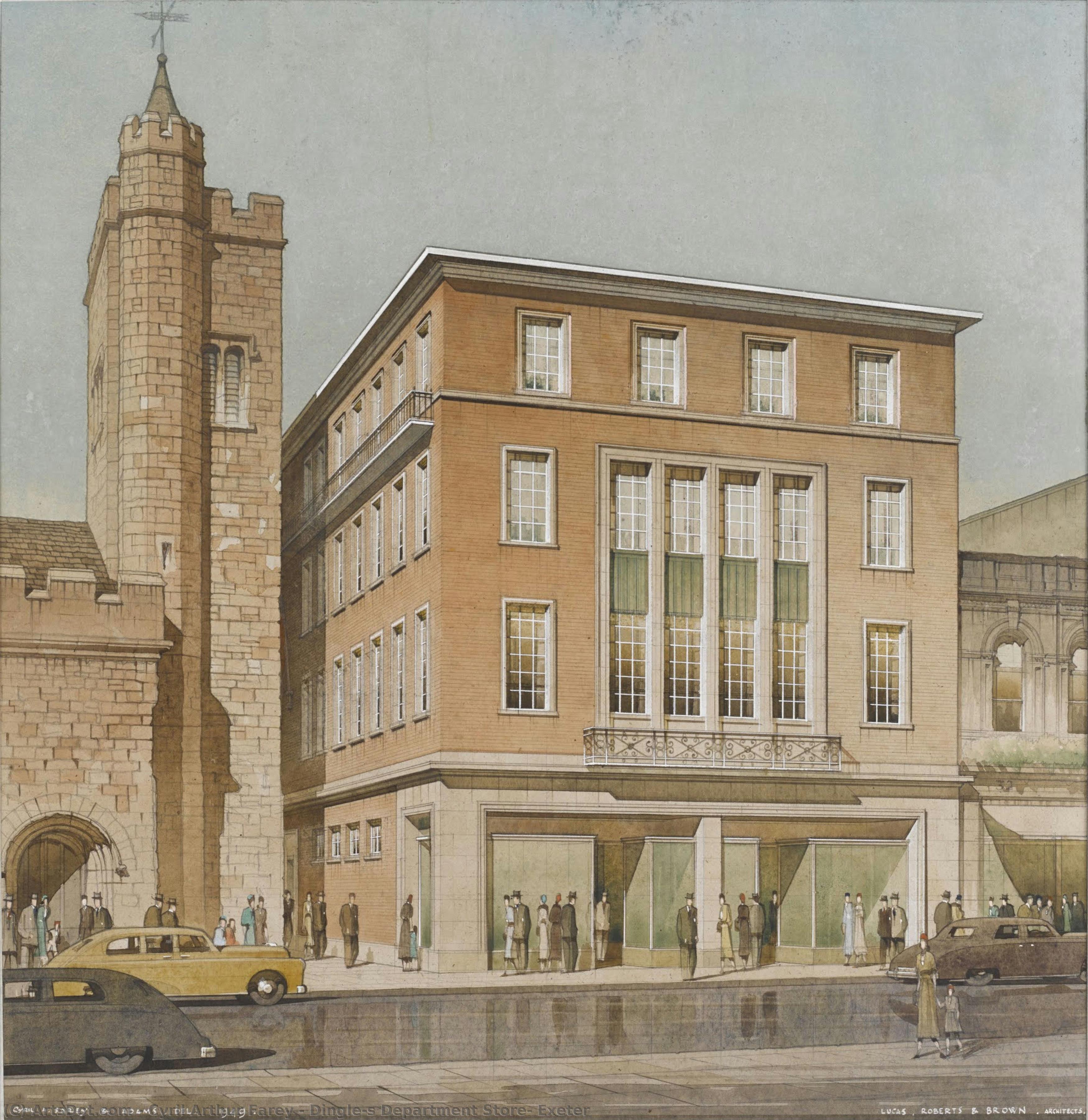
Dingle’s Department Store, Exeter
 Watercolor
- WallArt
- Contemporary Realism
 1949
1949- 19th Century
 Royal Albert Memorial Museum - Art Gallery
 Читать далее
Масляная репродукция ручной работы
Картина маслом на холсте в выбранном вами размере и раме, написанная на заказ нашими художниками. ( Перейти к печати Перейти к цифровым изображениям)




P118B $10

P118H $10

P118W $10

P438Z $10

P508JH $12

P508YH $12

P805H $10

P805Z $10

P919BZ $10

P919G $10

P919XJ $10

P959ZH $10

P968JZ $12

W106C $8

W218G $10

W218JH $8

W218Y $10

W307PJ $10

W316G $10

W316PJ $8

W316Y $10

W398PJ $8

W4111J $10

W500HY $15

W500JH $15

W692G $12

W849H $8

W940BG $15

W953PJ $8




Выберите один из наших стандартных размеров, соответствующих оригинальным пропорциям произведения искусства.

Вы можете указать собственные размеры, чтобы картина идеально вписалась в выбранную раму или пространство. Если выбранный вами размер не соответствует пропорциям оригинала, мы либо обрежем полотно, либо расширим его за счет дополнительных элементов, написанных вручную. Цифровой макет будет отправлен вам на утверждение перед началом производства.
Обратите внимание, что предварительный просмотр на экране не отражает фактическую обрезку или расширение. Только макет точно покажет окончательную композицию.
Хотя доступны индивидуальные размеры, мы рекомендуем выбирать вариант из предопределенного списка, чтобы сохранить исходные пропорции.
После оформления заказа команда ArtsDot.com свяжется с клиентом по электронной почте для уточнения деталей и предоставит предварительный макет
Доставка по всему миру () за 3–4 недели вместо стандартных 5 недель. (11 Сентябрь). Без компромиссов в качестве.

Бесплатная экспресс-доставка по всему миру

Высококачественный льняной холст

Полное страхование доставки

Гарантия возмещения таможенных пошлин

Гарантия точного соответствия цветов

100-дневная политика возврата (только при обнаружении дефектов)

Гарантия возврата 100% средств

Предложение оптовых скидок
 Вариант со стеклом доступен только для размеров менее 110 см

Dingle’s Department Store, Exeter
Техника репродукции
Размер репродукции
-


Итоговая стоимость
$ 438
Dingle’s Department Store, Exeter – A Snapshot of Post-War Commerce
- Subject: Cyril Arthur Farey's meticulously rendered depiction of Dingle’s Department Store in Exeter, England, circa 1949. The artwork transcends a simple architectural drawing; it captures a specific moment in the city’s evolution – a period marked by burgeoning retail development and shifting urban landscapes.
- Artist: Created by the esteemed architect and watercolour painter, Cyril Arthur Farey (1888-1954), this piece exemplifies his celebrated skill as an architectural illustrator. Farey's work was highly sought after by prominent architects of his time, demonstrating a profound understanding of perspective and detail.
- Historical Context: The painting’s creation coincides with a pivotal era in Exeter’s history – the post-War period. The scene depicts a time when private cars were permitted on the High Street, a stark contrast to the present day restrictions. This glimpse into a bygone age adds layers of poignant significance, particularly considering the dramatic shifts in shopping habits brought about by events like Covid-19.
A Masterclass in Perspective and Technique
- Style: Farey’s style leans towards realism with a subtly stylized quality. The emphasis is on clarity and precision, prioritizing accurate representation of the building's design and its surrounding environment. This approach was characteristic of architectural illustrations from the mid-20th century, where technical accuracy held paramount importance.
- Technique: The artwork skillfully combines watercolor with pen and ink, resulting in a layered effect that enhances depth and texture. Subtle shading and cross-hatching are employed to suggest material surfaces – brick, stone, and perhaps the polished metal of the automobile. The diffused lighting casts gentle shadows, contributing to the three-dimensionality of the scene.
- Materials: The piece was likely executed on paper using watercolor pigments and drawing inks, reflecting the materials commonly utilized by Farey during his career.
Composition and Symbolic Elements
- Composition: The artwork employs a traditional compositional structure with distinct foreground, middle ground, and background elements, creating a sense of depth and spatial awareness. The flattened perspective, typical of architectural illustrations from this era, further emphasizes the building’s design.
- Details: Noteworthy details include several pedestrians, a yellow automobile (a symbol of modernity in 1949), and the overall bustling streetscape – elements that contribute to the scene's narrative quality. The focus remains firmly on documenting and presenting the architectural design rather than injecting overt symbolic or emotional content.
Emotional Impact and Legacy
The painting’s enduring appeal lies not only in its technical brilliance but also in its ability to evoke a sense of nostalgia for a simpler time. It serves as a visual record of Exeter's architectural evolution, offering a poignant reminder of the city’s past and the changing nature of commerce. This reproduction offers an exceptional opportunity to own a piece of British art history, capturing a significant moment in both Farey’s career and the development of Exeter. Its warm earth tones and meticulous detail create a timeless aesthetic that will complement any interior space.Похожие произведения
Биография художника
A Master of Perspective: The Life and Art of Cyril Arthur Farey
Cyril Arthur Farey (1888-1954) occupies a unique, often overlooked position in the history of British art. While not a household name today, during the first half of the 20th century he was *the* preeminent architectural illustrator of his generation, sought after by leading architects and celebrated for his ability to transform buildings into captivating realities on paper. His detailed pencil and watercolour perspective drawings weren’t merely technical representations; they were imbued with atmosphere, a sense of place, and an almost romantic quality that elevated them beyond mere documentation. Farey's story is one of exceptional skill honed through rigorous training, a dedication to the Beaux-Arts tradition, and a remarkable ability to capture the spirit of an era undergoing profound change.Early Training and Artistic Foundations
Born in London in 1888, Farey’s path towards artistic mastery began with formal education at Tonbridge School. He then embarked on articles with architect Horace Field between 1911 and 1913, a crucial period of apprenticeship that laid the groundwork for his future career. Simultaneously, he attended both the Architectural Association and the Royal Academy School of Architecture, immersing himself in the principles of design and draughtsmanship. This dedication was rewarded with a series of prestigious awards – the RA Schools Bronze Medal in 1911, followed by the Tite Prize in 1913 and the Soane Medallion in 1914. These accolades weren’t simply acknowledgements of technical proficiency; they signaled a burgeoning talent for visual storytelling and an exceptional eye for detail. His early work demonstrated a commitment to precision, but even then, hints of the atmospheric qualities that would define his later style were beginning to emerge. During World War I, Farey served in the Royal Army Service Corps, reaching the rank of captain—a brief interruption to his artistic pursuits before returning to a rapidly changing world.The Golden Age of Architectural Illustration
The interwar period proved to be Farey’s most prolific and successful era. He became the go-to illustrator for some of Britain's leading architects, including Sir Edwin Lutyens and Frank Lloyd Wright. This wasn’t accidental; Farey possessed a rare ability to translate architectural visions into compelling images that resonated with clients and the public alike. His drawings weren’t simply accurate depictions—they were evocative interpretations, often imbued with a sense of grandeur and solidity. He travelled extensively in Europe, undertaking commissions for projects as diverse as Wright's Tokyo Imperial Hotel (1923) and the Sydney Harbour Bridge. He was considered alongside William Walcot to be one of the preeminent architectural draftsmen of the period. A key element of his success lay in his mastery of watercolour techniques, particularly his innovative use of damp foregrounds and carefully placed figures to create a sense of urban life and atmosphere—a quality that earned him the affectionate nickname “Fareyland” among contemporaries.Influences and Techniques
Farey’s artistic lineage can be traced back to the École des Beaux-Arts tradition, which emphasized meticulous detail, precise perspective, and a romanticized vision of architecture. He inherited this legacy and became its unique champion in England. His work stands apart for its ability to combine technical accuracy with an almost painterly sensibility. He wasn’t merely reproducing buildings; he was creating atmospheric scenes that captured their essence. The influence of the Beaux-Arts is evident in his careful attention to light and shadow, his use of classical composition, and his dedication to representing architectural forms with a sense of solidity and weight. However, Farey also brought a distinctly British sensibility to his work—a focus on realism and a desire to present buildings as integral parts of their surroundings. His drawings often feature subtle details that evoke the everyday life of the city, adding depth and character to his compositions.Legacy and Historical Significance
Despite his considerable success during his lifetime, Farey’s work fell into relative obscurity after his death in 1954. The rise of modernism and a shift away from traditional architectural styles contributed to the decline of interest in his meticulously detailed drawings. However, recent years have seen a renewed appreciation for his artistry. His illustrations offer a fascinating glimpse into the architectural landscape of the first half of the 20th century, providing valuable documentation of iconic buildings and urban spaces. More importantly, they represent a high point in the art of architectural illustration—a testament to the power of draughtsmanship and the ability of an artist to transform buildings into captivating works of art. His publication *Architectural Drawing, Perspective & Rendering* (co-authored with A. Trystan Edwards in 1931) remains a valuable resource for students and professionals alike, solidifying his position as not only a skilled practitioner but also a respected teacher and theorist. Cyril Arthur Farey’s legacy endures as a reminder of the beauty and power of hand-drawn artistry in an increasingly digital world.
Cyril Arthur Farey
1888 - 1954 , United Kingdom
Основные сведения
- Artistic Movement Or Style: Post-Impressionism
- Artists Or Movements Influenced By This Artist:
- Expressionism
- Post-Impressionism
- Artists Who Influenced This Artist:
- Eugène Delacroix
- Edgar Degas
- Paul Gauguin
- Date Of Birth: March 30, 1853
- Date Of Death: July 29, 1890
- Full Name: Vincent Willem van Gogh
- Nationality: Dutch
- Notable Artworks:
- Sunflowers
- Bedroom in Arles
- Starry Night
- Wheatfield with Crows
- Place Of Birth: Ghent, Belgium
Похожие статьи

Ephemeral Visions: Exploring the Artistic Legacy & Nuances of Watercolor Painting
Explore the captivating world of watercolor painting! Discover its rich history, essential techniques, influential artists & collecting tips from art experts. A comprehensive guide for enthusiasts.

Ephemeral Visions: Exploring the History & Emotional Resonance of Watercolor Painting
Explore the captivating history of watercolor painting, from ancient techniques to modern masters like Kandinsky & Blake. Discover essential artists, collecting tips & the emotional power of this luminous medium. Expert insights for art enthusiasts.

Ephemeral Visions: Exploring the Artistic Legacy & Contemporary Practice of Watercolor Painting
Explore the captivating world of watercolor painting! Discover its rich history, essential techniques, influential artists & collecting tips. A comprehensive guide for art enthusiasts from ArtsDot.

Топ-10 легендарных акварелей, изменивших искусство навсегда | ArtsDot
Погрузитесь в мир акварели! Откройте топ-10 легендарных картин Turner, Monet и других великих художников. История искусства, техники живописи и вдохновение для вашего интерьера. Репродукции музейного качества на ArtsDot.com.

Акварель: История, Техники и Современная Практика
Узнайте историю акварели от древности до современности, познакомьтесь с техниками и секретами мастеров. Пошаговое руководство для начинающих и вдохновение для опытных художников.