

 Предпросмотр
 Поделиться
 Поделиться
 Детали произведения

 Скачать
 Похожие работы
 Рентгенография
 Слайд-шоу
 Статистика
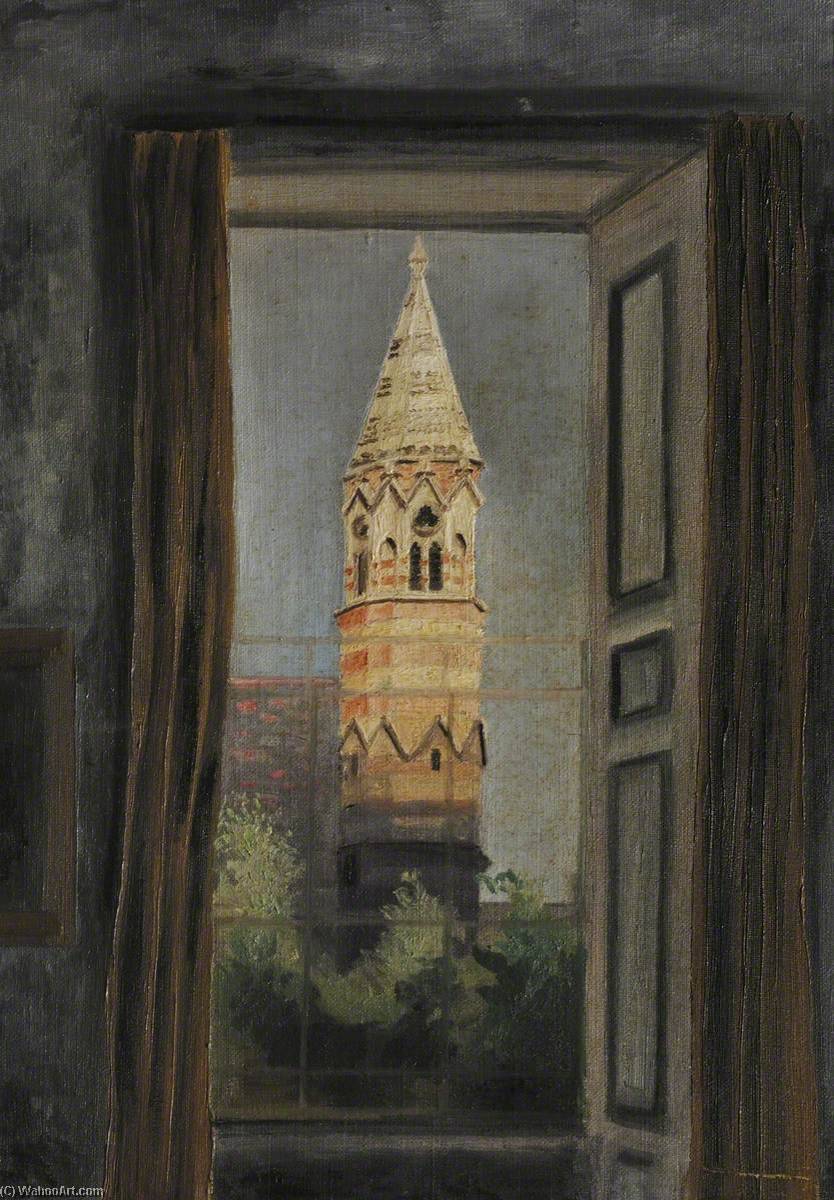
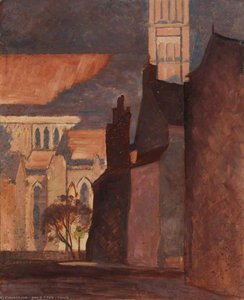
View of the College Chapel
 Oil On Canvas
- WallArt
- Contemporary Realism
 89.0 x 63.0 cm
 Balliol College
 Читать далее
Приобретите цифровое изображение высокого разрешения в улучшенном качестве, которое значительно превосходит онлайн-превью.
Каждый файл тщательно подготавливается нашими специалистами с использованием передовых инструментов и экспертной ручной ретуши. Мы гарантируем исключительную четкость, точную цветопередачу и детальную проработку каждого изображения.
Финальный файл доставляется по электронной почте в течение 72 часов и оптимизирован для немедленного использования в профессиональной среде, при верстке и печати. Это тот же уровень качества, которому доверяют ведущие дизайнерские студии, издательства и галереи.
Цифровое изображение
Скачайте файл высокого разрешения для личного использования, печати и творческих проектов. ( Перейти к печати Купить картину ручной работы)
Включено в каждый заказ цифровых изображений
Гарантия экспертной цифровой доставки
Выбирая ArtsDot.com, вы получаете не просто изображение — вы приобретаете профессионально обработанное цифровое произведение искусства, созданное с безупречной точностью и под защитой гарантии качества. Вот всё, что автоматически входит в ваш заказ:

Мгновенная доставка по e-mail
Ваш цифровой файл в высоком разрешении будет отправлен вам по электронной почте в течение 72 часов после оформления заказа — и сразу станет доступен для использования.

Цифровой файл с ИИ-улучшением
Ваше произведение искусства проходит профессиональную оптимизацию с использованием передовых инструментов ИИ и ручной обработки, что гарантирует максимальную детализацию, четкость и точность цветопередачи.

Бессрочная бесплатная повторная доставка
Случайно удалили или потеряли файл? Не беспокойтесь — мы отправим его вам повторно в любое время и совершенно бесплатно.

Без импортных пошлин — навсегда
Наслаждайтесь вашим произведением искусства мгновенно без таможенных пошлин, сборов или затрат на доставку — цифровые загрузки всегда не облагаются налогом.

Гарантия точности цветопередачи
Мы гарантируем, что ваше цифровое изображение максимально точно передает оригинальные цвета благодаря использованию профессиональных инструментов и систем управления цветом.

Гарантия удовлетворенности 100 дней
Если вы не будете удовлетворены своим цифровым изображением, мы внесем правки или вернем 100% стоимости в течение 100 дней — без лишних вопросов.

100% Гарантия возврата средств
Не удовлетворены покупкой? Получите полный возврат средств в течение 100 дней после получения цифрового файла — без лишних вопросов.

Скидки на оптовые заказы
Купите 3 изображения, сэкономьте 10% — Купите 5, сэкономьте 15% — Купите 10+, сэкономьте 20%. Отличное решение для творческих проектов, галерей и агентств.
A Moment Frozen in Time: Exploring Cyril Norman Hinshelwood’s “View of the College Chapel”
Cyril Norman Hinshelwood’s “View of the College Chapel,” completed around 1936, stands as a testament to Oxford’s enduring architectural grandeur and the quiet contemplation fostered by its historic spaces. More than just a depiction of stone and light, this oil painting embodies a profound connection between observation and artistic expression—a characteristic that defines Hinshelwood's oeuvre and cements his place among Britain’s most influential chemists.
The artwork presents a carefully considered perspective through an arched doorway framing the towering spire of St George’s Chapel. Hinshelwood skillfully employs linear perspective, drawing viewers into the chapel’s interior with receding lines that emphasize its monumental scale. The muted color palette—dominated by browns and grays—reflects the solemn atmosphere of the chapel itself, subtly enhancing the sense of stillness conveyed by the composition.
- Style: Hinshelwood adheres to a realist style, prioritizing accuracy in portraying architectural details while maintaining an understated aesthetic.
- Technique: Executed in oil paint on canvas, the artwork showcases meticulous brushstrokes that capture the texture of stone and create depth within the scene. The blending of colors contributes to a harmonious visual experience.
- Composition: The central spire dominates the frame, drawing immediate attention while the doorway’s framing elements provide context and guide the viewer's gaze.
Beyond its formal qualities, “View of the College Chapel” speaks to themes of scholarly devotion and visual serenity. Hinshelwood’s choice of subject matter—a sacred building bathed in diffused light—suggests a desire to capture not merely what is seen but also what is felt. The painting invites contemplation on beauty, tradition, and the enduring legacy of Oxford University.
Located within Trinity College's collection, this artwork exemplifies Hinshelwood’s dedication to capturing moments of visual harmony and intellectual curiosity. Its understated elegance continues to inspire admiration among art enthusiasts and collectors alike—a reflection of Hinshelwood’s profound contribution to both the scientific realm and the artistic spirit.
Похожие произведения

Биография художника
The Architect of Molecular Motion: The Life of Cyril Norman Hinshelwood
Sir Cyril Norman Hinshelwood was not a painter of canvases, but a master of the invisible, a man who captured the frantic, unseen dance of atoms with the precision of a poet. Born in London in 1897, his life was shaped by a profound intellectual curiosity that would eventually lead him to the highest echelons of scientific achievement. Though his early years were marked by the personal tragedy of his father’s death and a relocation from Canada back to England, these formative experiences instilled in him a resilient spirit and an analytical depth that became the hallmark of his career. His journey through Westminster City School and eventually to the prestigious Balliol College, Oxford, set the stage for a life dedicated to unraveling the complex mysteries of chemical kinetics. The atmosphere of early twentieth-century London, particularly the vibrant intellectual circles of Chelsea, provided a backdrop of intense discovery. For Hinshelwood, the laboratory became his studio, where the medium was not oil or pigment, but the very essence of matter itself. His early work during the First World War in the Royal Laboratory of Defence, focusing on the volatile chemistry of explosives, demanded a level of meticulousness and an understanding of rapid change that would later define his groundbreaking research into chain reactions. This period of intense, high-stakes experimentation served as a crucible, refining his ability to observe and interpret the most fleeting of chemical transformations.A Legacy Written in Reaction Rates
As he transitioned into his role at Trinity College, Oxford, Hinshelwood began to compose his greatest scientific masterpieces. He possessed a rare ability to synthesize vast amounts of complex data into elegant, understandable theories. His seminal works, such as “Thermodynamics for Students of Chemistry” and “The Kinetics of Chemical Change,” were more than mere textbooks; they were foundational maps for future generations of scientists navigating the turbulent waters of molecular interaction. Through these writings, he established the fundamental principles of how chemical reactions proceed, focusing on the intricate mechanisms that govern the speed and path of change. His most profound achievement, however, lay in his collaborative exploration of chain reactions. Alongside fellow luminaries, he elucidated how a single energetic event could trigger a cascading sequence of molecular collisions, a concept that fundamentally altered our understanding of both chemistry and combustion. This work was not merely academic; it had profound implications for the physical sciences and even the burgeoning field of nuclear physics. The recognition of this monumental contribution culminated in the Nobel Prize in Chemistry, an honor that solidified his place among the giants of scientific history.The Enduring Impact of a Scientific Visionary
Beyond the laboratory walls, Hinshelwood’s influence extended into the very fabric of societal progress. He was a man who believed that science should serve the common good, frequently lending his expertise to advisory councils on matters of national importance. His ability to bridge the gap between abstract theoretical research and practical application made him an indispensable figure in British scientific policy. Even as he navigated the complexities of mid-century geopolitics, his focus remained steadfastly on the pursuit of truth through empirical observation. The historical significance of Cyril Norman Hinshelwood lies in his role as a pioneer who brought order to the chaos of molecular motion. He taught us that within the seemingly random collisions of particles, there exists a profound and predictable logic. His life remains a testament to the power of disciplined inquiry and the beauty found in understanding the fundamental laws of our universe. Though he may not have left behind portraits or sculptures, the structures of modern chemical kinetics stand as his most enduring and magnificent monuments, forever etched into the foundation of scientific thought.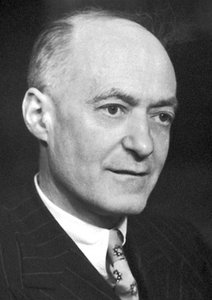
cyril norman hinshelwood
1897 - 1967 , United Kingdom
Основные сведения
- Artistic Movement Or Style: Physical Chemistry
- Artists Or Movements Influenced By This Artist: ['Langmuir-Hinshelwood process']
- Artists Who Influenced This Artist: ['Harold Warris Thompson']
- Date Of Birth: 19 June 1897
- Full Name: Cyril Norman Hinshelwood
- Nationality: British
- Notable Artworks:
- Interior of Hinshelwood's Room
- Michael Seakins
- View of the College Chapel
- Place Of Birth: London, England