

 Предпросмотр
 Поделиться
 Поделиться
 Детали произведения

 Скачать
 Похожие работы
 Рентгенография
 Слайд-шоу
 Статистика
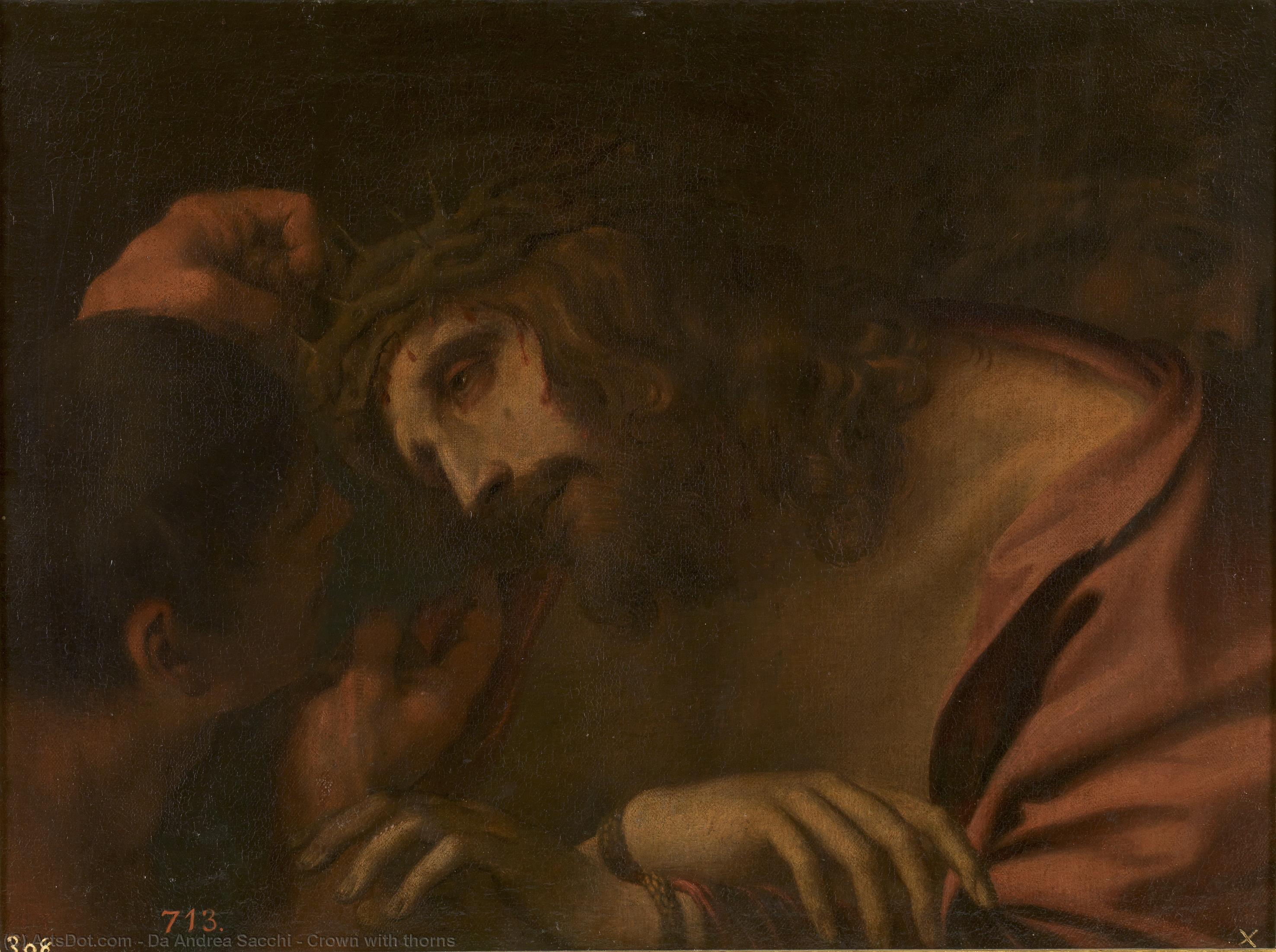
Crown with thorns
 Oil On Canvas
- WallArt
- Baroque
 Early Modern
 50.0 x 67.0 cm
 Музей Прадо
 Читать далее
Жикле / Арт-принт
Печать (жикле) или холст музейного качества с быстрыми сроками изготовления и широким выбором вариантов отделки. ( Купить картину ручной работы Перейти к цифровым изображениям)




P118B $10

P118H $10

P118W $10

P438Z $10

P508JH $12

P508YH $12

P805H $10

P805Z $10

P919BZ $10

P919G $10

P919XJ $10

P959ZH $10

P968JZ $12

W106C $8

W218G $10

W218JH $8

W218Y $10

W307PJ $10

W316G $10

W316PJ $8

W316Y $10

W398PJ $8

W4111J $10

W500HY $15

W500JH $15

W692G $12

W849H $8

W940BG $15

W953PJ $8




Выберите один из наших стандартных размеров, соответствующих оригинальным пропорциям произведения искусства.

Вы можете указать свои собственные размеры, чтобы репродукция идеально подошла под конкретную раму или пространство. Если выбранный вами размер не будет соответствовать пропорциям оригинала, мы либо обрежем произведение, либо дополним изображение зеркальным отражением краев или однотонной заливкой. Перед началом производства вам будет отправлен цифровой макет для утверждения.
Пожалуйста, обратите внимание, что предварительный просмотр на экране не отображает фактическую обрезку или расширение изображения. Только макет точно покажет финальную композицию.
Несмотря на возможность заказа индивидуальных размеров, мы рекомендуем выбирать размер из предопределенного списка, чтобы сохранить оригинальные пропорции.
Доставка по всему миру () за 2 недели вместо стандартных 4/5 недель. (11 Сентябрь)

Бесплатная экспресс-доставка по всему миру

Высококачественный льняной холст

Полное страхование доставки

Гарантия возмещения таможенных пошлин

Гарантия точного соответствия цветов

100-дневная политика возврата (только при обнаружении дефектов)

Гарантия возврата 100% средств

Предложение оптовых скидок
 Вариант со стеклом доступен только для размеров менее 110 см

Crown with thorns
Жикле / Арт-принт
Размер репродукции
-


Итоговая стоимость
$ 62
The Weight of Sacrifice: An Encounter with Suffering
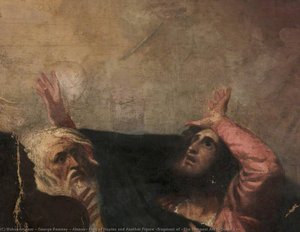
This evocative depiction, titled "Crown with thorns," plunges the viewer into a moment of profound human suffering and divine sacrifice. The scene arrests the eye in its dramatic intensity, portraying the harrowing act of Jesus being subjected to the mockery of the crown of thorns by surrounding figures. One can almost feel the oppressive weight of the dark setting—a space suggesting confinement, perhaps a dungeon or prison cell—which serves only to amplify the pathos of the central action. The composition is charged with palpable tension; the hands reaching out, the faces etched with pain and malice, all contribute to an atmosphere thick with sorrow.
Baroque Drama in Sacred Narrative
Attributed to da Andrea Sacchi, this work resonates deeply with the spirit of Baroque Classicism. Sacchi, a master working during the late seventeenth century, was renowned for his ability to fuse classical sculptural ideals with dramatic theatricality. His training under masters like Alessandro Algardi is evident in the careful rendering of musculature and gesture; even within the chaos of suffering, there is an underlying sense of formal structure. The artist does not merely record an event; he stages a monumental emotional confrontation. The interplay between light and shadow, characteristic of the period, carves out the figures from the gloom, focusing all attention on the humiliation endured by the central figure.
Symbolism Woven into Thorn and Shadow
The symbolism here is immediate and overwhelming. The crown of thorns is not merely an accessory; it is a potent symbol of ultimate mockery juxtaposed against divine kingship. It speaks to the paradox of suffering leading to exaltation. Furthermore, the surrounding figures—some participating in the torment, others observing from the periphery—represent humanity's capacity for both cruelty and witness. The darkness enveloping the scene suggests the spiritual void or the depth of human despair, making the illuminated agony of Christ all the more piercingly poignant.
A Study in Emotional Resonance for Your Space
For collectors and designers alike, this piece offers far more than mere decoration; it is a meditation on endurance. Reproducing such a powerful work allows one to bring a focal point of deep contemplation into any room. The rich tonality and dramatic chiaroscuro inherent in Sacchi's style lend themselves beautifully to creating an atmosphere of solemn grandeur. Whether placed in a formal study, a chapel-inspired lounge, or a gallery setting, "Crown with thorns" commands attention, inviting quiet reflection upon themes of sacrifice, redemption, and the enduring nature of the human spirit.
Похожие произведения



Биография художника
The Architect of Baroque Classicism
Andrea Sacchi (1599–1661) stands as a pivotal figure in the High Baroque artistic landscape of Rome, embodying a masterful synthesis of classical ideals and dramatic theatricality. Born into a modest family, his early life was shaped by the creative, if unexceptional, influence of his father, Benedetto Sacitti. However, it was the keen eye of Giuseppe D’Arpino that recognized Andrea's prodigious talent, steering him toward a path of greatness. This early mentorship, followed by the profound tutelage of the celebrated sculptor Alessandro Algardi, instilled in Sacchi a lifelong appreciation for sculptural form and anatomical proportion. His training was not merely about technique but about understanding the weight and presence of figures, a quality that would later define his most monumental works.
As his artistry matured, Sacchi’s journey took him through the workshops of Francesco Albani and Pietro da Cortona, exposing him to the vibrant and often conflicting stylistic currents of 17th-century Rome. He became a central figure in the intellectual life of the city, famously engaging in spirited debates at the Accademia di San Luca. These discussions often centered on his opposition to the more exuberant and decorative style of Cortona. Sacchi championed a restrained, intellectually rigorous aesthetic rooted in the harmonious compositions of Raphael and a meticulous observation of nature. He sought to reject excessive ornamentation in favor of a clarity that allowed the emotional truth of the narrative to resonate without distraction.
A Legacy of Grand Narratives and Divine Light
The trajectory of Sacchi’s career was significantly propelled by the prestigious patronage of Cardinal Antonio Barberini. This relationship secured for him some of the most coveted commissions in Rome, including monumental frescoes within the Palazzo Barberini and the Cappella Gavotti at Sant'Andrea della Valle. In these grand undertakings, Sacchi demonstrated an unparalleled ability to weave complex religious and historical narratives into immersive environments. He utilized illusionistic painting techniques to transport viewers into sacred realms, where biblical scenes were rendered with breathtaking realism and a profound sense of emotional depth.
His technical prowess was particularly evident in his ability to manipulate light and shadow to create drama within a classical framework. In works such as "Crown with thorns," one can witness the palpable tension and the heavy, oppressive atmosphere of a dungeon, where the interplay of darkness and illumination focuses the viewer's attention on the harrowing suffering of Christ. This capacity to stage monumental emotional confrontations—balancing the weight of human agony with the grace of divine sacrifice—is what distinguishes his oeuvre from the more purely decorative elements of the Baroque era.
Artistic Exploration and Historical Significance
Beyond the borders of Rome, Sacchi’s artistic curiosity led him to explore the rich traditions of Venice and Parma. During these travels, he studied the works of Correggio, an experience that undoubtedly refined his ability to handle soft transitions and emotive luminosity. This period of exploration allowed him to integrate a broader Italian vocabulary into his already sophisticated style, blending Roman structural rigor with the atmospheric delicacy found in Northern Italian painting.
The historical significance of Andrea Sacchi lies in his role as a guardian of classical dignity during an era of intense artistic experimentation. While contemporaries like Pietro da Cortona pushed toward the heights of Baroque exuberance, Sacchi provided a necessary counterpoint, reminding the art world of the enduring power of balance, proportion, and clarity. His influence extended through generations, impacting painters such as Nicolas Poussin and Giovanni Battista Passeri. Today, his masterpieces, preserved in institutions like the Pinacoteca Vaticana, serve as enduring testaments to a man who could capture both the monumental scale of history and the intimate whispers of the human soul.
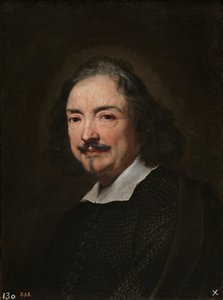
da andrea sacchi
1599 - 1661
Основные сведения
- Artistic Movement Or Style: High Baroque Classicism
- Artists Or Movements Influenced By This Artist: ['Nicolas poussin']
- Artists Who Influenced This Artist:
- Raphael
- Correggio
- Date Of Birth: 1599
- Date Of Death: 1661
- Full Name: Andrea Sacchi
- Nationality: Italian
- Notable Artworks:
- Cenacolo di Andrea del Sarto
- San Nicola da Tolentino
- Place Of Birth: Rome
Похожие статьи

Барочная драма: Искусство величия в современном интерьере
Погрузитесь в мир роскоши и величия барокко! Узнайте об истории стиля, ключевых элементах интерьера и архитектуре. Вдохновляйтесь с и создайте свой неповторимый дизайн.

10 Шедевров Барокко: Искусство, изменившее мир | ArtsDot.com
Погрузитесь в мир барокко! 10 шедевров Караваджо, Рембрандта и других великих художников. Узнайте историю создания культовых картин и найдите идеальную репродукцию для вашего интерьера на ArtsDot.com

Theatricality & Triumph: Baroque Drama in Painting & Sculpture
Explore the dramatic world of Baroque art! Discover its history, defining characteristics, & lasting influence on painting & sculpture. Expert insights into Caravaggio, Zurbarán, and Bernini – plus high-quality reproductions at ArtsDot.

The Visceral Stage: Exploring Dramatic Narratives & Emotional Intensity in Baroque Art
Explore the dramatic world of Baroque art! Discover iconic masters like Caravaggio & Rembrandt, their techniques, and the movement's lasting impact. Expert insights for collectors & enthusiasts at ArtsDot.

The Dramatic Flourish: Exploring the Baroque Movement's Enduring Legacy in Art History
Explore the dramatic world of Baroque art! Discover iconic artists like Caravaggio & Rubens, defining techniques, and its lasting impact on art history. Expert insights for collectors & enthusiasts at ArtsDot.