

 Предпросмотр
 Поделиться
 Поделиться
 Детали произведения

 Скачать
 Похожие работы
 Рентгенография
 Слайд-шоу
 Статистика
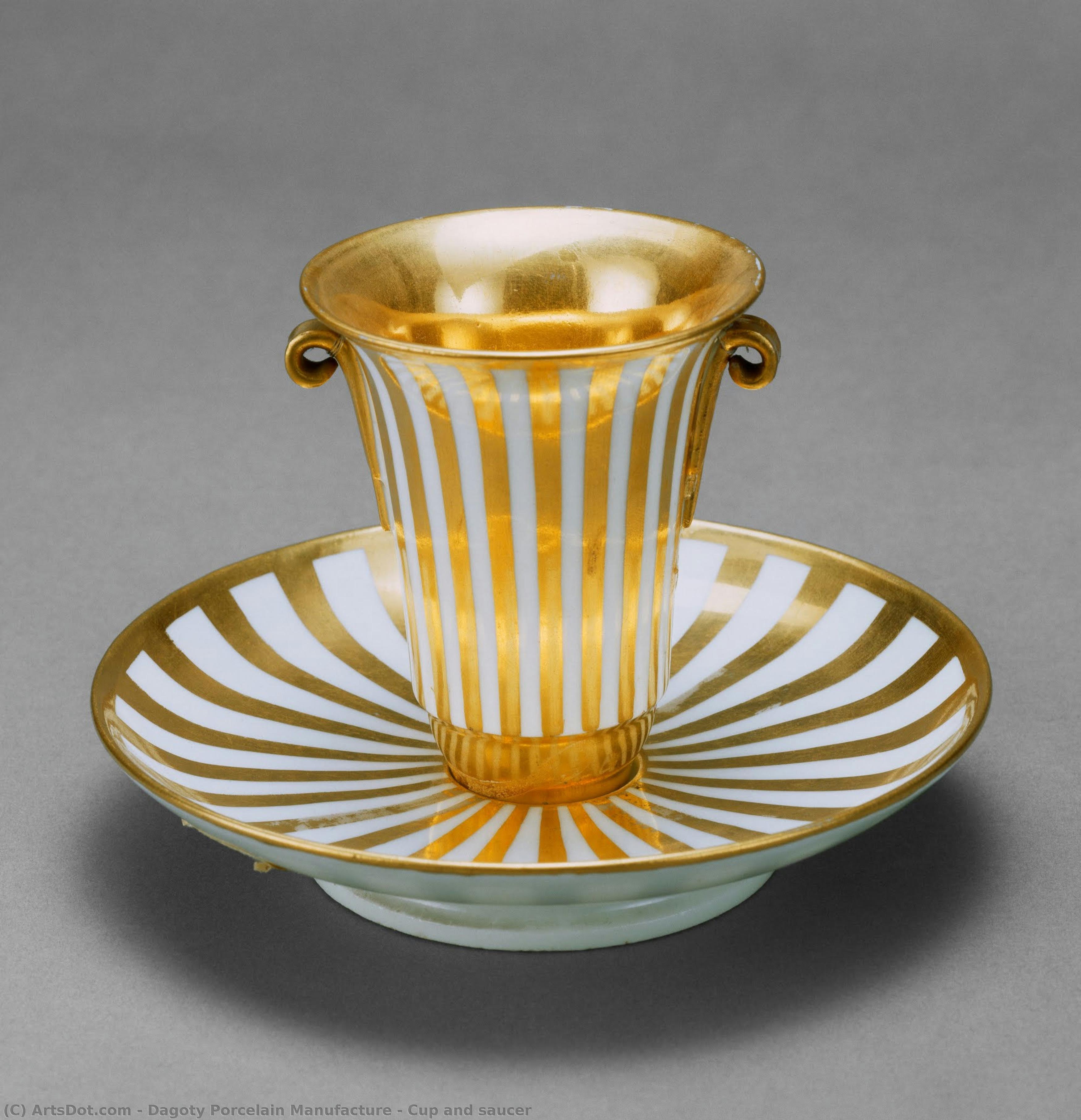
Cup and saucer

 Читать далее
Жикле / Арт-принт
Печать (жикле) или холст музейного качества с быстрыми сроками изготовления и широким выбором вариантов отделки. ( Купить картину ручной работы Перейти к цифровым изображениям)




































Выберите один из наших стандартных размеров, соответствующих оригинальным пропорциям произведения искусства.

Вы можете указать свои собственные размеры, чтобы репродукция идеально подошла под конкретную раму или пространство. Если выбранный вами размер не будет соответствовать пропорциям оригинала, мы либо обрежем произведение, либо дополним изображение зеркальным отражением краев или однотонной заливкой. Перед началом производства вам будет отправлен цифровой макет для утверждения.
Пожалуйста, обратите внимание, что предварительный просмотр на экране не отображает фактическую обрезку или расширение изображения. Только макет точно покажет финальную композицию.
Несмотря на возможность заказа индивидуальных размеров, мы рекомендуем выбирать размер из предопределенного списка, чтобы сохранить оригинальные пропорции.
Доставка по всему миру () за 2 недели вместо стандартных 4/5 недель. (12 Сентябрь)

Бесплатная экспресс-доставка по всему миру

Высококачественный льняной холст

Полное страхование доставки

Гарантия возмещения таможенных пошлин

Гарантия точного соответствия цветов

100-дневная политика возврата (только при обнаружении дефектов)

Гарантия возврата 100% средств

Предложение оптовых скидок
 Вариант со стеклом доступен только для размеров менее 110 см

Cup and saucer
Жикле / Арт-принт
Размер репродукции
-


Итоговая стоимость
$ 62
Похожие произведения










Биография художника
The Delicate World of Dagoty Porcelain
The name Dagoty evokes a sense of refined elegance and meticulous craftsmanship, inextricably linked to the history of French porcelain production. While not a single artist in the traditional sense, the *Dagoty Porcelain Manufacture* represents a lineage of skilled artisans and entrepreneurial visionaries who shaped the aesthetic landscape of tableware and decorative objects from the late 18th through the mid-20th century. Founded in 1790 by Pierre Dagoty, the manufacture quickly established itself as a prominent force in Creil, France, a region burgeoning with ceramic workshops following the revocation of royal privileges that had previously concentrated production in Sèvres and Limoges. Pierre Dagoty, initially a painter at Sèvres, recognized an opportunity to create high-quality porcelain accessible to a wider clientele, moving away from the exclusive luxury market towards more practical yet beautifully designed pieces for everyday use. This democratization of fine ceramics became a defining characteristic of the Dagoty enterprise.Early Innovations and Rise to Prominence
The early years of the manufacture were marked by a spirit of innovation. Dagoty pioneered new techniques in transfer printing, allowing for intricate designs to be reproduced efficiently and accurately onto porcelain surfaces. This was particularly crucial during the Napoleonic era when demand soared for commemorative wares depicting military victories and imperial emblems. The factory’s output included not only dinner services but also decorative items like vases, pitchers, and figurines, often adorned with scenes inspired by classical mythology, romantic landscapes, and contemporary fashion. The distinctive style that emerged blended Rococo flourishes with Neoclassical restraint, reflecting the broader artistic currents of the period. Pierre Dagoty’s son, Louis-Auguste Dagoty, took over the business in 1820, further expanding its reach through strategic partnerships and a keen understanding of market trends. He introduced faïence production alongside porcelain, broadening the range of available products and appealing to an even wider consumer base. The factory’s success was also built on a commitment to quality control; each piece underwent rigorous inspection before being released for sale, ensuring a consistent standard that earned Dagoty a reputation for reliability and artistry.A Legacy of Diverse Styles
Throughout the 19th century, the Dagoty manufacture demonstrated remarkable adaptability, responding to evolving tastes with an impressive array of styles. The Romantic movement found expression in delicate floral patterns and picturesque scenes, while the Victorian era saw a proliferation of elaborate designs featuring rich colors and ornate detailing. Japanese influences, prevalent during the Japonisme craze, were incorporated into porcelain forms and decorative motifs, adding an exotic touch to their collections. The factory also embraced the Art Nouveau aesthetic in the late 19th and early 20th centuries, producing pieces characterized by flowing lines, organic shapes, and stylized floral patterns. This stylistic versatility was not merely a matter of following trends; it reflected a deep understanding of design principles and a willingness to experiment with new techniques and materials. The Dagoty factory employed numerous talented artists and designers over the years, each contributing to the rich tapestry of its artistic output.The 20th Century and Enduring Appeal
The early 20th century brought new challenges for the Dagoty manufacture, including increased competition from industrial producers and changing consumer preferences. While production continued, the factory gradually shifted its focus towards more specialized lines of tableware and decorative objects.- Commemorative plates remained a popular item.
- Limited-edition collections were introduced to appeal to collectors.
- The emphasis on hand-painted details was maintained, distinguishing Dagoty products from mass-produced alternatives.
Основные сведения
- Artistic Movement Or Style: Porcelain Manufacturing
- Date Of Death: Living
- Full Name: Dagoty Porcelain Manufacture