

 Предпросмотр
 Поделиться
 Поделиться
 Детали произведения

 Скачать
 Похожие работы
 Рентгенография
 Слайд-шоу
 Статистика
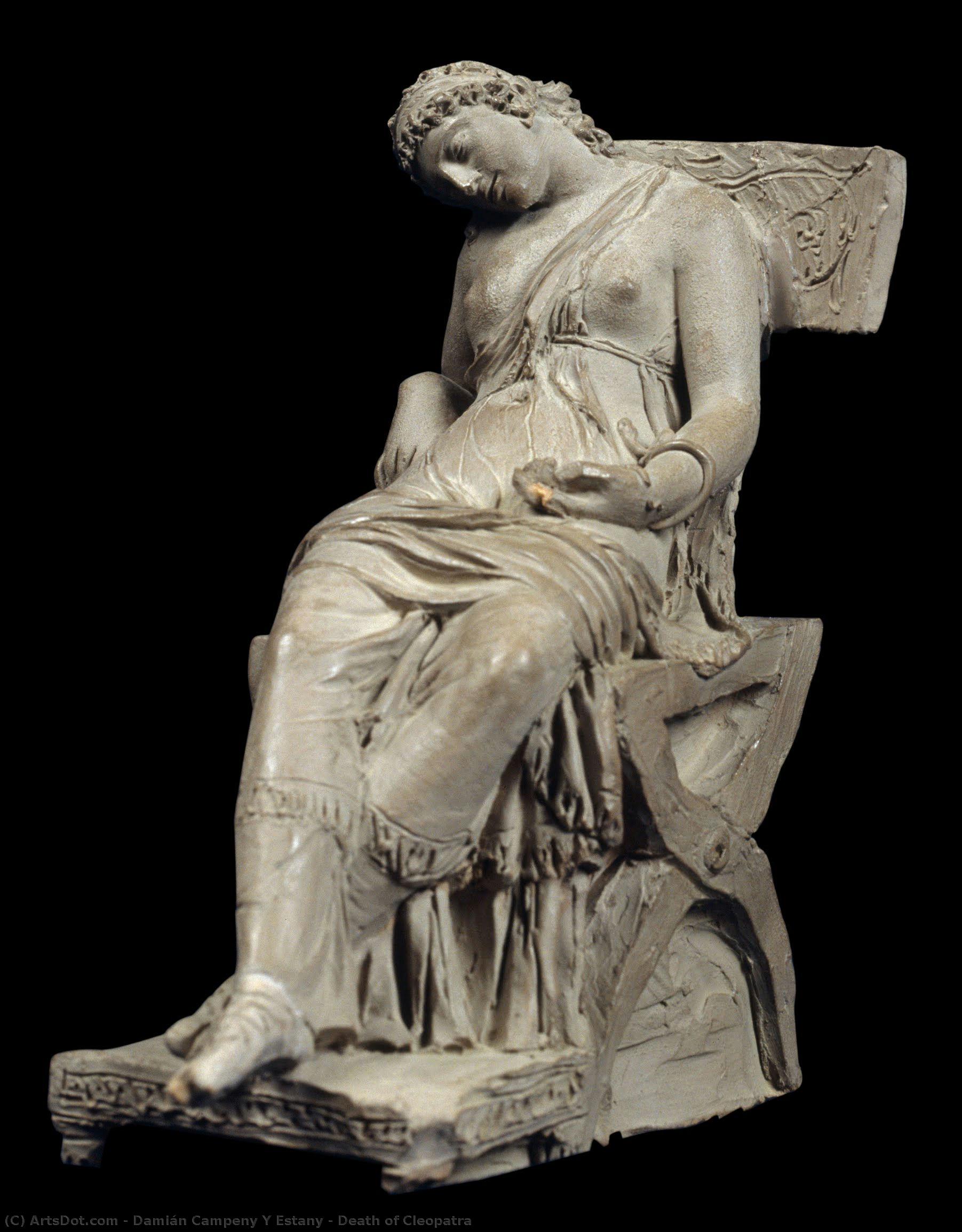
Death of Cleopatra
 Baroque
 1804
1804 195.0 x 195.0 cm
 Музей национального искусства Каталонии (MNAC)
 Читать далее
Приобретите цифровое изображение высокого разрешения в улучшенном качестве, которое значительно превосходит онлайн-превью.
Каждый файл тщательно подготавливается нашими специалистами с использованием передовых инструментов и экспертной ручной ретуши. Мы гарантируем исключительную четкость, точную цветопередачу и детальную проработку каждого изображения.
Финальный файл доставляется по электронной почте в течение 72 часов и оптимизирован для немедленного использования в профессиональной среде, при верстке и печати. Это тот же уровень качества, которому доверяют ведущие дизайнерские студии, издательства и галереи.
Цифровое изображение
Скачайте файл высокого разрешения для личного использования, печати и творческих проектов. ( Перейти к печати Купить картину ручной работы)
Включено в каждый заказ цифровых изображений
Гарантия экспертной цифровой доставки
Выбирая ArtsDot.com, вы получаете не просто изображение — вы приобретаете профессионально обработанное цифровое произведение искусства, созданное с безупречной точностью и под защитой гарантии качества. Вот всё, что автоматически входит в ваш заказ:

Мгновенная доставка по e-mail
Ваш цифровой файл в высоком разрешении будет отправлен вам по электронной почте в течение 72 часов после оформления заказа — и сразу станет доступен для использования.

Цифровой файл с ИИ-улучшением
Ваше произведение искусства проходит профессиональную оптимизацию с использованием передовых инструментов ИИ и ручной обработки, что гарантирует максимальную детализацию, четкость и точность цветопередачи.

Бессрочная бесплатная повторная доставка
Случайно удалили или потеряли файл? Не беспокойтесь — мы отправим его вам повторно в любое время и совершенно бесплатно.

Без импортных пошлин — навсегда
Наслаждайтесь вашим произведением искусства мгновенно без таможенных пошлин, сборов или затрат на доставку — цифровые загрузки всегда не облагаются налогом.

Гарантия точности цветопередачи
Мы гарантируем, что ваше цифровое изображение максимально точно передает оригинальные цвета благодаря использованию профессиональных инструментов и систем управления цветом.

Гарантия удовлетворенности 100 дней
Если вы не будете удовлетворены своим цифровым изображением, мы внесем правки или вернем 100% стоимости в течение 100 дней — без лишних вопросов.

100% Гарантия возврата средств
Не удовлетворены покупкой? Получите полный возврат средств в течение 100 дней после получения цифрового файла — без лишних вопросов.

Скидки на оптовые заказы
Купите 3 изображения, сэкономьте 10% — Купите 5, сэкономьте 15% — Купите 10+, сэкономьте 20%. Отличное решение для творческих проектов, галерей и агентств.
Похожие произведения
Биография художника
Damià Campeny i Estrany: A Master of Catalan Baroque
Damià Campeny i Estrany (1771-1855) stands as a pivotal figure in the artistic landscape of 18th and early 19th century Catalonia, a period marked by both fervent neoclassical ideals and the enduring legacy of the Baroque. Born in Mataró, a coastal town north of Barcelona, Campeny’s life unfolded against a backdrop of political upheaval – the Napoleonic Wars and subsequent restoration – profoundly shaping his artistic trajectory and ultimately establishing him as one of the most significant sculptors of the Catalan Baroque revival. His work represents a fascinating synthesis of Italianate influences, local traditions, and a deeply personal vision, resulting in a body of art that continues to captivate viewers with its dramatic intensity and emotional resonance. Campeny’s early artistic development was heavily influenced by the prevailing trends of the time. He initially studied under his father, also a sculptor, absorbing fundamental techniques and developing a solid grounding in classical forms. However, it was his travels to Italy – particularly Rome – during the 1800s that proved transformative. These experiences exposed him to the masterpieces of Bernini, Caravaggio, and other Baroque giants, igniting within him a passion for dramatic lighting, dynamic composition, and the exploration of human emotion through sculpture. He meticulously studied their techniques, absorbing not just the formal elements but also the spirit of theatricality and narrative that characterized their work. Upon his return to Catalonia, Campeny immediately began applying these lessons, injecting them into the local artistic context.- Key Influences: Italian Baroque sculpture (Bernini, Caravaggio), Neoclassicism
- Technique: Masterful use of marble carving, dramatic lighting effects, dynamic poses
- Subject Matter: Mythological scenes, religious narratives, portraits – often imbued with a sense of drama and pathos
Major Works and Artistic Style
Campeny’s artistic style is immediately recognizable by its dramatic intensity and theatrical flair. He eschewed the cool detachment of Neoclassicism in favor of a more emotionally charged approach, employing bold contrasts of light and shadow to heighten the impact of his figures. His sculptures are rarely static; instead, they seem caught in moments of intense action or profound emotion – a fleeing figure, a moment of despair, a triumphant gesture. This dynamism is achieved through carefully sculpted drapery that flows with an almost palpable energy, further enhancing the sense of movement and drama. Among his most celebrated works are “Death of Cleopatra” (1804), a monumental marble sculpture depicting the queen’s final moments, and "The Rape of Deianira by the Centaur Nessus," both powerfully rendered with meticulous detail and imbued with a palpable sense of horror and tragedy. These pieces, along with his depictions of Diana the Huntress, showcase Campeny's ability to transform classical myths into emotionally resonant narratives. His work frequently draws upon themes of love, loss, betrayal, and redemption, reflecting the turbulent social and political climate of his time. His sculptures for the Palau de la Llotja in Barcelona are particularly noteworthy, demonstrating a masterful understanding of architectural integration and public art.- Notable Works: “Death of Cleopatra,” “The Rape of Deianira by the Centaur Nessus,” Diana the Huntress
- Techniques: Dramatic chiaroscuro (contrast between light and dark), dynamic drapery, expressive poses
Historical Context and Catalan Identity
Campeny’s work is inextricably linked to the broader artistic and cultural context of Catalonia in the early 19th century. Following the Napoleonic Wars, Catalonia experienced a period of political instability and national awakening. Artists like Campeny played a crucial role in shaping a distinctly Catalan identity through their art, drawing inspiration from local traditions while simultaneously engaging with European artistic trends. His sculptures often incorporated elements of Catalan folklore and mythology, subtly reinforcing regional pride and cultural heritage. Furthermore, Campeny’s career coincided with the rise of Romanticism, an artistic movement that emphasized emotion, individualism, and the sublime. His dramatic compositions and emotionally charged figures align perfectly with the core tenets of Romanticism, reflecting a growing interest in exploring the darker aspects of human experience. He wasn't simply replicating Italian models; he was adapting them to his own cultural context, imbuing them with a uniquely Catalan sensibility.Legacy and Significance
Damià Campeny i Estrany’s legacy extends far beyond his immediate artistic achievements. He is considered one of the most important sculptors of the Catalan Baroque revival, profoundly influencing subsequent generations of artists in the region. His work continues to be exhibited and studied today, demonstrating its enduring appeal and artistic merit. His ability to seamlessly blend classical influences with local traditions resulted in a body of art that remains both visually stunning and emotionally resonant – a testament to his skill as a sculptor and his profound understanding of human nature. He stands as a powerful symbol of Catalan artistic identity, embodying the spirit of innovation, passion, and cultural pride.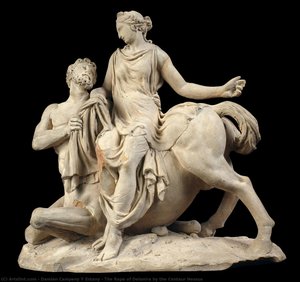
damián campeny y estany
1771 - 1855
Основные сведения
- Artistic Movement Or Style: Neoclassicism
- Artists Or Movements Influenced By This Artist: ['European Baroque art']
- Artists Who Influenced This Artist: ['Italian sculptors']
- Date Of Birth: 1771
- Date Of Death: 1855
- Full Name: Damià Campeny i Estrany
- Nationality: Spanish
- Notable Artworks:
- Death of Cleopatra
- Rape of Deianira
- Diana the Huntress
- Place Of Birth: Mataró, Spain