

 Предпросмотр
 Поделиться
 Поделиться
 Детали произведения

 Скачать
 Похожие работы
 Рентгенография
 Слайд-шоу
 Статистика
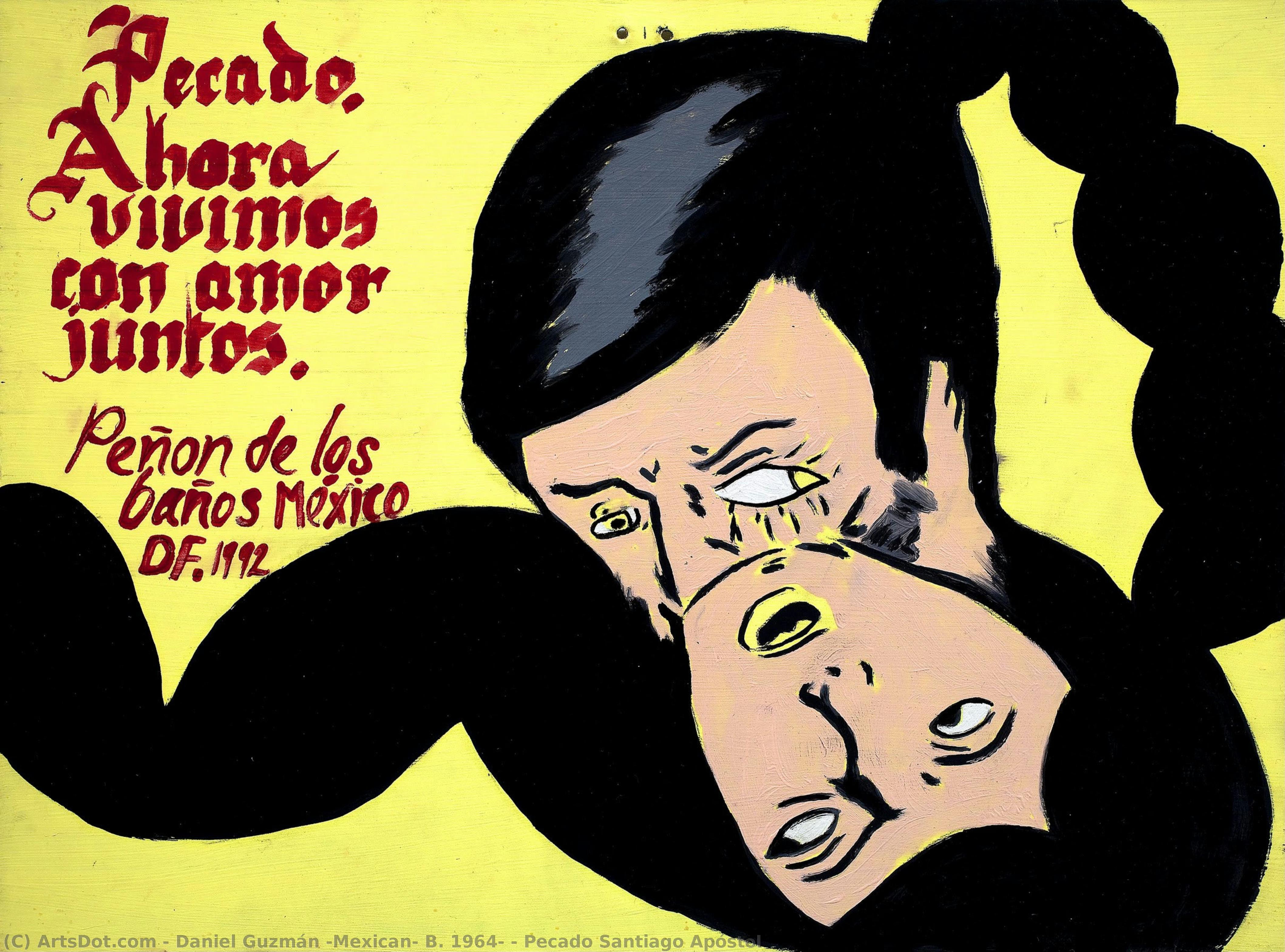
Pecado Santiago Apóstol
 Painting
- Contemporary Art
 2011
2011- Contemporary
 22.0 x 30.0 cm
 USC Fisher Museum of Art
 Читать далее
Приобретите цифровое изображение высокого разрешения в улучшенном качестве, которое значительно превосходит онлайн-превью.
Каждый файл тщательно подготавливается нашими специалистами с использованием передовых инструментов и экспертной ручной ретуши. Мы гарантируем исключительную четкость, точную цветопередачу и детальную проработку каждого изображения.
Финальный файл доставляется по электронной почте в течение 72 часов и оптимизирован для немедленного использования в профессиональной среде, при верстке и печати. Это тот же уровень качества, которому доверяют ведущие дизайнерские студии, издательства и галереи.
Цифровое изображение
Скачайте файл высокого разрешения для личного использования, печати и творческих проектов. ( Перейти к печати Купить картину ручной работы)
Включено в каждый заказ цифровых изображений
Гарантия экспертной цифровой доставки
Выбирая ArtsDot.com, вы получаете не просто изображение — вы приобретаете профессионально обработанное цифровое произведение искусства, созданное с безупречной точностью и под защитой гарантии качества. Вот всё, что автоматически входит в ваш заказ:

Мгновенная доставка по e-mail
Ваш цифровой файл в высоком разрешении будет отправлен вам по электронной почте в течение 72 часов после оформления заказа — и сразу станет доступен для использования.

Цифровой файл с ИИ-улучшением
Ваше произведение искусства проходит профессиональную оптимизацию с использованием передовых инструментов ИИ и ручной обработки, что гарантирует максимальную детализацию, четкость и точность цветопередачи.

Бессрочная бесплатная повторная доставка
Случайно удалили или потеряли файл? Не беспокойтесь — мы отправим его вам повторно в любое время и совершенно бесплатно.

Без импортных пошлин — навсегда
Наслаждайтесь вашим произведением искусства мгновенно без таможенных пошлин, сборов или затрат на доставку — цифровые загрузки всегда не облагаются налогом.

Гарантия точности цветопередачи
Мы гарантируем, что ваше цифровое изображение максимально точно передает оригинальные цвета благодаря использованию профессиональных инструментов и систем управления цветом.

Гарантия удовлетворенности 100 дней
Если вы не будете удовлетворены своим цифровым изображением, мы внесем правки или вернем 100% стоимости в течение 100 дней — без лишних вопросов.

100% Гарантия возврата средств
Не удовлетворены покупкой? Получите полный возврат средств в течение 100 дней после получения цифрового файла — без лишних вопросов.

Скидки на оптовые заказы
Купите 3 изображения, сэкономьте 10% — Купите 5, сэкономьте 15% — Купите 10+, сэкономьте 20%. Отличное решение для творческих проектов, галерей и агентств.
A Visceral Encounter with Emotion
In the evocative painting Pecado Santiago Apóstol, the contemporary Mexican artist Daniel Guzmán invites the viewer into a raw, unfiltered moment of human extremity. At first glance, the eye is immediately arrested by the central figure: a man whose face is contorted in a primal scream. This is not merely a depiction of sound, but a profound manifestation of internal turbulence. The mouth, opened wide in an expression of intense emotion—be it agony, ecstasy, or existential dread—serves as the focal point of the composition, pulling the observer into a direct, almost uncomfortable, confrontation with the subject's psyche.
The painting’s atmosphere is thick with tension, achieved through a striking and deliberate color palette. By utilizing a stark black and yellow color scheme, Guzmán strips away the distractions of a naturalistic world, leaving only the essential elements of light and shadow. This high-contrast approach lends the work a graphic intensity reminiscent of expressionist masters, where the darkness feels heavy and suffocating, while the yellow highlights act as flashes of sudden, jarring energy. The presence of two shadowy figures in the background adds a layer of narrative mystery, suggesting a communal experience of suffering or perhaps a silent witness to this singular outburst of passion.
Technique and Symbolic Depth
Guzmán’s technique in Pecado Santiago Apóstol demonstrates a masterful command over modern expressionism. The brushwork appears purposeful and urgent, mirroring the frantic energy of the subject's cry. There is a palpable sense of movement within the stillness of the canvas; the way the light catches the edges of the face suggests a flickering, unstable environment. This stylistic choice reinforces the theme of instability and the fleeting nature of intense emotional states.
Symbolically, the title itself—referencing "Sin" and "Saint James the Apostle"—suggests a complex interplay between the sacred and the profane. The scream can be interpreted as a spiritual crisis or a moment of profound religious fervor, where the boundaries between divine connection and human suffering become blurred. For collectors and interior designers, this piece offers more than just visual impact; it provides a profound intellectual anchor for a space. It is a work that demands attention, making it an ideal centerpiece for a gallery-style room or a sophisticated study where conversation and contemplation are encouraged.
An Essential Addition to the Modern Collection
For those seeking to curate a collection defined by depth and emotional resonance, this reproduction of Guzmán's 2011 masterpiece offers an unparalleled opportunity. The painting transcends simple decoration, acting as a window into the complexities of identity and social justice—themes that are central to Guzmán’s broader body of work. Its ability to evoke a visceral reaction makes it a powerful tool for interior designers looking to inject drama and soul into contemporary living spaces.
Owning a piece that captures such a raw fragment of the human condition allows for a continuous dialogue between the artwork and the viewer. Whether placed in a minimalist setting to provide a bold contrast or within a richly textured environment to complement its dark tones, Pecado Santiago Apóstol remains an enduring testament to the power of art to articulate the unspeakable.
Похожие произведения


Биография художника
Randall Vernon Davey: A Pioneer of American Landscape Painting (1887-1964)
Randall Vernon Davey, born in East Orange, New Jersey in 1887, emerged from a modest upbringing to become a significant figure in early 20th-century American art. His journey was one of artistic discovery, fueled by a restless spirit and a deep connection to the landscapes of the United States – particularly the Southwest. Davey’s career spanned several decades, marked by a dedication to capturing the essence of the natural world through meticulous observation and a distinctive painterly style. Initially hesitant about pursuing art professionally, his encounter with Robert Henri at Cornell University proved pivotal, igniting a passion that would ultimately define his life's work.
Davey’s artistic education began formally under Henri, who instilled in him an appreciation for direct observation and the importance of portraying the world as it truly is. Following Henri’s departure to establish his own school, Davey continued his studies with Charles W. Hawthorne at the Taos Society of Artists, absorbing influences from both instructors. This period laid the groundwork for his later development, shaping his understanding of color, composition, and the expressive potential of landscape painting. His early works reflected a burgeoning interest in capturing the dynamic qualities of light and shadow, as well as the rugged beauty of the American West.
The 1910s marked a period of significant artistic growth for Davey. He gained recognition within the New York art scene, exhibiting alongside prominent figures like George Bellows and Stuart Davis. The Armory Show in 1913 provided him with invaluable exposure, solidifying his place among the emerging modernists. Following this pivotal event, Davey embarked on a series of expeditions west, traveling to Santa Fe, Arizona, and other Southwestern locales – experiences that profoundly influenced his artistic vision. These journeys instilled in him a deep respect for the unique geological formations, vibrant colors, and dramatic light of the region.
Davey’s artistic output encompassed a diverse range of subjects, including still lifes, horse-racing scenes (a reflection of his personal interests), nudes, and expansive landscapes. He was particularly drawn to the Southwest, where he created numerous paintings depicting mesas, canyons, and desert vistas. His technique involved layering thin washes of color to build up atmospheric effects and capture the subtle nuances of light. His brushwork was characterized by a loose, expressive quality that conveyed both the grandeur and fragility of the natural world. He often depicted horses in motion, capturing their power and grace with remarkable skill.
Despite facing periods of artistic stagnation following World War I, Davey persevered, establishing himself as a respected teacher at various institutions across the United States – including the Broadmoor Art Academy, Chicago Institute of Art, Kansas City Art Institute, and the University of New Mexico. His dedication to art education extended beyond the classroom; he was an avid polo player, a passion reflected in many of his paintings. Tragically, Davey’s life was cut short in 1964 when he died in a car accident while traveling to California. Despite this untimely demise, his legacy as a pioneering landscape painter and influential teacher endures, reminding us of the enduring power of art to capture the beauty and spirit of the American West.
Key Characteristics & Artistic Style
- Regionalism:** Davey’s work is firmly rooted in the landscapes of the American Southwest, reflecting a deep appreciation for its unique geological features and light conditions.
- Color Palette:* He favored a vibrant color palette, utilizing layered washes to create atmospheric effects and capture the intensity of Southwestern sunsets and desert vistas.
- Brushwork:** His brushwork was characterized by a loose, expressive quality, conveying both the grandeur and fragility of the natural world.
- Subject Matter:* Davey’s subjects ranged from expansive landscapes to intimate still lifes and dynamic depictions of horse-racing and polo scenes.
Major Works & Recognition
- Numerous paintings depicting Southwestern landscapes, including mesas, canyons, and desert vistas.
- A series of works capturing the dynamism of horses in motion, showcasing their power and grace.
- Recognition as a member of the Taos Society of Artists and the National Academy of Design.
Historical Significance
Randall Vernon Davey’s work represents an important chapter in the development of American landscape painting. His commitment to direct observation, coupled with his distinctive style, helped to establish a new visual language for depicting the American West. He played a role in fostering appreciation for the region's natural beauty and contributed significantly to the burgeoning art scene of the early 20th century.
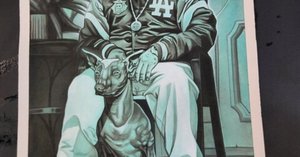
daniel guzmán (mexican, b. 1964)
1964 - , Mexico
Основные сведения
- Artistic Movement Or Style: Still life, landscapes
- Artists Or Movements Influenced By This Artist:
- Ashcan School
- Taos Society
- Artists Who Influenced This Artist:
- Robert Henri
- Charles W. Hawthorne
- Date Of Birth: 1887-03-26
- Date Of Death: 1964-05-18
- Full Name: Randall Vernon Davey
- Nationality: American
- Notable Artworks:
- Horse-racing scenes
- Polo scenes
- Nudes
- Place Of Birth: East Orange, New Jersey