

 Предпросмотр
 Поделиться
 Поделиться
 Детали произведения

 Скачать
 Похожие работы
 Рентгенография
 Слайд-шоу
 Статистика
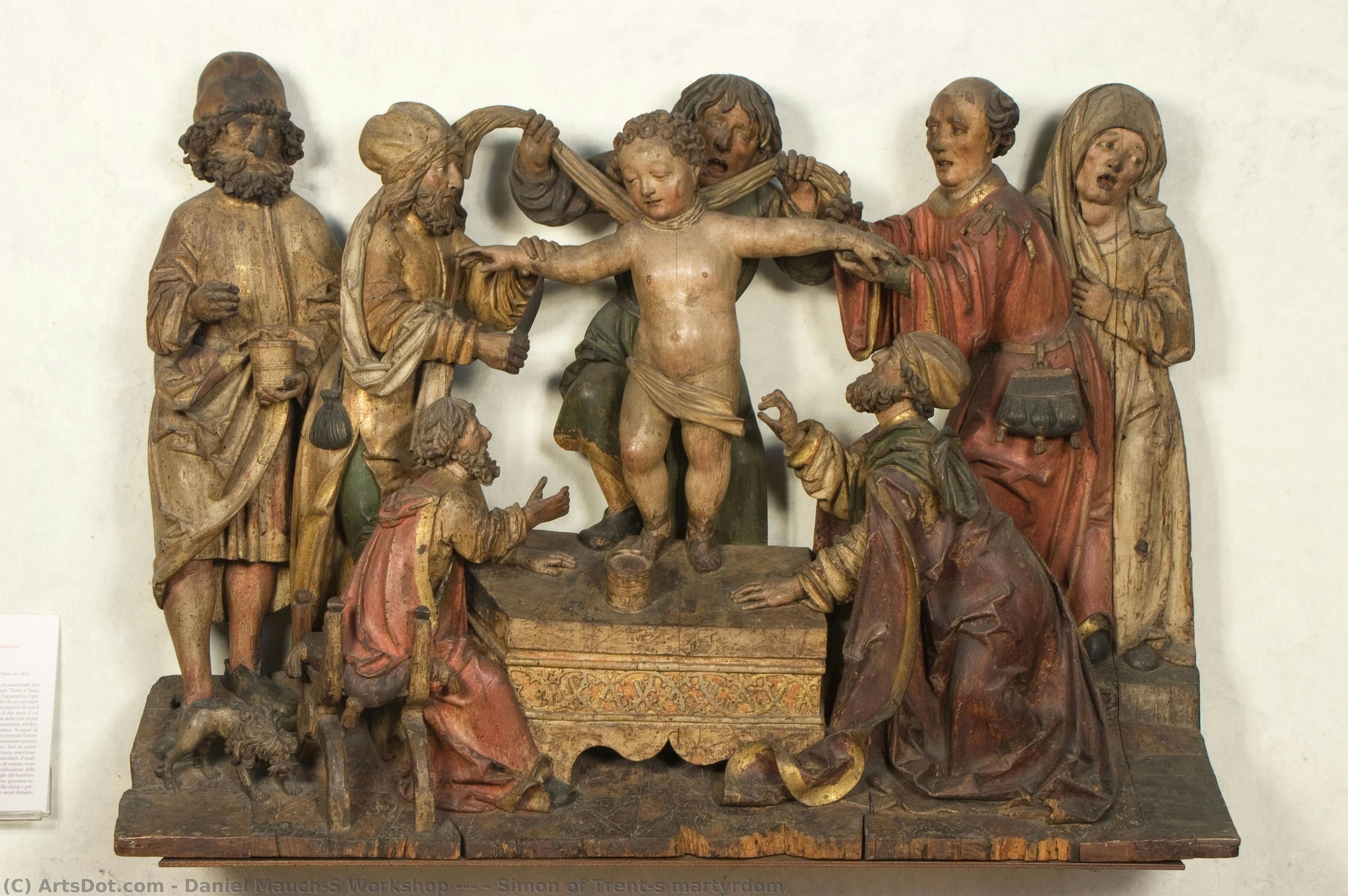
Simon of Trent’s martyrdom


 Читать далее
Приобретите цифровое изображение высокого разрешения в улучшенном качестве, которое значительно превосходит онлайн-превью.
Каждый файл тщательно подготавливается нашими специалистами с использованием передовых инструментов и экспертной ручной ретуши. Мы гарантируем исключительную четкость, точную цветопередачу и детальную проработку каждого изображения.
Финальный файл доставляется по электронной почте в течение 72 часов и оптимизирован для немедленного использования в профессиональной среде, при верстке и печати. Это тот же уровень качества, которому доверяют ведущие дизайнерские студии, издательства и галереи.
Цифровое изображение
Скачайте файл высокого разрешения для личного использования, печати и творческих проектов. ( Перейти к печати Купить картину ручной работы)
Включено в каждый заказ цифровых изображений
Гарантия экспертной цифровой доставки
Выбирая ArtsDot.com, вы получаете не просто изображение — вы приобретаете профессионально обработанное цифровое произведение искусства, созданное с безупречной точностью и под защитой гарантии качества. Вот всё, что автоматически входит в ваш заказ:

Мгновенная доставка по e-mail
Ваш цифровой файл в высоком разрешении будет отправлен вам по электронной почте в течение 72 часов после оформления заказа — и сразу станет доступен для использования.

Цифровой файл с ИИ-улучшением
Ваше произведение искусства проходит профессиональную оптимизацию с использованием передовых инструментов ИИ и ручной обработки, что гарантирует максимальную детализацию, четкость и точность цветопередачи.

Бессрочная бесплатная повторная доставка
Случайно удалили или потеряли файл? Не беспокойтесь — мы отправим его вам повторно в любое время и совершенно бесплатно.

Без импортных пошлин — навсегда
Наслаждайтесь вашим произведением искусства мгновенно без таможенных пошлин, сборов или затрат на доставку — цифровые загрузки всегда не облагаются налогом.

Гарантия точности цветопередачи
Мы гарантируем, что ваше цифровое изображение максимально точно передает оригинальные цвета благодаря использованию профессиональных инструментов и систем управления цветом.

Гарантия удовлетворенности 100 дней
Если вы не будете удовлетворены своим цифровым изображением, мы внесем правки или вернем 100% стоимости в течение 100 дней — без лишних вопросов.

100% Гарантия возврата средств
Не удовлетворены покупкой? Получите полный возврат средств в течение 100 дней после получения цифрового файла — без лишних вопросов.

Скидки на оптовые заказы
Купите 3 изображения, сэкономьте 10% — Купите 5, сэкономьте 15% — Купите 10+, сэкономьте 20%. Отличное решение для творческих проектов, галерей и агентств.
A Gripping Tale of Devotion and Drama
In the hauntingly intricate masterpiece Simon of Trent’s martyrdom, attributed to the workshop of the German sculptor Daniel Mauch, viewers are transported back to a period of profound religious fervor and historical tension. Created around 1510, this work serves as a visceral window into the late Gothic tradition, where art was not merely meant for observation but for deep, emotional engagement with the divine and the tragic. The painting captures a moment of intense narrative weight, depicting the legendary and controversial martyrdom of a young boy in 1475. Through its masterful composition, the piece invites collectors and art enthusiasts to contemplate the intersection of historical myth, religious iconography, and the raw power of human emotion.
The scene is organized with a deliberate, theatrical intensity that guides the eye through a landscape of suffering and devotion. At the heart of the composition lies the figure of 'Simonino,' rendered with a vulnerability that is both heartbreaking and profoundly moving. As he is depicted in a classical crucifix pose, his body becomes a vessel for the viewer's empathy. The surrounding figures—the torturers, the accusers, and the witnesses—are captured in mid-action, their facial expressions and dynamic body language creating a sense of breathless movement. This level of detail ensures that every gaze and every gesture contributes to the overarching drama, making it an ideal centerpiece for those looking to add a conversation-starting element of historical depth to a curated collection.
Symbolism and the Mastery of Late Gothic Detail
Beyond its surface-level tragedy, the artwork is rich with the symbolic language characteristic of the Ulm School. Every element within the frame has been meticulously placed to reinforce the narrative's gravity. The presence of figures like Brunetta, an individual assigned a central role in the historical allegory, adds layers of complexity to the storytelling. Even the smallest details, such as the small dog tucked into the corner, serve as potent symbols of the era's social and religious prejudices, reflecting the complex—and often dark—cultural psyche of the early 16th century. For the discerning interior designer, these symbolic nuances offer a profound way to layer meaning within a space, providing a piece that rewards long-term contemplation.
The technique employed in this work reflects the transition from the ornate flourishes of the Gothic era to the burgeoning naturalism of the Renaissance. The workshop of Daniel Mauch demonstrates an extraordinary ability to render textures—from the heavy folds of period clothing to the agonizing tension in a tightening strap—with a precision that feels almost tactile. This mastery of light and shadow, combined with a palette that emphasizes the gravity of the subject matter, creates a sense of three-dimensional presence. Owning a high-quality reproduction of such a piece allows one to bring this historical weight and artistic sophistication into a modern setting, offering an unparalleled opportunity to celebrate the enduring legacy of German sculptural and painterly traditions.
Похожие произведения
Биография художника
Daniel Mauch: A Late Gothic Sculptor Bridging Traditions
Born in Ulm, Germany, around 1477 and tragically dying in Liège in 1540, Daniel Mauch stands as a pivotal figure in the transition between late Gothic and early Renaissance art. He wasn’t merely an artist of his time; he was a conduit, skillfully blending the rich ornamentation and emotional intensity of the Gothic style with the burgeoning naturalism and classical ideals emerging from Italy. While often categorized within the Ulm School—a collective known for its innovative sculptural techniques—Mauch possessed a distinct voice, marked by meticulous detail, profound religious devotion, and an undeniable mastery of wood and stone.
Mauch’s early career was firmly rooted in the traditions of Ulm. His 1510 masterpiece, the Bieselbach Altarpiece, immediately established him as a talent to watch. This work, now sadly lost but meticulously documented, demonstrated his ability to create complex narratives within a single sculpture, showcasing a remarkable understanding of perspective and drapery—elements that would become increasingly important in the Renaissance. The altarpiece’s influence is palpable; it reflects the stylistic concerns of the Ulm School while hinting at the emerging humanist values that were beginning to shape artistic thought across Europe.
A Synthesis of Styles: Wood, Stone, and Religious Themes
Mauch's artistic practice was fundamentally defined by his chosen materials. He primarily worked with wood—often boxwood for intricate figures—and stone, skillfully manipulating these mediums to achieve a remarkable level of realism and expressiveness. His sculptures frequently depicted religious subjects, most notably the Madonna and Child, but also scenes from biblical narratives and depictions of saints. These works are characterized by an almost overwhelming attention to detail; every fold of drapery, every expression on a face, is rendered with painstaking precision.
The influence of the late Gothic period is readily apparent in his ornamentation—intricate carvings, elaborate detailing, and a tendency towards stylized forms. However, Mauch’s work also demonstrates an awareness of Renaissance principles, particularly in his attempts to create a sense of volume and space within his sculptures. This delicate balance between tradition and innovation is what truly sets him apart.
Notable Works and Artistic Legacy
Several of Mauch's works offer compelling insights into his artistic development and the breadth of his talent. “Adam” (c. 1535), currently housed at the Cleveland Museum of Art, exemplifies his skill in working with boxwood, capturing a sense of youthful strength and vulnerability within a remarkably small scale. The sculpture’s serene expression and idealized features are indicative of the Renaissance influence that was gradually permeating German art.
The “Birth of Christ,” though not physically extant, is frequently cited as an example of Mauch's impact on other artists. While attributed to Hans Baldung, it clearly reflects Mauch’s stylistic sensibilities—a dramatic composition, a focus on emotional intensity, and a masterful use of color and light. His "Madonna and Child" sculptures are also testaments to his technical prowess and ability to convey profound religious emotion through the human form.
Influence and Connections
Daniel Mauch’s artistic legacy extends beyond his individual creations. He exerted a significant influence on subsequent generations of German sculptors, notably Hans Multscher and Lucas Cranach the Younger. His meticulous approach to detail and his willingness to experiment with new techniques helped to shape the development of sculpture in the region. Furthermore, his work demonstrates a clear connection to the broader artistic currents of Europe during this period—the rise of humanism, the rediscovery of classical art, and the increasing emphasis on realism.
For those seeking deeper insights into Mauch’s life and works, resources such as Google Arts & Culture (Adam - Daniel Mauch (German, 1477-1540)), Art UK (Mauch, Daniel, 1477–1540), and ArtsDot’s collection offer valuable information and visual resources.
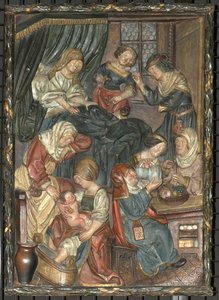
daniel mauch’s workshop (?)
1477 - 1540 , Germany
Основные сведения
- Artistic Movement Or Style: Late Gothic/Renaissance
- Artists Or Movements Influenced By This Artist: ['Hans Multscher']
- Artists Who Influenced This Artist:
- Hans Baldung
- Lucas Cranach Jr.
- Date Of Birth: 1477 Ulm, Germany
- Date Of Death: 1540 Liège
- Full Name: Daniel Mauch
- Nationality: German
- Notable Artworks:
- Adam (c. 1535)
- Birth of Christ
- Madonna and Child
- Place Of Birth: Ulm, Germany