

 Предпросмотр
 Поделиться
 Поделиться
 Детали произведения

 Скачать
 Похожие работы
 Рентгенография
 Слайд-шоу
 Статистика
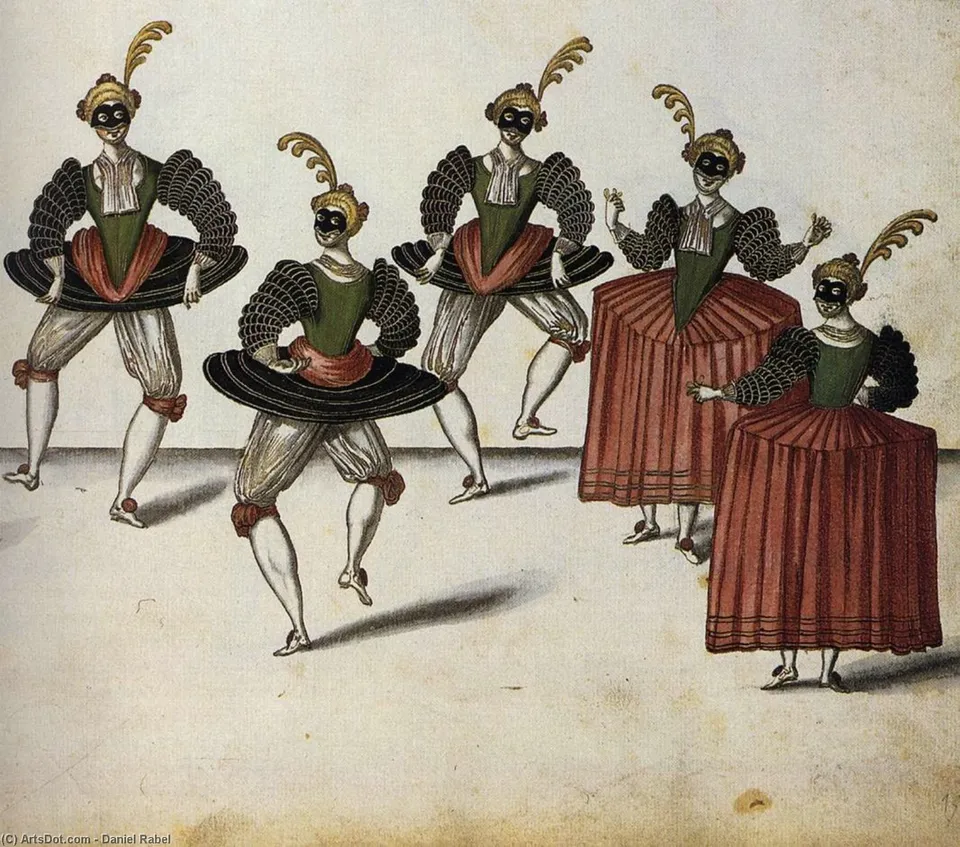
The Royal Ballet of the Dowager of Bilbao's Grand Ball
 Acrylic On Canvas
- WallArt
- Baroque Still Life
 1626
1626 287.0 x 440.0 cm
 Лувр
Лувр
 Читать далее
Приобретите цифровое изображение высокого разрешения в улучшенном качестве, которое значительно превосходит онлайн-превью.
Каждый файл тщательно подготавливается нашими специалистами с использованием передовых инструментов и экспертной ручной ретуши. Мы гарантируем исключительную четкость, точную цветопередачу и детальную проработку каждого изображения.
Финальный файл доставляется по электронной почте в течение 72 часов и оптимизирован для немедленного использования в профессиональной среде, при верстке и печати. Это тот же уровень качества, которому доверяют ведущие дизайнерские студии, издательства и галереи.
Цифровое изображение
Скачайте файл высокого разрешения для личного использования, печати и творческих проектов. ( Перейти к печати Купить картину ручной работы)
Включено в каждый заказ цифровых изображений
Гарантия экспертной цифровой доставки
Выбирая ArtsDot.com, вы получаете не просто изображение — вы приобретаете профессионально обработанное цифровое произведение искусства, созданное с безупречной точностью и под защитой гарантии качества. Вот всё, что автоматически входит в ваш заказ:

Мгновенная доставка по e-mail
Ваш цифровой файл в высоком разрешении будет отправлен вам по электронной почте в течение 72 часов после оформления заказа — и сразу станет доступен для использования.

Цифровой файл с ИИ-улучшением
Ваше произведение искусства проходит профессиональную оптимизацию с использованием передовых инструментов ИИ и ручной обработки, что гарантирует максимальную детализацию, четкость и точность цветопередачи.

Бессрочная бесплатная повторная доставка
Случайно удалили или потеряли файл? Не беспокойтесь — мы отправим его вам повторно в любое время и совершенно бесплатно.

Без импортных пошлин — навсегда
Наслаждайтесь вашим произведением искусства мгновенно без таможенных пошлин, сборов или затрат на доставку — цифровые загрузки всегда не облагаются налогом.

Гарантия точности цветопередачи
Мы гарантируем, что ваше цифровое изображение максимально точно передает оригинальные цвета благодаря использованию профессиональных инструментов и систем управления цветом.

Гарантия удовлетворенности 100 дней
Если вы не будете удовлетворены своим цифровым изображением, мы внесем правки или вернем 100% стоимости в течение 100 дней — без лишних вопросов.

100% Гарантия возврата средств
Не удовлетворены покупкой? Получите полный возврат средств в течение 100 дней после получения цифрового файла — без лишних вопросов.

Скидки на оптовые заказы
Купите 3 изображения, сэкономьте 10% — Купите 5, сэкономьте 15% — Купите 10+, сэкономьте 20%. Отличное решение для творческих проектов, галерей и агентств.
Daniel Rabel’s “The Royal Ballet of the Dowager of Bilbao’s Grand Ball”: A Symphony in Still Life
Daniel Rabel (b. 1578, Paris; d. 1637), a name largely absent from mainstream art history books, nevertheless possessed an extraordinary talent that blossomed within the confines of Milanese artistic circles—a testament to perseverance and dedication amidst turbulent times.
A Pioneer of Luminosity: Artistic Style and Technique
Rabel’s distinctive style can be characterized as a masterful blend of Venetian influence and Northern Mannerism. Like his contemporaries Titian and Veronese, he embraced the principles of chiaroscuro—the dramatic interplay between light and shadow—to imbue his canvases with palpable atmosphere and emotional depth. However, unlike the opulent grandeur favored by Venetian painters, Rabel’s compositions often prioritized restraint and subtlety, favoring carefully considered arrangements of objects rather than sprawling landscapes or theatrical figures.
- He skillfully employed glazing techniques to achieve luminous surfaces that captured the nuances of color and texture—a hallmark of Northern Mannerism.
- Detailed observation and meticulous rendering were paramount; Rabel painstakingly recreated every detail, from the folds of fabric to the gleam of polished metal, demonstrating an unparalleled level of technical precision.
Milanese Context: Patronage and Artistic Innovation
Rabel’s artistic career unfolded against the backdrop of Milanese Renaissance culture—a period marked by papal patronage and a fervent embrace of humanist ideals. The Visconti dukedom, under Ludovico Sforza II, fostered an environment conducive to experimentation and innovation, attracting artists from across Europe.
“The Royal Ballet of the Dowager of Bilbao’s Grand Ball,” painted in 1626, exemplifies this spirit of artistic inquiry. It showcases a meticulously crafted tableau depicting a ballet performance—a genre gaining popularity during Rabel's time—within a richly ornamented ballroom.Symbolism and Emotional Resonance
Beyond mere visual representation, the painting speaks to broader themes of elegance, refinement, and aristocratic aspiration. The clock on the wall serves as a subtle reminder of passing time—a motif frequently explored by Mannerist artists—underscoring the fleeting beauty of earthly existence.
- The positioning of the dancers—each strategically placed to maximize visual impact—suggests an awareness of compositional principles rooted in classical geometry.
- The muted palette—dominated by earthy tones and accented with splashes of crimson—contributes to a mood of dignified solemnity, inviting contemplation on themes of grace and tradition.
“The Royal Ballet of the Dowager of Bilbao’s Grand Ball” remains an enduring symbol of Rabel's artistic vision—a testament to his ability to transform ordinary objects into vehicles for profound emotional expression. Its luminous surfaces, meticulous detail, and evocative symbolism continue to captivate viewers today.
Похожие произведения

Биография художника
Fede Galizia: A Pioneer of Still Life in Early Modern Europe
Fede Galizia, born around 1578 and tragically passing away circa 1630, remains a captivating enigma within the history of early modern art. While overshadowed by some of her contemporaries, this Italian painter carved out a unique and significant niche for herself – primarily through her groundbreaking explorations of still life painting. Her story is one of quiet determination, artistic skill honed in relative obscurity, and a profound sensitivity to the beauty of everyday objects. Born into a family deeply rooted in the art world—her father, Nunzio Galizia, was himself a miniature painter—Fede’s early education likely involved absorbing techniques and an appreciation for detail from her father's studio. The turbulent political climate of Milan, where she spent much of her formative years, fostered a spirit of resilience and independence that would shape her artistic journey.Early Life and Artistic Training
Details surrounding Fede’s early life are surprisingly sparse, contributing to the enduring mystery surrounding her career. However, contemporary accounts, notably those of Gian Paolo Lomazzo, a prominent art critic and theorist, suggest she began painting at a remarkably young age – around twelve years old. Lomazzo described her as “devoting herself to the imitation of our most excellent artists,” indicating an immediate aptitude for observation and representation. This early training likely included exposure to Mannerist principles, prevalent in Milan during that period, which emphasized dramatic compositions, elongated figures, and a sense of artificiality – elements that would subtly influence her later work. It’s speculated that she may have also benefited from the example set by Sofonisba Anguissola, another female artist who challenged societal expectations and achieved considerable success in portraiture during the same era. Fede's family connections provided a foundation for artistic development, but crucially, she lacked access to the patronage networks enjoyed by many of her male counterparts, limiting her exposure to the most prestigious circles of the art world.A Revolutionary Approach to Still Life
Fede Galizia’s true legacy lies in her pioneering work within the genre of still life painting. Unlike earlier depictions of inanimate objects, which often served as symbolic representations of moral virtues or religious concepts, Galizia treated her subjects with a remarkable degree of naturalism and intimacy. She eschewed the theatricality and allegorical weight favored by some of her contemporaries, instead focusing on capturing the subtle beauty and inherent qualities of individual fruits, flowers, and other everyday items. Her compositions were typically set against dark backgrounds, emphasizing the textures, colors, and forms of the objects themselves. This technique, combined with her meticulous attention to detail—the delicate veins in a leaf, the glistening surface of a peach, the intricate patterns on a textile—created images that felt remarkably immediate and engaging. Her work anticipated later developments in still life painting by artists like Cézanne and Morandi, demonstrating an intuitive understanding of form, light, and shadow.Notable Works and Influences
Among Galizia’s surviving works are several striking depictions of Judith and Holofernes, a popular biblical narrative that resonated strongly with audiences during the 16th century. These paintings, characterized by their dramatic intensity and psychological depth, showcase her ability to imbue seemingly mundane subjects with profound emotional resonance. Her miniature portraits, likely commissioned for wealthy patrons, demonstrate her skill in capturing likenesses with remarkable precision and subtlety. While few of her works survive today—most are now held in private collections—they offer a compelling glimpse into the artistic sensibilities of a woman who defied convention and left an indelible mark on the history of still life painting. The influence of Adam Elsheimer, another German painter working in Italy during the same period, is also evident in Galizia’s approach to landscape and composition, suggesting a shared interest in capturing the fleeting effects of light and atmosphere.Legacy and Historical Significance
Despite her relatively obscure status, Fede Galizia's contribution to art history is increasingly recognized. Her work represents a pivotal moment in the development of still life painting, demonstrating an early embrace of naturalism and a profound appreciation for the beauty of ordinary objects. She challenged traditional artistic conventions by prioritizing observation and detail over symbolic representation, paving the way for future generations of artists who would explore the potential of this genre. Fede Galizia’s story serves as a powerful reminder that artistic innovation can emerge from unexpected sources—and that even in the face of limited opportunities, a dedicated artist can achieve remarkable success. Her legacy continues to inspire and intrigue art historians today, solidifying her place as a significant, if often overlooked, figure in the history of European painting.
daniel rabel
1578 - 1637 , France
Основные сведения
- Artistic Movement Or Style: Mannerism, Still Life
- Artists Or Movements Influenced By This Artist:
- Angelica Kauffman
- Élisabeth Vigée Le Brun
- Artists Who Influenced This Artist: ['Nunzio Galizia']
- Date Of Birth: c. 1578
- Date Of Death: c. 1630
- Full Name: Fede Galizia
- Nationality: Italian
- Notable Artworks:
- Judith with the Head of Holofernes
- Portrait of Paolo Morigia
- Place Of Birth: Milan, Italy