

 Предпросмотр
 Поделиться
 Поделиться
 Детали произведения

 Скачать
 Похожие работы
 Рентгенография
 Слайд-шоу
 Статистика
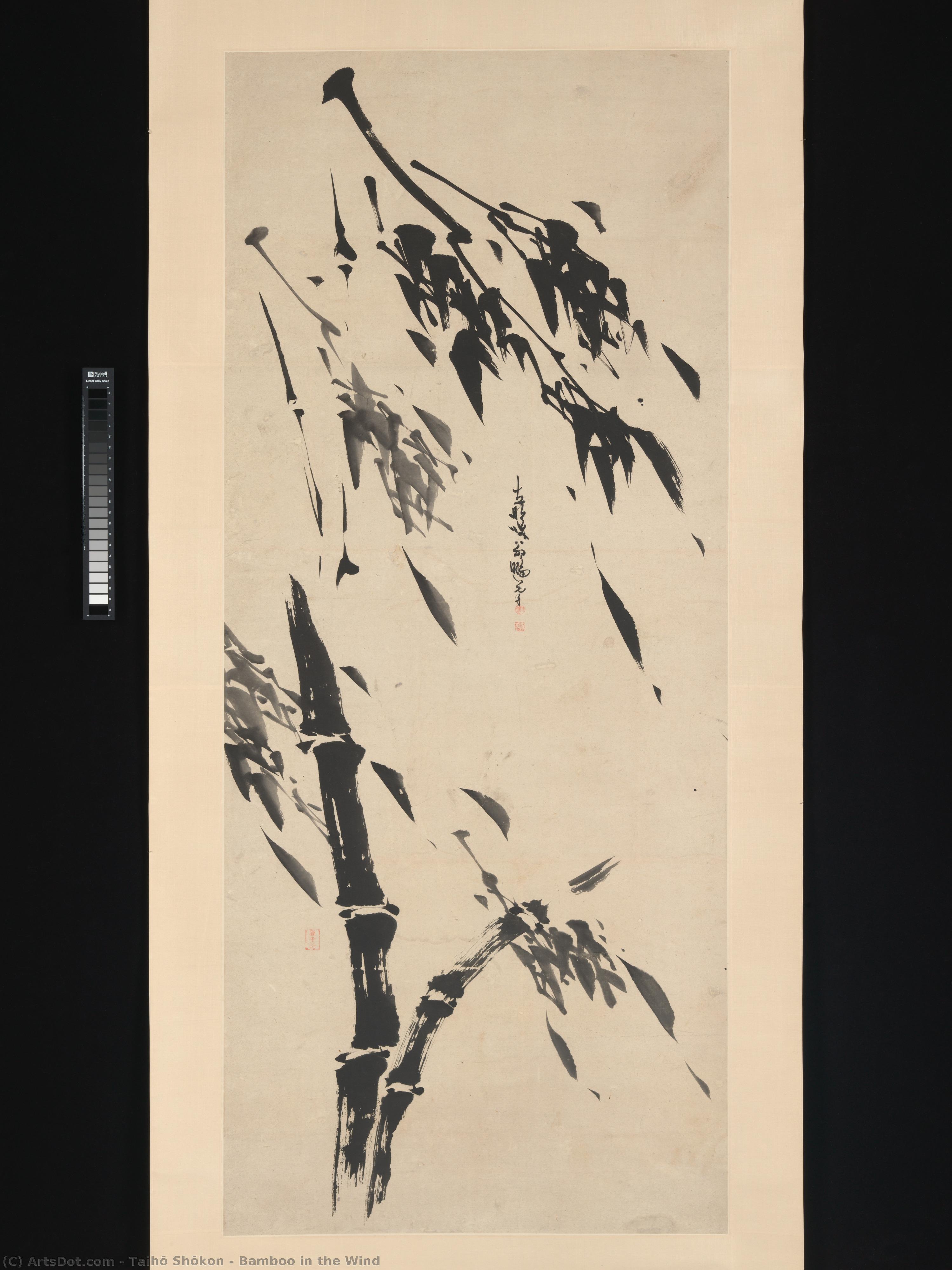
Bamboo in the Wind
 120.0 x 53.0 cm
 Читать далее
Жикле / Арт-принт
Печать (жикле) или холст музейного качества с быстрыми сроками изготовления и широким выбором вариантов отделки. ( Купить картину ручной работы Перейти к цифровым изображениям)




































Выберите один из наших стандартных размеров, соответствующих оригинальным пропорциям произведения искусства.

Вы можете указать свои собственные размеры, чтобы репродукция идеально подошла под конкретную раму или пространство. Если выбранный вами размер не будет соответствовать пропорциям оригинала, мы либо обрежем произведение, либо дополним изображение зеркальным отражением краев или однотонной заливкой. Перед началом производства вам будет отправлен цифровой макет для утверждения.
Пожалуйста, обратите внимание, что предварительный просмотр на экране не отображает фактическую обрезку или расширение изображения. Только макет точно покажет финальную композицию.
Несмотря на возможность заказа индивидуальных размеров, мы рекомендуем выбирать размер из предопределенного списка, чтобы сохранить оригинальные пропорции.
Доставка по всему миру () за 2 недели вместо стандартных 4/5 недель. (11 Сентябрь)

Бесплатная экспресс-доставка по всему миру

Высококачественный льняной холст

Полное страхование доставки

Гарантия возмещения таможенных пошлин

Гарантия точного соответствия цветов

100-дневная политика возврата (только при обнаружении дефектов)

Гарантия возврата 100% средств

Предложение оптовых скидок
 Вариант со стеклом доступен только для размеров менее 110 см

Bamboo in the Wind
Жикле / Арт-принт
Размер репродукции
-


Итоговая стоимость
$ 62
Похожие произведения









Биография художника
The Harmonious Brush: The Life and Art of Taihō Shōkon
Taihō Shōkon, born Zheng Kun in Osaka, Japan, in 1691, was more than simply a calligrapher and painter; he embodied a fascinating confluence of martial spirit, Zen philosophy, and artistic dedication. His life unfolded during the Edo period, a time of relative peace that allowed for flourishing cultural pursuits, yet also one steeped in rigid social structures and a warrior ethos that profoundly shaped his aesthetic. Shōkon’s journey began not within the traditional confines of an art academy, but amidst the disciplined practice of Hokushin Ittō-ryū, a school of martial arts emphasizing swift, decisive action and unwavering focus. This early training would become inextricably linked to his artistic expression, imbuing his work with a dynamic energy and a sense of controlled power rarely seen in Japanese painting of the era.From Warrior’s Path to Zen Aesthetics
The pivotal moment in Shōkon's artistic development came through his association with Yinyuan Longqi (Ingen Ryuki), a Chinese monk who founded the ōbaku Zen school in Japan. Ryuki, a charismatic and influential figure, introduced Shōkon to the profound principles of Zen Buddhism – concepts like *mu* (nothingness), spontaneity, and the importance of direct experience. This encounter fundamentally altered Shōkon’s worldview and artistic direction. He abandoned the pursuit of mere technical skill in favor of capturing the essence of nature through intuitive brushstrokes and a meditative approach. He wasn't simply depicting bamboo; he was striving to embody its spirit – its resilience, flexibility, and inherent strength. This shift is evident in his calligraphy as well, where each character isn’t just a symbol but a manifestation of inner energy and enlightenment. The influence of Chinese ink painting traditions, brought through the ōbaku Zen school, became increasingly prominent, though Shōkon never fully relinquished his distinctly Japanese sensibility.Bamboo as Metaphor: A Unique Artistic Voice
Shōkon’s most celebrated works are undoubtedly his bamboo paintings. He didn't merely paint *of* bamboo; he painted *as* bamboo – conveying its very life force through the fluidity of his brushwork and the subtle gradations of ink. His technique was characterized by bold, sweeping strokes that captured the plant’s upward reach and delicate leaves that seemed to tremble in the breeze. He often employed a dry brush style (*karazuri*) creating textured surfaces that evoked the rough bark and weathered appearance of mature stalks. Beyond technical mastery, Shōkon imbued his bamboo with symbolic meaning deeply rooted in Zen philosophy. Bamboo represents integrity, perseverance, and humility – qualities highly valued within both the martial arts tradition he came from and the Zen Buddhism he embraced. His paintings weren’t simply decorative; they were visual koans, inviting contemplation on the nature of existence and the path to enlightenment.Legacy and Historical Significance
Taihō Shōkon died in Kyoto in 1774, leaving behind a body of work that continues to resonate with audiences today. While not as widely recognized internationally as some of his contemporaries, within Japan he is revered as a significant figure bridging the gap between martial arts and Zen aesthetics. His paintings are prized for their dynamic energy, technical brilliance, and profound spiritual depth. He demonstrated how discipline honed through rigorous physical training could translate into artistic mastery, and how Zen philosophy could inform a unique visual language. His influence can be seen in subsequent generations of Japanese painters who sought to integrate spirituality and technique, creating works that were both visually stunning and deeply meaningful. Shōkon’s legacy is not simply as an artist, but as a testament to the power of holistic practice – a harmonious blend of body, mind, and spirit expressed through the elegant strokes of his brush.
dapeng zhengkun
1691 - 1774 , Japan
Основные сведения
- Artistic Movement Or Style: Zen art, Calligraphy
- Artists Who Influenced This Artist: ['Yinyuan Longqi']
- Date Of Birth: 1691
- Date Of Death: 1774
- Full Name: Dapeng Zhengkun
- Nationality: Japanese
- Notable Artworks: ['Bamboo paintings']
- Place Of Birth: Osaka, Japan