

 Предпросмотр
 Поделиться
 Поделиться
 Детали произведения

 Скачать
 Похожие работы
 Рентгенография
 Слайд-шоу
 Статистика
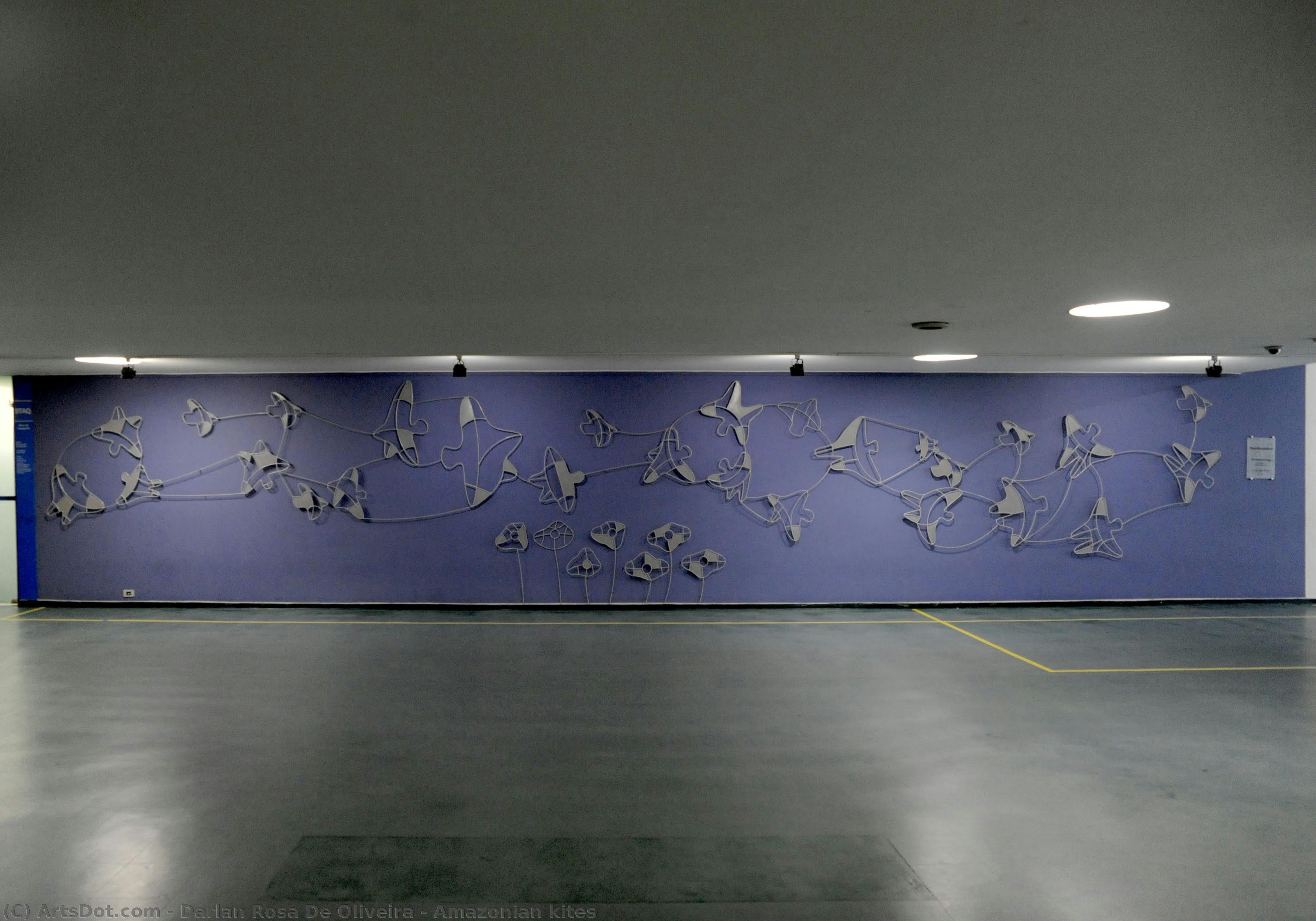
Amazonian kites
 2012
2012 200.0 x 20.0 cm
 Палата депутатов
 Читать далее
Приобретите цифровое изображение высокого разрешения в улучшенном качестве, которое значительно превосходит онлайн-превью.
Каждый файл тщательно подготавливается нашими специалистами с использованием передовых инструментов и экспертной ручной ретуши. Мы гарантируем исключительную четкость, точную цветопередачу и детальную проработку каждого изображения.
Финальный файл доставляется по электронной почте в течение 72 часов и оптимизирован для немедленного использования в профессиональной среде, при верстке и печати. Это тот же уровень качества, которому доверяют ведущие дизайнерские студии, издательства и галереи.
Цифровое изображение
Скачайте файл высокого разрешения для личного использования, печати и творческих проектов. ( Перейти к печати Купить картину ручной работы)
Включено в каждый заказ цифровых изображений
Гарантия экспертной цифровой доставки
Выбирая ArtsDot.com, вы получаете не просто изображение — вы приобретаете профессионально обработанное цифровое произведение искусства, созданное с безупречной точностью и под защитой гарантии качества. Вот всё, что автоматически входит в ваш заказ:

Мгновенная доставка по e-mail
Ваш цифровой файл в высоком разрешении будет отправлен вам по электронной почте в течение 72 часов после оформления заказа — и сразу станет доступен для использования.

Цифровой файл с ИИ-улучшением
Ваше произведение искусства проходит профессиональную оптимизацию с использованием передовых инструментов ИИ и ручной обработки, что гарантирует максимальную детализацию, четкость и точность цветопередачи.

Бессрочная бесплатная повторная доставка
Случайно удалили или потеряли файл? Не беспокойтесь — мы отправим его вам повторно в любое время и совершенно бесплатно.

Без импортных пошлин — навсегда
Наслаждайтесь вашим произведением искусства мгновенно без таможенных пошлин, сборов или затрат на доставку — цифровые загрузки всегда не облагаются налогом.

Гарантия точности цветопередачи
Мы гарантируем, что ваше цифровое изображение максимально точно передает оригинальные цвета благодаря использованию профессиональных инструментов и систем управления цветом.

Гарантия удовлетворенности 100 дней
Если вы не будете удовлетворены своим цифровым изображением, мы внесем правки или вернем 100% стоимости в течение 100 дней — без лишних вопросов.

100% Гарантия возврата средств
Не удовлетворены покупкой? Получите полный возврат средств в течение 100 дней после получения цифрового файла — без лишних вопросов.

Скидки на оптовые заказы
Купите 3 изображения, сэкономьте 10% — Купите 5, сэкономьте 15% — Купите 10+, сэкономьте 20%. Отличное решение для творческих проектов, галерей и агентств.
Похожие произведения







Биография художника
The Emergence of a Minimalist Vision: Laurie Anderson’s Pioneering Career
Laurie Anderson, born Laura Phillips Anderson in Chicago on June 5, 1947, didn't initially envision herself as an artist; her early aspirations leaned towards the classical world. Growing up in Glen Ellyn, Illinois, she developed a deep appreciation for art history through visits to the Art Institute of Chicago and honed her musical skills playing violin with the Chicago Youth Symphony Orchestra. However, it was a pivotal move to New York City in 1966 that set her on a radically different path, leading her to study at Barnard College and ultimately embrace performance art as her primary medium. This shift wasn’t merely a career change; it represented a deliberate rejection of traditional artistic conventions and an exploration of new possibilities for expression – a spirit that would define her entire career. Early influences included the avant-garde movements of the 1960s, particularly Happenings and Fluxus, which encouraged audience participation and challenged established notions of art’s boundaries. Her initial foray into painting provided a crucial foundation in visual composition, while her musical training instilled an understanding of rhythm, texture, and sonic manipulation – skills she would later master with electronic instruments.Early Performances and the Rise of Electronic Art
Anderson's early performances were characterized by their experimental nature and incorporation of unconventional materials. She began utilizing tape recorders, synthesizers, and other technological devices to create soundscapes that defied traditional musical structures. These early works weren’t simply sonic explorations; they were often deeply personal narratives, exploring themes of loneliness, alienation, and the anxieties of modern life. A significant turning point came in 1972 with her performance of “O Superman,” a hauntingly simple song delivered through a distorted voice, which unexpectedly catapulted to number two on the UK singles chart. This success demonstrated the public’s appetite for innovative and challenging art forms – a recognition that would propel Anderson into the international spotlight. Crucially, she wasn't merely exploiting a trend; she was actively shaping it, pioneering the use of technology in performance and laying the groundwork for the development of electronic music as an artistic medium. Her work during this period reflected a growing fascination with language, its manipulation, and its potential to convey complex emotions and ideas.The Installation Era: Permanent Spaces and Conceptual Art
In 1968, Anderson made a transformative decision that would fundamentally alter the nature of her practice: she purchased a derelict cast-iron building in SoHo, New York City, and began converting it into a permanent installation space. This marked a shift from ephemeral performances to meticulously crafted environments – spaces designed not just for viewing but for inhabiting and experiencing. She collaborated with other artists, including Jeff Lew, Gordon Matta-Clark, and Vito Acconci, creating a vibrant community of creatives who challenged the conventional boundaries of art and architecture. The building became a hub for experimentation, activism, and social engagement, reflecting Anderson’s belief that art should be deeply intertwined with its surroundings and contribute to broader cultural conversations. This period saw the development of her signature “Judd-like” spaces – minimalist environments characterized by stark geometries, industrial materials, and a deliberate rejection of ornamentation. These installations weren't simply displays; they were carefully constructed propositions about space, perception, and the relationship between art and reality.Expanding Horizons: Film, Literature, and Continued Innovation
Anderson’s artistic vision extended far beyond performance and installation. In 1986, she directed *Home of the Brave*, a groundbreaking concert film that seamlessly blended music, visuals, and narrative, showcasing her ability to synthesize diverse media into a cohesive whole. She also ventured into electronic literature, creating interactive multimedia projects that explored themes of language, technology, and identity. Her work with CD-ROMs in the 1990s demonstrated her willingness to embrace new technologies and push the boundaries of artistic expression. Throughout her career, Anderson has remained committed to experimentation and innovation, constantly seeking out new ways to challenge conventional notions of art and engage audiences on a deeply personal level. Her influence can be seen across numerous fields, from music and performance art to film, literature, and technology – a testament to her pioneering spirit and enduring legacy.Legacy and Historical Significance
Laurie Anderson’s impact on the art world is undeniable. She stands as a pivotal figure in the development of electronic art, performance art, and multimedia installations. Her willingness to embrace new technologies, challenge established conventions, and engage with social and political issues has inspired generations of artists. Her work continues to be exhibited and studied worldwide, demonstrating its enduring relevance and significance. Beyond her individual achievements, Anderson played a crucial role in fostering a vibrant artistic community in New York City during the late 20th century – a period marked by experimentation, innovation, and social change. Her commitment to creating spaces for dialogue and collaboration has left an indelible mark on the cultural landscape, solidifying her position as one of the most important and influential artists of our time.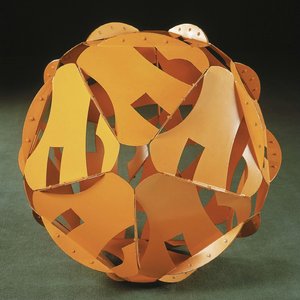
darlan rosa de oliveira
1947 - , Brazil
Основные сведения
- Artistic Movement Or Style:
- Avant-garde
- Performance art
- Electronic music
- Artists Or Movements Influenced By This Artist:
- Philip Glass
- Steve Reich
- Artists Who Influenced This Artist:
- John Cage
- Lucian Freud
- Date Of Birth: June 5, 1947
- Full Name: Laurie Phillips Anderson
- Nationality: American
- Notable Artworks:
- O Superman
- Home of the Brave
- Place Of Birth: Chicago, Illinois