

 Предпросмотр
 Поделиться
 Поделиться
 Детали произведения

 Скачать
 Похожие работы
 Рентгенография
 Слайд-шоу
 Статистика
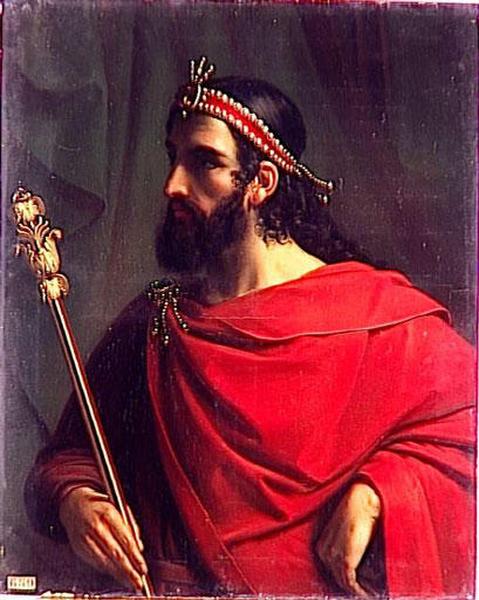
CARIBERT, ROI DES FRANCS ( 567)
 Читать далее
Приобретите цифровое изображение высокого разрешения в улучшенном качестве, которое значительно превосходит онлайн-превью.
Каждый файл тщательно подготавливается нашими специалистами с использованием передовых инструментов и экспертной ручной ретуши. Мы гарантируем исключительную четкость, точную цветопередачу и детальную проработку каждого изображения.
Финальный файл доставляется по электронной почте в течение 72 часов и оптимизирован для немедленного использования в профессиональной среде, при верстке и печати. Это тот же уровень качества, которому доверяют ведущие дизайнерские студии, издательства и галереи.
Цифровое изображение
Скачайте файл высокого разрешения для личного использования, печати и творческих проектов. ( Перейти к печати Купить картину ручной работы)
Включено в каждый заказ цифровых изображений
Гарантия экспертной цифровой доставки
Выбирая ArtsDot.com, вы получаете не просто изображение — вы приобретаете профессионально обработанное цифровое произведение искусства, созданное с безупречной точностью и под защитой гарантии качества. Вот всё, что автоматически входит в ваш заказ:

Мгновенная доставка по e-mail
Ваш цифровой файл в высоком разрешении будет отправлен вам по электронной почте в течение 72 часов после оформления заказа — и сразу станет доступен для использования.

Цифровой файл с ИИ-улучшением
Ваше произведение искусства проходит профессиональную оптимизацию с использованием передовых инструментов ИИ и ручной обработки, что гарантирует максимальную детализацию, четкость и точность цветопередачи.

Бессрочная бесплатная повторная доставка
Случайно удалили или потеряли файл? Не беспокойтесь — мы отправим его вам повторно в любое время и совершенно бесплатно.

Без импортных пошлин — навсегда
Наслаждайтесь вашим произведением искусства мгновенно без таможенных пошлин, сборов или затрат на доставку — цифровые загрузки всегда не облагаются налогом.

Гарантия точности цветопередачи
Мы гарантируем, что ваше цифровое изображение максимально точно передает оригинальные цвета благодаря использованию профессиональных инструментов и систем управления цветом.

Гарантия удовлетворенности 100 дней
Если вы не будете удовлетворены своим цифровым изображением, мы внесем правки или вернем 100% стоимости в течение 100 дней — без лишних вопросов.

100% Гарантия возврата средств
Не удовлетворены покупкой? Получите полный возврат средств в течение 100 дней после получения цифрового файла — без лишних вопросов.

Скидки на оптовые заказы
Купите 3 изображения, сэкономьте 10% — Купите 5, сэкономьте 15% — Купите 10+, сэкономьте 20%. Отличное решение для творческих проектов, галерей и агентств.
Похожие произведения



Биография художника
Dassy Jean Joseph: A Chronicle of French Royal Portraiture
Dassy Jean Joseph (1796-1865), a name perhaps less familiar than many of his contemporaries, nevertheless stands as a significant figure in 19th-century French art. He was a painter deeply rooted in the traditions of historical and portrait painting, yet possessed a distinctive style that blended meticulous detail with an underlying sensitivity to human expression. Born in Marseille, a city renowned for its artistic heritage, Dassy’s career unfolded against the backdrop of significant social and political shifts within France – from the Napoleonic era through the Restoration and beyond. His work offers a valuable window into the visual culture of his time, reflecting both the grandeur of royal courts and the evolving sensibilities of a nation grappling with its identity.
Dassy’s early artistic training remains somewhat shrouded in obscurity, though it's believed he received instruction initially within the Jesuit order. This formative period likely instilled in him a rigorous approach to observation and representation – qualities that would later define his meticulous style. He quickly transitioned into secular painting, establishing himself as a portraitist of considerable skill. His early commissions frequently involved depicting members of the nobility and prominent figures within Marseille society. These portraits weren’t merely exercises in likeness; Dassy sought to capture not just physical appearance but also the character and social standing of his subjects, employing subtle gestures and carefully chosen attire to convey their personalities.
The Royal Patronage and Historical Scenes
Dassy's career gained considerable momentum through royal patronage. He was entrusted with numerous commissions by Louis-Philippe, the King of the French Restoration, a period marked by an attempt to revive the glories of the monarchy. This association brought him into contact with the highest echelons of French society and provided him with opportunities to paint grand historical scenes alongside more intimate portraits. His depictions of figures like Caribert, King of the Franks (567), and Louis le Débonnaire (778-840) are particularly noteworthy. These works demonstrate a mastery of composition and a keen understanding of medieval and Renaissance aesthetics. He meticulously researched period costumes, weaponry, and settings, striving for an authentic representation of these historical events.
The Battle of Robert, Duke of Normandy with a Saracen warrior (1098) is one of his most celebrated works. This dramatic scene showcases Dassy’s ability to convey the chaos and intensity of battle while simultaneously maintaining a sense of formal elegance. The figures are rendered with remarkable detail, capturing both their physical strength and emotional turmoil. The painting's composition—a dynamic interplay of light and shadow—further enhances its visual impact. It is believed that he drew inspiration from contemporary chronicles and illuminated manuscripts to ensure the historical accuracy of his depiction.
Technique and Style
Dassy’s artistic style can be characterized by a combination of realism, restraint, and a subtle elegance. He was known for his meticulous attention to detail, particularly in rendering fabrics, textures, and facial features. His brushwork is generally smooth and controlled, creating a sense of polished refinement. However, he avoided excessive ornamentation or dramatic flourishes, preferring instead to convey emotion through nuanced expressions and carefully observed gestures. His palette tended towards muted tones—earthy browns, deep blues, and subtle greens—which contributed to the overall atmosphere of his paintings.
Unlike some of his contemporaries who embraced Romanticism’s emphasis on emotional intensity, Dassy maintained a more classical approach to portraiture. He prioritized clarity of form and accurate representation over subjective interpretation. His portraits are often described as dignified and reserved, reflecting the values of the aristocratic circles he served. Despite this restraint, there is an undeniable warmth and humanity in his depictions—a testament to his skill as a psychological observer.
Legacy and Historical Significance
Dassy Jean Joseph’s contribution to French art may not be immediately apparent to the casual viewer, but his work holds considerable historical significance. He represents a vital link between the Neoclassical tradition of portraiture and the emerging artistic trends of the 19th century. His meticulous attention to detail and his ability to capture the essence of his subjects have earned him recognition as one of the most accomplished painters of his time. His paintings provide valuable insights into the social, political, and cultural landscape of France during a period of profound transformation.
Furthermore, Dassy’s work serves as a reminder that artistic patronage played a crucial role in shaping the course of French art history. The commissions he received from royal courts not only provided him with financial security but also allowed him to develop his skills and establish himself as a leading portraitist. His legacy continues to be studied by art historians and appreciated by collectors who recognize the enduring value of his paintings.

dassy jean joseph
1796 - 1865
Основные сведения
- Artistic Movement Or Style: Historical & Portrait Painting
- Artists Who Influenced This Artist: ['None],\n "Artists or movements influenced by this artist": [None']
- Date Of Birth: 1796
- Date Of Death: 1865
- Full Name: Dassy Jean Joseph
- Nationality: French
- Notable Artworks:
- Combat de Robert
- Caribert roi des francs
- Louis le Débonnaire
- Place Of Birth: Marseille, France