 Предпросмотр
 Поделиться
 Поделиться
 Детали произведения

 Скачать
 Похожие работы
 Рентгенография
 Слайд-шоу
 Статистика
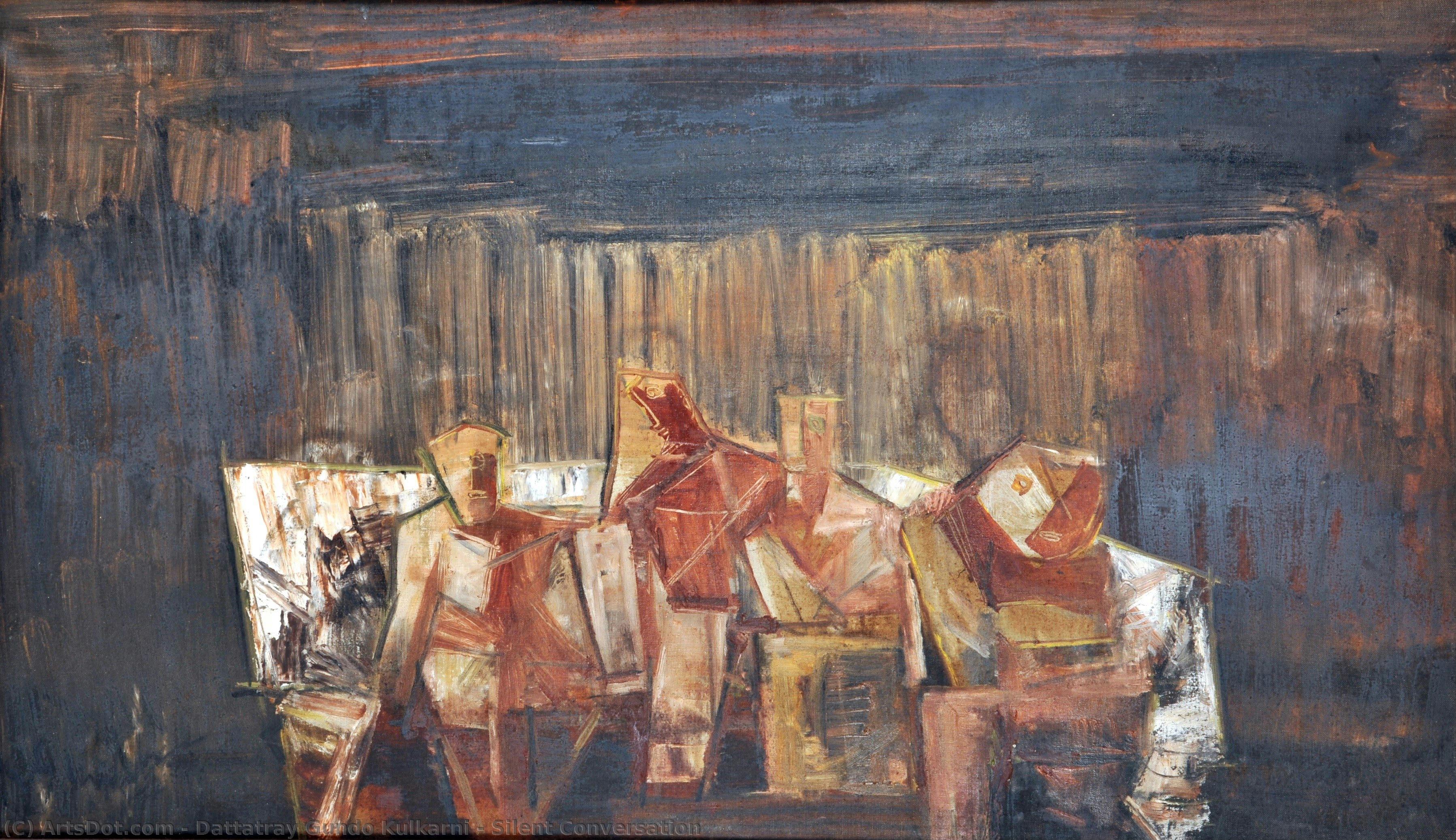
Тихая беседа


 Читать далее
Жикле / Арт-принт
Печать (жикле) или холст музейного качества с быстрыми сроками изготовления и широким выбором вариантов отделки. ( Купить картину ручной работы Перейти к цифровым изображениям)




P118B $10

P118H $10

P118W $10

P438Z $10

P508JH $12

P508YH $12

P805H $10

P805Z $10

P919BZ $10

P919G $10

P919XJ $10

P959ZH $10

P968JZ $12

W106C $8

W218G $10

W218JH $8

W218Y $10

W307PJ $10

W316G $10

W316PJ $8

W316Y $10

W398PJ $8

W4111J $10

W500HY $15

W500JH $15

W692G $12

W849H $8

W940BG $15

W953PJ $8




Выберите один из наших стандартных размеров, соответствующих оригинальным пропорциям произведения искусства.

Вы можете указать свои собственные размеры, чтобы репродукция идеально подошла под конкретную раму или пространство. Если выбранный вами размер не будет соответствовать пропорциям оригинала, мы либо обрежем произведение, либо дополним изображение зеркальным отражением краев или однотонной заливкой. Перед началом производства вам будет отправлен цифровой макет для утверждения.
Пожалуйста, обратите внимание, что предварительный просмотр на экране не отображает фактическую обрезку или расширение изображения. Только макет точно покажет финальную композицию.
Несмотря на возможность заказа индивидуальных размеров, мы рекомендуем выбирать размер из предопределенного списка, чтобы сохранить оригинальные пропорции.
Доставка по всему миру () за 2 недели вместо стандартных 4/5 недель. (13 Сентябрь)

Бесплатная экспресс-доставка по всему миру

Высококачественный льняной холст

Полное страхование доставки

Гарантия возмещения таможенных пошлин

Гарантия точного соответствия цветов

100-дневная политика возврата (только при обнаружении дефектов)

Гарантия возврата 100% средств

Предложение оптовых скидок
 Вариант со стеклом доступен только для размеров менее 110 см

Тихая беседа
Жикле / Арт-принт
Размер репродукции
-


Итоговая стоимость
$ 62
Тихий Разговор: Отражение Интеллигентной Души в Картине Даттатрая Гундо Кулкарни
Картина “Тихий Разговор” Даттатрая Гундо Кулкарни – это произведение искусства, воплощающее глубокое понимание человеческой природы и тонкий баланс между индивидуальностью и обществом. Созданная в 1970 году художником из Индии, эта черно-белая работа представляет собой не просто изображение людей за разговором, но и исследование темы взаимопонимания и эмоциональной связи.
- Тема и Композиция: Центральным элементом картины является группа людей, занятых беседой. Их позы выражают спокойствие и сосредоточенность, создавая ощущение интимной обстановки и доверия между участниками диалога. Важную роль играет кресло в центре композиции – возможно, место для одного из героев во время их разговора.
- Стиль и Техника: Художник придерживался принципов модернизма, используя технику черно-белой живописи с акцентом на детализацию и передачу текстуры поверхности. Этот стиль отражает эстетику времени и подчеркивает важность визуальной чистоты и лаконичности.
- Исторический Контекст: Картина была создана в период Холодной войны, когда искусство часто использовалось для выражения социальных и политических взглядов. Однако “Тихий Разговор” не является политической работой; скорее это исследование человеческого опыта и эмоциональных переживаний.
- Символизм: Черно-белая цветовая гамма символизирует серьезность темы и способствует созданию атмосферы задумчивости и рефлексии. Разные положения участников диалога могут быть интерпретированы как отражение различных точек зрения и жизненных позиций.
- Эмоциональный Отклик: Картина вызывает ощущение тепла и человечности, приглашая зрителя задуматься о важности общения и взаимопонимания в повседневной жизни. Она передает тонкий баланс между индивидуальным опытом и социальной связью – темы актуальные и сегодня.
Эта работа Даттатрая Гундо Кулкарни является прекрасным примером искусства, способного говорить о важных человеческих ценностях и эмоциях. Высококачественная репродукция позволит сохранить эту атмосферу спокойствия и интимности в вашем доме или офисе.
Похожие произведения

Биография художника
The Independent Spirit: The Life and Legacy of Dattatray Gundo Kulkarni
Dattatray Gundo Kulkarni, known to the art world by the evocative moniker Dizi, remains one of the most compelling and singular voices in twentieth-century Indian modernism. Born on December 28, 1921, in the village of Shedbal, Karnataka, his life was a profound testament to the pursuit of artistic truth over external acclaim. While many of his contemporaries sought refuge in established movements, Dizi maintained a fiercely independent path, characterized by an unwavering commitment to his own creative vision. His journey was not merely one of aesthetic evolution but also one of personal resilience; during the Quit India movement of 1942, his patriotic fervor led to imprisonment, an experience that left him with a lifelong limp but perhaps deepened the raw intensity found within his work.
His formal artistic foundation was laid at the prestigious Sir Jamsetjee Jeejebhoy School of Art in Mumbai. It was during these formative years that he balanced the practical necessity of working as an illustrator and cartoonist with his burgeoning passion for fine art. This dual existence allowed him to master the precision of line and the wit of caricature, skills that would later inform the structural integrity of his paintings and sculptures. The name Dizi emerged from this period, becoming a symbol of an artist whose personality and style were inextricably linked. Though he held brief affiliations with the Progressive Artists’ Group and the Bombay Group, he never allowed himself to be subsumed by any single school, preferring instead to exist in the vibrant, often turbulent, center of India's modernizing art scene.
A Mastery of Form and Evolution of Tone
The evolution of Dizi’s technique is a fascinating study in artistic maturation. In his early career, his palette was characterized by a certain brightness—vibrant, gay, and light colors that captured the energy of a young artist exploring the possibilities of medium. However, as he matured, his work underwent a profound transformation. He began to eschew superficial ornamentation and flamboyant color in favor of a more sombre and meditative representation. This shift toward deeper tones, mass, and volume allowed him to explore the very essence of form, creating works that felt grounded and monumental even in their most minimalist expressions.
His versatility was truly remarkable, spanning three distinct media: drawing, painting, and sculpture. Whether he was capturing nuanced details in an intricate drawing, exploring abstract depths in a painting, or manipulating physical space through sculpture, his core philosophy remained constant. He sought to convey an honest representation of inner truth, a goal shared by his close friends and contemporaries, V. S. Gaitonde and S. B. Palsikar. His work often reflected a minimalist approach, reminiscent of the post-war European movements, where simplicity was used as a tool to probe the complexities of human psychology and existence. In his art, one finds a deliberate rejection of the decorative, replaced by a search for a core essence that resonates far beyond the canvas.
Honors and Historical Significance
Dizi’s contribution to Indian art is marked by both his technical mastery and his philosophical depth. He was an artist who believed in surrendering to the center of life without losing one's individual identity, a sentiment that permeates his entire oeuvre. His ability to mirror his own personality through his artistic style made him a unique figure—a rebel with a refined sensibility. This dedication to integrity did not go unnoticed by the institutional art community, which recognized his profound impact on the landscape of Indian modernism.
Throughout his career, he received several prestigious accolades that honored his lifelong commitment to excellence:
- Lalit Kala Akademi Award (1967): A significant recognition of his contribution to the national art scene in India.
- Maharashtra Gaurav Puraskar (1990): An honor reflecting his deep connection to and impact on the cultural heritage of Maharashtra.
Today, the legacy of Dattatray Gundo Kulkarni lives on through works that continue to challenge and inspire. His ability to blend traditional Indian aesthetics with modernist experimentation ensures his place in the canon of great modernists. He remains a symbol of the artist as an independent thinker—one who navigates the complexities of history, politics, and personal struggle to emerge with a voice that is unmistakably, and eternally, his own.
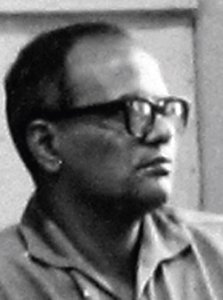
dattatray gundo kulkarni
1921 - 1992 , India
Основные сведения
- Artistic Movement Or Style: Modernist
- Artists Or Movements Influenced By This Artist: ['Wassily Kandinsky']
- Artists Who Influenced This Artist:
- V. S. Gaitonde
- S. B. Palsikar
- Date Of Birth: December 28, 1921
- Date Of Death: November 16, 1992
- Full Name: Dattatray Gundo Kulkarni
- Nationality: Indian
- Notable Artworks:
- Dizi's Sculptures
- Dizi's Paintings
- Place Of Birth: Shendra, India
Похожие статьи

Белые шедевры: 10 знаменитых картин, покоривших мир (репродукции, декор)
Откройте для себя 10 знаменитых картин, где белый цвет – главный герой! Моне, Дега и другие мастера. История искусства, техники живописи и вдохновение для вашего интерьера. Репродукции высокого качества на ArtsDot.com

Топ-25 шедевров Василия Кандинского: Абстрактное искусство для вашего интерьера
Погрузитесь в мир абстрактного искусства с Василием Кандинским! 25 шедевров экспрессионизма, баухауса и русского авангарда. Репродукции картин Кандинского для вдохновения и декора вашего интерьера. Откройте всю коллекцию на ArtsDot.com
Марк Ротко: 25 шедевров абстрактного экспрессионизма для вашего интерьера | ArtsDot
Погрузитесь в мир Марка Ротко! 25 шедевров абстрактного экспрессионизма, полных эмоций и цвета. Узнайте историю создания культовых картин и найдите идеальную репродукцию для вашего интерьера на ArtsDot.com.
Казимир Малевич: 25 шедевров супрематизма для ценителей искусства и декора интерьера
Погрузитесь в мир супрематизма с Казимиром Малевичем! 25 культовых картин, история создания и значение. Репродукции высокого качества для вашего интерьера на ArtsDot.com. Откройте всю коллекцию онлайн!

Топ-10 знаменитых картин в черных тонах: шедевры искусства для вашего интерьера
Погрузитесь в мир темных шедевров! Топ-10 знаменитых картин в черных тонах от Гойи, Рембрандта и Мунка. История искусства, техники живописи и вдохновение для вашего интерьера. Купите репродукции высокого качества на ArtsDot.com