 Предпросмотр
 Поделиться
 Поделиться
 Детали произведения

 Скачать
 Похожие работы
 Рентгенография
 Слайд-шоу
 Статистика
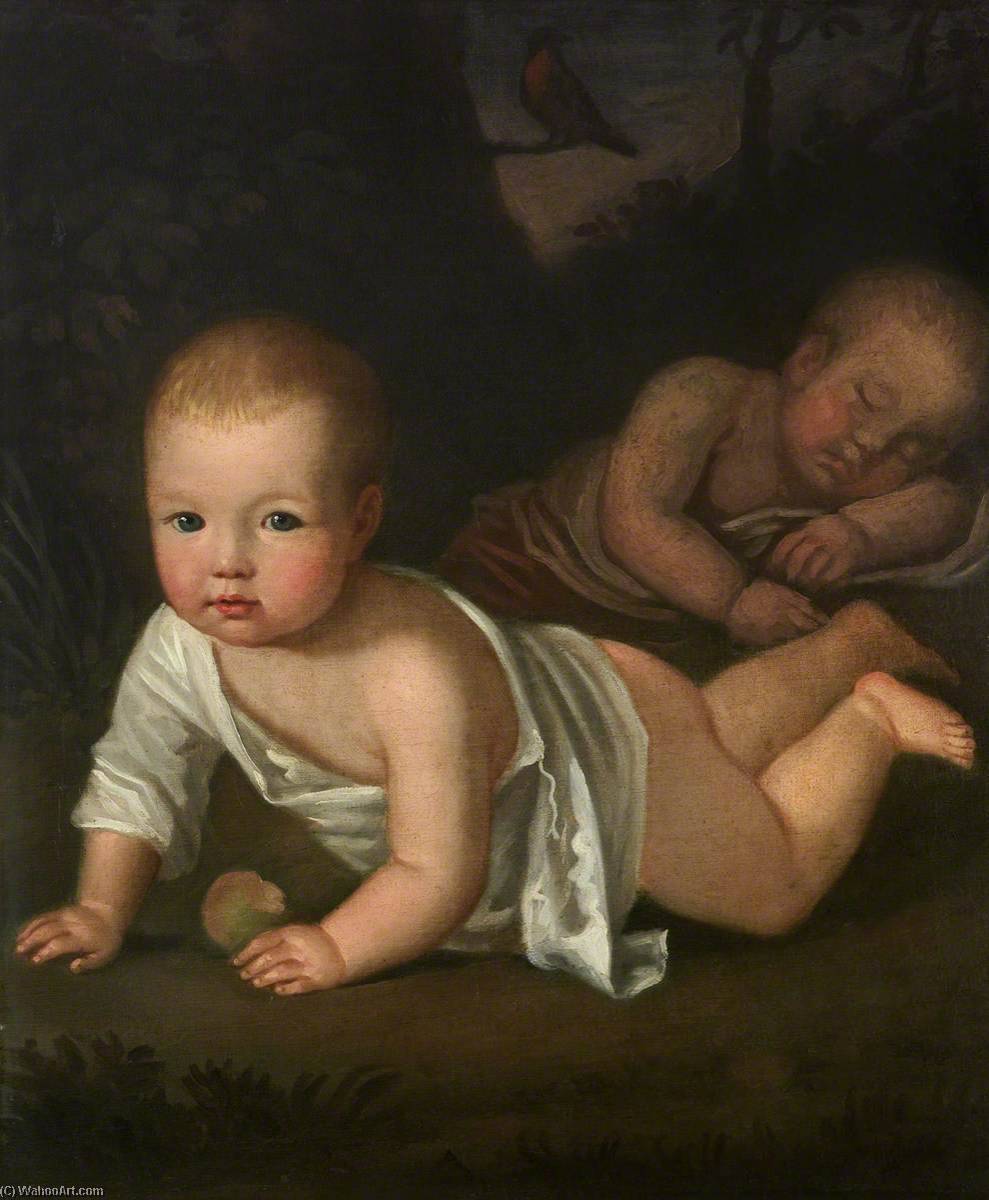
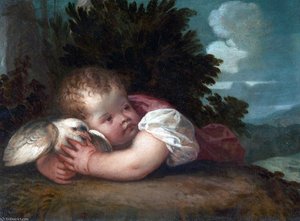
The Children of David Allan
 Oil On Canvas
- WallArt
- Neoclassicism
 1790
1790 59.0 x 49.0 cm
 Royal Scottish Academy of Art - Architecture
 Читать далее
Масляная репродукция ручной работы
Картина маслом на холсте в выбранном вами размере и раме, написанная на заказ нашими художниками. ( Перейти к печати Перейти к цифровым изображениям)




P118B $10

P118H $10

P118W $10

P438Z $10

P508JH $12

P508YH $12

P805H $10

P805Z $10

P919BZ $10

P919G $10

P919XJ $10

P959ZH $10

P968JZ $12

W106C $8

W218G $10

W218JH $8

W218Y $10

W307PJ $10

W316G $10

W316PJ $8

W316Y $10

W398PJ $8

W4111J $10

W500HY $15

W500JH $15

W692G $12

W849H $8

W940BG $15

W953PJ $8




Выберите один из наших стандартных размеров, соответствующих оригинальным пропорциям произведения искусства.

Вы можете указать собственные размеры, чтобы картина идеально вписалась в выбранную раму или пространство. Если выбранный вами размер не соответствует пропорциям оригинала, мы либо обрежем полотно, либо расширим его за счет дополнительных элементов, написанных вручную. Цифровой макет будет отправлен вам на утверждение перед началом производства.
Обратите внимание, что предварительный просмотр на экране не отражает фактическую обрезку или расширение. Только макет точно покажет окончательную композицию.
Хотя доступны индивидуальные размеры, мы рекомендуем выбирать вариант из предопределенного списка, чтобы сохранить исходные пропорции.
После оформления заказа команда ArtsDot.com свяжется с клиентом по электронной почте для уточнения деталей и предоставит предварительный макет
Доставка по всему миру () за 3–4 недели вместо стандартных 5 недель. (12 Сентябрь). Без компромиссов в качестве.

Бесплатная экспресс-доставка по всему миру

Высококачественный льняной холст

Полное страхование доставки

Гарантия возмещения таможенных пошлин

Гарантия точного соответствия цветов

100-дневная политика возврата (только при обнаружении дефектов)

Гарантия возврата 100% средств

Предложение оптовых скидок
 Вариант со стеклом доступен только для размеров менее 110 см

The Children of David Allan
Техника репродукции
Размер репродукции
-


Итоговая стоимость
$ 288
A Window into Childhood: The Story Behind “The Children of David Allan”
David Allan’s 1790 painting, "The Children of David Allan," isn't merely a depiction of two infants; it’s a carefully constructed tableau brimming with the social and emotional currents of late 18th-century Britain. Born in Scotland and finding his footing in Rome’s artistic circles, Allan brought a distinctly neoclassical sensibility to his work, blending classical form with a burgeoning interest in capturing human emotion – particularly the vulnerability of childhood. This piece, commissioned by wealthy patrons likely connected to the Scottish aristocracy, reflects a growing Victorian fascination with domesticity, innocence, and the idealized portrayal of family life.
The painting’s genesis lies within the context of Allan's own career. He was a prolific portraitist, known for his ability to capture both physical likeness and psychological depth. His work frequently engaged with themes of morality, social commentary, and the complexities of human relationships – often imbued with a subtle, satirical edge. “The Children of David Allan” stands apart, however, in its almost overwhelming tenderness, a deliberate departure from some of his more overtly critical portraits.
A Study in Light, Texture, and Classical Composition
Allan’s technical mastery is immediately apparent in the painting's meticulous detail. The children are rendered with an astonishing level of realism – the delicate folds of their clothing, the subtle variations in skin tone, the precise modeling of their features. He employs a technique known as glazing, layering thin washes of oil paint to build up color and create luminous effects. This creates a remarkable sense of depth and texture, particularly noticeable on the infants’ faces and hands – you can almost feel the softness of their skin.
- Color Palette: The painting is dominated by warm, earthy tones—russets, browns, ochres, and subtle yellows—creating a sense of domestic comfort and security.
- Lighting: The diffused lighting suggests an interior setting, perhaps a nursery or a private chamber. It casts gentle shadows that highlight the children’s features without harshness.
- Composition: Allan utilizes a pyramidal composition, with the infants forming the apex of the triangle and the blurred landscape providing a grounding element. This arrangement draws the viewer's eye directly to the central figures.
Symbolism and Victorian Ideals
Beyond its technical brilliance, “The Children of David Allan” is rich in symbolic meaning. The two infants represent not just childhood itself but also the future of the family line – a potent symbol of hope and continuity. The crawling baby, alert and inquisitive, embodies youthful energy and potential, while the sleeping infant represents innocence and vulnerability. This juxtaposition speaks to the Victorian ideal of nurturing motherhood and the importance of safeguarding children from harm.
Furthermore, the painting’s setting—a blurred landscape hinting at a rural life—suggests a connection to nature and a reverence for traditional values. It's a deliberate contrast to the increasingly urbanized world of the late 18th century, reinforcing the painting’s message of pastoral serenity and familial harmony.
A Timeless Portrait of Innocence
“The Children of David Allan” remains a powerfully evocative work of art. It transcends its historical context to speak directly to our own appreciation for childhood innocence and the enduring beauty of family bonds. Reproductions capture much of the original’s warmth and detail, offering a captivating glimpse into a bygone era—a testament to Allan's skill as a portraitist and his ability to imbue his paintings with profound emotional resonance. It is a piece that invites contemplation, reminding us of the preciousness of youth and the importance of cherishing those fleeting moments of vulnerability and wonder.
Похожие произведения

Биография художника
A Scottish Voice in the Age of Enlightenment
David Allan, born in Alloa, Scotland, in 1744, emerged as a significant figure during a period of profound artistic and intellectual change. His father’s position as harbor master instilled an early connection to the world beyond Scotland's shores, hinting at influences that would later shape his artistic vision. Though details of his earliest training remain scarce, it is clear that a natural talent blossomed from youth, setting him on a path toward becoming one of Scotland’s most celebrated painters. This path led him, in 1764, to Rome – a pivotal journey for any aspiring artist of the time. For ten years, Allan immersed himself in the study of classical art and architecture, diligently copying masterpieces like the Borghese Gladiator, honing his skills in form and technique under the guidance of Gavin Hamilton. This Italian sojourn wasn’t merely about technical mastery; it was an immersion into a world of ideals that would subtly permeate his later work. He absorbed the principles of balance, proportion, and clarity championed by Neoclassicism, while simultaneously developing a keen appreciation for the expressive qualities of light and shadow – elements he would later skillfully integrate into his own style.Blending Worlds: Neoclassicism with Scottish Life
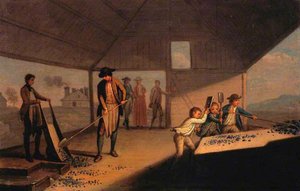
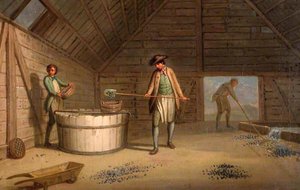
Upon returning to Scotland around 1770, Allan established himself in Edinburgh, quickly becoming a leading artist within the city’s vibrant cultural scene. His style is remarkable for its unique synthesis of Neoclassical precision and Rococo elegance. While embracing the classical ideals of order, balance, and clarity – hallmarks of the Neoclassical movement – he retained a decorative sensibility evident in his use of color and composition. This wasn't a rigid adherence to any single school but rather a thoughtful blending of influences. Allan excelled in both portraiture and genre painting, demonstrating a keen observational skill and an ability to capture the essence of his subjects. His portraits weren’t simply likenesses; they possessed psychological depth, revealing character and personality. He had a remarkable eye for capturing subtle expressions and conveying inner emotions, making his portraits feel remarkably alive. However, it was perhaps in his genre scenes that Allan truly distinguished himself, offering intimate glimpses into 18th-century Scottish life – from bustling market days to quiet domestic moments. Works like “Lead Processing at Leadhills Washing the Ore” are not merely depictions of industry but insightful social commentaries rendered with remarkable realism and attention to detail. He also ventured into historical subjects, such as "Hope (triptych, centre panel)", showcasing his ambition and versatility while skillfully integrating classical influences with religious themes.The ‘Scottish Hogarth’ and a Legacy Forged in Observation
Allan’s dedication to depicting contemporary life earned him the moniker “the Scottish Hogarth,” a comparison that highlights his contributions to genre painting and social commentary through art. While not directly emulating Hogarth’s often satirical style, Allan shared a similar interest in portraying everyday scenes with honesty and insight. He possessed an exceptional ability to capture the nuances of human interaction and the textures of daily life, elevating seemingly ordinary subjects to artistic significance. His association with the Foulis Academy, a prominent center for artistic training in Edinburgh, further solidified his role in shaping Scottish art during this period. Allan wasn’t just creating paintings; he was contributing to the development of a distinct national artistic identity. He influenced subsequent generations of Scottish artists, encouraging them to look inward and find inspiration in their own culture and surroundings. His work served as a bridge between the formal traditions of classical art and the burgeoning spirit of the Scottish Enlightenment.Key Works and Artistic Techniques
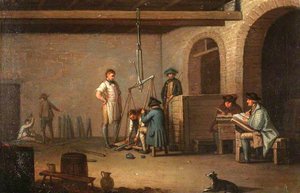
Allan’s oeuvre is characterized by a remarkable technical skill and a deep understanding of composition. He was particularly adept at capturing light and shadow, creating a sense of depth and atmosphere in his paintings. His use of color was often subtle and nuanced, reflecting the muted tones of Scottish landscapes. Some of his most celebrated works include:- “Lead Processing at Leadhills Washing the Ore” – A meticulously detailed depiction of a working-class scene, showcasing Allan’s ability to capture the energy and drama of everyday life.
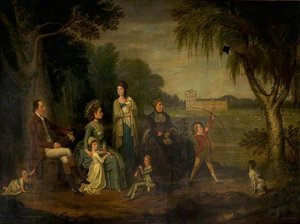
- “The Family of Procida” – An elegant portrait that exemplifies Allan’s mastery of classical composition and his skill in capturing the likenesses of his subjects.
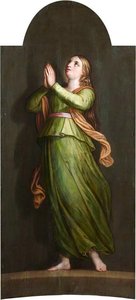
- “Hope (triptych, centre panel)” – A grand historical scene demonstrating Allan's ambition and ability to integrate classical elements with religious themes.
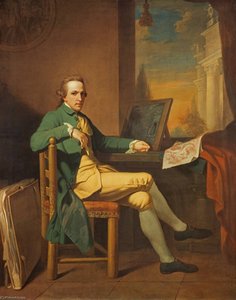
- “James Craig, Architect” - A fine example of a portrait that captures both the subject’s personality and status.
- “The Children of David Allan” – A charming domestic scene revealing Allan’s talent for capturing the innocence and joy of childhood.
A Lasting Impression
David Allan's impact extends beyond his individual artworks. His paintings continue to be admired for their technical brilliance, insightful portrayals of Scottish society, and enduring artistic merit. He died in 1796, leaving behind a legacy as one of Scotland’s most important artists – a painter who successfully blended classical ideals with distinctly Scottish subject matter, creating works that are both beautiful and profoundly revealing of his time. Allan remains a testament to the power of observation, the importance of artistic training, and the enduring appeal of capturing the human experience.
Дэвид Аллан
1744 - 1796 , Шотландия
Основные сведения
- Artistic Movement Or Style: Неоклассицизм и Рококо
- Artists Or Movements Influenced By This Artist: ['Шотландские художники']
- Artists Who Influenced This Artist: ['Гавин Хэмилтон']
- Date Of Birth: 1744
- Date Of Death: 1796
- Full Name: David Allan
- Nationality: Шотландец
- Notable Artworks:
- Lead Processing
- The Family
- Hope (triptych)
- James Craig
- Place Of Birth: Актон, США
Похожие статьи
The Enduring Legacy of Classicism: Principles, Evolution & Influence in Western Art
Explore the enduring legacy of Classicism in Western art! Discover its historical context, key principles, iconic masterpieces & lasting influence. Learn about Renaissance and Neoclassical movements with ArtsDot.

10 Шедевров Неоклассицизма: Искусство, Определившее Эпоху | ArtsDot
Погрузитесь в мир неоклассицизма! 10 шедевров от Давида, Канновы и других великих художников. Узнайте историю создания культовых картин и вдохновитесь для интерьера. Репродукции музейного качества на ArtsDot.com
Timeless Resonance: Exploring Classic Vibe in Art – A Historical & Aesthetic Analysis
Explore the rich history & enduring aesthetic of Classicism art! Discover key movements, iconic artists like Raphael & David, and its lasting influence on Western art. Deepen your appreciation today.

Oil on Canvas: A Historical & Technical Exploration of a Timeless Artistic Medium
Explore the rich history & enduring techniques of oil painting on canvas. Discover the science behind its longevity, conservation practices, and contemporary relevance. Expert insights for art enthusiasts.

The Enduring Legacy of Oil on Canvas: Technique, History & Aesthetic Impact
Explore the rich history & techniques of oil painting – from Renaissance masters to Impressionism. Discover pigments, layering methods, and why this timeless medium endures. Expert insights for artists & art enthusiasts.