

 Поделиться
 Поделиться
 Детали произведения

 Скачать
 Похожие работы
 Слайд-шоу
 Статистика
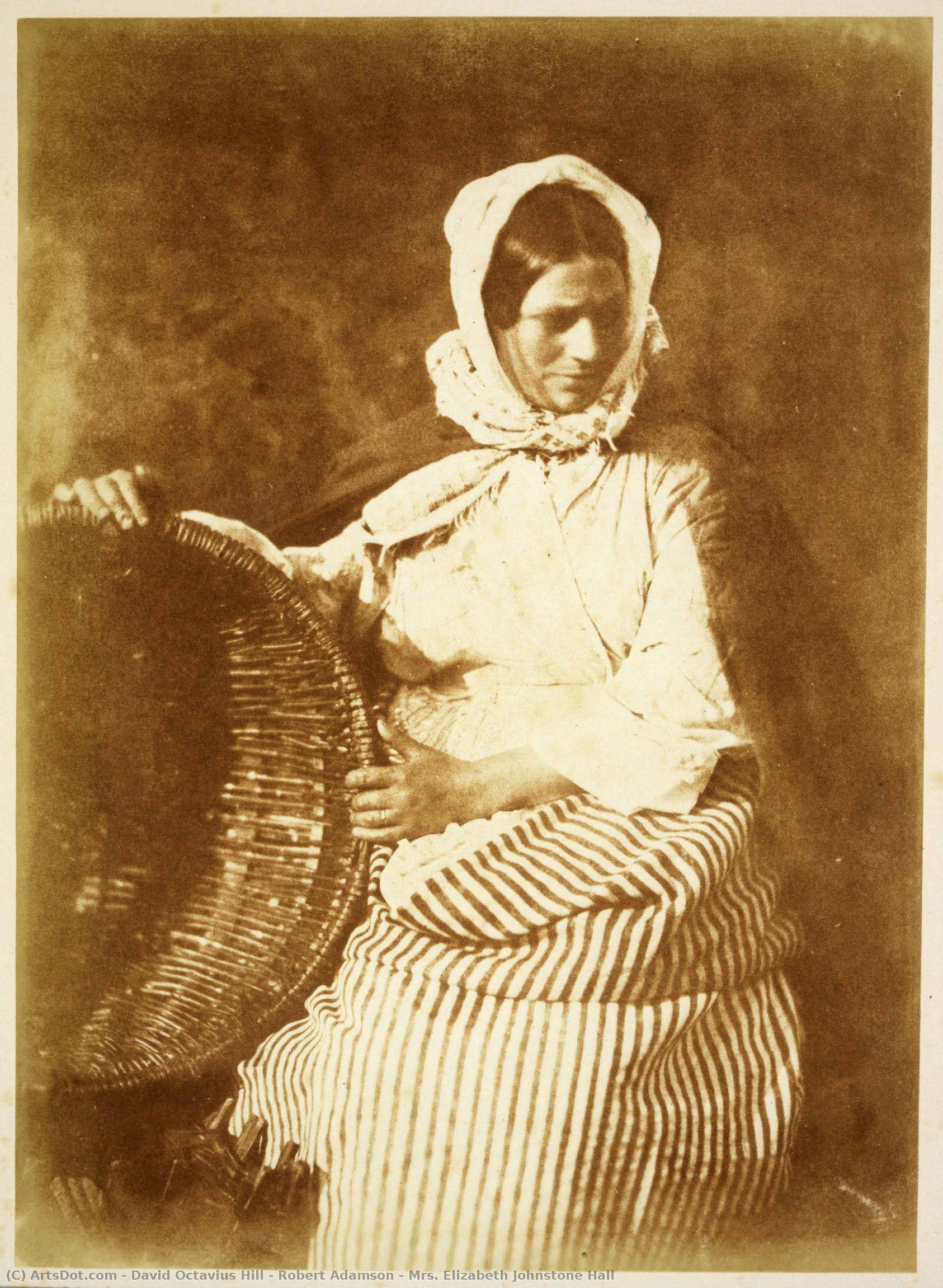
Mrs. Elizabeth Johnstone Hall
 Giclée Print
- Digital
- Early Pictorialism
 1845
1845 14.0 x 20.0 cm
 Музей Джорджа Востона
 Читать далее
Приобретите цифровое изображение высокого разрешения в улучшенном качестве, которое значительно превосходит онлайн-превью.
Каждый файл тщательно подготавливается нашими специалистами с использованием передовых инструментов и экспертной ручной ретуши. Мы гарантируем исключительную четкость, точную цветопередачу и детальную проработку каждого изображения.
Финальный файл доставляется по электронной почте в течение 72 часов и оптимизирован для немедленного использования в профессиональной среде, при верстке и печати. Это тот же уровень качества, которому доверяют ведущие дизайнерские студии, издательства и галереи.
Цифровое изображение
Скачайте файл высокого разрешения для личного использования, печати и творческих проектов. ( Перейти к печати Купить картину ручной работы)
Включено в каждый заказ цифровых изображений
Гарантия экспертной цифровой доставки
Выбирая ArtsDot.com, вы получаете не просто изображение — вы приобретаете профессионально обработанное цифровое произведение искусства, созданное с безупречной точностью и под защитой гарантии качества. Вот всё, что автоматически входит в ваш заказ:

Мгновенная доставка по e-mail
Ваш цифровой файл в высоком разрешении будет отправлен вам по электронной почте в течение 72 часов после оформления заказа — и сразу станет доступен для использования.

Цифровой файл с ИИ-улучшением
Ваше произведение искусства проходит профессиональную оптимизацию с использованием передовых инструментов ИИ и ручной обработки, что гарантирует максимальную детализацию, четкость и точность цветопередачи.

Бессрочная бесплатная повторная доставка
Случайно удалили или потеряли файл? Не беспокойтесь — мы отправим его вам повторно в любое время и совершенно бесплатно.

Без импортных пошлин — навсегда
Наслаждайтесь вашим произведением искусства мгновенно без таможенных пошлин, сборов или затрат на доставку — цифровые загрузки всегда не облагаются налогом.

Гарантия точности цветопередачи
Мы гарантируем, что ваше цифровое изображение максимально точно передает оригинальные цвета благодаря использованию профессиональных инструментов и систем управления цветом.

Гарантия удовлетворенности 100 дней
Если вы не будете удовлетворены своим цифровым изображением, мы внесем правки или вернем 100% стоимости в течение 100 дней — без лишних вопросов.

100% Гарантия возврата средств
Не удовлетворены покупкой? Получите полный возврат средств в течение 100 дней после получения цифрового файла — без лишних вопросов.

Скидки на оптовые заказы
Купите 3 изображения, сэкономьте 10% — Купите 5, сэкономьте 15% — Купите 10+, сэкономьте 20%. Отличное решение для творческих проектов, галерей и агентств.
A Glimpse into Victorian Life: Mrs. Elizabeth Johnstone Hall (1845)
This exquisite hand-painted reproduction captures a poignant moment from 1845, a testament to the groundbreaking work of David Octavius Hill and Robert Adamson – two pioneers who irrevocably altered the course of art with their innovative approach to photography. The image depicts Mrs. Elizabeth Johnstone Hall, a woman embodying the quiet dignity and understated beauty characteristic of mid-Victorian Scotland. The photograph itself, a black and white study, is rendered here with meticulous detail, faithfully recreating the textures of her bonnet, the woven basket she carries, and the subtle nuances of her expression. It’s not merely a portrait; it's a window into a vanished world.
- The Artists: Hill & Adamson were revolutionary figures. Hill, a seasoned painter with an eye for composition, partnered with Adamson, a chemist who mastered the complex calotype process – the earliest form of photographic reproduction. Their collaboration was driven by a desire to elevate photography beyond simple documentation, aiming instead to create images imbued with artistic intent.
- Technical Innovation: The calotype process, perfected by Adamson, produced paper negatives that could be used to create multiple prints, a significant departure from the etching-based methods of the time. This allowed for a level of detail and tonal range previously unattainable.
Subject & Composition – A Study in Domesticity
The subject matter itself is remarkably simple: Mrs. Johnstone Hall engaged in a commonplace activity – carrying a basket, likely filled with produce or perhaps flowers. Yet, Hill and Adamson transformed this ordinary scene into something extraordinary through their careful composition and attention to detail. The woman’s direct gaze engages the viewer, creating an immediate connection across time. The inclusion of two indistinct figures in the background subtly suggests a familial context, reinforcing the theme of domestic life – a frequent subject for Victorian artists seeking to represent the values of family and community.
Historical Context & Symbolism
Created in 1845, this image reflects the social and cultural landscape of Scotland during the early years of photography. The Victorian era was marked by rapid industrialization, social change, and a growing interest in documenting everyday life. The bonnet worn by Mrs. Johnstone Hall is a symbol of respectability and modesty, reflecting the prevailing norms of the time. The woven basket speaks to rural traditions and the importance of agriculture – key elements of Scottish identity. The black and white palette further emphasizes the timeless quality of the image, stripping away any distractions and focusing on the essential human form.
Emotional Impact & Artistic Value
This reproduction transcends a simple historical record; it evokes a powerful sense of nostalgia and invites contemplation about the passage of time. The soft lighting and subtle tonal variations contribute to an atmosphere of quiet serenity, while Mrs. Johnstone Hall’s expression hints at a life lived with dignity and resilience. As a hand-painted reproduction, this artwork offers a unique opportunity to own a piece of photographic history – a tangible connection to the pioneering vision of Hill & Adamson and their enduring legacy in the world of art.
Похожие произведения

![Rev. Peter Jones [kahkew?quon?by] — David Octavius Hill & Robert Adamson, Romanticism](/media/artworks/images-thumb/cf/5f/cf5ffc65093ee959d92afd6f9daf5719.jpg)
Биография художника
A Pioneering Vision: The Collaborative World of Hill & Adamson
The story of David Octavius Hill and Robert Adamson is a remarkable chapter in the nascent history of photography, a testament to artistic vision blossoming within the constraints of early technological innovation. Active for a mere four years – from 1843 to 1847 – this Scottish partnership nonetheless laid foundational stones for photographic art, producing a body of work that resonates with both technical ingenuity and profound human sensitivity. Their collaboration wasn’t simply about documenting reality; it was about *interpreting* it, imbuing the newly accessible medium with an artistic sensibility previously reserved for painting. Hill, already an established painter and secretary to the Royal Scottish Academy, brought a compositional eye honed by years of landscape and portraiture. Adamson, a young chemist with a scientific precision, mastered the intricacies of the calotype process, allowing their combined talents to flourish in Edinburgh’s burgeoning artistic climate.From Disruption to Discovery: The Genesis of a Partnership
The catalyst for this extraordinary collaboration was, perhaps surprisingly, religious upheaval. In 1843, Scotland witnessed the dramatic Disruption of the Church of Scotland, as ministers protested against state interference in ecclesiastical affairs. Hill, deeply moved by the event, embarked on an ambitious project: a monumental painting depicting the signing of the Deed of Demission – the document outlining the ministers’ secession. Faced with the daunting task of accurately portraying hundreds of individuals, he sought a solution that transcended traditional sketching methods. It was Sir David Brewster who suggested employing the recently invented calotype process, and introduced Hill to Robert Adamson. Initially skeptical, Hill quickly recognized the potential of photography not merely as a tool for replication, but as an art form in its own right. Adamson’s technical expertise, coupled with Hill's artistic direction, proved a potent combination. Their studio at Rock House became a hub of activity, attracting a diverse array of sitters – from prominent figures within the Free Church to everyday laborers and fishermen.Calotypes and Character: A Rembrandt-esque Approach
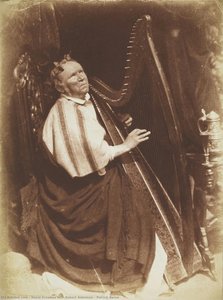
Hill & Adamson’s calotypes are distinguished by their remarkable quality, often described as possessing a “Rembrandt-esque” luminosity. This wasn't accidental. Hill, with his painterly background, carefully orchestrated each composition, utilizing dramatic lighting and evocative props to create images that were far more than simple likenesses. He understood the power of chiaroscuro – the interplay of light and shadow – to reveal character and emotion. Their portraits weren’t static representations; they captured fleeting moments of personality, a sense of inner life. The *Newhaven Fishwives*, for example, is not merely a documentation of working-class women; it's a poignant portrayal of resilience, dignity, and the hardships of their existence. Similarly, their portrait of Patrick Byrne playing the harp exudes an atmosphere of contemplative artistry. This ability to infuse their calotypes with psychological depth set them apart from other early photographers, establishing a new standard for photographic portraiture.A Legacy Forged in Light: Influence and Enduring Significance
The untimely death of Robert Adamson in 1848 brought the partnership to an abrupt end. Hill continued to work with photography, but the magic of their collaboration was irreplaceable. Despite its brevity, the impact of Hill & Adamson’s work was profound. They demonstrated that photography could be a vehicle for artistic expression, challenging prevailing notions about the medium's capabilities. Their calotypes influenced generations of photographers, inspiring them to explore the aesthetic possibilities of light, composition, and subject matter. Today, their images are held in esteemed collections worldwide, including the Scottish National Gallery and the Metropolitan Museum of Art, serving as a powerful reminder of their pioneering spirit and enduring artistic legacy. They weren’t simply documenting a moment in time; they were *creating* art with it, forever altering the course of photographic history. Their work remains a testament to the power of collaboration and the transformative potential of embracing new technologies within an established artistic framework.Exploring Their World
- Scottish National Gallery: Discover a comprehensive collection of Hill & Adamson’s calotypes, showcasing their mastery of portraiture and landscape photography.
- The Metropolitan Museum of Art: Explore essays and analyses that delve into the historical context and artistic significance of their work.
- Wikipedia: Gain a broader understanding of Hill & Adamson’s lives, techniques, and lasting impact on the world of photography.
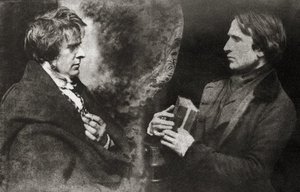
David Octavius Hill & Robert Adamson
1802 - 1848