

 Предпросмотр
 Поделиться
 Поделиться
 Детали произведения

 Скачать
 Похожие работы
 Рентгенография
 Слайд-шоу
 Статистика
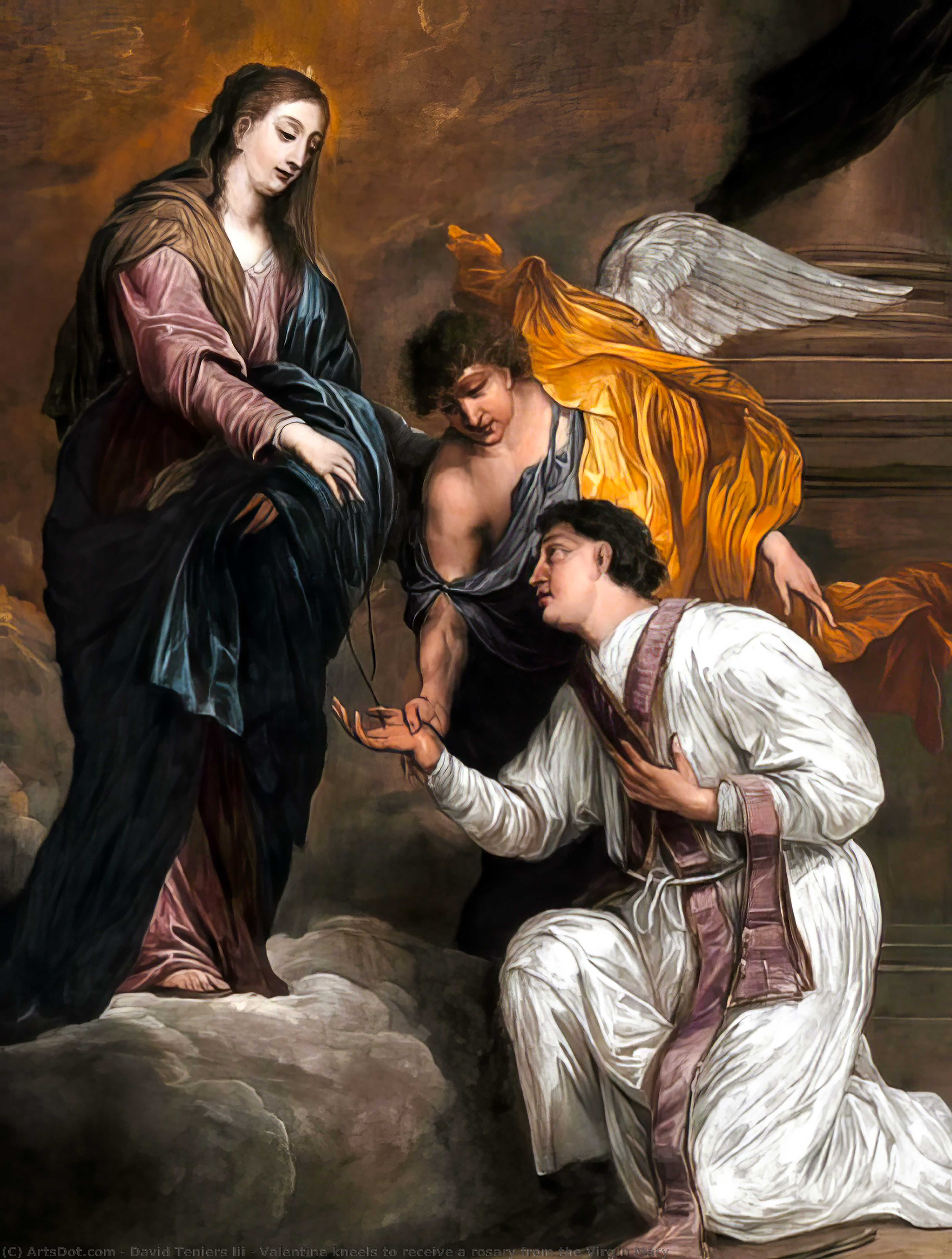
Valentine kneels to receive a rosary from the Virgin Mary


 Читать далее
Приобретите цифровое изображение высокого разрешения в улучшенном качестве, которое значительно превосходит онлайн-превью.
Каждый файл тщательно подготавливается нашими специалистами с использованием передовых инструментов и экспертной ручной ретуши. Мы гарантируем исключительную четкость, точную цветопередачу и детальную проработку каждого изображения.
Финальный файл доставляется по электронной почте в течение 72 часов и оптимизирован для немедленного использования в профессиональной среде, при верстке и печати. Это тот же уровень качества, которому доверяют ведущие дизайнерские студии, издательства и галереи.
Цифровое изображение
Скачайте файл высокого разрешения для личного использования, печати и творческих проектов. ( Перейти к печати Купить картину ручной работы)
Включено в каждый заказ цифровых изображений
Гарантия экспертной цифровой доставки
Выбирая ArtsDot.com, вы получаете не просто изображение — вы приобретаете профессионально обработанное цифровое произведение искусства, созданное с безупречной точностью и под защитой гарантии качества. Вот всё, что автоматически входит в ваш заказ:

Мгновенная доставка по e-mail
Ваш цифровой файл в высоком разрешении будет отправлен вам по электронной почте в течение 72 часов после оформления заказа — и сразу станет доступен для использования.

Цифровой файл с ИИ-улучшением
Ваше произведение искусства проходит профессиональную оптимизацию с использованием передовых инструментов ИИ и ручной обработки, что гарантирует максимальную детализацию, четкость и точность цветопередачи.

Бессрочная бесплатная повторная доставка
Случайно удалили или потеряли файл? Не беспокойтесь — мы отправим его вам повторно в любое время и совершенно бесплатно.

Без импортных пошлин — навсегда
Наслаждайтесь вашим произведением искусства мгновенно без таможенных пошлин, сборов или затрат на доставку — цифровые загрузки всегда не облагаются налогом.

Гарантия точности цветопередачи
Мы гарантируем, что ваше цифровое изображение максимально точно передает оригинальные цвета благодаря использованию профессиональных инструментов и систем управления цветом.

Гарантия удовлетворенности 100 дней
Если вы не будете удовлетворены своим цифровым изображением, мы внесем правки или вернем 100% стоимости в течение 100 дней — без лишних вопросов.

100% Гарантия возврата средств
Не удовлетворены покупкой? Получите полный возврат средств в течение 100 дней после получения цифрового файла — без лишних вопросов.

Скидки на оптовые заказы
Купите 3 изображения, сэкономьте 10% — Купите 5, сэкономьте 15% — Купите 10+, сэкономьте 20%. Отличное решение для творческих проектов, галерей и агентств.
A Divine Encounter in Flemish Baroque
In the quiet, luminous realm of David Teniers the Elder’s "Valentine kneels to receive a rosary from the Virgin Mary," the boundary between the earthly and the divine dissolves into a single, breathless moment of devotion. This masterpiece serves as a profound window into the spiritual fervor of the 17th-century Flemish Baroque era, a period where light was not merely a physical phenomenon but a vessel for grace. The composition centers on the figure of Valentine, captured in a state of humble surrender. Clad in a pristine white robe that catches the celestial glow, he kneels with hands clasped in fervent prayer, his entire being focused on the Virgin Mary. As she extends a rosary toward him, the act becomes more than a simple gesture; it is a sacred transmission of faith, a tangible link between the mortal soul and the heavens.
The artist’s mastery of atmosphere is nothing short of spellbinding. Teniers, who studied under the legendary Rubens and Elsheimer, brings a sophisticated command of chiaroscuro to this scene. The subtle interplay of light and shadow does more than provide depth; it directs the viewer's eye through a celestial hierarchy. Surrounding the central figures, a host of angels drifts through the ether, their presence adding a layer of ethereal texture and rhythmic movement to the composition. These heavenly witnesses create a sense of profound reverence, enveloping the kneeling Valentine in a protective, spiritual embrace that feels both intimate and monumental.
The Artistry of Devotion and Detail
Beyond its religious narrative, the painting is a triumph of technical skill and textural realism. Teniers the Elder possessed a rare ability to blend the grandiosity of historical painting with an almost tactile intimacy. Every fold in Valentine’s white garment, every delicate feature of the surrounding angels, and the intricate beads of the rosary itself are rendered with a precision that invites close inspection. The use of light serves as a narrative tool, illuminating the expressions of piety on the subjects' faces and casting a soft, divine radiance that seems to emanate from within the canvas itself.
For the discerning collector or interior designer, this artwork offers much more than mere decoration; it provides an emotional anchor for any space. The painting’s themes of steadfast faith and spiritual connection possess a timeless resonance, making it a captivating centerpiece for a study, a private chapel, or a sophisticated living area. A high-quality oil reproduction of this work allows the subtle nuances of Teniers' brushwork—the soft transitions of skin tones and the luminous depth of the background—to be experienced in their full glory.
To possess such a piece is to invite a sense of tranquility and contemplation into one's environment. It stands as a testament to the enduring power of the Baroque tradition, reminding us that even in a modern world, there remains a deep, human longing for the sacred and the sublime. Whether viewed as a historical treasure or a contemporary inspiration, "Valentine kneels to receive a rosary from the Virgin Mary" continues to evoke a sense of wonder, capturing the very essence of a soul in communion with the divine.
Похожие произведения

Биография художника
A Legacy of Light and Life: The World of David Teniers the Elder
In the heart of the 17th-century Flemish Baroque era, a period defined by dramatic movement and profound emotional depth, David Teniers the Elder emerged as a master capable of finding extraordinary beauty in the most ordinary moments. Born in Antwerp around 1582, Teniers was not merely an observer of his time but a vital participant in its artistic evolution. His life was woven into the very fabric of the Antwerp art scene, stemming from a lineage of creators that included his father, Jan Teniers I, and his brother, Juliaen. This immersion in a domestic atmosphere of pigments, brushes, and canvas provided him with a foundational mastery that would later allow him to navigate both the grandiosity of religious commissions and the intimate charm of rural landscapes.
The trajectory of Teniers’ talent was significantly shaped by the giants of his age. While his early training began under the watchful eye of his brother, his artistic soul was truly ignited in the studio of Peter Paul Rubens. To study under Rubens was to enter a crucible of innovation, where the interplay of light, shadow, and dynamic composition reigned supreme. This influence is etched into Teniers’ work through a sophisticated use of color and an expressive brushwork that breathes life into every subject. Furthermore, his travels to Rome allowed him to absorb the classical nuances of Adam Elsheimer, adding a layer of atmospheric depth and historical weight to his compositions. These diverse influences coalescent into a style that was uniquely his own—a bridge between the monumental Baroque tradition and a more grounded, humanist observation of the world.
The Art of the Everyday: Genre and Landscape
While many of his contemporaries sought glory in grand mythological or historical narratives, Teniers found his true calling in the celebration of the Flemish landscape and the spirited scenes of peasant life. He possessed a rare, empathetic eye for the genre painting, capturing the conviviality of tavern gatherings, the rustic joy of rural festivities, and the quiet dignity of the working class. His canvases often hum with a playful spirit, inviting the viewer to witness the unvarnished reality of 17th-century life through a lens of gentle humor and meticulous detail.
His landscapes are equally captivating, serving as more than mere backdrops for his figures. Instead, they are living, breathing environments characterized by:
- Atmospheric Perspective: A masterful ability to create depth, leading the eye from the textured foreground into misty, distant horizons.
- Luminous Detail: The careful rendering of light filtering through foliage or reflecting off a simple village path.
- Narrative Integration: A seamless blending of human activity with the natural world, suggesting a profound connection between man and his environment.
Even when venturing into more solemn territory, such as his religious works like "Valentine kneels to receive a rosary from the Virgin Mary," Teniers maintained his signature ability to blend realism with spiritual reverence. In these pieces, he utilized light and shadow not just for dramatic effect, but to guide the viewer’s devotion, making the divine feel tangibly present within the earthly realm.
Historical Significance and Artistic Endurance
The historical importance of David Teniers the Elder lies in his role as a pioneer of a more intimate Baroque aesthetic. He helped shift the artistic gaze from the heavens down to the earth, proving that the lives of peasants and the quietude of the countryside were worthy subjects of high art. His work provided a vital counterpoint to the grandiosity of Rubens, offering a sense of relatability and humanism that resonated deeply with the burgeoning middle class of Flanders.
His legacy is not only found in his surviving canvases but also in the continuation of the Teniers artistic dynasty. Through his descendants, including the celebrated David Teniers the Younger, his influence on Flemish genre painting persisted for decades. Today, we look back at the Elder as a painter who mastered the art of the subtle—an artist who could find the epic within the everyday and leave behind a visual record of an era defined by both its struggles and its profound, simple joys.
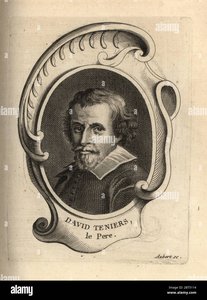
David Teniers the Elder
1582 - 1649 , Belgium
Основные сведения
- Artistic Movement Or Style: Late Mannerism
- Artists Or Movements Influenced By This Artist: ['Rubens']
- Artists Who Influenced This Artist:
- Peter Paul Rubens
- Elsheimer
- Date Of Birth: 1582 Antwerp Belgium
- Date Of Death: 1649 Antwerp Belgium
- Full Name: David Teniers the Elder
- Nationality: Flemish
- Notable Artworks:
- Valentine kneels to receive a rosary from the virgin mary
- Landscape with the ruins of mount palatine in rome
- The Temptation of St Anthony
- The Gamblers
- Place Of Birth: Antwerp Belgium