

 Предпросмотр
 Поделиться
 Поделиться
 Детали произведения

 Скачать
 Похожие работы
 Рентгенография
 Слайд-шоу
 Статистика
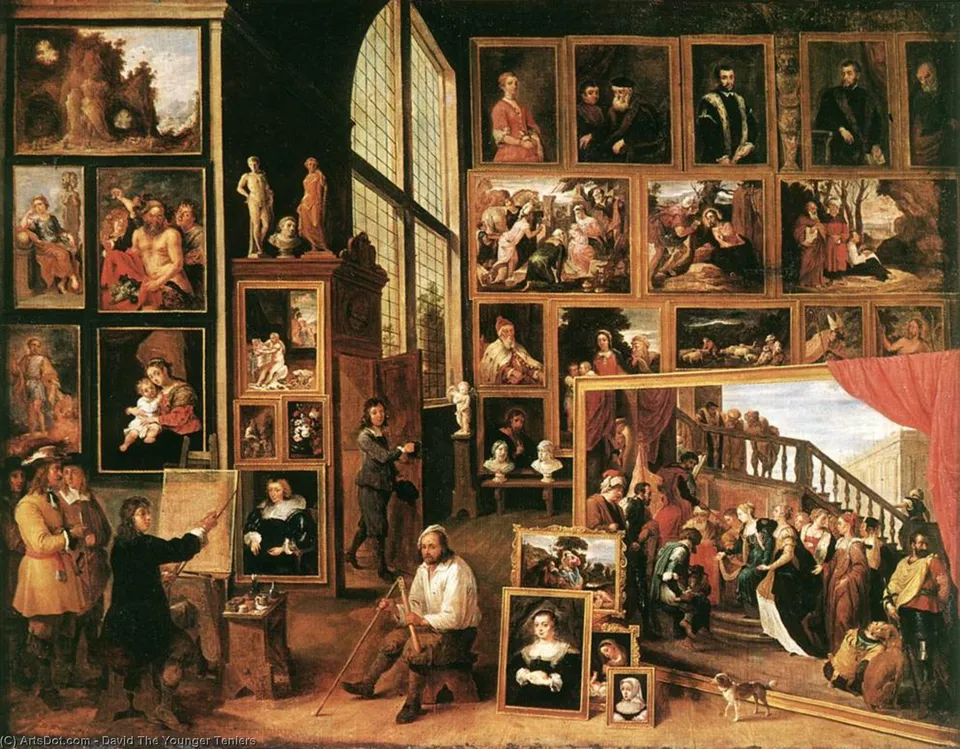
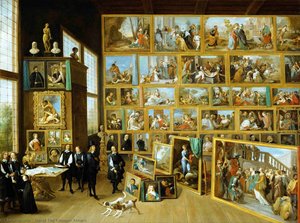
The Gallery of Archduke Leopold in Brussels
 Acrylic On Canvas
- WallArt
- Baroque
 1639
1639 96.0 x 128.0 cm
 Staatsgalerie Stuttgart
 Читать далее
Приобретите цифровое изображение высокого разрешения в улучшенном качестве, которое значительно превосходит онлайн-превью.
Каждый файл тщательно подготавливается нашими специалистами с использованием передовых инструментов и экспертной ручной ретуши. Мы гарантируем исключительную четкость, точную цветопередачу и детальную проработку каждого изображения.
Финальный файл доставляется по электронной почте в течение 72 часов и оптимизирован для немедленного использования в профессиональной среде, при верстке и печати. Это тот же уровень качества, которому доверяют ведущие дизайнерские студии, издательства и галереи.
Цифровое изображение
Скачайте файл высокого разрешения для личного использования, печати и творческих проектов. ( Перейти к печати Купить картину ручной работы)
Включено в каждый заказ цифровых изображений
Гарантия экспертной цифровой доставки
Выбирая ArtsDot.com, вы получаете не просто изображение — вы приобретаете профессионально обработанное цифровое произведение искусства, созданное с безупречной точностью и под защитой гарантии качества. Вот всё, что автоматически входит в ваш заказ:

Мгновенная доставка по e-mail
Ваш цифровой файл в высоком разрешении будет отправлен вам по электронной почте в течение 72 часов после оформления заказа — и сразу станет доступен для использования.

Цифровой файл с ИИ-улучшением
Ваше произведение искусства проходит профессиональную оптимизацию с использованием передовых инструментов ИИ и ручной обработки, что гарантирует максимальную детализацию, четкость и точность цветопередачи.

Бессрочная бесплатная повторная доставка
Случайно удалили или потеряли файл? Не беспокойтесь — мы отправим его вам повторно в любое время и совершенно бесплатно.

Без импортных пошлин — навсегда
Наслаждайтесь вашим произведением искусства мгновенно без таможенных пошлин, сборов или затрат на доставку — цифровые загрузки всегда не облагаются налогом.

Гарантия точности цветопередачи
Мы гарантируем, что ваше цифровое изображение максимально точно передает оригинальные цвета благодаря использованию профессиональных инструментов и систем управления цветом.

Гарантия удовлетворенности 100 дней
Если вы не будете удовлетворены своим цифровым изображением, мы внесем правки или вернем 100% стоимости в течение 100 дней — без лишних вопросов.

100% Гарантия возврата средств
Не удовлетворены покупкой? Получите полный возврат средств в течение 100 дней после получения цифрового файла — без лишних вопросов.

Скидки на оптовые заказы
Купите 3 изображения, сэкономьте 10% — Купите 5, сэкономьте 15% — Купите 10+, сэкономьте 20%. Отличное решение для творческих проектов, галерей и агентств.
David Teniers the Younger’s Vision of Aristocratic Taste: “The Gallery of Archduke Leopold in Brussels”
“The Gallery of Archduke Leopold in Brussels,” painted by David Teniers the Younger in 1639, stands as a testament to the burgeoning Baroque aesthetic and the opulent patronage prevalent during the Habsburg reign. More than just a depiction of a room filled with paintings—though it undeniably is—the artwork embodies a carefully constructed narrative designed to convey prestige, erudition, and the humanist ideals championed by Rubens’ circle. This detailed portrayal captures not merely visual splendor but also an intellectual ambition that reflects the cultural landscape of its time.A Baroque Symphony of Color and Composition
Teniers skillfully employs Baroque techniques—characterized by dramatic chiaroscuro, rich pigments, and dynamic spatial arrangements—to create a scene brimming with life and grandeur. The artist’s masterful use of light casts shadows across the walls adorned with an impressive collection of artworks, highlighting their textures and colors. Notice particularly the meticulous rendering of drapery folds and surfaces, demonstrating Teniers' dedication to realism within the stylistic framework of Baroque art. The composition itself is deliberately balanced, guiding the viewer’s eye through a series of interconnected vignettes that contribute to the overall impression of sophistication.Historical Context: Brussels Under Habsburg Rule
The painting emerged during a period of significant artistic innovation in Antwerp and Brussels—cities under Habsburg dominion—where Rubens' influence was paramount. Archduke Leopold Wilhelm, ruler of Brabant and Luxembourg, commissioned this gallery as a symbol of his noble lineage and intellectual pursuits. Such commissions were common among European aristocrats eager to demonstrate their cultural sophistication and solidify their position within the political hierarchy. The artwork reflects the broader humanist movement that sought to revive classical ideals alongside Christian piety—a trend powerfully expressed in Rubens’ monumental canvases and influencing artists across Europe.Symbolism Within the Decorative Ensemble
Beyond its formal beauty, “The Gallery” is laden with symbolic meaning. Each painting contributes to a carefully orchestrated visual dialogue, representing virtues such as wisdom, justice, prudence, and fortitude – qualities considered essential for rulers and cultivated within humanist education. The abundance of artwork speaks to the importance of learning and scholarship—values highly prized by the Habsburg court. Furthermore, the gallery’s setting itself reinforces the idea of enclosed space and contemplation, mirroring the intellectual atmosphere of the Renaissance and Baroque eras.Emotional Impact: Capturing Prestige and Ideal Beauty
Ultimately, Teniers succeeds in conveying a profound sense of prestige and idealized beauty. The viewer is transported into a world of aristocratic refinement where art serves as both decoration and emblem of status. The painting’s luminous colors and masterful brushwork evoke feelings of admiration for artistic skill and intellectual accomplishment. “The Gallery of Archduke Leopold in Brussels” remains an enduring masterpiece, not only for its technical brilliance but also for its ability to encapsulate the spirit of a transformative period in European art history—a celebration of humanist values and aristocratic patronage that continues to inspire awe and contemplation today.Похожие произведения


Биография художника
David Teniers the Younger: A Master of Flemish Life
David Teniers the Younger, born in Antwerp on December 15, 1610, was a pivotal figure in the artistic landscape of 17th-century Flanders. His life intertwined with the rich artistic heritage of his family – his father, David Teniers the Elder, was himself a respected painter – and he ultimately became renowned for his vibrant depictions of everyday Flemish life, capturing the spirit of a nation through scenes of bustling markets, lively tavern interiors, and joyous peasant festivals. His legacy extends beyond mere representation; Teniers’ work offers a remarkably intimate glimpse into a bygone era, imbued with both realism and an undeniable charm.Early Training and Influences: A Foundation in Tradition
Teniers' artistic journey began within the familiar walls of his father’s workshop. Initially, he honed his skills by meticulously copying older master paintings – a common practice among young artists seeking to establish a foundation in technique and style. This early apprenticeship instilled in him a deep appreciation for the traditions of Flemish painting, particularly the works of Pieter Bruegel the Elder, whose detailed landscapes and depictions of peasant life served as a significant inspiration. However, a truly transformative moment arrived through his marriage to Anna Brueghel, daughter of Jan Brueghel the Elder – a connection that brought him into close contact with Peter Paul Rubens himself. Rubens, recognizing Teniers’ potential, became a witness at their wedding, forging a bond that profoundly influenced the younger artist's development. This association exposed Teniers to Rubens’ dynamic compositions, masterful use of color, and dramatic lighting, elements which would later become hallmarks of his own style.The Rise of Genre Painting: Capturing the Essence of Flemish Life
While initially focused on smaller-scale cabinet paintings – intimate scenes often commissioned by wealthy patrons – Teniers gradually shifted his attention to genre painting, a burgeoning artistic trend that sought to depict everyday life with remarkable accuracy and detail. He became particularly celebrated for his “Flemish Kermesses,” elaborate peasant festivals brimming with dancing, drinking, games, and an infectious sense of merriment. These paintings are not merely illustrations of festive occasions; they are vibrant celebrations of Flemish culture, capturing the energy and spirit of a community united in revelry. Alongside these joyous scenes, Teniers excelled at portraying tavern interiors – bustling establishments filled with patrons enjoying food, drink, and conversation – offering a realistic and often humorous portrayal of daily life. His landscapes, too, were imbued with a keen eye for detail, frequently incorporating figures engaged in rural activities such as farming and harvesting.Court Painter and Curator: A Patron’s Favor
Teniers' talent quickly gained recognition at the Habsburg court, leading to his appointment as a court painter and curator for Archduke Leopold Wilhelm, the Governor General of the Spanish Netherlands. This prestigious position afforded him access to an extensive collection of art, which he meticulously cataloged and managed. His role extended beyond mere administration; he actively sought out new works for the Archduke’s collection, contributing significantly to its growth and prestige. The patronage of Leopold Wilhelm provided Teniers with financial stability and a platform to showcase his artistic abilities, further solidifying his position as one of Flanders' leading artists. He also played a vital role in establishing the Antwerp Academy of Fine Arts, an ambitious project aimed at revitalizing Flemish painting after a period of relative decline following the deaths of Rubens and Van Dyck.A Lasting Legacy: Influence and Recognition
David Teniers the Younger died in Antwerp on April 25, 1690, leaving behind a vast body of work that continues to captivate audiences today. His paintings are characterized by their vibrant colors, meticulous detail, and an uncanny ability to capture the essence of Flemish life. He was considered the leading Flemish genre painter of his time, offering a unique perspective on a rapidly changing world. His influence extended far beyond his own lifetime, inspiring subsequent generations of Northern European painters, including those in France who were beginning to embrace the Rococo style. Teniers’ work remains a testament to the enduring appeal of depicting everyday life with both accuracy and artistry – a window into a vibrant past that continues to resonate with viewers centuries later. His prolific output and his significant contribution to Flemish art ensure his place as one of the most important figures in the history of painting.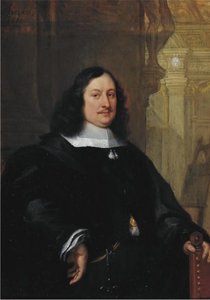
Дэвид Теньер Старший
1610 - 1690 , Бельгия
Основные сведения
- Artistic Movement Or Style: Барокко
- Artists Or Movements Influenced By This Artist: ['Аттенейр']
- Artists Who Influenced This Artist:
- Рембрандт
- Рубенс
- Date Of Birth: 1610
- Date Of Death: 1690
- Full Name: David Teniers the Younger
- Nationality: Фламандский
- Notable Artworks:
- Два пьяницы
- Сельский пейзаж
- Таверна
- Place Of Birth: Антверпен, Бельгия