 Предпросмотр
 Поделиться
 Поделиться
 Детали произведения

 Скачать
 Похожие работы
 Рентгенография
 Слайд-шоу
 Статистика
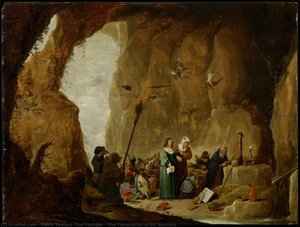
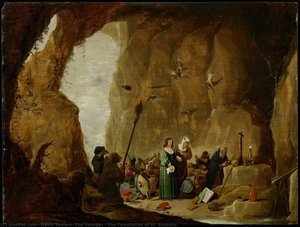
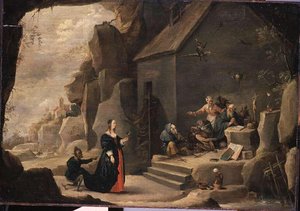
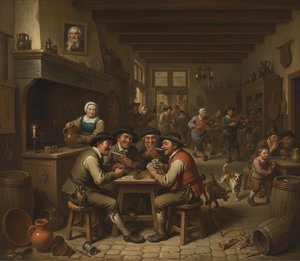
The Temptation of St Anthony
 Acrylic On Canvas
- WallArt
- Baroque Painting
 1640
1640 22.0 x 16.0 cm
 Лувр
Лувр
 Читать далее
Масляная репродукция ручной работы
Картина маслом на холсте в выбранном вами размере и раме, написанная на заказ нашими художниками. ( Перейти к печати Перейти к цифровым изображениям)




P118B $10

P118H $10

P118W $10

P438Z $10

P508JH $12

P508YH $12

P805H $10

P805Z $10

P919BZ $10

P919G $10

P919XJ $10

P959ZH $10

P968JZ $12

W106C $8

W218G $10

W218JH $8

W218Y $10

W307PJ $10

W316G $10

W316PJ $8

W316Y $10

W398PJ $8

W4111J $10

W500HY $15

W500JH $15

W692G $12

W849H $8

W940BG $15

W953PJ $8




Выберите один из наших стандартных размеров, соответствующих оригинальным пропорциям произведения искусства.

Вы можете указать собственные размеры, чтобы картина идеально вписалась в выбранную раму или пространство. Если выбранный вами размер не соответствует пропорциям оригинала, мы либо обрежем полотно, либо расширим его за счет дополнительных элементов, написанных вручную. Цифровой макет будет отправлен вам на утверждение перед началом производства.
Обратите внимание, что предварительный просмотр на экране не отражает фактическую обрезку или расширение. Только макет точно покажет окончательную композицию.
Хотя доступны индивидуальные размеры, мы рекомендуем выбирать вариант из предопределенного списка, чтобы сохранить исходные пропорции.
После оформления заказа команда ArtsDot.com свяжется с клиентом по электронной почте для уточнения деталей и предоставит предварительный макет
Доставка по всему миру () за 3–4 недели вместо стандартных 5 недель. (12 Сентябрь). Без компромиссов в качестве.

Бесплатная экспресс-доставка по всему миру

Высококачественный льняной холст

Полное страхование доставки

Гарантия возмещения таможенных пошлин

Гарантия точного соответствия цветов

100-дневная политика возврата (только при обнаружении дефектов)

Гарантия возврата 100% средств

Предложение оптовых скидок
 Вариант со стеклом доступен только для размеров менее 110 см

The Temptation of St Anthony
Техника репродукции
Размер репродукции
-


Итоговая стоимость
$ 263
A Descent into Temptation: David Teniers the Younger’s “The Temptation of St. Anthony”
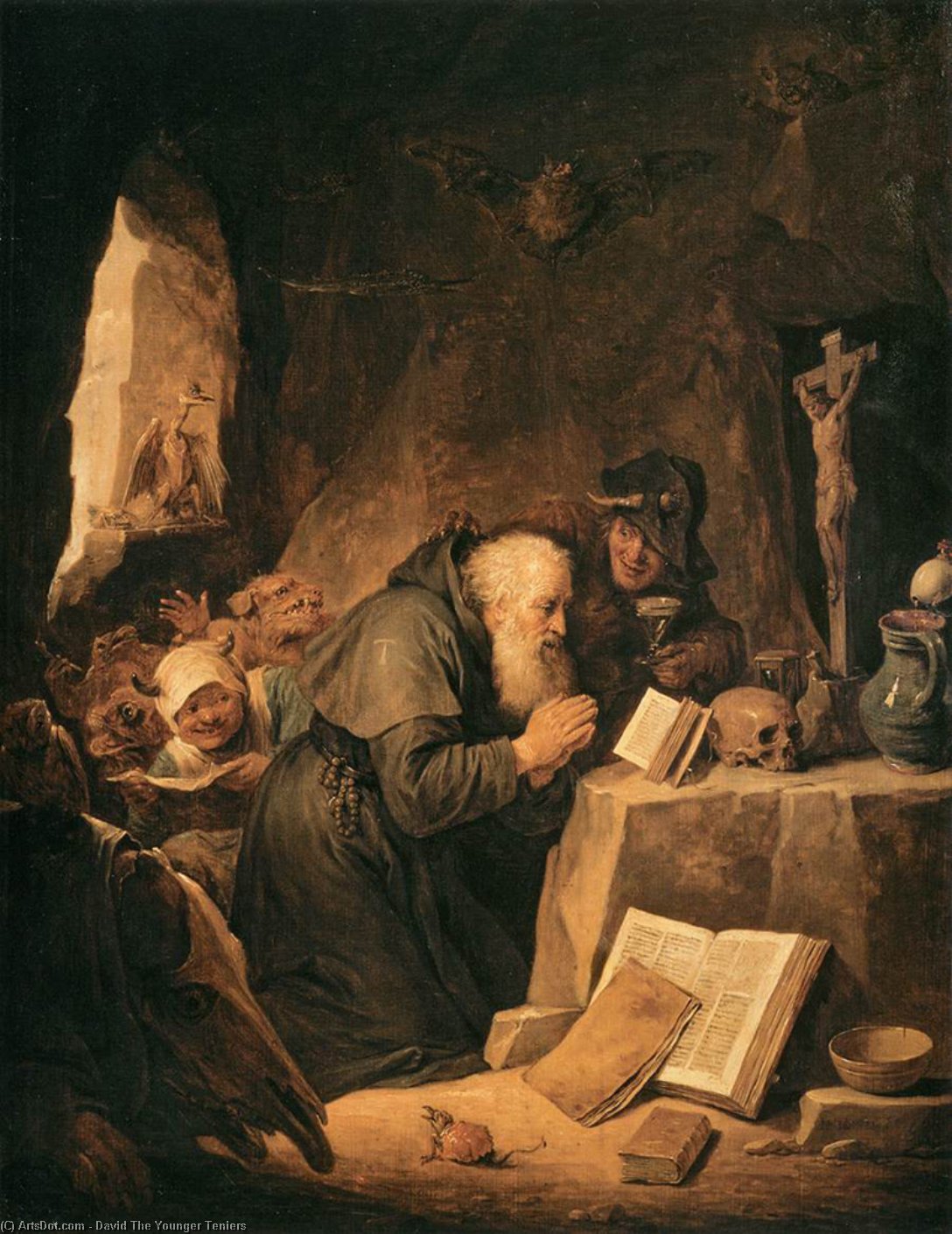
David Teniers the Younger's "The Temptation of St. Anthony," painted in 1640, is more than just a depiction of a biblical scene; it’s a meticulously rendered tableau of human desire and spiritual struggle, steeped in the rich traditions of Flemish art. The painting transports us to an intimate, almost claustrophobic grotto, illuminated by flickering candlelight that casts dramatic shadows across the figures and furnishings. It's a work brimming with detail, inviting close inspection and revealing layers of symbolism that speak volumes about the complexities of faith and temptation.
The scene centers on St. Anthony, kneeling in fervent prayer before a table laden with earthly delights – a bowl, books, and, most strikingly, two human skulls. These aren’t merely props; they represent the very temptations that plague the saint: worldly pleasures, mortality, and the allure of sin. The figures surrounding him are equally significant. A young man, seemingly offering a goblet, embodies sensual indulgence, while another, perhaps representing demonic influence, lurks in the background, his presence subtly unsettling. The setting itself – an underground cave or grotto – reinforces the idea of a solitary battle waged within the soul, removed from the distractions of the outside world.
A Masterclass in Flemish Technique
Teniers’ skill as a painter is immediately apparent in the meticulous rendering of textures and materials. The rough-hewn stone walls of the grotto are convincingly portrayed, while the folds of St. Anthony's robe and the sheen of the table are rendered with remarkable realism. He employed a technique known as *alla prima*, working directly onto the canvas without extensive underpainting, resulting in a vibrant, immediate quality to the colors and forms. The use of chiaroscuro – the dramatic contrast between light and shadow – is particularly effective, heightening the sense of drama and emphasizing the emotional intensity of the scene. The subtle gradations of color and the careful modeling of the figures demonstrate Teniers’ mastery of oil paint, a medium he expertly manipulated to achieve both luminous effects and precise detail.
Historical Context and Artistic Influences
Painted in Antwerp during the Golden Age of Flemish art, “The Temptation of St. Anthony” reflects the prevailing religious piety and artistic conventions of the period. The subject itself – the temptation of St. Anthony by demons – was a popular theme among Northern Renaissance artists, often used to explore moral and spiritual themes. Teniers’ work is deeply rooted in the traditions of his father, David Teniers the Elder, but also demonstrates an influence from Peter Paul Rubens, particularly in his use of color and dynamic composition. Notably, Teniers' early career involved copying older masterworks to support his family, a practice that honed his observational skills and deepened his understanding of artistic principles.
Symbolism and Emotional Resonance
Beyond the immediate narrative, “The Temptation of St. Anthony” is rich in symbolic meaning. The skulls serve as potent reminders of human mortality and the fleeting nature of earthly pleasures. The books represent knowledge and wisdom, yet they are juxtaposed with the temptations that can lead one astray. The act of kneeling in prayer signifies a desperate plea for divine guidance. Ultimately, the painting captures a profound sense of inner turmoil – the struggle between faith and desire, virtue and temptation. It’s not merely a story of a saint's ordeal but an exploration of the universal human condition: our constant battle against our own weaknesses and our yearning for something beyond ourselves.
A Timeless Image for Collectors and Designers
Reproduced faithfully in this exquisite 22 x 16 cm artwork, “The Temptation of St. Anthony” retains its power to move and inspire. Its dramatic composition, masterful technique, and profound symbolism make it a compelling addition to any art collection or interior space. The painting’s evocative atmosphere and exploration of timeless themes ensure that it will continue to resonate with viewers for generations to come. Consider this piece as more than just decoration; it's an invitation to contemplate the complexities of faith, temptation, and the enduring human spirit.
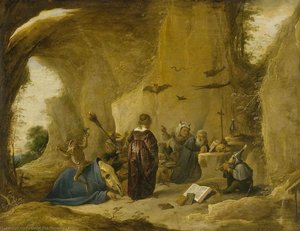
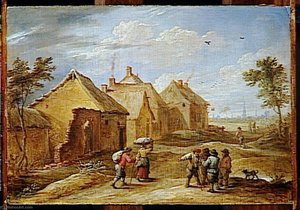
Похожие произведения
Биография художника
David Teniers the Younger: A Master of Flemish Life
David Teniers the Younger, born in Antwerp on December 15, 1610, was a pivotal figure in the artistic landscape of 17th-century Flanders. His life intertwined with the rich artistic heritage of his family – his father, David Teniers the Elder, was himself a respected painter – and he ultimately became renowned for his vibrant depictions of everyday Flemish life, capturing the spirit of a nation through scenes of bustling markets, lively tavern interiors, and joyous peasant festivals. His legacy extends beyond mere representation; Teniers’ work offers a remarkably intimate glimpse into a bygone era, imbued with both realism and an undeniable charm.Early Training and Influences: A Foundation in Tradition
Teniers' artistic journey began within the familiar walls of his father’s workshop. Initially, he honed his skills by meticulously copying older master paintings – a common practice among young artists seeking to establish a foundation in technique and style. This early apprenticeship instilled in him a deep appreciation for the traditions of Flemish painting, particularly the works of Pieter Bruegel the Elder, whose detailed landscapes and depictions of peasant life served as a significant inspiration. However, a truly transformative moment arrived through his marriage to Anna Brueghel, daughter of Jan Brueghel the Elder – a connection that brought him into close contact with Peter Paul Rubens himself. Rubens, recognizing Teniers’ potential, became a witness at their wedding, forging a bond that profoundly influenced the younger artist's development. This association exposed Teniers to Rubens’ dynamic compositions, masterful use of color, and dramatic lighting, elements which would later become hallmarks of his own style.The Rise of Genre Painting: Capturing the Essence of Flemish Life
While initially focused on smaller-scale cabinet paintings – intimate scenes often commissioned by wealthy patrons – Teniers gradually shifted his attention to genre painting, a burgeoning artistic trend that sought to depict everyday life with remarkable accuracy and detail. He became particularly celebrated for his “Flemish Kermesses,” elaborate peasant festivals brimming with dancing, drinking, games, and an infectious sense of merriment. These paintings are not merely illustrations of festive occasions; they are vibrant celebrations of Flemish culture, capturing the energy and spirit of a community united in revelry. Alongside these joyous scenes, Teniers excelled at portraying tavern interiors – bustling establishments filled with patrons enjoying food, drink, and conversation – offering a realistic and often humorous portrayal of daily life. His landscapes, too, were imbued with a keen eye for detail, frequently incorporating figures engaged in rural activities such as farming and harvesting.Court Painter and Curator: A Patron’s Favor
Teniers' talent quickly gained recognition at the Habsburg court, leading to his appointment as a court painter and curator for Archduke Leopold Wilhelm, the Governor General of the Spanish Netherlands. This prestigious position afforded him access to an extensive collection of art, which he meticulously cataloged and managed. His role extended beyond mere administration; he actively sought out new works for the Archduke’s collection, contributing significantly to its growth and prestige. The patronage of Leopold Wilhelm provided Teniers with financial stability and a platform to showcase his artistic abilities, further solidifying his position as one of Flanders' leading artists. He also played a vital role in establishing the Antwerp Academy of Fine Arts, an ambitious project aimed at revitalizing Flemish painting after a period of relative decline following the deaths of Rubens and Van Dyck.A Lasting Legacy: Influence and Recognition
David Teniers the Younger died in Antwerp on April 25, 1690, leaving behind a vast body of work that continues to captivate audiences today. His paintings are characterized by their vibrant colors, meticulous detail, and an uncanny ability to capture the essence of Flemish life. He was considered the leading Flemish genre painter of his time, offering a unique perspective on a rapidly changing world. His influence extended far beyond his own lifetime, inspiring subsequent generations of Northern European painters, including those in France who were beginning to embrace the Rococo style. Teniers’ work remains a testament to the enduring appeal of depicting everyday life with both accuracy and artistry – a window into a vibrant past that continues to resonate with viewers centuries later. His prolific output and his significant contribution to Flemish art ensure his place as one of the most important figures in the history of painting.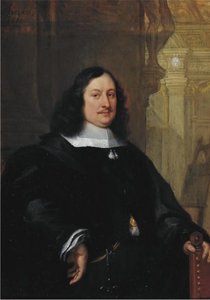
Дэвид Теньер Старший
1610 - 1690 , Бельгия
Основные сведения
- Artistic Movement Or Style: Барокко
- Artists Or Movements Influenced By This Artist: ['Аттенейр']
- Artists Who Influenced This Artist:
- Рембрандт
- Рубенс
- Date Of Birth: 1610
- Date Of Death: 1690
- Full Name: David Teniers the Younger
- Nationality: Фламандский
- Notable Artworks:
- Два пьяницы
- Сельский пейзаж
- Таверна
- Place Of Birth: Антверпен, Бельгия
Похожие статьи

The Visceral Stage: Exploring Dramatic Narratives & Emotional Intensity in Baroque Art
Explore the dramatic world of Baroque art! Discover iconic masters like Caravaggio & Rembrandt, their techniques, and the movement's lasting impact. Expert insights for collectors & enthusiasts at ArtsDot.
David Teniers the Younger: Genre Painting & Social Commentary in Baroque Flanders
Explore the captivating world of David Teniers the Younger, a leading Flemish Baroque painter. Discover his genre scenes, social commentary, and lasting influence on 17th-century art. Learn about his life, techniques & legacy.

Барочная драма: Искусство величия в современном интерьере
Погрузитесь в мир роскоши и величия барокко! Узнайте об истории стиля, ключевых элементах интерьера и архитектуре. Вдохновляйтесь с и создайте свой неповторимый дизайн.
David Teniers II: Master of Flemish Genre & Social Commentary
Explore the captivating world of David Teniers II, a leading Flemish Baroque painter renowned for his lively genre scenes & insightful social commentary. Discover his masterpieces and legacy with ArtsDot.

The Dramatic Flourish: Exploring the Baroque Movement's Enduring Legacy in Art History
Explore the dramatic world of Baroque art! Discover iconic artists like Caravaggio & Rubens, defining techniques, and its lasting impact on art history. Expert insights for collectors & enthusiasts at ArtsDot.