Предпросмотр
 Поделиться
 Поделиться
 Детали произведения

 Скачать
 Похожие работы
 Рентгенография
 Слайд-шоу
 Статистика
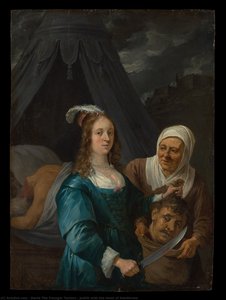
The Woman Taken in Adultery (copy after Titian)
 Oil
Oil- WallArt
- Baroque Painting
 Early Modern
 17.0 x 23.0 cm
 Уоллоус Коллекшн
 Читать далее
Жикле / Арт-принт
Печать (жикле) или холст музейного качества с быстрыми сроками изготовления и широким выбором вариантов отделки. ( Купить картину ручной работы Перейти к цифровым изображениям)




P118B $10

P118H $10

P118W $10

P438Z $10

P508JH $12

P508YH $12

P805H $10

P805Z $10

P919BZ $10

P919G $10

P919XJ $10

P959ZH $10

P968JZ $12

W106C $8

W218G $10

W218JH $8

W218Y $10

W307PJ $10

W316G $10

W316PJ $8

W316Y $10

W398PJ $8

W4111J $10

W500HY $15

W500JH $15

W692G $12

W849H $8

W940BG $15

W953PJ $8
Выберите один из наших стандартных размеров, соответствующих оригинальным пропорциям произведения искусства.

Вы можете указать свои собственные размеры, чтобы репродукция идеально подошла под конкретную раму или пространство. Если выбранный вами размер не будет соответствовать пропорциям оригинала, мы либо обрежем произведение, либо дополним изображение зеркальным отражением краев или однотонной заливкой. Перед началом производства вам будет отправлен цифровой макет для утверждения.
Пожалуйста, обратите внимание, что предварительный просмотр на экране не отображает фактическую обрезку или расширение изображения. Только макет точно покажет финальную композицию.
Несмотря на возможность заказа индивидуальных размеров, мы рекомендуем выбирать размер из предопределенного списка, чтобы сохранить оригинальные пропорции.
Доставка по всему миру () за 2 недели вместо стандартных 4/5 недель. (15 Сентябрь)

Бесплатная экспресс-доставка по всему миру

Высококачественный льняной холст

Полное страхование доставки

Гарантия возмещения таможенных пошлин

Гарантия точного соответствия цветов

100-дневная политика возврата (только при обнаружении дефектов)

Гарантия возврата 100% средств

Предложение оптовых скидок
 Вариант со стеклом доступен только для размеров менее 110 см

The Woman Taken in Adultery (copy after Titian)
Жикле / Арт-принт
Размер репродукции
-


Итоговая стоимость
$ 62
A Dialogue Across Centuries: The Soul of the Masterpiece
In the quiet contemplation of David Teniers the Younger’s "The Woman Taken in Adultery," one finds much more than a mere echo of a predecessor; one encounters a profound dialogue between the Venetian Renaissance and the Flemish Baroque. While the work is a masterful copy after Titian, it transcends simple imitation to become a reimagining of a sacred moment. Teniers, working around 1670, breathes a new, kinetic energy into the composition, bridging the gap between the poised elegance of the 16th century and the dramatic, textured vitality of the 17th century. To gaze upon this piece is to witness a moment frozen in time, where the weight of moral judgment meets the tender vulnerability of the human spirit.
The narrative core of the painting draws from a powerful well of classical and biblical tension. Whether interpreting the scene through the lens of Titian’s Lucretia or the biblical account of Christ and the adulteress, the emotional gravity remains centered on a single figure: a woman caught in the crosshairs of public scrutiny and private shame. Surrounded by a gathering of figures whose gazes are fixed upon her, the subject becomes a focal point of intense psychological drama. The composition expertly balances the stillness of the central figure with the surrounding movement of attendants and mourners, creating an atmosphere that is simultaneously heavy with solemnity and electric with unspoken tension.
Technique and the Mastery of Light
What distinguishes this rendition by Teniers is his sophisticated command of chiaroscuro—the dramatic interplay of light and shadow that defines the Baroque era. Unlike the smoother, more ethereal transitions found in Titian’s original vision, Teniers employs a noticeably looser brushstroke that lends the canvas an immediate, tactile presence. This technique does not merely illuminate the scene; it sculpts the figures, pulling them from the darkness into a sharp, dramatic focus. The light dances across the folds of fabric and the skin of the central figure, emphasizing her vulnerability while casting the surrounding onlookers into a mysterious, atmospheric gloom.
For the discerning collector or interior designer, this painting offers an unparalleled depth of texture and tonal richness. The palette, though rooted in the vibrant traditions of the Venetian masters, is filtered through a Flemish sensibility that favors earthy realism and a sense of lived-in drama. This makes the artwork exceptionally versatile; it possesses the grandeur required for a formal gallery setting yet retains an intimate, emotive quality that allows it to anchor a sophisticated living space or a curated study. It is a piece that does not merely decorate a wall but commands the room, inviting viewers to linger on its complex layers of light and shadow.
An Enduring Legacy for the Modern Collector
Investing in a high-quality reproduction of such a significant work is an act of preserving art history. Teniers’ ability to adapt Titian’s monumental themes into his own distinctive style ensures that this painting remains relevant across generations. It serves as a testament to the enduring power of classical narratives and the evolution of European artistic identity. For those seeking to infuse their environment with intellectual depth and historical resonance, this artwork provides a window into a period where art was used to explore the very essence of morality, honor, and human frailty.
Whether placed in a contemporary minimalist setting to provide a striking historical contrast or integrated into a classical interior to enhance its traditional elegance, "The Woman Taken in Adultery" remains a captivating centerpiece. It is an invitation to reflect on the beauty found within struggle and the timelessness of the human condition, making it a profound addition to any serious collection of fine art.
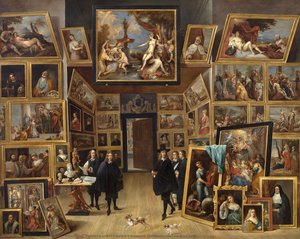
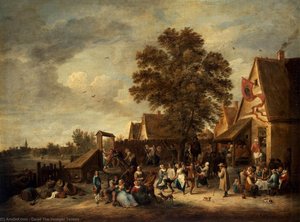
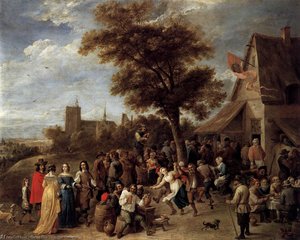
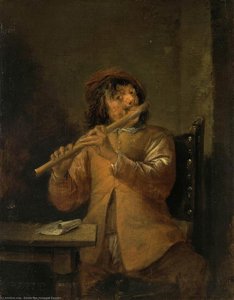
Похожие произведения
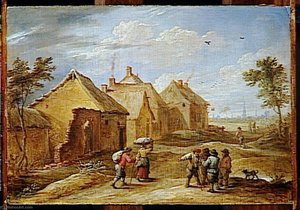
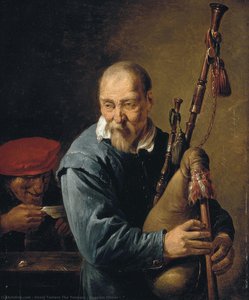
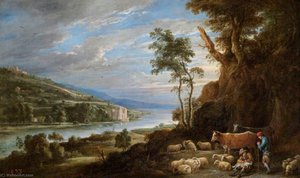

Биография художника
David Teniers the Younger: A Master of Flemish Life
David Teniers the Younger, born in Antwerp on December 15, 1610, was a pivotal figure in the artistic landscape of 17th-century Flanders. His life intertwined with the rich artistic heritage of his family – his father, David Teniers the Elder, was himself a respected painter – and he ultimately became renowned for his vibrant depictions of everyday Flemish life, capturing the spirit of a nation through scenes of bustling markets, lively tavern interiors, and joyous peasant festivals. His legacy extends beyond mere representation; Teniers’ work offers a remarkably intimate glimpse into a bygone era, imbued with both realism and an undeniable charm.Early Training and Influences: A Foundation in Tradition
Teniers' artistic journey began within the familiar walls of his father’s workshop. Initially, he honed his skills by meticulously copying older master paintings – a common practice among young artists seeking to establish a foundation in technique and style. This early apprenticeship instilled in him a deep appreciation for the traditions of Flemish painting, particularly the works of Pieter Bruegel the Elder, whose detailed landscapes and depictions of peasant life served as a significant inspiration. However, a truly transformative moment arrived through his marriage to Anna Brueghel, daughter of Jan Brueghel the Elder – a connection that brought him into close contact with Peter Paul Rubens himself. Rubens, recognizing Teniers’ potential, became a witness at their wedding, forging a bond that profoundly influenced the younger artist's development. This association exposed Teniers to Rubens’ dynamic compositions, masterful use of color, and dramatic lighting, elements which would later become hallmarks of his own style.The Rise of Genre Painting: Capturing the Essence of Flemish Life
While initially focused on smaller-scale cabinet paintings – intimate scenes often commissioned by wealthy patrons – Teniers gradually shifted his attention to genre painting, a burgeoning artistic trend that sought to depict everyday life with remarkable accuracy and detail. He became particularly celebrated for his “Flemish Kermesses,” elaborate peasant festivals brimming with dancing, drinking, games, and an infectious sense of merriment. These paintings are not merely illustrations of festive occasions; they are vibrant celebrations of Flemish culture, capturing the energy and spirit of a community united in revelry. Alongside these joyous scenes, Teniers excelled at portraying tavern interiors – bustling establishments filled with patrons enjoying food, drink, and conversation – offering a realistic and often humorous portrayal of daily life. His landscapes, too, were imbued with a keen eye for detail, frequently incorporating figures engaged in rural activities such as farming and harvesting.Court Painter and Curator: A Patron’s Favor
Teniers' talent quickly gained recognition at the Habsburg court, leading to his appointment as a court painter and curator for Archduke Leopold Wilhelm, the Governor General of the Spanish Netherlands. This prestigious position afforded him access to an extensive collection of art, which he meticulously cataloged and managed. His role extended beyond mere administration; he actively sought out new works for the Archduke’s collection, contributing significantly to its growth and prestige. The patronage of Leopold Wilhelm provided Teniers with financial stability and a platform to showcase his artistic abilities, further solidifying his position as one of Flanders' leading artists. He also played a vital role in establishing the Antwerp Academy of Fine Arts, an ambitious project aimed at revitalizing Flemish painting after a period of relative decline following the deaths of Rubens and Van Dyck.A Lasting Legacy: Influence and Recognition
David Teniers the Younger died in Antwerp on April 25, 1690, leaving behind a vast body of work that continues to captivate audiences today. His paintings are characterized by their vibrant colors, meticulous detail, and an uncanny ability to capture the essence of Flemish life. He was considered the leading Flemish genre painter of his time, offering a unique perspective on a rapidly changing world. His influence extended far beyond his own lifetime, inspiring subsequent generations of Northern European painters, including those in France who were beginning to embrace the Rococo style. Teniers’ work remains a testament to the enduring appeal of depicting everyday life with both accuracy and artistry – a window into a vibrant past that continues to resonate with viewers centuries later. His prolific output and his significant contribution to Flemish art ensure his place as one of the most important figures in the history of painting.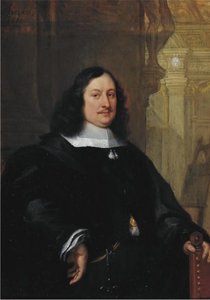
Дэвид Теньер Старший
1610 - 1690 , Бельгия
Основные сведения
- Artistic Movement Or Style: Барокко
- Artists Or Movements Influenced By This Artist: ['Аттенейр']
- Artists Who Influenced This Artist:
- Рембрандт
- Рубенс
- Date Of Birth: 1610
- Date Of Death: 1690
- Full Name: David Teniers the Younger
- Nationality: Фламандский
- Notable Artworks:
- Два пьяницы
- Сельский пейзаж
- Таверна
- Place Of Birth: Антверпен, Бельгия
Похожие статьи
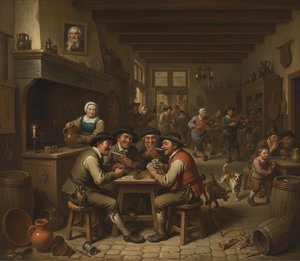
David Teniers II: Master of Flemish Genre & Social Commentary
Explore the captivating world of David Teniers II, a leading Flemish Baroque painter renowned for his lively genre scenes & insightful social commentary. Discover his masterpieces and legacy with ArtsDot.
Jacques-Louis David: Neoclassical Ideals & Revolutionary Witness
Explore the life & art of Jacques-Louis David, leading Neoclassical painter of the French Revolution. Discover iconic works like 'The Death of Marat' and his lasting impact on art history. Expert analysis & high-quality reproductions at ArtsDot.
Gerard David: Bridging Late Medieval Tradition with Early Renaissance Humanism
Explore the captivating world of Gerard David, a pivotal figure bridging late medieval artistry with the Early Renaissance. Discover his innovative techniques, religious masterpieces, and enduring legacy – a must-read for discerning art collectors.
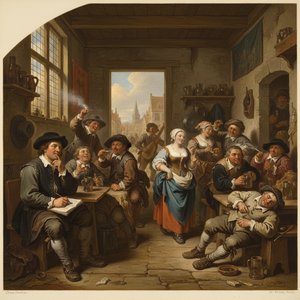
David Teniers the Younger: Genre Painting & Social Commentary in Baroque Flanders
Explore the captivating world of David Teniers the Younger, a leading Flemish Baroque painter. Discover his genre scenes, social commentary, and lasting influence on 17th-century art. Learn about his life, techniques & legacy.
Titian: Innovation, Technique & the Venetian Renaissance Portrait Tradition
Explore the revolutionary techniques & enduring legacy of Titian, the master of Venetian Renaissance portraiture. Discover insights for collectors & appreciate his impact on art history.