

 Предпросмотр
 Поделиться
 Поделиться
 Детали произведения

 Скачать
 Похожие работы
 Рентгенография
 Слайд-шоу
 Статистика
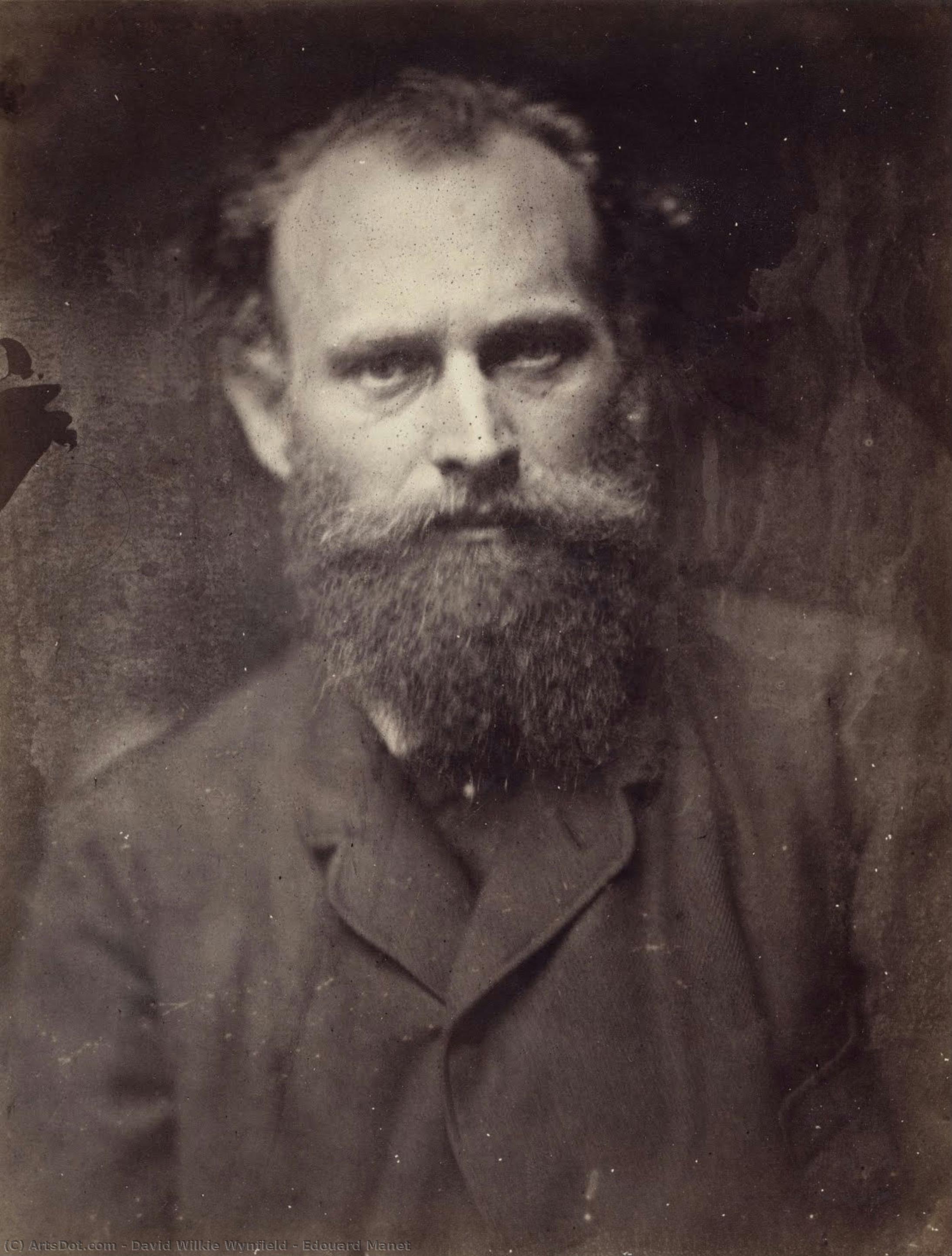
Edouard Manet


 Читать далее
Приобретите цифровое изображение высокого разрешения в улучшенном качестве, которое значительно превосходит онлайн-превью.
Каждый файл тщательно подготавливается нашими специалистами с использованием передовых инструментов и экспертной ручной ретуши. Мы гарантируем исключительную четкость, точную цветопередачу и детальную проработку каждого изображения.
Финальный файл доставляется по электронной почте в течение 72 часов и оптимизирован для немедленного использования в профессиональной среде, при верстке и печати. Это тот же уровень качества, которому доверяют ведущие дизайнерские студии, издательства и галереи.
Цифровое изображение
Скачайте файл высокого разрешения для личного использования, печати и творческих проектов. ( Перейти к печати Купить картину ручной работы)
Включено в каждый заказ цифровых изображений
Гарантия экспертной цифровой доставки
Выбирая ArtsDot.com, вы получаете не просто изображение — вы приобретаете профессионально обработанное цифровое произведение искусства, созданное с безупречной точностью и под защитой гарантии качества. Вот всё, что автоматически входит в ваш заказ:

Мгновенная доставка по e-mail
Ваш цифровой файл в высоком разрешении будет отправлен вам по электронной почте в течение 72 часов после оформления заказа — и сразу станет доступен для использования.

Цифровой файл с ИИ-улучшением
Ваше произведение искусства проходит профессиональную оптимизацию с использованием передовых инструментов ИИ и ручной обработки, что гарантирует максимальную детализацию, четкость и точность цветопередачи.

Бессрочная бесплатная повторная доставка
Случайно удалили или потеряли файл? Не беспокойтесь — мы отправим его вам повторно в любое время и совершенно бесплатно.

Без импортных пошлин — навсегда
Наслаждайтесь вашим произведением искусства мгновенно без таможенных пошлин, сборов или затрат на доставку — цифровые загрузки всегда не облагаются налогом.

Гарантия точности цветопередачи
Мы гарантируем, что ваше цифровое изображение максимально точно передает оригинальные цвета благодаря использованию профессиональных инструментов и систем управления цветом.

Гарантия удовлетворенности 100 дней
Если вы не будете удовлетворены своим цифровым изображением, мы внесем правки или вернем 100% стоимости в течение 100 дней — без лишних вопросов.

100% Гарантия возврата средств
Не удовлетворены покупкой? Получите полный возврат средств в течение 100 дней после получения цифрового файла — без лишних вопросов.

Скидки на оптовые заказы
Купите 3 изображения, сэкономьте 10% — Купите 5, сэкономьте 15% — Купите 10+, сэкономьте 20%. Отличное решение для творческих проектов, галерей и агентств.
A Portrait Beyond Its Time: Unveiling David Wilkie Wynfield's Masterpiece
The photograph presented here, a remarkable achievement from 1868 by David Wilkie Wynfield, isn’t merely a portrait; it’s a carefully constructed dialogue between the past and present. Wynfield, a British painter and photographer deeply embedded in the St John's Wood Clique – a group of artists obsessed with recreating historical scenes – has produced an image that transcends simple representation. He doesn’t simply *paint* Manet; he captures a spirit, a gaze, and a subtle challenge to conventional artistic norms. The photograph, executed using a technique mimicking Old Master methods, is imbued with a dramatic intensity rarely seen in Victorian portraiture, hinting at the artist's profound understanding of light, shadow, and psychological depth.
Wynfield’s approach diverges sharply from the prevailing photographic styles of his era. He eschewed the sharp clarity and meticulous detail favored by many contemporary practitioners, instead embracing a softer focus, a deliberate blurring that evokes the hazy atmosphere of a painted portrait. This technique, combined with the use of long exposures – capturing fleeting movements within the sitter’s form – creates an effect both intimate and unsettling. The careful placement of light and dark areas in the background, contrasting sharply with the figure's profile, adds to this sense of drama, drawing the viewer’s eye directly to Manet’s intense expression.
The Figure of Manet: A Study in Contemplation
Edouard Manet himself is depicted with a remarkable intensity. His beard, meticulously rendered, frames a face etched with thoughtful contemplation – perhaps even a hint of defiance. His eyes, dark and piercing, hold a directness that challenges the viewer to engage with his presence. Wynfield’s choice to capture Manet in profile, a common pose in Old Master portraits, lends him an air of gravitas and authority. Yet, it's not simply a formal portrait; there’s a palpable sense of vulnerability beneath the surface, as if Manet is revealing something deeply personal.
The photograph’s composition further reinforces this duality. The stark contrast between light and shadow emphasizes the contours of Manet’s face, while the dark background serves to isolate him, drawing attention to his gaze. The use of a shallow depth of field – blurring the details in the periphery – creates a sense of intimacy, as if we are privy to a private moment. The photograph is not just a likeness; it's an attempt to capture the essence of Manet’s personality and artistic spirit.
A Legacy of Innovation: Wynfield’s Influence and Artistic Context
Wynfield’s work represents a fascinating intersection of historical revivalism and modern experimentation. He was deeply influenced by the St John's Wood Clique, whose fascination with classical antiquity and dramatic narratives shaped his artistic vision. However, he also possessed a keen awareness of contemporary art trends, particularly the burgeoning field of photography. His adoption of painterly techniques in his photographic portraits – mimicking the effects of oil paint and chiaroscuro – demonstrates a desire to transcend the limitations of traditional methods.
His collaboration with Julia Margaret Cameron, another pioneering photographer, further highlights Wynfield’s innovative spirit. He shared his experimental techniques with her, contributing significantly to the development of shallow-focus portraiture. The photograph itself stands as a testament to Wynfield's artistic skill and his willingness to challenge conventional boundaries. It is a poignant reminder that even within the constraints of Victorian society, artists could push the limits of their craft and create works of enduring beauty and significance.
Collecting the Echo: Reproductions and Artistic Resonance
Reproducing this extraordinary photograph offers an opportunity to experience Wynfield’s artistic vision firsthand. ArtsDot.com provides high-quality reproductions that capture the depth, texture, and dramatic intensity of the original image. Whether displayed in a grand salon or a smaller study, this portrait will serve as a captivating focal point, inviting contemplation and sparking conversation. It's more than just an image; it’s a window into a bygone era – a testament to the enduring power of art to transcend time and connect us with the past.
Похожие произведения
Биография художника
Early Life and Artistic Beginnings
David Wilkie Wynfield (c. 1837 – 26 May 1887) emerged from a lineage steeped in artistic tradition, his father serving as an Indian Army officer and Sophia May Burroughes his second wife—a woman herself connected to the art world through her familial ties to Sir David Wilkie RA. Born in London, Wynfield’s formative years were shaped by exposure to both military discipline and the vibrant intellectual currents of Victorian society. Notably, he was a nephew of Sir David Wilkie RA, whose legacy would profoundly influence Wynfield's artistic sensibilities. Recognizing his innate talent early on, Wynfield enrolled at James Mathew Leigh’s art school in Newman Street in 1856, marking the commencement of his formal artistic education—a pivotal step toward realizing his ambitions as a painter.The St John’s Wood Clique and Romantic Vision
Wynfield swiftly joined the celebrated St John's Wood Clique, an influential group of artists who championed historical narratives and embraced romantic themes. This collective fostered a spirit of experimentation and collaboration, propelling Wynfield to explore landscapes and portraits set against the backdrop of medieval and Renaissance Europe. His paintings frequently depicted idealized figures engaged in dramatic scenes—a stylistic choice reflecting the broader artistic sensibilities of his time. The Clique’s commitment to capturing emotion and grandeur established Wynfield as a participant in a movement that sought to elevate art beyond mere representation, aiming instead for an immersive experience of beauty and imagination.Photography: Pioneering Shallow Focus
A transformative encounter with photography captivated Wynfield during the 1860s, sparking his fascination with this emerging medium. Recognizing its potential to emulate the painterly effects of Old Masters—a technique he meticulously honed—Wynfield developed a distinctive shallow-focus portrait photography method. This innovation wasn’t merely a technical accomplishment; it represented a conceptual leap—a deliberate effort to fuse artistic vision with photographic precision. Wynfield generously shared his expertise with Julia Margaret Cameron, who acknowledged him as her primary inspiration, cementing his role as a catalyst for change within the art world. The resulting portraits captured not only likeness but also an elusive quality of mood and atmosphere—a testament to Wynfield’s mastery of both disciplines.Notable Achievements and Legacy
Wynfield's photographic endeavors gained considerable acclaim, culminating in the publication of *The Studio*, a groundbreaking book showcasing his portraits alongside those of fellow artists like Cameron and Millais. Although initial sales proved underwhelming—perhaps due to Wynfield’s reluctance to revisit the project—the book nevertheless secured its place as an emblem of Victorian artistic innovation. Furthermore, Wynfield's unwavering support for contemporary artists extended beyond his photographic work; he served on the committee of the Dudley Gallery in Piccadilly, fostering a thriving environment for artistic discourse and creativity. His enduring influence can be discerned in Cameron’s oeuvre—a testament to Wynfield’s ability to inspire and propel artistic progress. David Wilkie Wynfield remains an artist whose pioneering approach to portraiture continues to resonate with scholars and enthusiasts alike, securing his place as a cornerstone of Victorian art history.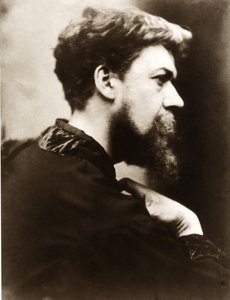
david wilkie wynfield
1887 , United Kingdom
Основные сведения
- Artistic Movement Or Style: Victorian Painting; Shallow Focus Portraiture
- Artists Or Movements Influenced By This Artist: ['Edouard Manet']
- Artists Who Influenced This Artist: ['Julia Margaret Cameron']
- Date Of Death: 1887
- Full Name: David Wilkie Wynfield
- Nationality: British
- Notable Artworks:
- The Studio: A Collection of Photographic Portraits...
- David Wilkie Wynfield
- Place Of Birth: London, United Kingdom