

 Предпросмотр
 Поделиться
 Поделиться
 Детали произведения

 Скачать
 Похожие работы
 Рентгенография
 Слайд-шоу
 Статистика
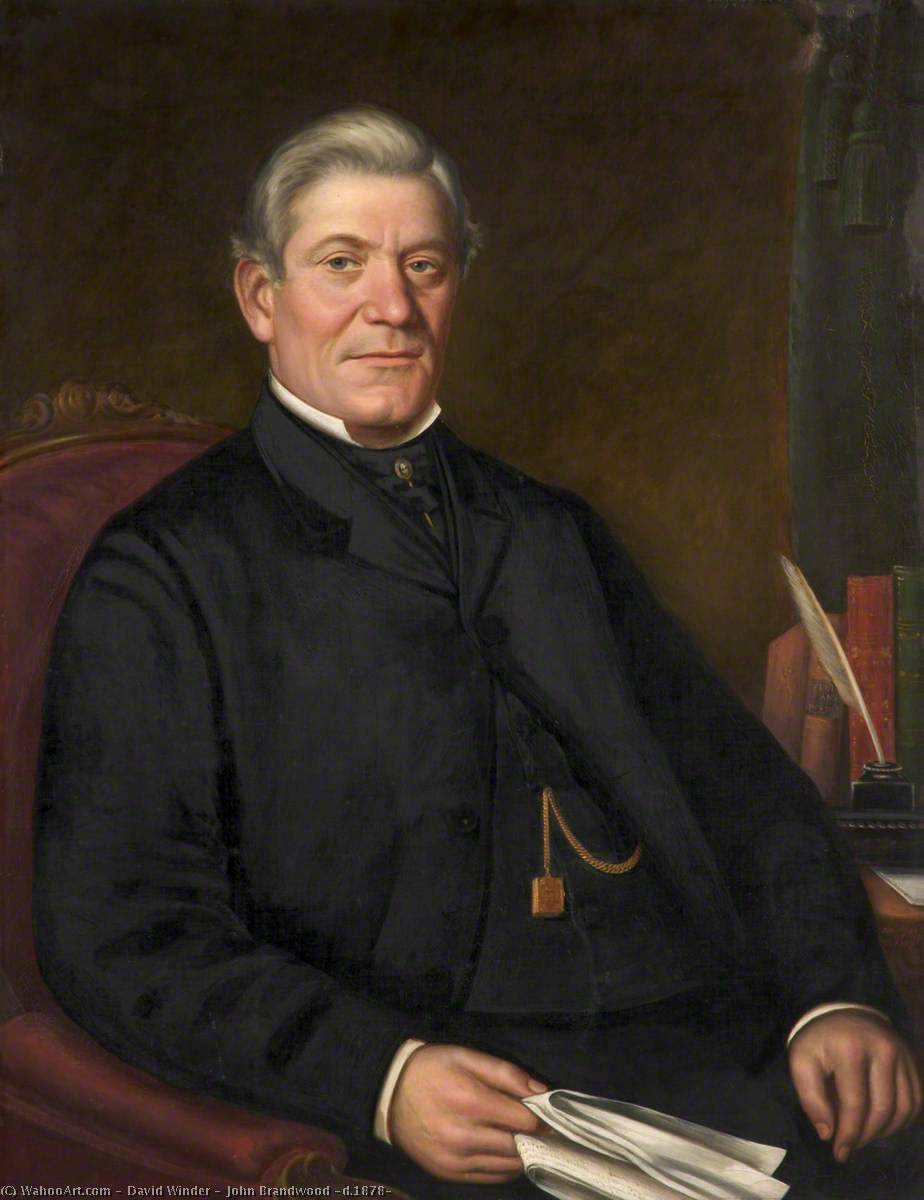
John Brandwood (d.1878)
 1867
1867 90.0 x 71.0 cm
 Болтонский музей и художественная галерея
 Читать далее
Приобретите цифровое изображение высокого разрешения в улучшенном качестве, которое значительно превосходит онлайн-превью.
Каждый файл тщательно подготавливается нашими специалистами с использованием передовых инструментов и экспертной ручной ретуши. Мы гарантируем исключительную четкость, точную цветопередачу и детальную проработку каждого изображения.
Финальный файл доставляется по электронной почте в течение 72 часов и оптимизирован для немедленного использования в профессиональной среде, при верстке и печати. Это тот же уровень качества, которому доверяют ведущие дизайнерские студии, издательства и галереи.
Цифровое изображение
Скачайте файл высокого разрешения для личного использования, печати и творческих проектов. ( Перейти к печати Купить картину ручной работы)
Включено в каждый заказ цифровых изображений
Гарантия экспертной цифровой доставки
Выбирая ArtsDot.com, вы получаете не просто изображение — вы приобретаете профессионально обработанное цифровое произведение искусства, созданное с безупречной точностью и под защитой гарантии качества. Вот всё, что автоматически входит в ваш заказ:

Мгновенная доставка по e-mail
Ваш цифровой файл в высоком разрешении будет отправлен вам по электронной почте в течение 72 часов после оформления заказа — и сразу станет доступен для использования.

Цифровой файл с ИИ-улучшением
Ваше произведение искусства проходит профессиональную оптимизацию с использованием передовых инструментов ИИ и ручной обработки, что гарантирует максимальную детализацию, четкость и точность цветопередачи.

Бессрочная бесплатная повторная доставка
Случайно удалили или потеряли файл? Не беспокойтесь — мы отправим его вам повторно в любое время и совершенно бесплатно.

Без импортных пошлин — навсегда
Наслаждайтесь вашим произведением искусства мгновенно без таможенных пошлин, сборов или затрат на доставку — цифровые загрузки всегда не облагаются налогом.

Гарантия точности цветопередачи
Мы гарантируем, что ваше цифровое изображение максимально точно передает оригинальные цвета благодаря использованию профессиональных инструментов и систем управления цветом.

Гарантия удовлетворенности 100 дней
Если вы не будете удовлетворены своим цифровым изображением, мы внесем правки или вернем 100% стоимости в течение 100 дней — без лишних вопросов.

100% Гарантия возврата средств
Не удовлетворены покупкой? Получите полный возврат средств в течение 100 дней после получения цифрового файла — без лишних вопросов.

Скидки на оптовые заказы
Купите 3 изображения, сэкономьте 10% — Купите 5, сэкономьте 15% — Купите 10+, сэкономьте 20%. Отличное решение для творческих проектов, галерей и агентств.
Похожие произведения









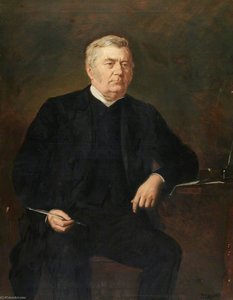
Биография художника
David Winder: A Lancashire Portraitist of the Victorian Elite
David Winder (1824–1912) remains a quietly significant figure in 19th-century British art, largely due to his prolific and intimate portraits of the elite of Bolton, Lancashire. Born into a family deeply rooted in the region’s thriving textile industry – his father managed a prominent mill – Winder's artistic journey was shaped by both familial stability and the vibrant social landscape of his hometown. Unlike many artists who sought grand commissions or travelled to fashionable centers like London, Winder dedicated his entire career to capturing the likenesses and status of Bolton’s leading figures: mayors, industrialists, merchants, and their families. This singular focus has resulted in a remarkably complete collection of portraits, offering an invaluable window into the social fabric and aspirations of Victorian Lancashire.Early Life and Artistic Beginnings
Winder's early life provided a grounding in both practical skills and artistic appreciation. His father’s position within a textile mill exposed him to the rhythms of industry and the importance of meticulous observation – qualities that would undoubtedly inform his portraiture. While details about his formal training are scarce, it is believed he initially studied under local artists before establishing himself as a professional painter in Bolton. His early works demonstrate a solid technical foundation, characterized by careful rendering of features and an understanding of light and shadow. Notably, his earliest surviving portraits, such as the celebrated depiction of Charles James Darbishire (Mayor of Bolton), showcase a burgeoning talent for capturing personality alongside physical likeness – a hallmark of Winder’s style.Technique and Style: The Essence of Lancashire Portraiture
Winder's artistic approach is defined by a subtle yet powerful realism, tempered with an appreciation for atmospheric effects. He primarily worked in oil on canvas, favoring a palette that reflects the muted tones of the Lancashire landscape – browns, greys, and ochres dominate, punctuated by flashes of color to highlight clothing or facial features. His brushwork is generally smooth and controlled, prioritizing clarity of form and detail. However, he skillfully employed techniques such as *sfumato* (a subtle blurring of edges) to create a sense of depth and volume, particularly in the rendering of fabrics and textures. Crucially, Winder wasn’t simply replicating appearances; he was attempting to convey character – the dignity, authority, or quiet contemplation of his subjects. His portraits are imbued with a palpable sense of place, reflecting the values and social conventions of Victorian Bolton.Subjects and Social Context
The vast majority of Winder’s commissions came from prominent members of Bolton society. He painted nearly all the Mayors of Bolton during his career, alongside numerous industrialists, merchants, and their families. These portraits weren't merely decorative; they served as visual markers of social status and wealth within a rapidly industrializing community. The subjects themselves – often impeccably dressed in fashionable attire – project an air of confidence and prosperity. Examining these portraits offers a fascinating glimpse into the aspirations and anxieties of Victorian Lancashire’s elite, revealing their commitment to tradition, industry, and social standing. The fact that Winder was able to consistently secure commissions from such influential figures speaks volumes about his reputation for professionalism and his ability to capture the essence of his subjects.Legacy and Collections
Today, David Winder’s work is primarily housed in public collections, offering accessible opportunities for study and appreciation. His portraits are held by Gallery Oldham and the Bolton Museum & Art Gallery, Lancashire. His nine oil paintings represent a significant contribution to British portraiture of the Victorian era, providing invaluable insights into the social history and artistic practices of a specific region. While he may not be as widely celebrated as some of his contemporaries, David Winder’s meticulous portraits continue to resonate with their quiet dignity and intimate portrayal of Lancashire life. His legacy lies in his dedication to capturing the faces and stories of a community, preserving a vital record of Victorian society for future generations.
david winder
1824 - 1912
Основные сведения
- Artistic Movement Or Style: Portraiture
- Date Of Birth: 1824
- Date Of Death: 1912
- Full Name: David Winder
- Nationality: British
- Notable Artworks:
- James Ashworth
- Charles James Darbishire
- Place Of Birth: Bolton, Lancashire