


 Предпросмотр
 Поделиться
 Поделиться
 Детали произведения

 Скачать
 Похожие работы
 Рентгенография
 Слайд-шоу
 Статистика
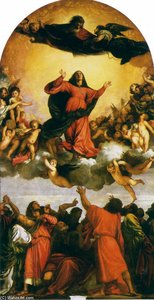
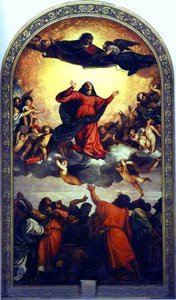
The Assumption of the Virgin
 High Renaissance
 1500
1500 162.0 x 68.0 cm
 Музей изящных искусств Будапешта
 Читать далее
Жикле / Арт-принт
Печать (жикле) или холст музейного качества с быстрыми сроками изготовления и широким выбором вариантов отделки. ( Купить картину ручной работы Перейти к цифровым изображениям)




































Выберите один из наших стандартных размеров, соответствующих оригинальным пропорциям произведения искусства.

Вы можете указать свои собственные размеры, чтобы репродукция идеально подошла под конкретную раму или пространство. Если выбранный вами размер не будет соответствовать пропорциям оригинала, мы либо обрежем произведение, либо дополним изображение зеркальным отражением краев или однотонной заливкой. Перед началом производства вам будет отправлен цифровой макет для утверждения.
Пожалуйста, обратите внимание, что предварительный просмотр на экране не отображает фактическую обрезку или расширение изображения. Только макет точно покажет финальную композицию.
Несмотря на возможность заказа индивидуальных размеров, мы рекомендуем выбирать размер из предопределенного списка, чтобы сохранить оригинальные пропорции.
Доставка по всему миру () за 2 недели вместо стандартных 4/5 недель. (14 Сентябрь)

Бесплатная экспресс-доставка по всему миру

Высококачественный льняной холст

Полное страхование доставки

Гарантия возмещения таможенных пошлин

Гарантия точного соответствия цветов

100-дневная политика возврата (только при обнаружении дефектов)

Гарантия возврата 100% средств

Предложение оптовых скидок
 Вариант со стеклом доступен только для размеров менее 110 см

The Assumption of the Virgin
Жикле / Арт-принт
Размер репродукции
-


Итоговая стоимость
$ 62
Artistic Style and Influences
Defendente Ferrari's style is characterized by his use of vivid colors and intricate details, which are evident in The Assumption of the Virgin. The painting showcases the artist's ability to blend Italian and Northern European influences, creating a unique and captivating visual experience. Ferrari's work was heavily influenced by the likes of Albrecht Dürer and Raphaël, which is reflected in his attention to detail and use of symbolism. Key Features of the Painting The painting depicts the Virgin Mary ascending into heaven, surrounded by angels and a group of mourners. The use of tempera on wood allows for a level of detail and texture that is remarkable for its time. The Assumption of the Virgin is a prime example of Ferrari's skill as a painter and his ability to convey complex emotions through his art.Artistic Significance and Legacy
Defendente Ferrari's The Assumption of the Virgin is not only a beautiful work of art but also an important piece of history. It showcases the artist's contribution to the High Renaissance movement and his influence on future generations of artists. For more information on Defendente Ferrari and his works, visit ArtsDot.com or check out his profile on Wikipedia.- View more of Defendente Ferrari's works on ArtsDot.com
- Learn more about the Szépmûvészeti Múzeum and its collection on Wikipedia
The Assumption of the Virgin is a must-see for art lovers and historians alike. Its beauty, significance, and historical importance make it a true masterpiece of the High Renaissance period.
Похожие произведения
Биография художника
Defendente Ferrari: Bridging Gothic Darkness and Renaissance Light
In the quiet, mist-shrouded landscapes of Piedmont during the turn of the sixteenth century, a profound artistic metamorphosis was taking place. At the heart of this transition stood Defendente Ferrari, an artist whose brush served as a bridge between the austere, somber traditions of the late Gothic era and the luminous, humanistic ideals of the High Renaissance. Born near Chivancasso, close to Turin, around 1480 or 1485, Ferrari emerged from the prestigious workshop of Giovanni Martino Spanzotti. This formative apprenticeship was crucial; it provided him with a foundation in the established artistic currents of western Piedmont, yet it also planted the seeds for his eventual departure from the rigid, darker aesthetics of his predecessor toward something far more fluid and radiant.
Ferrari’s early career was defined by a mastery of the polyptych and the altarpiece, formats that allowed him to command large ecclesiastical spaces with spiritual gravity. His work from this period often reflects a deep engagement with Northern European influences, particularly the meticulous detail and symbolic depth found in the works of Rogier van der Weyden. This synthesis of Italian structure and Flemish precision is perhaps most breathtakingly realized in his nocturnal compositions. In masterpieces such as Nativity in Nocturnal Light (1510), Ferrari demonstrates an uncanny ability to manipulate shadow and soft, dense highlights, creating a sense of divine presence through the subtle interplay of darkness and unexpected illumination.
A Mastery of Light and Devotion
As his career progressed, the stylistic evolution of Ferrari became a mirror to the broader cultural shifts sweeping through Italy. The harsh, angular lines characteristic of the Gothic tradition gradually gave way to more graceful, rhythmic compositions and a softer, more atmospheric approach to light. This development was not merely technical but deeply emotional, as he sought to convey profound spiritual truths through a more humanized lens. His later works began to reflect the influence of Macrino d’Alba, incorporating the burgeoning humanist aesthetic that favored anatomical grace and a more naturalistic depiction of the divine.
The technical brilliance of his oeuvre is most evident in his use of tempera on wood panel, a medium that demanded extreme precision. In works such as The Madonna and Child with St Anne (1528), one can observe an adeptness at capturing ethereal light that seems to emanate from within the figures themselves. His ability to weave together complex narratives—often involving musical angels, saints, and sacred landscapes—transformed altarpieces into immersive windows of devotion. Through his meticulous attention to texture and color, Ferrari ensured that each commission was not just a religious object, but a profound sensory experience for the faithful.
Legacy and Historical Significance
The historical importance of Defendente Ferrari lies in his role as a stylistic conduit. He did not merely follow trends; he synthesized them, creating a unique Piedmontese vernacular that honored the past while embracing the future. His ability to integrate the monumental grandeur of the High Renaissance with the intimate, detailed storytelling of the North allowed him to leave an indelible mark on the regional art history of Italy. Today, his surviving works, scattered across museums from Turin to Budapest, serve as vital evidence of a period when the shadows of the Middle Ages were being gracefully pushed back by the dawn of a new, enlightened era.
To understand Ferrari is to understand the very pulse of the Piedmontese Renaissance. His achievements can be summarized through several key pillars of his artistry:
- Stylistic Synthesis: The seamless blending of Northern European Flemish detail with Italian Renaissance humanism.
- Technical Innovation: The masterful use of nocturnal lighting and soft highlights to evoke spiritual emotion.
- Ecclesiastical Impact: The creation of monumental polyptychs that redefined the visual language of Piedmontese altarpieces.
- Artistic Lineage: His role in evolving the workshop traditions of Spanzotti into a more modern, fluid painterly style.

Defendente Ferrari
1490 - 1540 , Italy
Основные сведения
- Artistic Movement Or Style: Renaissance Art; Late Gothic Style
- Artists Who Influenced This Artist:
- Giovanni Martino Spanzotti
- Rogier van der Weyden
- Macrino d'alba
- Date Of Birth: c. 1490
- Date Of Death: 1540
- Full Name: Defendente Ferrari
- Nationality: Italian
- Notable Artworks:
- The Madonna and Child with St Anne
- The Assumption of the Virgin
- Madonna and Child
- Place Of Birth: Turin, Italy
Похожие статьи
The High Renaissance: A Flourishing of Artistic Innovation & Humanist Ideals
Explore the High Renaissance's artistic brilliance! Discover Da Vinci, Michelangelo & Raphael’s masterpieces, humanist ideals, and groundbreaking techniques. Learn about patronage & its lasting impact on art history.
High Medieval Art: 10 Masterpieces That Shaped an Era | ArtsDot
Journey through High Medieval Art! Explore 10 iconic masterpieces – from Giotto's frescoes to stunning Gothic cathedrals. Discover the stories behind these timeless paintings, sculptures & illuminated manuscripts. Find museum-quality art reproductions at ArtsDot.com.
Civic Virtue and Artistic Rivalry: Patronage and Innovation in the Italian Renaissance Republics, 1400–1600
Explore the Italian Renaissance! Discover how competitive patronage & humanist ideals fueled artistic innovation in republics like Florence & Venice. Expert insights for art lovers and collectors.
Mario Sironi: A Poetic of Modern Italian Identity Through Symbolism & Social Commentary
Explore the profound works of Mario Sironi, a key figure in Italian Modernism. Discover his evolution from Futurism to Metaphysical painting and his powerful social commentary. Learn about his legacy at ArtsDot.
Топ-10 шедевров Высокого Возрождения: искусство для вашего дома от ArtsDot
Погрузитесь в эпоху Высокого Возрождения! Узнайте истории Леонардо да Винчи, Рафаэля и Микеланджело. Шедевры Ренессанса для вашего интерьера – репродукции картин премиум-качества на ArtsDot.com