

 Поделиться
 Поделиться
 Детали произведения

 Скачать
 Похожие работы
 Слайд-шоу
 Статистика
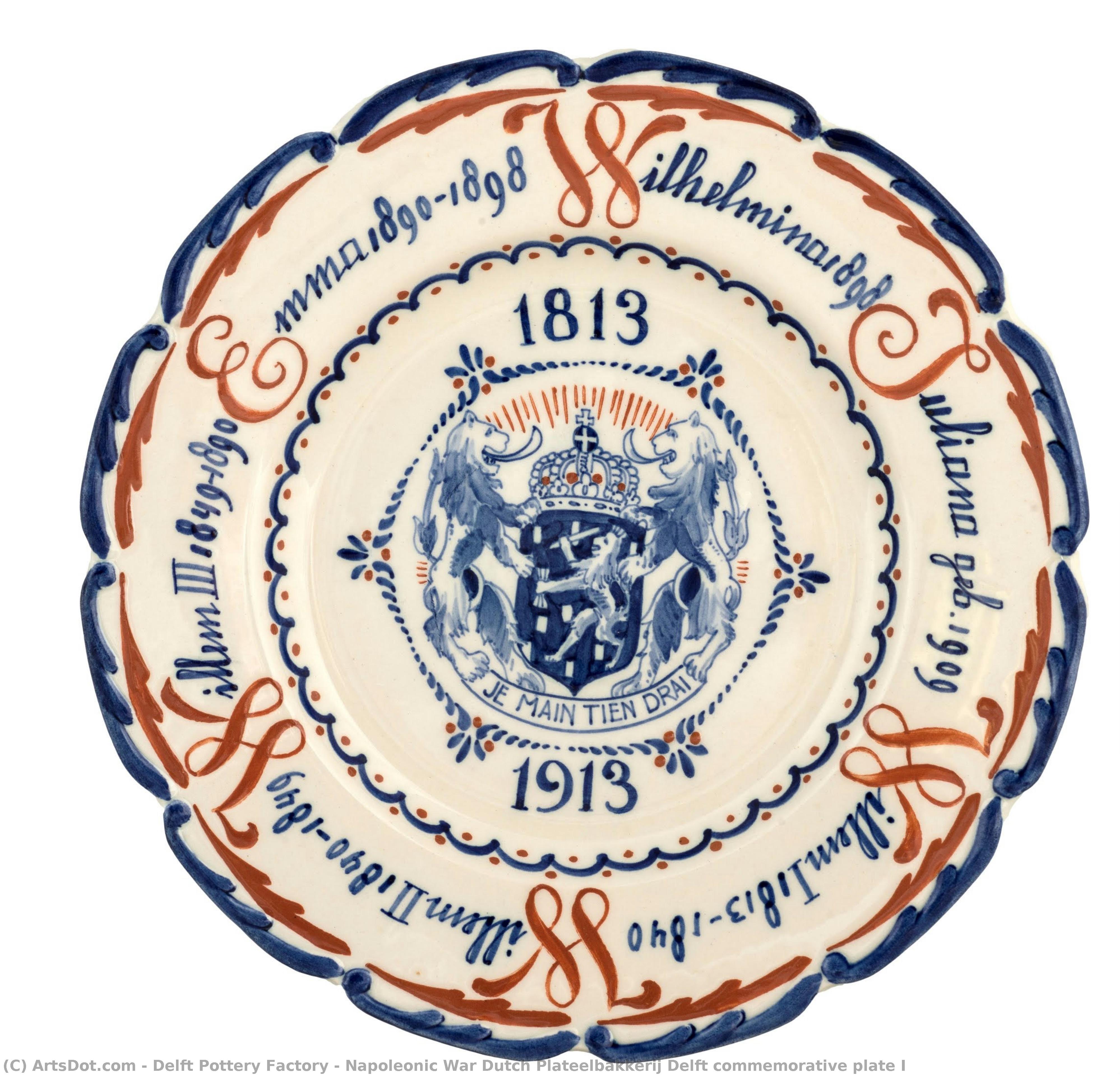
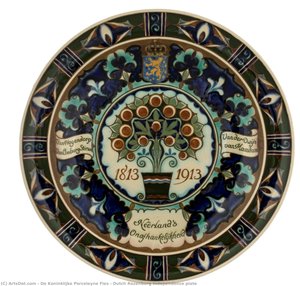
Napoleonic War Dutch Plateelbakkerij Delft commemorative plate I
 Ceramic
- Sculpture
 1913
1913- 19th Century
 23.0 x 3.0 cm
 University of Pretoria Museums
 Читать далее
Приобретите цифровое изображение высокого разрешения в улучшенном качестве, которое значительно превосходит онлайн-превью.
Каждый файл тщательно подготавливается нашими специалистами с использованием передовых инструментов и экспертной ручной ретуши. Мы гарантируем исключительную четкость, точную цветопередачу и детальную проработку каждого изображения.
Финальный файл доставляется по электронной почте в течение 72 часов и оптимизирован для немедленного использования в профессиональной среде, при верстке и печати. Это тот же уровень качества, которому доверяют ведущие дизайнерские студии, издательства и галереи.
Цифровое изображение
Скачайте файл высокого разрешения для личного использования, печати и творческих проектов. ( Перейти к печати Купить картину ручной работы)
Включено в каждый заказ цифровых изображений
Гарантия экспертной цифровой доставки
Выбирая ArtsDot.com, вы получаете не просто изображение — вы приобретаете профессионально обработанное цифровое произведение искусства, созданное с безупречной точностью и под защитой гарантии качества. Вот всё, что автоматически входит в ваш заказ:

Мгновенная доставка по e-mail
Ваш цифровой файл в высоком разрешении будет отправлен вам по электронной почте в течение 72 часов после оформления заказа — и сразу станет доступен для использования.

Цифровой файл с ИИ-улучшением
Ваше произведение искусства проходит профессиональную оптимизацию с использованием передовых инструментов ИИ и ручной обработки, что гарантирует максимальную детализацию, четкость и точность цветопередачи.

Бессрочная бесплатная повторная доставка
Случайно удалили или потеряли файл? Не беспокойтесь — мы отправим его вам повторно в любое время и совершенно бесплатно.

Без импортных пошлин — навсегда
Наслаждайтесь вашим произведением искусства мгновенно без таможенных пошлин, сборов или затрат на доставку — цифровые загрузки всегда не облагаются налогом.

Гарантия точности цветопередачи
Мы гарантируем, что ваше цифровое изображение максимально точно передает оригинальные цвета благодаря использованию профессиональных инструментов и систем управления цветом.

Гарантия удовлетворенности 100 дней
Если вы не будете удовлетворены своим цифровым изображением, мы внесем правки или вернем 100% стоимости в течение 100 дней — без лишних вопросов.

100% Гарантия возврата средств
Не удовлетворены покупкой? Получите полный возврат средств в течение 100 дней после получения цифрового файла — без лишних вопросов.

Скидки на оптовые заказы
Купите 3 изображения, сэкономьте 10% — Купите 5, сэкономьте 15% — Купите 10+, сэкономьте 20%. Отличное решение для творческих проектов, галерей и агентств.
A Royal Chronicle in Blue and Red
In the delicate dance of light upon glazed ceramic, one finds not merely an object of utility, but a profound historical narrative captured in clay. The Napoleonic War Dutch Plateelbakkerij Delft commemorative plate I serves as a breathtaking window into a century of Dutch sovereignty. Though the name "Delft" evokes the quaint, windmill-swept streets of its namesake town, this particular masterpiece emerged from the skilled hands of artisans in Amsterdam. This exquisite piece is part of an ambitious set of fourteen plates, meticulously crafted in 1913 to celebrate a hundred-year lineage of leadership, spanning from the restoration of the monarchy in 1813 through the dawn of the twentieth century.
The artistry of the Delft Pottery Factory is on full display here, utilizing the classic tin-glazed earthenware technique known as faience. The palette is a striking dialogue between deep, cobalt blues and vibrant reds, a combination that lends the plate a regal and commanding presence. At its heart lies the Dutch coat of arms, a symbol of national identity and resilience, surrounded by intricate decorations that honor the monarchs who guided the Netherlands through eras of profound change—from King Willem I to the young Princess Juliana. To hold a reproduction of such a piece is to touch the very fabric of European history.
Symbolism and the Art of Commemoration
Every brushstroke on this commemorative plate is imbued with intentionality. The central placement of the Dutch coat of arms acts as an anchor for the viewer, grounding the swirling decorative elements in a sense of permanence and duty. The use of blue and white, a hallmark of the Delft tradition inspired by the allure of Chinese porcelain, provides a serene backdrop that allows the more urgent red accents to sing. This color interplay does more than please the eye; it mirrors the tension and triumph of the Napoleonic era and the subsequent rebuilding of a nation.
For the discerning collector or interior designer, this plate offers much more than mere decoration. It is a conversation piece that bridges the gap between fine art and historical documentation. The presence of specific dates and royal names transforms the ceramic surface into a chronological tapestry. When placed within a curated collection or featured as a focal point in a sophisticated study, it evokes an atmosphere of intellectual depth and timeless elegance, inviting guests to contemplate the enduring legacy of the House of Orange.
A Timeless Addition to the Modern Interior
Integrating a high-quality reproduction of this Delftware treasure into a contemporary space allows for a seamless blend of historical grandeur and modern aesthetic. For those seeking to infuse their homes with a sense of heritage, the plate provides an unparalleled opportunity to celebrate the craftsmanship of the Plateelbakkerij tradition. Its compact dimensions—measuring approximately 23 by 3 centimeters—make it a versatile element for gallery walls, mantelpiece displays, or bespoke shadow boxes.
As an investment in atmosphere, this artwork transcends fleeting trends. It offers a tactile connection to the Golden Age of Dutch pottery and the complex political landscape of the nineteenth century. Whether you are an art historian captivated by its provenance or a decorator looking for that singular, evocative detail to complete a room, this commemorative plate stands as a testament to the beauty of storytelling through ceramic art. It is not simply a reproduction; it is a preserved moment of Dutch pride, rendered in the eternal glow of fine glaze.
Похожие произведения



Биография художника
The Enduring Legacy of Delft Pottery Factory
For over four centuries, the name “Delft” has been synonymous with a particular style of earthenware – a delicate blue and white pottery that evokes images of windmills, tulips, and the Golden Age of Holland. However, to speak of "Delft Pottery" is to invoke a complex history, not of a single entity but rather a succession of factories vying for dominance in a market fueled by innovation, imitation, and an insatiable appetite for beauty. The story begins in the early 17th century, as Dutch entrepreneurs sought to replicate the highly prized porcelain arriving from China via the East India Company. While true hard-paste porcelain proved elusive, they discovered a method of creating tin-glazed earthenware – *faience* – that possessed its own unique charm and quickly captured the imagination of European consumers. The earliest Delftware, produced around 1600, was often inspired by Spanish and Italian maiolica pottery. These initial attempts were somewhat crude, but the Dutch potters rapidly refined their techniques, experimenting with different clays, glazes, and decorative motifs. By the mid-17th century, several independent factories had emerged in Delft, a city ideally suited for ceramic production due to its access to waterways for transporting raw materials and finished goods. The most prominent of these early establishments included De Porceleyne Fles (The Porcelain Jar), which remains in operation today, and various smaller workshops that contributed significantly to the burgeoning industry. A key development was the adoption of cobalt blue as a primary color, sourced from Persia, giving rise to the iconic “Delft Blue” aesthetic. This wasn’t merely a stylistic choice; it also allowed for greater precision in painting intricate designs.From Imitation to Innovation: The Rise of Delftware
Initially, much of Delftware was intended as affordable substitutes for Chinese porcelain. Potters meticulously copied the shapes and decorations found on imported examples, catering to a growing middle class eager to display symbols of wealth and sophistication. However, Dutch artisans were not content with mere replication. They began to introduce distinctly Dutch themes into their designs – scenes of everyday life, landscapes featuring windmills and canals, depictions of biblical stories, and heraldic emblems. This shift marked the emergence of Delftware as a uniquely Dutch art form. The demand for personalized pieces also soared, leading to the production of elaborate dinner services adorned with family crests and monograms.- Technological Advancements: The development of manganese purple around 1690 expanded the color palette, followed by the introduction of other hues like yellow, green, and ochre in the early 18th century.
- The Influence of East Asian Art: While initially imitating Chinese porcelain, Delftware also absorbed elements from Japanese Imari ware, particularly in its use of vibrant colors and dynamic compositions.
- <Genre Painting & Storytelling: Delft potters collaborated with painters to create scenes inspired by popular genre paintings of the time, bringing narratives into the domestic sphere.
Decline and Revival: Navigating Changing Tastes
By the late 18th and early 19th centuries, Delftware began to face increasing competition from English Staffordshire pottery, which utilized more efficient production methods and offered a wider range of designs at lower prices. The rise of new ceramic technologies, such as bone china, also contributed to its decline. Many factories were forced to close, and the industry experienced a period of stagnation. However, a renewed interest in traditional crafts during the 19th century led to a revival of Delftware production. De Porceleyne Fles, which had survived the economic downturns, played a crucial role in this resurgence. The factory began to focus on producing high-quality, historically inspired pieces, appealing to collectors and connoisseurs. They also established an art school to train new generations of Delftware painters, ensuring the continuation of traditional techniques. The factory’s commitment to preserving its heritage helped to solidify Delftware's reputation as a symbol of Dutch artistry and craftsmanship.Delft Pottery Today: A Continuing Tradition
Today, Delftware continues to be produced in Delft by De Porceleyne Fles and a handful of smaller workshops. While modern production methods have been adopted to some extent, the fundamental techniques remain largely unchanged. The iconic blue and white pottery is still highly sought after by collectors worldwide, and it serves as a powerful reminder of Holland’s rich artistic heritage. Beyond its aesthetic appeal, Delftware represents a fascinating intersection of trade, technology, and cultural exchange. It embodies the Dutch spirit of innovation, adaptation, and a deep appreciation for beauty – qualities that have ensured its enduring legacy for over four centuries. The factory also continues to collaborate with contemporary artists, demonstrating its commitment to both tradition and artistic evolution. The story of Delft Pottery is not simply about ceramics; it’s a reflection of the Dutch nation itself—resilient, resourceful, and eternally captivating.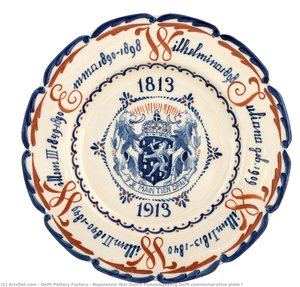
Основные сведения
- Artistic Movement Or Style: Delftware pottery
- Date Of Death: Living
- Full Name: Delft Pottery Factory