

 Предпросмотр
 Поделиться
 Поделиться
 Детали произведения

 Скачать
 Похожие работы
 Рентгенография
 Слайд-шоу
 Статистика
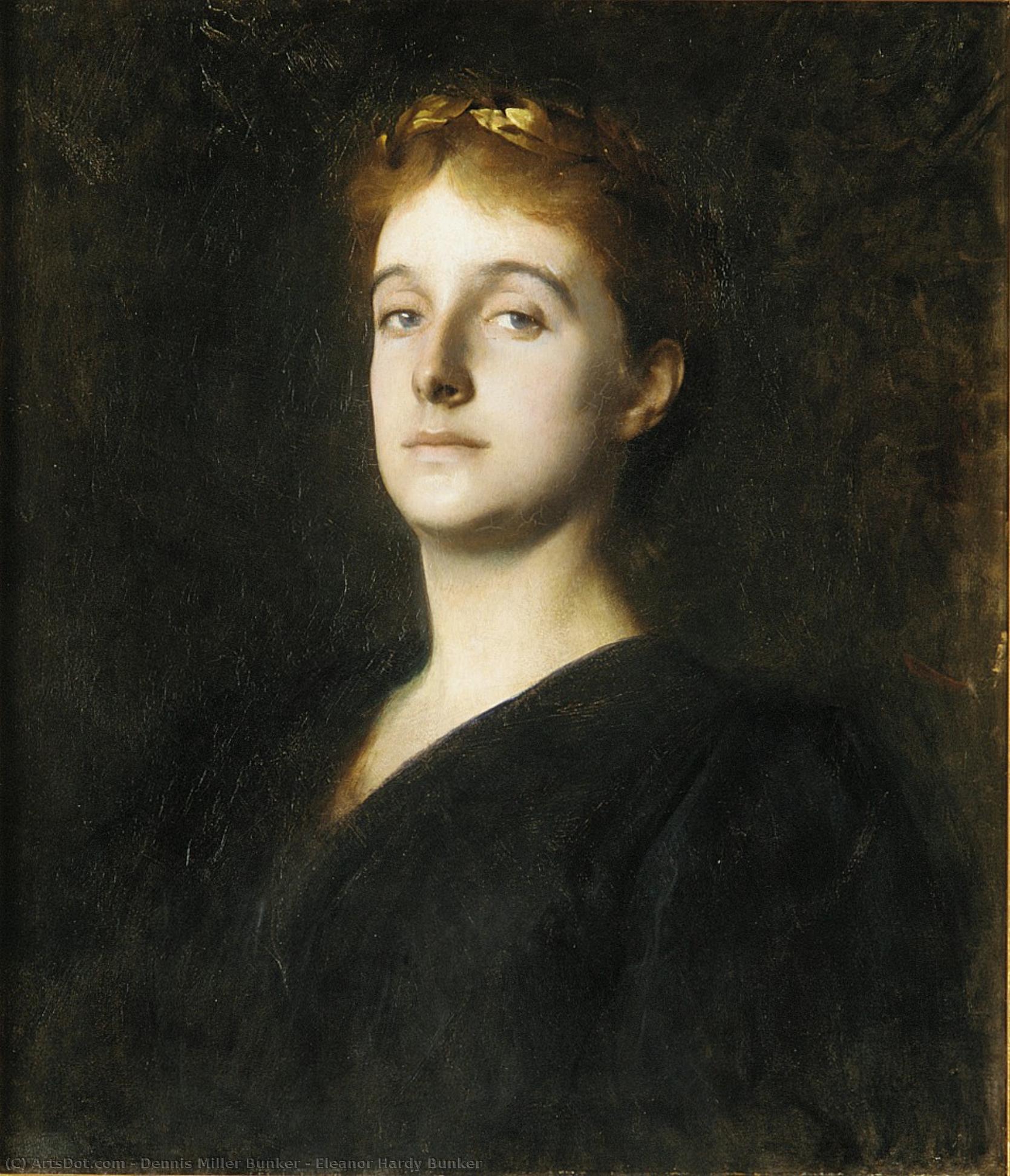
Eleanor Hardy Bunker
 Oil On Canvas
- WallArt
- American Impressionism
 1890
1890 61.0 x 53.0 cm
 Музей Метрополитен
 Читать далее
Жикле / Арт-принт
Печать (жикле) или холст музейного качества с быстрыми сроками изготовления и широким выбором вариантов отделки. ( Купить картину ручной работы Перейти к цифровым изображениям)




P118B $10

P118H $10

P118W $10

P438Z $10

P508JH $12

P508YH $12

P805H $10

P805Z $10

P919BZ $10

P919G $10

P919XJ $10

P959ZH $10

P968JZ $12

W106C $8

W218G $10

W218JH $8

W218Y $10

W307PJ $10

W316G $10

W316PJ $8

W316Y $10

W398PJ $8

W4111J $10

W500HY $15

W500JH $15

W692G $12

W849H $8

W940BG $15

W953PJ $8




Выберите один из наших стандартных размеров, соответствующих оригинальным пропорциям произведения искусства.

Вы можете указать свои собственные размеры, чтобы репродукция идеально подошла под конкретную раму или пространство. Если выбранный вами размер не будет соответствовать пропорциям оригинала, мы либо обрежем произведение, либо дополним изображение зеркальным отражением краев или однотонной заливкой. Перед началом производства вам будет отправлен цифровой макет для утверждения.
Пожалуйста, обратите внимание, что предварительный просмотр на экране не отображает фактическую обрезку или расширение изображения. Только макет точно покажет финальную композицию.
Несмотря на возможность заказа индивидуальных размеров, мы рекомендуем выбирать размер из предопределенного списка, чтобы сохранить оригинальные пропорции.
Доставка по всему миру () за 2 недели вместо стандартных 4/5 недель. (11 Сентябрь)

Бесплатная экспресс-доставка по всему миру

Высококачественный льняной холст

Полное страхование доставки

Гарантия возмещения таможенных пошлин

Гарантия точного соответствия цветов

100-дневная политика возврата (только при обнаружении дефектов)

Гарантия возврата 100% средств

Предложение оптовых скидок
 Вариант со стеклом доступен только для размеров менее 110 см

Eleanor Hardy Bunker
Жикле / Арт-принт
Размер репродукции
-


Итоговая стоимость
$ 62
A Glimpse of Victorian Grace: Eleanor Hardy Bunker
Dennis Miller Bunker’s “Eleanor Hardy Bunker,” painted in 1890 just months before his untimely death, is more than a portrait; it's a poignant distillation of late 19th-century American Impressionism and the burgeoning Aesthetic movement. The canvas captures Eleanor Hardy, not as a static subject, but as a woman imbued with quiet dignity and an unspoken melancholy – a testament to the fleeting beauty Bunker so meticulously sought to capture on canvas. The painting’s enduring appeal lies in its ability to evoke a sense of intimacy, inviting viewers into a private moment frozen in time.
Style and Technique: A Harmonious Blend
Bunker's style is immediately recognizable as a sophisticated blend of influences. He drew heavily from the Barbizon School’s emphasis on capturing light and atmosphere, evident in the soft, diffused lighting that washes over Eleanor’s face and dress. Yet, he departs significantly from traditional academic portraiture through his loose brushwork, vibrant color palette, and focus on conveying mood rather than strict realism. Notice how he employs broken color—small, distinct strokes of paint layered to create a shimmering effect—particularly in the fabric of her gown, suggesting movement and texture without resorting to detailed rendering. The composition itself is carefully balanced, with Eleanor’s slightly turned body creating a dynamic asymmetry that draws the eye across the canvas. Bunker's use of complementary colors – the blues and greens of her dress contrasted against the warmer tones of the background – further enhances the painting’s visual harmony.
Historical Context: The Aesthetic Movement and Boston Society
“Eleanor Hardy Bunker” was created during a period of significant artistic and social change in America. The late 1880s witnessed the rise of the Aesthetic movement, which championed beauty as an end in itself, rejecting traditional notions of art’s purpose. This philosophy profoundly influenced artists like Bunker, who sought to capture not just likeness but also the emotional essence of their subjects. The painting is deeply rooted in Boston society—a vibrant hub of artistic and intellectual activity at the time. Eleanor Hardy herself was a prominent figure, known for her intelligence, charm, and social connections. Her marriage to Charles Adams Platt, an architect and designer associated with Stanford White and Augustus Saint-Gaudens, further underscores the painting’s connection to the city's elite circles. The inclusion of the architectural background—a subtle nod to Platt’s profession—adds another layer of meaning, suggesting a harmonious blend of art and design.
Symbolism and Emotional Resonance
Beyond its technical brilliance, “Eleanor Hardy Bunker” is rich in symbolic detail. Eleanor's direct gaze, seemingly challenging the viewer, speaks to her strength and independence. The subtle sadness in her expression hints at a life touched by loss—a poignant reflection of Bunker’s own premature death. The carefully chosen details – the delicate lace collar, the simple yet elegant dress – contribute to the painting’s overall sense of understated elegance. It's important to note that this portrait was created shortly after Bunker’s marriage and just before his death; it is a beautiful encapsulation of a fleeting moment in time, imbued with both joy and melancholy. The collaboration between Bunker, architect Stanford White, and the Society of American Artists highlights the collaborative spirit of the Aesthetic age, where artistic production involved multiple disciplines.
This reproduction offers a remarkable opportunity to experience the beauty and emotional depth of this iconic work by Dennis Miller Bunker – a testament to his brief but brilliant career.
Похожие произведения


Биография художника
A Fleeting Glimpse of Brilliance: The Life and Art of Dennis Miller Bunker
Dennis Miller Bunker, a name perhaps less immediately recognized than those of his contemporaries like Sargent or Cassatt, nevertheless occupies a pivotal position in the narrative of American Impressionism. His tragically short life – he succumbed to meningitis at just twenty-nine years old – belies an artistic output brimming with innovation and sensitivity, a testament to a talent that burned intensely but briefly. Born in New York City in 1861, Bunker’s path toward becoming a significant painter was nurtured by a supportive family background; his father held a position with the Union Ferry Company, while his mother came from a lineage of artistic inclination through her brother, the celebrated illustrator Sol Eytinge Jr. This early exposure to creative pursuits undoubtedly played a role in shaping young Dennis's aspirations. He formally began his training at the Art Students League and the National Academy of Design in 1876, laying a foundation steeped in academic tradition that would later be beautifully disrupted by his embrace of more modern techniques.From Barbizon to Brilliance: Artistic Development and Influences
Bunker’s artistic journey was marked by a constant evolution, a willingness to absorb influences and synthesize them into something uniquely his own. A crucial period in this development came with his travels to Paris in 1882, where he studied at the École nationale supérieure des beaux-arts under Jean-Léon Gérôme. However, it wasn’t within the confines of the studio that Bunker truly found his artistic voice. Rather, it was during excursions through France and Brittany alongside fellow artists Charles A. Platt and Kenneth R. Cranford that he encountered the Barbizon school – a group renowned for their direct observation of nature and naturalistic approach to painting. This exposure proved transformative, instilling in Bunker a deep appreciation for *plein air* painting and a commitment to capturing the subtleties of light and atmosphere. His early works reflected this influence, often depicting marine subjects like beached boats with meticulous detail honed through preparatory sketches. Yet, even within these academic exercises, hints of his future direction were emerging. The Brittany period (1883-1884) saw a shift towards softer atmospheric effects and tonal subtleties in scenes featuring church spires, cemetery crosses, and solitary trees against expansive skies. He meticulously studied the techniques of masters like Jean-Léon Gérôme, absorbing their compositional strategies and mastering realistic rendering skills—skills that would serve as invaluable tools for his subsequent artistic explorations. Upon returning to America, Bunker’s landscapes, particularly those painted in South Woodstock, Connecticut, began to demonstrate a bolder palette and more saturated colors – clear indicators of his burgeoning Impressionistic leanings. A pivotal friendship with John Singer Sargent further accelerated this transition; Sargent's influence encouraged Bunker to embrace brighter hues and looser brushwork, pushing him towards a style that was both innovative and deeply personal. Sargent recognized Bunker’s exceptional talent and became a valuable friend and supporter, providing both financial assistance and encouragement. This patronage allowed him greater artistic freedom and contributed to his ability to explore new avenues in his work. He brought this newfound Impressionistic style back with him to Boston and was praised for his captivating new compositions.Recognition and a Patron’s Embrace
Bunker’s talent did not go unnoticed by the art community. He was elected to the Society of American Artists in 1885, a significant acknowledgment of his growing reputation. That same year marked another milestone: his first solo exhibition at Noyes and Blakeslee Gallery in Boston. Simultaneously, he secured a teaching position at the Cowles Art School in Boston, where he served as chief instructor of figure and cast drawing, artistic anatomy, and composition from 1885 to 1889. This period allowed him to refine his skills while also imparting knowledge to aspiring artists. Isabella Stewart Gardner, a prominent art collector and patroness, recognized Bunker’s exceptional talent and became a valuable friend and supporter, providing both financial assistance and encouragement. She championed his work and fostered an environment conducive to artistic experimentation.A Lasting Legacy: Bunker’s Place in Art History
Though his life was tragically cut short, Dennis Miller Bunker left an indelible mark on late 19th-century American art. He stands as a key figure in the development of American Impressionism, skillfully bridging traditional academic training with emerging modern artistic trends. His ability to seamlessly blend Barbizon influences with the vibrant energy of Impressionism resulted in works that are both technically masterful and emotionally resonant. His paintings—particularly *Eleanor Hardy Bunker*, *Marshland, Medfield*, and *The Station*—continue to captivate viewers with their luminous landscapes and refined portraits. He remains a testament to the power of artistic vision and the enduring impact of a life dedicated to beauty, even one tragically abbreviated. His contribution to Impressionism solidified its presence in American art history, demonstrating a transition from academic realism to Impressionistic techniques that paved the way for future generations to explore new modes of expression.
Деннис Миллер Банкер
1861 - 1890 , Соединенные Штаты Америки
Основные сведения
- Artistic Movement Or Style: Импрессионизм
- Artists Or Movements Influenced By This Artist: ['Импрессионизм']
- Artists Who Influenced This Artist:
- Жан-Леон Жерме
- Джон Сингер Сэрджент
- Date Of Birth: Ноябрь 6, 1861
- Date Of Death: Декабрь 28, 1890
- Full Name: Dennis Miller Bunker
- Nationality: Американский
- Notable Artworks:
- Элеонора Хеди Бинкер
- Моршленд, Медифилд
- Станция
- Place Of Birth: Нью-Йорк Сити, США
Похожие статьи

Grant Wood & American Regionalism: Identity, Myth & the Rural Landscape
Explore the world of Grant Wood & American Regionalism with ArtsDot. Discover the symbolism behind 'American Gothic', recurring themes, and the movement's lasting impact on art history. High-quality reproductions available.
Herman Armour Webster: Capturing Atmospheric Light in American Impressionism
Explore the captivating world of Herman Armour Webster, an American Impressionist master. Discover his Parisian influences, unique style, and lasting legacy with ArtsDot.
Capturing a Nation's Light: Exploring the American Impressionist Movement
Explore the captivating world of American Impressionism! Discover key artists, techniques & its lasting impact on art history. Find museum-quality reproductions and expert guidance at ArtsDot.
Frederick Childe Hassam: American Impressionism's Chronicler of Light & Modern Life
Explore the captivating world of Frederick Childe Hassam, a pioneer of American Impressionism. Discover his iconic paintings capturing light, urban life & coastal beauty. Learn about his legacy and influence on American art history.
Lilla Cabot Perry: Pioneering American Impressionism & Society Portraiture
Discover Lilla Cabot Perry (1848-1933), a pioneering American Impressionist painter. Explore her captivating portraits of Boston society, Monet's influence, and lasting legacy in art history. Learn more at ArtsDot.