


 Предпросмотр
 Поделиться
 Поделиться
 Детали произведения

 Скачать
 Похожие работы
 Рентгенография
 Слайд-шоу
 Статистика
The Holy Family with the Infant St John the Baptist in a Landscape
 Oil On Canvas
- WallArt
- Baroque
 1590
1590- Early Modern
 42.0 x 32.0 cm
 Национальная галерея Шотландии
 Читать далее
Приобретите цифровое изображение высокого разрешения в улучшенном качестве, которое значительно превосходит онлайн-превью.
Каждый файл тщательно подготавливается нашими специалистами с использованием передовых инструментов и экспертной ручной ретуши. Мы гарантируем исключительную четкость, точную цветопередачу и детальную проработку каждого изображения.
Финальный файл доставляется по электронной почте в течение 72 часов и оптимизирован для немедленного использования в профессиональной среде, при верстке и печати. Это тот же уровень качества, которому доверяют ведущие дизайнерские студии, издательства и галереи.
Цифровое изображение
Скачайте файл высокого разрешения для личного использования, печати и творческих проектов. ( Перейти к печати Купить картину ручной работы)
Включено в каждый заказ цифровых изображений
Гарантия экспертной цифровой доставки
Выбирая ArtsDot.com, вы получаете не просто изображение — вы приобретаете профессионально обработанное цифровое произведение искусства, созданное с безупречной точностью и под защитой гарантии качества. Вот всё, что автоматически входит в ваш заказ:

Мгновенная доставка по e-mail
Ваш цифровой файл в высоком разрешении будет отправлен вам по электронной почте в течение 72 часов после оформления заказа — и сразу станет доступен для использования.

Цифровой файл с ИИ-улучшением
Ваше произведение искусства проходит профессиональную оптимизацию с использованием передовых инструментов ИИ и ручной обработки, что гарантирует максимальную детализацию, четкость и точность цветопередачи.

Бессрочная бесплатная повторная доставка
Случайно удалили или потеряли файл? Не беспокойтесь — мы отправим его вам повторно в любое время и совершенно бесплатно.

Без импортных пошлин — навсегда
Наслаждайтесь вашим произведением искусства мгновенно без таможенных пошлин, сборов или затрат на доставку — цифровые загрузки всегда не облагаются налогом.

Гарантия точности цветопередачи
Мы гарантируем, что ваше цифровое изображение максимально точно передает оригинальные цвета благодаря использованию профессиональных инструментов и систем управления цветом.

Гарантия удовлетворенности 100 дней
Если вы не будете удовлетворены своим цифровым изображением, мы внесем правки или вернем 100% стоимости в течение 100 дней — без лишних вопросов.

100% Гарантия возврата средств
Не удовлетворены покупкой? Получите полный возврат средств в течение 100 дней после получения цифрового файла — без лишних вопросов.

Скидки на оптовые заказы
Купите 3 изображения, сэкономьте 10% — Купите 5, сэкономьте 15% — Купите 10+, сэкономьте 20%. Отличное решение для творческих проектов, галерей и агентств.
A Vision of Faith and Majesty
In the quiet, luminous depths of Denys Calvaert’s “The Holy Family with the Infant St John the Baptist in a Landscape,” one encounters more than just a biblical tableau; one enters a realm where the earthly and the divine converge. Painted around 1590, this Baroque masterpiece serves as a profound testament to the artistic fervor of Antwerp’s golden age. At its heart, the composition centers on the tender intimacy of the Holy Family—Mary cradling the infant Jesus, flanked by the protective presence of Saint Joseph. The scene is not merely a portrait of familial piety but an orchestrated drama of light and spirit, where every brushstroke seeks to bridge the gap between the viewer and the sacred.
The landscape itself acts as a secondary protagonist, a dramatic mountainous backdrop that rises toward a sky imbued with celestial significance. Through the masterful use of chiaroscoscuro, Calvaert sculpts his figures from the shadows, using sharp contrasts to illuminate the soft skin of the Christ child and the heavy, textured folds of Mary’s drapery. This interplay of light does more than create volume; it directs the soul. As the eye wanders from the central figures toward the distant, hazy peaks, the technique of atmospheric perspective creates an illusion of infinite depth, suggesting that the grace depicted in the foreground extends to the very edges of the universe.
The Language of Symbolism and Spirit
To gaze upon this work is to read a silent sermon written in color and form. Calvaert, an artist deeply attuned to the religious currents of his time, weaves complex symbolism into the fabric of the landscape. The presence of crosses emerging from the terrain serves as a poignant foreshadowing of Christ’s ultimate sacrifice, grounding the peaceful moment of infancy in the gravity of future redemption. Angels drift through the clouds like whispers of divine grace, their ethereal forms contrasting with the rugged, tactile reality of the earth below.
The composition follows a classic pyramidal structure, a hallmark of refined Renaissance and early Baroque traditions that provides a sense of eternal stability. This geometric harmony draws the viewer’s gaze upward, mirroring a spiritual ascent. For the collector or the interior designer, this painting offers a unique opportunity to introduce a piece that possesses both structural strength and emotional vulnerability. It is a work that commands attention through its grandeur yet invites contemplation through its quiet, understated elegance.
A Legacy of Antwerp’s Golden Age
The historical context of this piece is as rich as its pigments. Emerging from the vibrant cultural landscape of late 16th-century Antwerp, Calvaert’s work reflects a period of intense religious devotion and artistic innovation. As an artist who bridged the gap between the stylized austerity of Mannerism and the emotive power of the Baroque, Calvaert mastered the ability to capture the inner life of his subjects. His technique—layering oil paints to achieve a palpable texture—allows the viewer to almost feel the weight of the fabric and the coolness of the mountain air.
For those seeking to adorn a space with art that inspires awe, this reproduction offers an unparalleled connection to history. It is a piece designed for environments that value depth, narrative, and the timeless beauty of classical devotion. Whether placed in a grand gallery or a curated study, “The Holy Family” remains a window into a period of profound faith, reminding us of the enduring power of light to pierce through the darkness and reveal the sacred within the everyday.
Похожие произведения
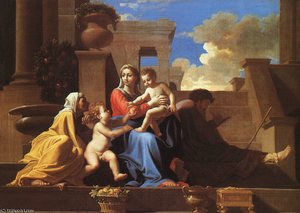
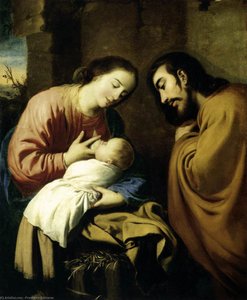
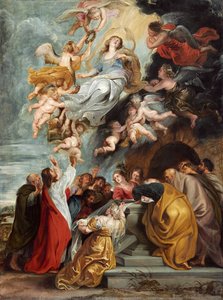
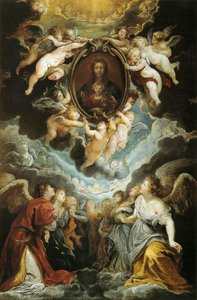
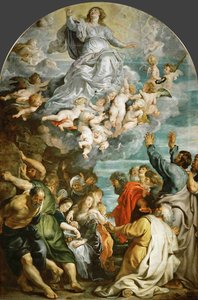
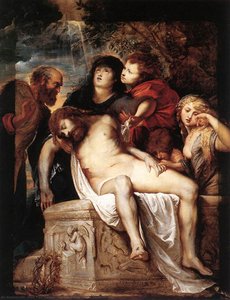
Биография художника
The Enigmatic Master of the 1540s: A Portraitist of Antwerp
The years between 1541 and 1551 witnessed a fascinating, albeit shadowy, period in Netherlandish art. Emerging from the vibrant artistic landscape of Antwerp during this time was an artist known only as “The Master of the 1540s.” This designation, initially coined by art historian Friedländer, reflects his prolific output of approximately thirty portraits—a remarkable number for a painter whose true identity remains largely elusive. While we lack definitive biographical details, examining his work and its context offers compelling insights into a talented artist operating within a dynamic artistic milieu.
The Master’s style is characterized by a refined elegance and a subtle realism that distinguishes him from the more flamboyant Mannerist painters of the era. His portraits are not overtly dramatic; instead, they possess a quiet dignity and an intimate quality, capturing the essence of his subjects with remarkable sensitivity. He skillfully employed oil paint on panel, favoring a muted palette—earthy browns, deep greens, and subtle blues—that lends his paintings a sense of depth and atmosphere. A key element of his technique is the use of *sfumato*, a delicate blurring of outlines that softens features and creates an almost dreamlike quality, particularly evident in the rendering of eyes and hands.
The Master’s clientele appears to have been more modest than that served by figures like Antonis Mor or Willem Key, prominent portraitists of the time. However, this doesn't diminish the quality of his work; rather, it suggests a focus on capturing the likenesses of individuals within the city’s merchant and civic elite. The identity of one of his sitters, Gillis van Schoonbeke, guardian of the Antwerp hospital, provides a tangible link to his active period in the city.
A Portraitist Within a Network
The Master's activity coincided with a flourishing artistic scene in Antwerp, a major center for trade and culture. This vibrant environment fostered an exchange of ideas and techniques among artists, creating a rich tapestry of influences. While he didn’t directly collaborate with the most celebrated figures of the period – such as Michelangelo or Titian – his work demonstrates a clear awareness of contemporary trends. The influence of Italian Renaissance portraiture is evident in his careful attention to detail, balanced compositions, and use of light and shadow. However, he retains a distinctly Northern European sensibility, characterized by a greater emphasis on psychological depth and a more restrained approach to color.
Interestingly, the Master’s style shares similarities with that of other anonymous portraitists active during this period, suggesting a possible workshop or school of painting. The consistent quality and stylistic features of his portraits point towards a cohesive artistic practice rather than the work of a single individual. The “Master of the 1540s” may therefore represent a collective of artists working under a shared aesthetic vision.
Notable Works and Characteristics
Among the Master’s surviving works, several stand out for their technical skill and artistic merit. The portrait of Gillis van Schoonbeke, guardian of the Antwerp hospital, is particularly noteworthy for its intimate portrayal of the sitter and its subtle use of *sfumato*. The “Sacrifice of Isaac” exemplifies his ability to convey a sense of drama and emotion through carefully rendered figures and atmospheric lighting. His "Deposition of Christ" showcases an impressive understanding of anatomy and perspective.
A recurring motif in the Master’s portraits is the inclusion of symbolic objects – such as books, gloves, or rings – that provide clues to the sitter's social status and profession. These details add layers of meaning to the portraits, transforming them from simple likenesses into complex visual narratives. The careful observation of clothing and accessories demonstrates a keen eye for detail and an understanding of contemporary fashion.
Historical Significance and Legacy
Despite the lack of definitive biographical information, “The Master of the 1540s” remains a significant figure in Netherlandish art history. His portraits offer valuable insights into the artistic tastes and social dynamics of Antwerp during a pivotal period of transition between the Renaissance and Mannerism. His work exemplifies the quiet elegance and psychological depth that characterized Northern European portraiture, contributing to a rich tradition of intimate and nuanced depictions of individuals.
The enduring appeal of his portraits lies in their ability to connect with viewers on an emotional level. They are not merely representations of faces; they are windows into the lives and personalities of those who commissioned them. The anonymity of the artist only adds to the mystery, prompting us to contemplate the identity of the subjects and the circumstances surrounding their creation. The Master of the 1540s continues to fascinate art historians and enthusiasts alike, reminding us that sometimes, the most compelling stories are those shrouded in ambiguity.
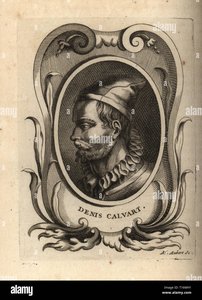
denys calvaert
1540 - 1619 , Belgium
Основные сведения
- Artistic Movement Or Style: Early Mannerism
- Artists Or Movements Influenced By This Artist: ["Francesco de' Rossi"]
- Artists Who Influenced This Artist:
- Michelangelo
- Antonis Mor
- Date Of Death: 1551
- Full Name: Master of the 1540s
- Nationality: South Netherlandish
- Notable Artworks:
- The Sacrifice of Isaac
- Deposition of Christ
- Portrait of Benedetto Varchi
- Place Of Birth: Antwerp, Netherlands