

 Предпросмотр
 Поделиться
 Поделиться
 Детали произведения

 Скачать
 Похожие работы
 Рентгенография
 Слайд-шоу
 Статистика
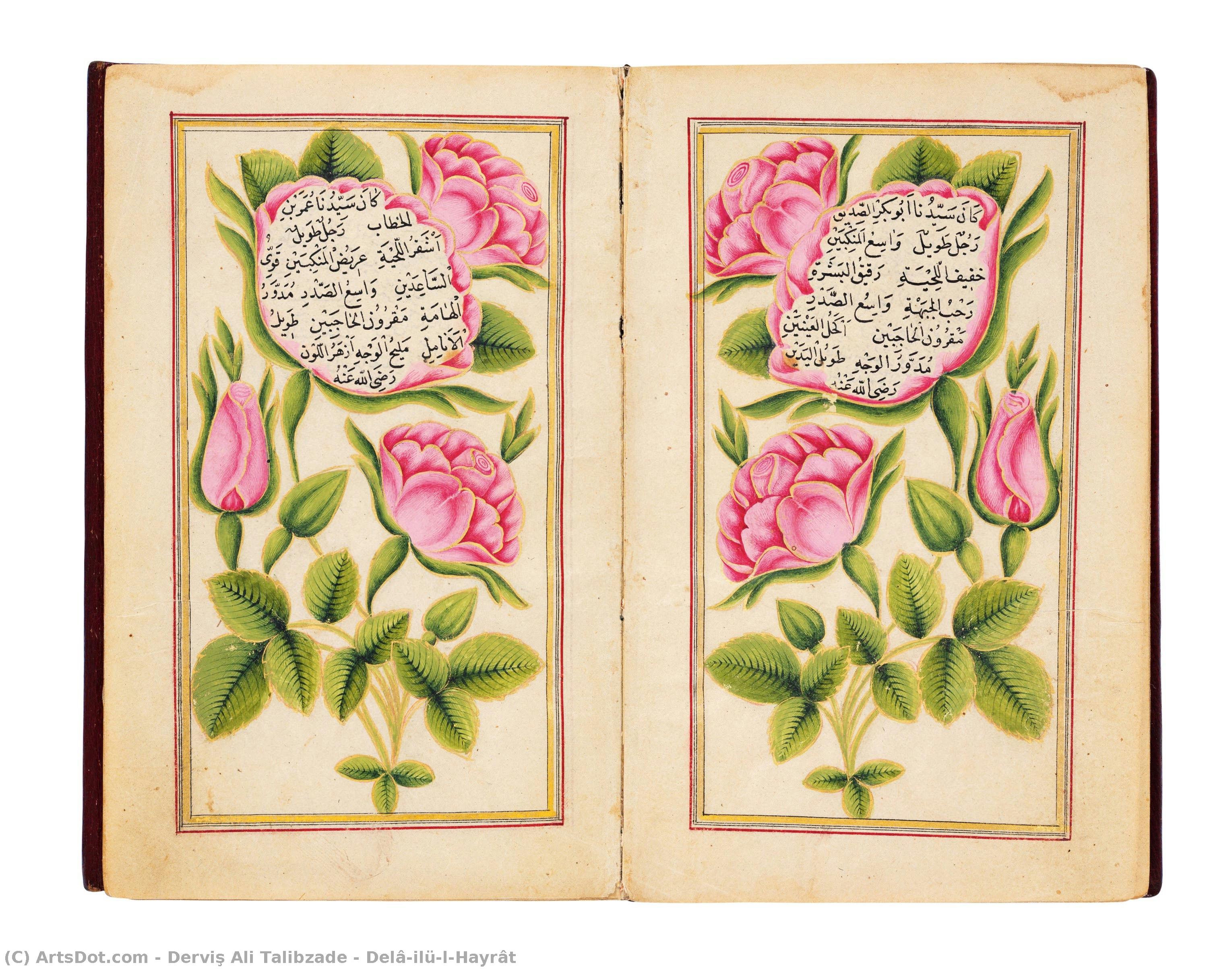
Delâ’ilü’l-Hayrât
 Manuscript
- Islamic Calligraphy
 1756
1756- Early Modern
 15.0 x 9.0 cm
 Sadberk Hanım Museum
 Читать далее
Жикле / Арт-принт
Печать (жикле) или холст музейного качества с быстрыми сроками изготовления и широким выбором вариантов отделки. ( Купить картину ручной работы Перейти к цифровым изображениям)




P118B $10

P118H $10

P118W $10

P438Z $10

P508JH $12

P508YH $12

P805H $10

P805Z $10

P919BZ $10

P919G $10

P919XJ $10

P959ZH $10

P968JZ $12

W106C $8

W218G $10

W218JH $8

W218Y $10

W307PJ $10

W316G $10

W316PJ $8

W316Y $10

W398PJ $8

W4111J $10

W500HY $15

W500JH $15

W692G $12

W849H $8

W940BG $15

W953PJ $8




Выберите один из наших стандартных размеров, соответствующих оригинальным пропорциям произведения искусства.

Вы можете указать свои собственные размеры, чтобы репродукция идеально подошла под конкретную раму или пространство. Если выбранный вами размер не будет соответствовать пропорциям оригинала, мы либо обрежем произведение, либо дополним изображение зеркальным отражением краев или однотонной заливкой. Перед началом производства вам будет отправлен цифровой макет для утверждения.
Пожалуйста, обратите внимание, что предварительный просмотр на экране не отображает фактическую обрезку или расширение изображения. Только макет точно покажет финальную композицию.
Несмотря на возможность заказа индивидуальных размеров, мы рекомендуем выбирать размер из предопределенного списка, чтобы сохранить оригинальные пропорции.
Доставка по всему миру () за 2 недели вместо стандартных 4/5 недель. (11 Сентябрь)

Бесплатная экспресс-доставка по всему миру

Высококачественный льняной холст

Полное страхование доставки

Гарантия возмещения таможенных пошлин

Гарантия точного соответствия цветов

100-дневная политика возврата (только при обнаружении дефектов)

Гарантия возврата 100% средств

Предложение оптовых скидок
 Вариант со стеклом доступен только для размеров менее 110 см

Delâ’ilü’l-Hayrât
Жикле / Арт-принт
Размер репродукции
-


Итоговая стоимость
$ 62
A Symphony of Devotion and Petals
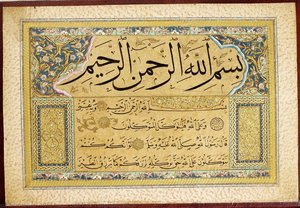
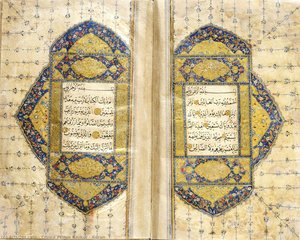
In the delicate intersection of spiritual devotion and botanical grace lies the Delâ’ilü’l-Hayrât, a breathtaking masterpiece of Ottoman illumination. Created by the master calligrapher Derviş Ali Talibzade, this manuscript serves as more than just a religious text; it is a visual prayer where the earthly beauty of nature meets the divine essence of the sacred. The pages unfold to reveal an exquisite arrangement of pink roses and tender buds, nestled within frames of shimmering gold and rich cherry hues. Each petal seems to breathe with life, meticulously rendered to capture the ephemeral softness of a garden in bloom, inviting the viewer into a meditative state of wonder.
The artistry of Talibzade is defined by an unparalleled precision that bridges the gap between text and ornament. Within the heart of these vibrant rose blossoms, the artist has inscribed the hilyes—the physical descriptions of the Prophet Muhammad and the four Rightly Guided Caliphs—using the elegant and disciplined naskh script. This technique creates a profound dialogue between the written word and the visual symbol. The way the calligraphy is cradled by the floral motifs suggests a protective, nurturing sanctity, as if the very blossoms are guarding the sacred names they hold within their centers.
Symbolism and the Sufi Soul
To understand this work is to understand the profound symbolism embedded in every stroke of the brush. For the Kadiri Sufi order, the rose is not merely a flower but a potent emblem of spiritual perfection and divine love. By placing the hilyes of Muhammad, Ebubekir, Ömer, Osman, and Ali amidst these floral displays, Talibzade elevates the manuscript from a mere historical document to a cosmic map of devotion. The choice of pink and green—colors representing both vitality and growth—complements the gold leafing, creating a sense of celestial light that radiates from the page.
This manuscript represents a rare moment in Islamic art history where the botanical and the biographical converge so seamlessly. It is uncommon to find such specific hilyes integrated into rose imagery, making this particular execution a jewel of the Sadberk Hanım Museum collection. For the collector or the lover of fine arts, this piece offers an emotional resonance that transcends time; it evokes a sense of peace, a quietude found only in the presence of profound beauty and historical depth.
An Inspiration for the Modern Collector
For interior designers and connoisseurs of fine decor, the Delâ’ilü’l-Hayrât offers a timeless aesthetic that can transform any space into a sanctuary of culture. The soft palette of rose pink, accented by deep cherry and luminous gold, provides a sophisticated focal point that complements both classical and contemporary settings. A high-quality reproduction of this work allows the intricate details of Talibzade’s 18th-century mastery to be appreciated in a modern context, bringing a touch of historical grandeur and spiritual serenity to a curated collection.
Owning or displaying an homage to such a significant piece of calligraphic history is an invitation to contemplate the harmony of line and color. It serves as a reminder that art, at its highest level, is a bridge between the tangible world we touch and the intangible beauty we feel. Whether as a centerpiece in a study or a subtle accent in a refined living space, this work continues to inspire awe through its delicate balance of botanical elegance and sacred tradition.
Похожие произведения
Биография художника
Derviş Ali Talibzade: A Master of Ottoman Sufi Calligraphy
Derviş Ali Talibzade (d. 1673) stands as a pivotal figure in the history of Islamic art and calligraphy, particularly within the Ottoman Empire. Born in Baghdad during a period of significant cultural exchange between Persia and Islam, his life’s trajectory exemplifies dedication to artistic excellence and scholarly pursuits—a testament to the enduring legacy of Sufi tradition. His journey began as a slave entrusted to the care of Kara Hasan-oglu Huseyn Aga, a janissary officer, fostering an early exposure to formal education and shaping his worldview. This formative experience propelled him toward mastering the art of calligraphy under Halid Erzurumi, establishing a foundation for his distinguished career.- Early Training & Apprenticeship: Talibzade’s apprenticeship with Erzurumi honed his technical skills and instilled in him the principles of Ottoman calligraphy—characterized by precise strokes, elegant proportions, and meticulous attention to detail. This rigorous training ensured he would become a cornerstone of Ottoman artistic development.
- Service at Köprülü Library: His appointment to the Köprülü Library marked a turning point in his life, placing him amidst a vibrant intellectual milieu where he mentored numerous aspiring calligraphers, including Fazıl Ahmed Pasha and Mustafa Eyyubi. This role solidified his reputation as a master craftsman and disseminated Sufi calligraphy’s aesthetic values.
Artistic Style & Technique: The Essence of Sufi Calligraphy
Talibzade's artistic style transcended mere technical proficiency; it embodied the spirit of Sufi philosophy. He skillfully blended traditional Islamic calligraphy with symbolic representations reflecting mystical concepts—a hallmark of Ottoman art during his era. Beyond calligraphy, he excelled in manuscript illumination and bookbinding, demonstrating a holistic approach to artistic creation. His work frequently incorporated geometric patterns and floral motifs imbued with spiritual significance, mirroring the pursuit of divine knowledge and contemplation central to Sufi thought. The meticulous execution of each piece underscored the importance of precision and beauty as pathways to enlightenment.- Notable Works: Among his most celebrated achievements is “Delâ’ilü’l-Hayrât,” housed in Istanbul's Sadberk Hanım Museum. This monumental calligraphy exemplifies Talibzade’s mastery, showcasing intricate detail and profound symbolism—a captivating visual representation of Sufi spiritual principles.
- Influence & Legacy: Derviş Ali Talibzade’s influence extended far beyond his immediate contemporaries. His distinctive style inspired subsequent generations of calligraphers and artists, securing his place as a seminal figure in Ottoman artistic heritage. The ArtsDot.com website showcases reproductions of his masterpieces, allowing viewers to appreciate the enduring beauty and intellectual depth of his creations.
Sadberk Hanım Museum: Preserving His Artistic Legacy
The Sadberk Hanım Museum in Istanbul serves as a crucial repository for Talibzade’s artistic output, safeguarding invaluable manuscripts and illuminating the cultural context of his time. Visitors can examine firsthand examples of his calligraphy and illumination—a tangible connection to Ottoman artistic tradition and Sufi spirituality. The museum's commitment to scholarly research ensures that Talibzade’s contributions continue to inspire appreciation for Islamic art history.Conclusion: A Timeless Expression of Faith & Beauty
Derviş Ali Talibzade remains an enduring symbol of Ottoman artistic excellence and Sufi intellectual fervor. His dedication to mastering calligraphy—coupled with his profound understanding of spiritual symbolism—produced artworks that transcend temporal boundaries, continuing to captivate audiences worldwide. Through institutions like the Sadberk Hanım Museum and online platforms such as ArtsDot.com, Talibzade’s legacy persists, reminding us of the transformative power of art to convey faith, wisdom, and aesthetic beauty.
derviş ali talibzade
1673 , Iraq
Основные сведения
- Artistic Movement Or Style: Sufi Calligraphy
- Artists Or Movements Influenced By This Artist: ['Islamic Art']
- Artists Who Influenced This Artist: ['Halid Erzurumi']
- Date Of Death: 1673
- Full Name: Derviş Ali Talibzade
- Nationality: Ottoman
- Notable Artworks: ['Delâ’ilü’l-Hayrât']
- Place Of Birth: Baghdad, Iraq
Похожие статьи
The Allure of Gold in Art History: Symbolism, Technique & Cultural Significance
Explore the rich history of gold in art! Discover symbolism, techniques & cultural significance from ancient civilizations to Klimt's masterpieces. Expert insights for collectors at ArtsDot.
Топ-10 знаменитых картин в нежных розовых тонах: искусство и декор от ArtsDot
Погрузитесь в мир нежности и красоты! Топ-10 знаменитых картин Моне, Ренуара и других мастеров в розовых тонах. Узнайте историю создания шедевров импрессионизма и найдите идеальную репродукцию для вашего интерьера на ArtsDot.com
Топ-10 знаменитых картин в оттенках пыльной розы: искусство для вашего интерьера
Погрузитесь в мир искусства с 10 знаменитыми картинами в нежных оттенках пыльной розы. Узнайте истории Моне, Ренуара и других великих художников! Купите репродукции картин высокого качества для вашего интерьера на ArtsDot.com.
Golden Glow: How to Use Metallic Gold Artworks to Elevate Your Home Decor with Timeless Luxury
Discover how to elevate your home with the timeless elegance of metallic gold artworks. From sculptural metal pieces to gilded oil paintings, learn expert interior design tips for integrating luxurious gold accents into your space with sophistication and grace.

Золото в Искусстве: 10 Шедевров с Позолотой для Вашего Интерьера
Погрузитесь в мир золота и искусства! 10 знаменитых картин с позолотой – от Климта до византийских шедевров. Узнайте истории, техники и вдохновитесь для создания роскошного интерьера. Репродукции высокого качества на ArtsDot.com