

 Предпросмотр
 Поделиться
 Поделиться
 Детали произведения

 Скачать
 Похожие работы
 Рентгенография
 Слайд-шоу
 Статистика
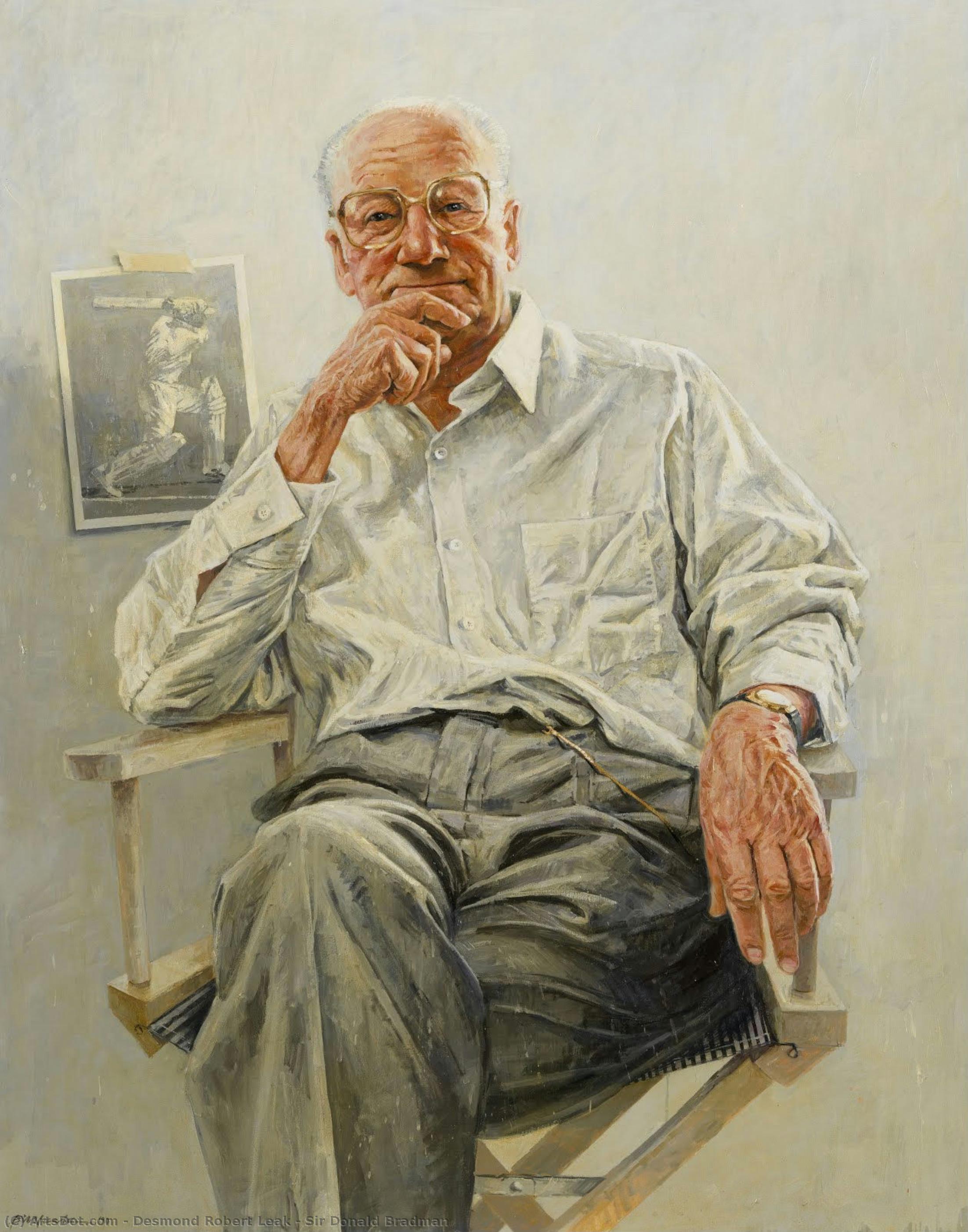
Sir Donald Bradman
 Oil On Canvas
- WallArt
- Contemporary Realism
 1990
1990- Contemporary
 158.0 x 128.0 cm
 National Portrait Gallery
 Читать далее
Приобретите цифровое изображение высокого разрешения в улучшенном качестве, которое значительно превосходит онлайн-превью.
Каждый файл тщательно подготавливается нашими специалистами с использованием передовых инструментов и экспертной ручной ретуши. Мы гарантируем исключительную четкость, точную цветопередачу и детальную проработку каждого изображения.
Финальный файл доставляется по электронной почте в течение 72 часов и оптимизирован для немедленного использования в профессиональной среде, при верстке и печати. Это тот же уровень качества, которому доверяют ведущие дизайнерские студии, издательства и галереи.
Цифровое изображение
Скачайте файл высокого разрешения для личного использования, печати и творческих проектов. ( Перейти к печати Купить картину ручной работы)
Включено в каждый заказ цифровых изображений
Гарантия экспертной цифровой доставки
Выбирая ArtsDot.com, вы получаете не просто изображение — вы приобретаете профессионально обработанное цифровое произведение искусства, созданное с безупречной точностью и под защитой гарантии качества. Вот всё, что автоматически входит в ваш заказ:

Мгновенная доставка по e-mail
Ваш цифровой файл в высоком разрешении будет отправлен вам по электронной почте в течение 72 часов после оформления заказа — и сразу станет доступен для использования.

Цифровой файл с ИИ-улучшением
Ваше произведение искусства проходит профессиональную оптимизацию с использованием передовых инструментов ИИ и ручной обработки, что гарантирует максимальную детализацию, четкость и точность цветопередачи.

Бессрочная бесплатная повторная доставка
Случайно удалили или потеряли файл? Не беспокойтесь — мы отправим его вам повторно в любое время и совершенно бесплатно.

Без импортных пошлин — навсегда
Наслаждайтесь вашим произведением искусства мгновенно без таможенных пошлин, сборов или затрат на доставку — цифровые загрузки всегда не облагаются налогом.

Гарантия точности цветопередачи
Мы гарантируем, что ваше цифровое изображение максимально точно передает оригинальные цвета благодаря использованию профессиональных инструментов и систем управления цветом.

Гарантия удовлетворенности 100 дней
Если вы не будете удовлетворены своим цифровым изображением, мы внесем правки или вернем 100% стоимости в течение 100 дней — без лишних вопросов.

100% Гарантия возврата средств
Не удовлетворены покупкой? Получите полный возврат средств в течение 100 дней после получения цифрового файла — без лишних вопросов.

Скидки на оптовые заказы
Купите 3 изображения, сэкономьте 10% — Купите 5, сэкономьте 15% — Купите 10+, сэкономьте 20%. Отличное решение для творческих проектов, галерей и агентств.
Похожие произведения

Биография художника
Paul Jackson Pollock: A Revolutionary of American Abstraction
Jackson Pollock, born January 28, 1912, in Cody, Wyoming, and tragically dying August 11, 1956, near Springs, Long Island, remains one of the most iconic and debated figures in 20th-century art. More than just a painter, he was a revolutionary who fundamentally altered our understanding of what painting could be – shifting from representation to pure expression, gesture, and process. His life, marked by both artistic brilliance and personal struggles, provides a compelling narrative intertwined with the rise of Abstract Expressionism and the broader cultural shifts of mid-century America.
Pollock’s early years were shaped by a nomadic upbringing, moving frequently across the American West and Southwest due to his father's work as a government surveyor. This constant relocation instilled in him a sense of restlessness and an appreciation for diverse cultures – particularly Native American traditions, which subtly influenced his later artistic explorations. He enrolled at Los Angeles’ Manual Arts High School but was expelled, a formative experience that fueled his rebellious spirit and independent approach to art. His formal training at the Art Students League in New York City under Thomas Hart Benton exposed him to European modernism, particularly the murals of Mexican socialists David Alfaro Siqueiros and José Clemente Orozco, as well as the work of Pablo Picasso – experiences that would profoundly shape his artistic development.
The Emergence of “Drip” Painting
Pollock’s groundbreaking technique, often referred to as “drip painting,” emerged in 1947 after a move to Springs, Long Island, where he established a studio with his wife, Lee Krasner. He began experimenting with liquid paint – alkyd enamels and house paints – applied directly onto vast canvases laid flat on the floor. This radical departure from traditional easel painting involved flinging, pouring, dripping, and splattering the paint, utilizing brushes, sticks, and even syringes as tools. It wasn’t about meticulously applying color to create a specific image; instead, it was about embracing chance, spontaneity, and the physicality of the act of painting itself. As Pollock famously stated, “When I am in my painting, I’m not aware of what I’m doing.” This emphasis on process over product became central to his artistic philosophy.
His early works like "Number 17A" (1948) and "No. 5, 1948" (1950) demonstrate this approach vividly – expansive fields of color interwoven with dynamic lines and textures, seemingly devoid of a fixed subject matter. Critics initially reacted with skepticism, questioning the randomness and lack of discernible form. However, as Pollock’s work gained recognition, particularly through the support of influential critics like Clement Greenberg and collectors such as Peggy Guggenheim, it was increasingly viewed as a powerful expression of emotion and energy – a direct translation of the artist's inner state onto the canvas.
Key Works and Influences
Pollock’s oeuvre is characterized by its scale and intensity. Major works include “Mural on Indian Red Ground” (1950), a monumental painting that reflects his interest in Native American culture, and "Autumn Rhythm" (Number 30) (1952), a swirling vortex of color and movement. “Convergence” (1952) showcases the artist’s ability to create complex compositions through seemingly chaotic application of paint. “Blue Poles” (*Number 11*, 1952), a vibrant blue canvas, became one of his most famous works and was initially met with considerable controversy due to its unconventional appearance.
Beyond his own experimentation, Pollock drew inspiration from various sources. The dynamic brushwork of Thomas Hart Benton, the expressive color palettes of European modernists like Henri Matisse, and the abstract explorations of Piet Mondrian all contributed to his evolving style. His engagement with Surrealism, particularly through his study of Jungian psychology, informed his approach to tapping into the subconscious and expressing raw emotion.
Legacy and Historical Significance
Jackson Pollock’s impact on the art world is undeniable. He played a pivotal role in establishing Abstract Expressionism as a dominant force in American painting, challenging traditional notions of representation and paving the way for subsequent generations of artists to explore new forms of expression. His “drip” technique influenced countless painters, while his emphasis on process and gesture continues to resonate with contemporary artists today.
Despite facing personal struggles with alcoholism throughout his life, Pollock’s legacy endures through his groundbreaking work and the profound influence he exerted on the course of modern art. The Museum of Modern Art in New York City holds one of the most comprehensive collections of his paintings, ensuring that this revolutionary artist's vision continues to inspire and challenge viewers for generations to come.
desmond robert leak
1956 - 2017 , Australia
Основные сведения
- All-Over Painting: Notable artworks
- Artistic Movement Or Style: Abstract Expressionism”
- Artists Or Movements Influenced By This Artist:
- Lee Krasner
- Gutai group
- Minimalism
- Date Of Birth: January 28, 1912
- Date Of Death: August 11, 1956
- Drip Painting: Action painting
- Full Name: Paul Jackson Pollock
- Nationality: American
- Number 17a",
"No. 5, 1948",
"Mural On Indian Red Ground",
"Autumn Rhythm (Number 30)",
"Convergence",
"Blue Poles"
],
"Artists Who Influenced This Artist:
- Thomas Hart Benton
- David Alfaro Siqueiros
- José Clemente Orozco
- Pablo Picasso
- Place Of Birth: Cody, Wyoming, USA